Explore our comprehensive encyclopedia of fruits with detailed nutrition facts
Malpighia emarginata
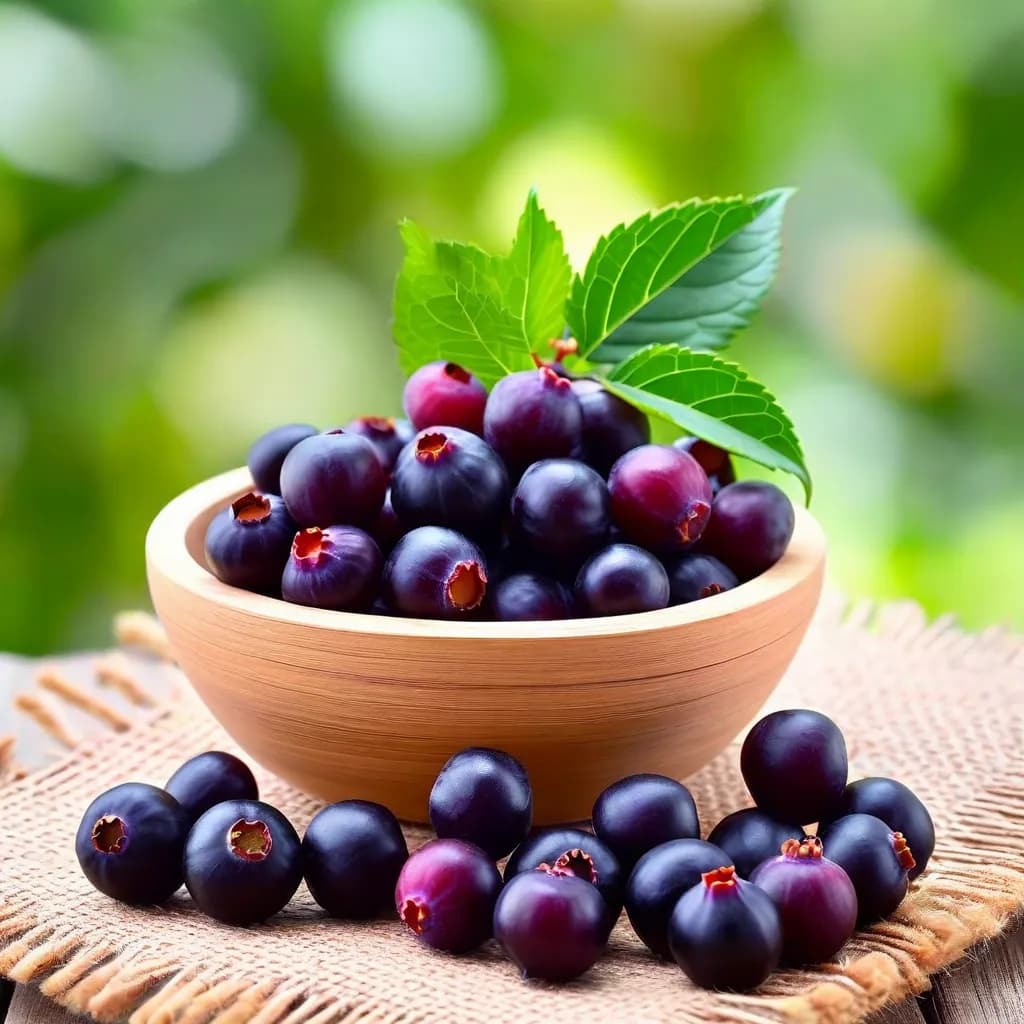
Acerola is an exceptionally nutrient-dense tropical superfruit best known as one of the richest natural sources of vitamin C in the world. Also called Barbados cherry or West Indian cherry, acerola delivers extraordinary antioxidant power, immune support, and skin health benefits. With low calories, moderate natural sugars, andhigh water content, and an impressive profile of polyphenols and carotenoids, acerola is widely used in fresh consumption, juices, supplements, and functional foods. Its tangy flavor and unmatched vitamin C concentration make acerola a cornerstone of modern wellness and sports nutrition.
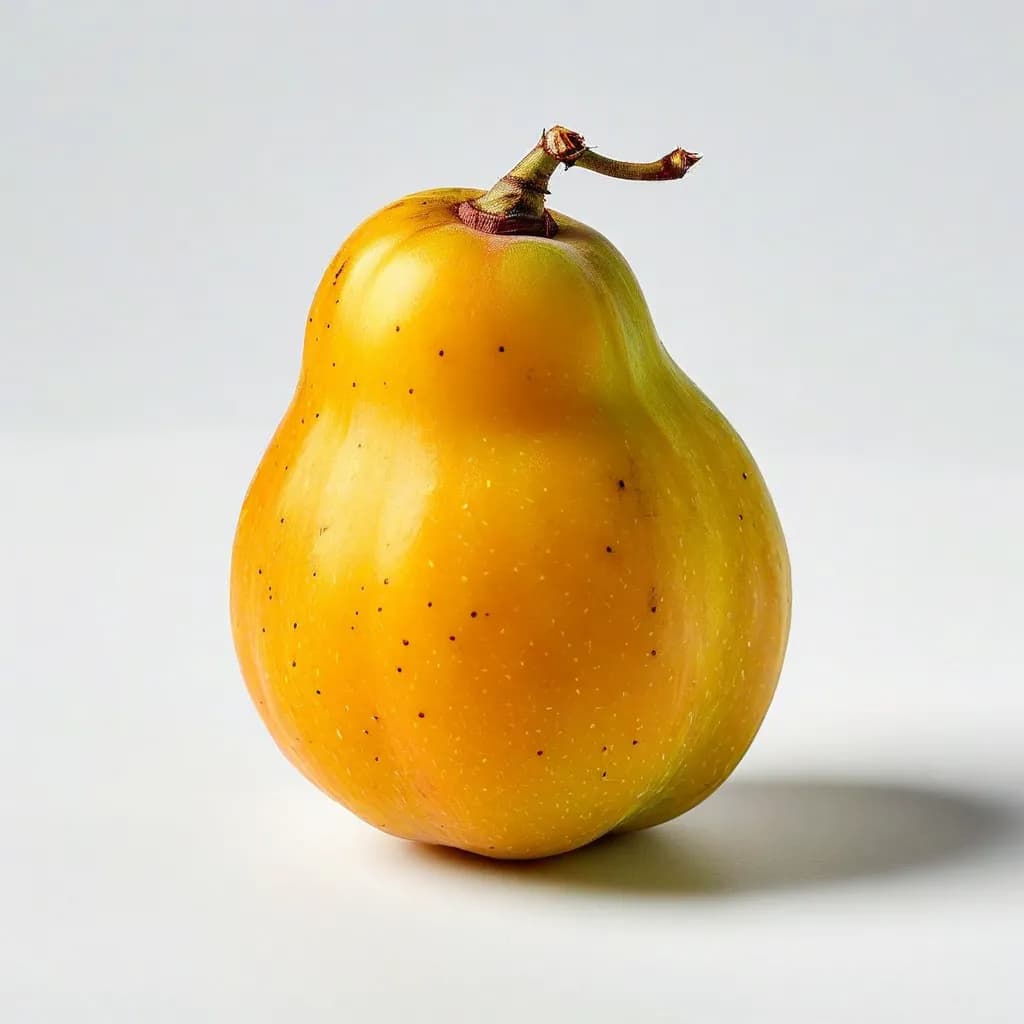
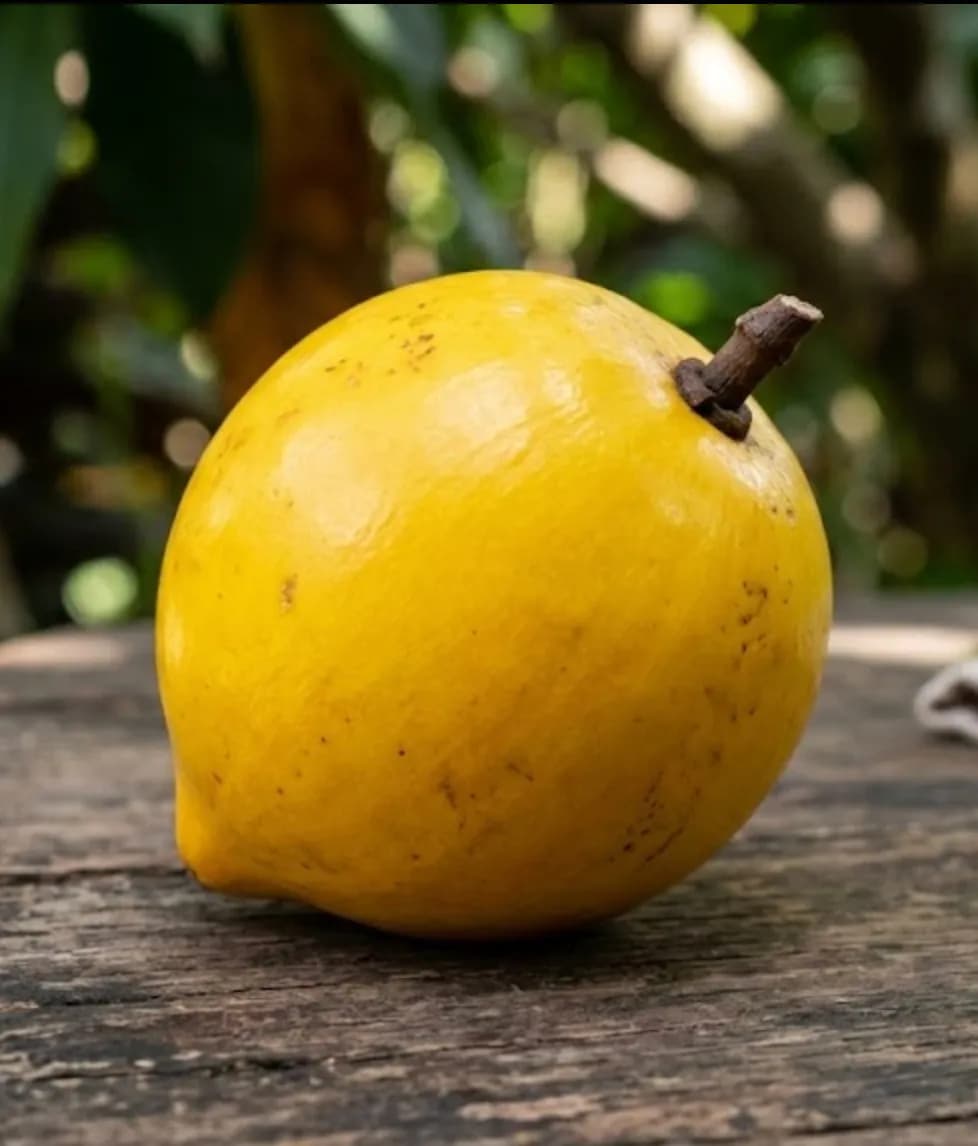
Blighia sapida
Ackee is a unique tropical fruit with creamy yellow arils and mild nutty flavor. Excellent source of copper (45% DV) supporting collagen synthesis and immune function. Rich in fiber (2.4g) supporting digestive health. Contains folate (14% DV) supporting cell division and fetal development. Low calorie (151 per 100g raw) with healthy fats supporting cardiovascular health. High in vitamin A supporting vision and immune health. Native to West Africa, ackees are cultivated throughout Caribbean establishing iconic national fruit of Jamaica with distinctive culinary applications and cultural significance.
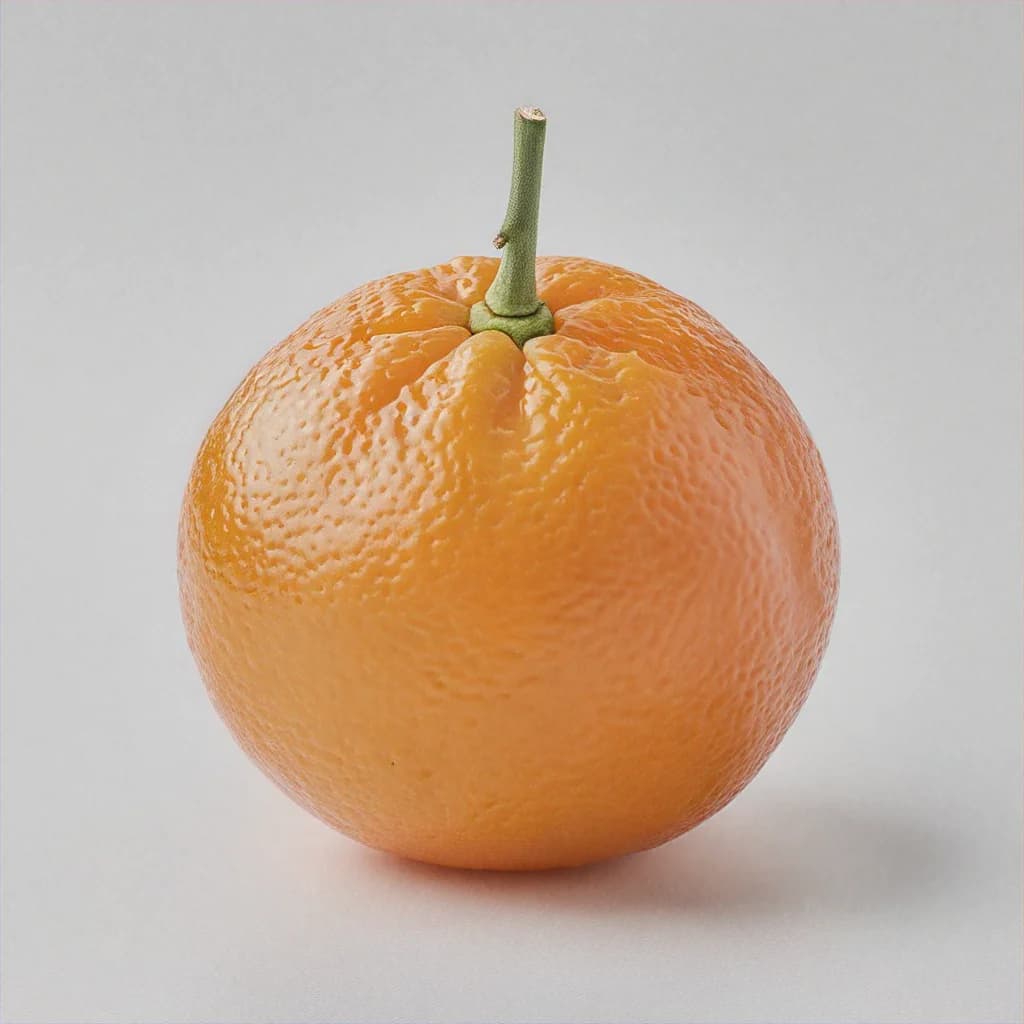
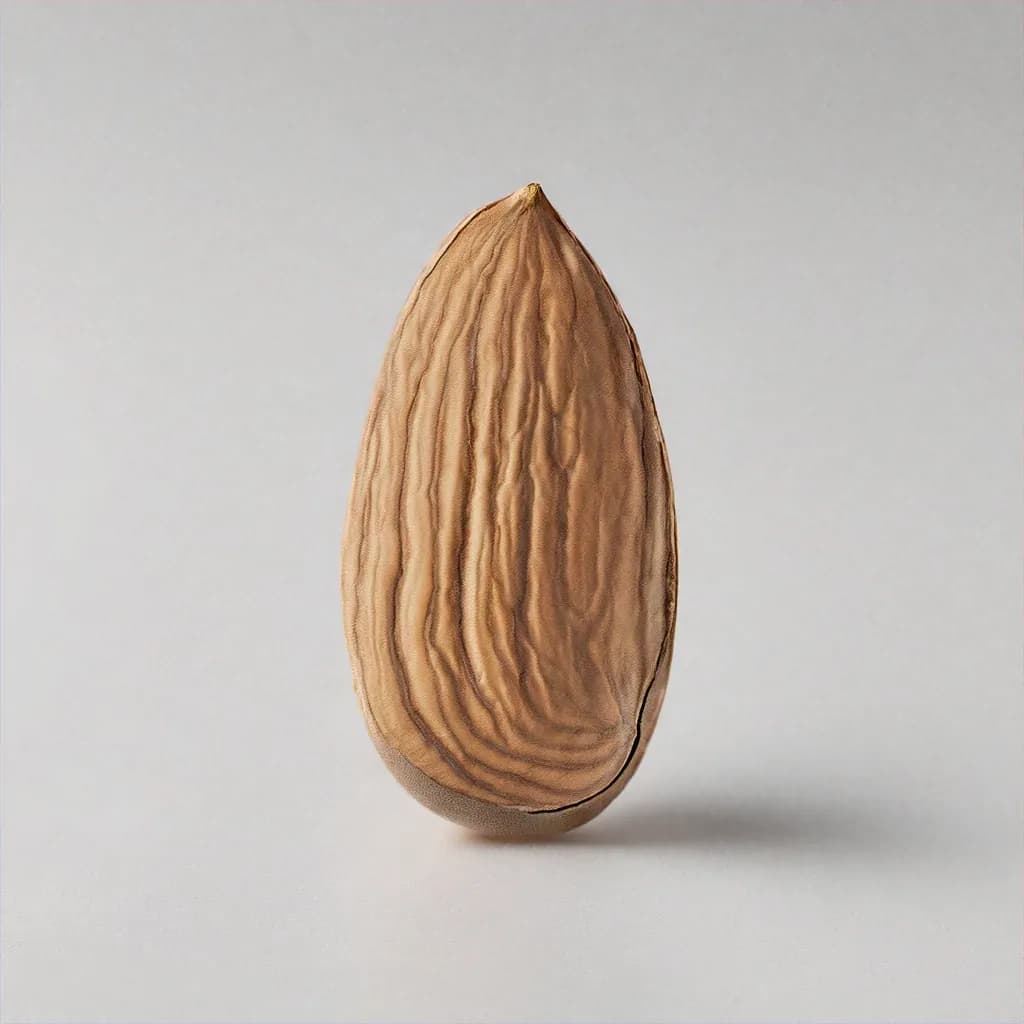
Prunus dulcis
Almond is a nutrient-dense tree nut superfruit with exceptional vitamin E (37% DV per 100g), excellent protein (21% DV per 100g), and remarkable nutritional complexity. Also known as sweet almond or Prunus amygdalus, almond delivers comprehensive nutritional benefits with heart-healthy monounsaturated fats and comprehensive mineral profile. At 579 calories per 100g with robust fiber content (10% DV) and potent polyphenol profile, almond is prized in Mediterranean cuisine, contemporary wellness practices, and plant-based nutrition applications worldwide. Perfect for fresh snacking, premium cooking, nutritional supplementation, and comprehensive health optimization.
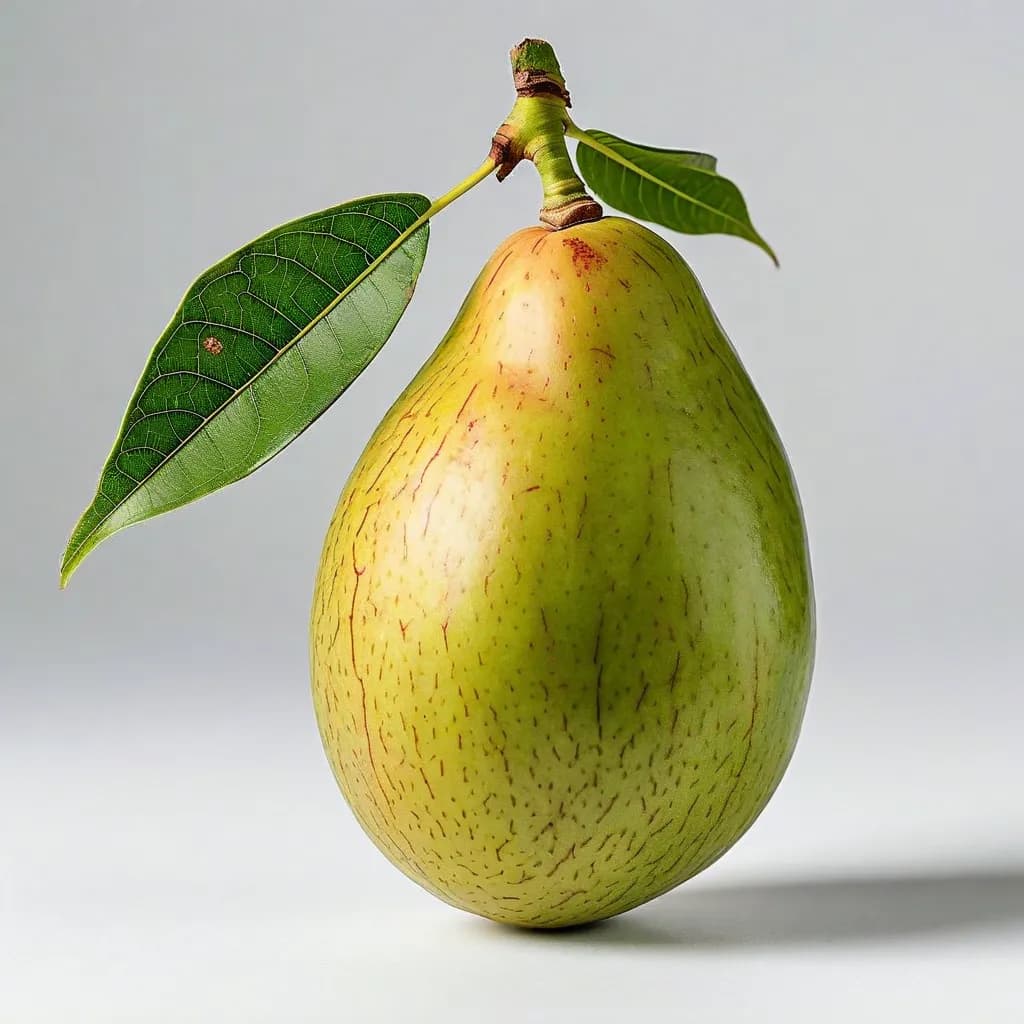
Malus domestica
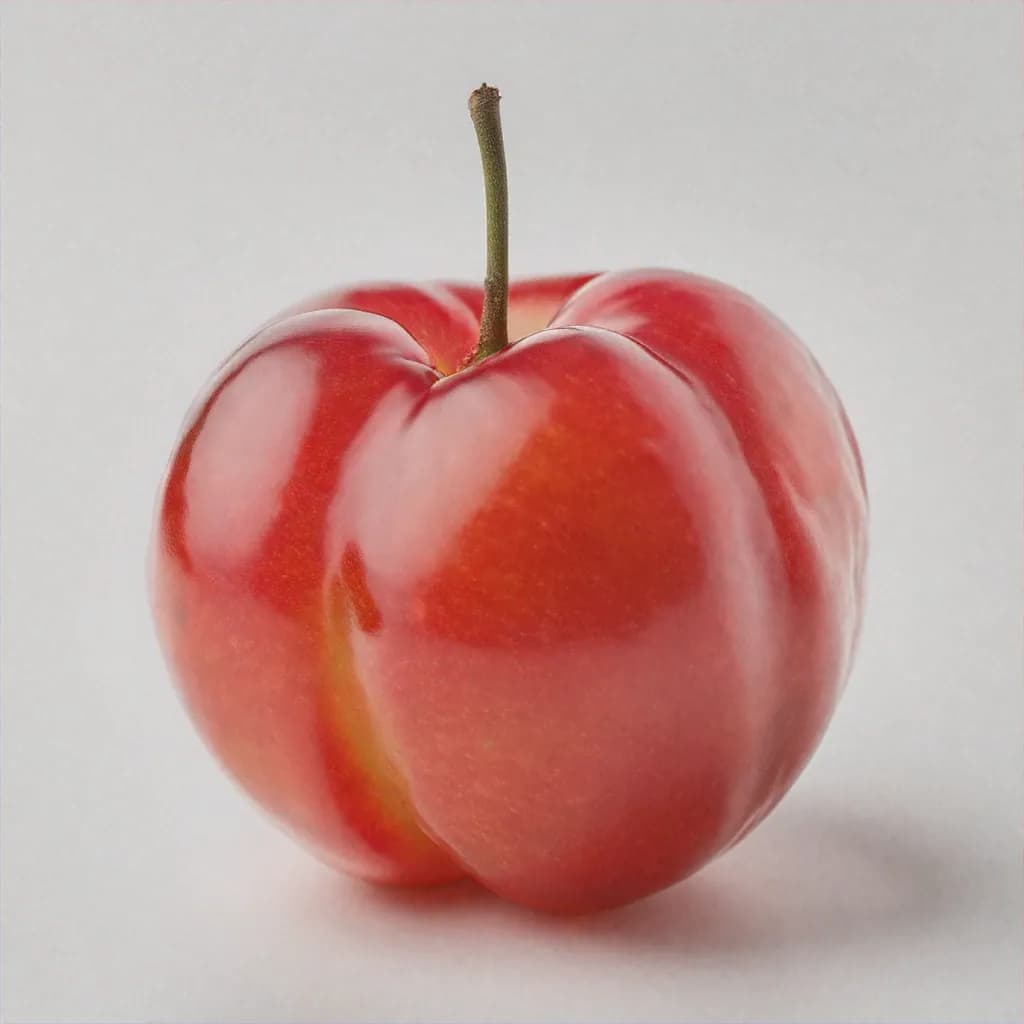
A sweet, crisp fruit that comes in many varieties and is enjoyed worldwide for its refreshing taste and nutritional benefits. Apples are one of the most versatile and beloved fruits, known for their satisfying crunch, natural sweetness, and impressive health benefits. Whether eaten fresh, baked into desserts, or pressed into juice, apples have been a dietary staple across cultures for millennia.

Prunus armeniaca
The apricot is a golden-orange stone fruit prized for its velvety skin, sweet-tart flavor, and aromatic fragrance. Native to Central Asia, apricots have been cultivated for over 4,000 years and are celebrated for their versatility in both fresh and dried forms. Rich in vitamin A, fiber, and antioxidants, apricots support eye health, immune function, and digestive wellness. The fruit's smooth, fuzzy skin encases tender, juicy flesh surrounding a single large pit. Available fresh during summer months and dried year-round, apricots offer concentrated nutrition and natural sweetness that enhance countless culinary preparations from jams to savory tagines.

Prunus armeniaca × Prunus salicina
Aprium is a premium interspecific stone fruit hybrid combining the sweetness and aroma of apricot with the juiciness and texture of plum. Known for its exceptionally high natural sugar content, vibrant flavor complexity, and smooth edible skin, aprium delivers a dessert-like eating experience with meaningful nutritional value. Rich in vitamin C, beta-carotene, potassium, and protective polyphenols, aprium supports immune health, skin vitality, and antioxidant defense. With approximately 48 calories per 100g, good fiber content, and a low-to-moderate glycemic load, aprium is prized in modern wellness nutrition, gourmet fruit markets, and fresh seasonal snacking.

Pyrus pyrifolia
Asian pear is a crisp, juicy, and refreshing fruit prized for its apple-like crunch and pear-like sweetness. Also known as Nashi pear, apple pear, or sand pear, Asian pear is low in calories yet rich in hydration, dietary fiber, and vitamin C. With over 88% water content, it supports hydration, digestion, and metabolic wellness. Asian pear delivers natural antioxidants, gentle sweetness, and a very low glycemic load, making it ideal for weight management, blood sugar balance, and daily wellness nutrition. Popular across East Asia for both fresh consumption and traditional remedies, Asian pear is valued for its cooling properties, digestive support, and refreshing taste.

Annona × atemoya
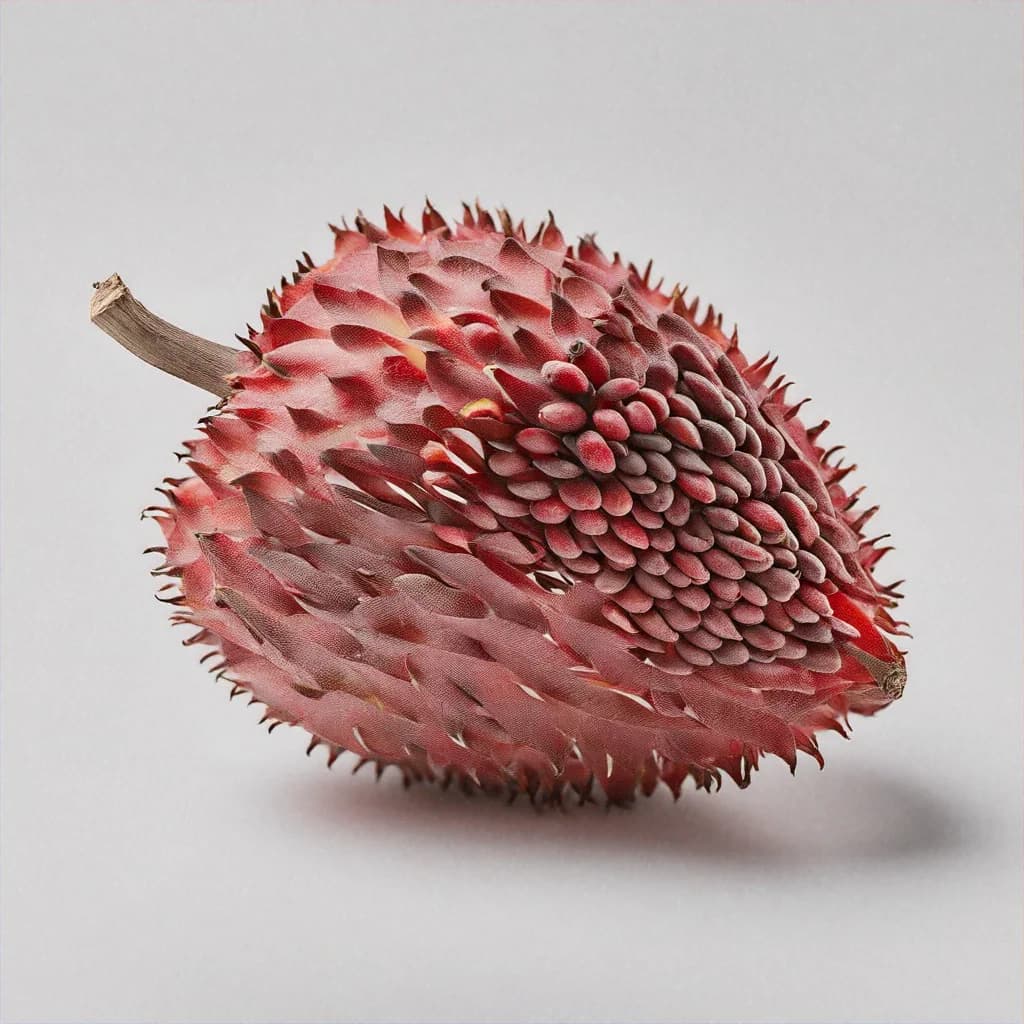
Atemoya is a hybrid tropical fruit combining cherimoya and sugar apple characteristics with creamy white flesh and distinctive sweet flavor. Excellent source of vitamin B6 (25% DV) supporting brain health and metabolic function. Rich in fiber (3.1g) supporting digestive health and regularity. Contains polyphenols with antioxidant and anti-inflammatory benefits. Low calorie (67 per 100g) ideal for weight management. High water content (79%) supporting hydration. Native to Central America, atemoyas thrive in subtropical climates offering unique custard-like flavor with superfruit benefits.

Persea americana
Avocados are nutrient-dense fruits featuring creamy pale-green flesh, large central pit, and distinctive pear shape representing nutritional powerhouse among fruits. Native to Mexico and Central America, avocados have become global superfood celebrated for exceptional healthy fat content, complete micronutrient profile, and versatile culinary applications. Each avocado delivers impressive nutritional density - exceptional potassium (10% DV per 100g surpassing bananas), healthy monounsaturated fats supporting cardiovascular health, vitamin E (10% DV) as antioxidant, folate (12% DV) supporting cellular function, and valuable phytonutrients including lutein and zeaxanthin for vision health. Creamy luxurious texture creates perfect base for guacamole, toast toppings, salads, smoothies, and sophisticated culinary preparations. Rich buttery flavor complements both savory and sweet applications. Avocados support weight management despite high calorie density through satiety-inducing healthy fats and fiber content. Traditional Mesoamerican use spanning millennia validated by modern research confirming cardiovascular, cognitive, and anti-inflammatory benefits. Avocados represent perfect nutritional balance combining healthy fats, complete micronutrients, and culinary versatility making them modern nutritional essential.

Aegle marmelos
Bael is an ancient tropical fruit native to South Asia with hard, woody shell and aromatic, sweet-pulp interior. Rich in vitamin C (28% DV), fiber (24% DV), and polyphenols, bael offers exceptional digestive and immune support. With approximately 137 calories per 100g of pulp and remarkable fiber density, bael is ideal for beverages, jams, traditional remedies, and culinary applications. Revered in Ayurvedic medicine for centuries, it's called the 'fruit of the gods.' Perfect for those seeking traditional wellness benefits and unique tropical flavors.

Musa acuminata, Musa balbisiana
A naturally sweet, creamy tropical fruit that's packed with energy and essential nutrients. Bananas are one of the world's most popular fruits, beloved for their convenience, natural packaging, and versatility. From a quick breakfast to post-workout fuel, bananas provide instant energy and numerous health benefits in a portable, easy-to-eat package.

Adansonia digitata
Baobab is an ancient, nutrient-dense superfruit known for its exceptionally high vitamin C content, remarkable fiber levels, and powerful antioxidant profile. Often called the “Tree of Life” fruit, baobab pulp is naturally dried inside the shell, preserving its nutrients without processing. With low fat, moderate calories, excellent mineral content, and a unique tangy-citrus flavor, baobab is widely used in traditional African diets and modern functional nutrition. It supports immune health, digestive wellness, hydration, and sustained energy, making it one of the most celebrated superfruits worldwide.

Malpighia emarginata
Barbados cherry is a small, brilliant red fruit native to the Caribbean with exceptional vitamin C content and bright, tart-sweet flavor. With an extraordinary 1,678% DV of vitamin C per 100g (more than any other fruit), barbados cherry delivers unparalleled immune support and antioxidant power. At only 32 calories per 100g and rich in polyphenols, it's ideal for juices, supplements, jams, and traditional remedies. Perfect for those seeking maximum nutritional density and natural immunity enhancement.

Citrus bergamia
Bergamot is a rare, aromatic citrus fruit prized for its intensely fragrant essential oil and distinctive floral-citrus flavor. Rich in vitamin C (38% DV), limonene, and bergapten, bergamot offers exceptional immune and digestive support. With only 36 calories per 100g and unique aromatic compounds, bergamot is ideal for teas, perfumery, cosmetics, and gourmet cooking. Primarily grown in Calabria, Italy, bergamot is a luxury ingredient. Its essential oil is famous in Earl Grey tea. Perfect for those seeking premium, aromatic citrus experiences.

Vaccinium myrtillus
Bilberry is a small, dark purple berry native to Northern Europe with exceptional antioxidant power and distinctive tart flavor. Rich in anthocyanins and vitamin C (36% DV), bilberries support eye health, cognitive function, and cardiovascular wellness. At 57 calories per 100g with excellent fiber content (3.5g) and polyphenol density, bilberries are prized in traditional Scandinavian and European cuisines. Perfect for fresh eating, jams, beverages, and supplements.

Prunus armeniaca (black apricot cultivar)
Black apricot is a rare and visually striking apricot variety distinguished by its deep purple to nearly black skin and rich, aromatic flesh. Known for its concentrated antioxidants, anthocyanins, beta-carotene, and vitamin C, black apricot delivers powerful cellular protection alongside natural sweetness and balanced acidity. With approximately 48 calories per 100g, good fiber content, and a low glycemic load, black apricot supports immune health, heart wellness, skin vitality, and digestive balance. Traditionally cultivated in parts of Central Asia and the Middle East, black apricot is prized today in gourmet nutrition and functional wellness diets.

Vitis vinifera
Black grapes are small round berries with deep purple-black skin and sweet juicy flesh featuring intense grape flavor and high anthocyanin content. Native to Middle East and Central Asia, black grapes thrive in temperate and Mediterranean climates with warm sunny growing seasons. Each fruit delivers impressive nutritional benefits - excellent vitamin C (5% DV per 100g) supporting immune function and antioxidant protection, vitamin K (14% DV) for blood clotting and bone health, copper (6% DV) for collagen and immune support, and valuable polyphenols including resveratrol and anthocyanins for superior antioxidant defense. Sweet juicy flesh with rich grape flavor complements fresh consumption and diverse culinary applications. Dark purple-black color indicates high anthocyanin content providing exceptional antioxidant benefits. Black grapes support cardiovascular health, antioxidant defense, and neurological wellness through comprehensive polyphenolic profile. Traditional Mediterranean use documented supporting wellness traditions. Black grapes represent popular berry combining concentrated nutrition, exceptional antioxidant content, broad climate adaptability, and culinary versatility making them globally beloved superfruit.

Diospyros digyna
Black sapote is an exotic tropical fruit with creamy dark brown flesh resembling chocolate pudding. Excellent source of vitamin C (25% DV) supporting immune function and antioxidant defense. Rich in fiber (2.6g) supporting digestive health and regularity. Contains polyphenols with powerful antioxidant and anti-inflammatory benefits. Low calorie (71 per 100g) ideal for weight management. High in potassium (8% DV) supporting heart health. Native to Mexico, black sapotes thrive in subtropical climates offering unique dessert-like flavor with superfruit benefits and natural chocolate-like profile.

Rubus fruticosus
Blackberries are glossy, deep purple-black aggregate fruits composed of multiple tiny drupelets clustered around a central core. Known for their sweet-tart flavor and juicy texture, blackberries grow wild on thorny brambles and are also cultivated commercially. Among the most antioxidant-rich fruits available, blackberries are loaded with vitamin C, vitamin K, manganese, and powerful anthocyanins. These berries support brain health, digestive wellness, and immune function while offering anti-inflammatory and anti-cancer properties. Available fresh during summer months and frozen year-round, blackberries excel in both sweet and savory applications from jams to salads.

Ribes nigrum
Blackcurrants are nutrient-dense berries with distinctive tart flavor and deep purple-black color. Exceptional source of vitamin C (177% DV) supporting immune function and antioxidant defense. Rich in anthocyanins and polyphenols providing powerful antioxidant protection and anti-inflammatory benefits. High in fiber (7.4g) supporting digestive health and gut microbiome. Low calorie (63 per 100g) with low glycemic index supporting blood sugar management. Native to Eurasia, blackcurrants thrive in temperate climates offering exceptional superfruit benefits with concentrated phytonutrient profile.

Citrus × sinensis
Blood oranges are striking citrus fruits with deep crimson flesh and rich, complex flavor combining sweetness with subtle tartness and berry notes. Loaded with vitamin C (53% DV), anthocyanins, and antioxidants, blood oranges offer superior immune support and powerful anti-inflammatory benefits. At only 47 calories per 100g with 87% water content, they're perfect for fresh eating, juicing, and elegant desserts. Their vibrant color makes them visually stunning for any dish.

Musa acuminata × balbisiana (Blue Java group)
Blue Java banana, often called the “ice cream banana,” is a unique banana variety known for its bluish-silver peel when unripe and its exceptionally creamy, vanilla-like flavored flesh when ripe. This tropical fruit is nutrient-rich, providing natural carbohydrates for energy, dietary fiber for digestion, potassium for heart health, and vitamin B6 for metabolism. With its smooth texture and balanced sweetness, Blue Java banana is prized in wellness-focused diets, desserts, and smoothies, making it one of the most distinctive banana varieties grown worldwide.

Vaccinium corymbosum (Highbush), Vaccinium angustifolium (Lowbush)
A beloved North American native, the blueberry is a small, round berry celebrated for its deep blue-purple color, sweet-tart flavor, and remarkable nutritional profile. These jewel-toned fruits are often hailed as a superfood due to their exceptional antioxidant content, particularly anthocyanins that give them their characteristic color. Fresh blueberries offer a perfect balance of sweetness and acidity with a slight floral undertone, while their firm yet juicy texture makes them ideal for eating fresh or cooking. Cultivated across North America and increasingly worldwide, blueberries have evolved from wild forest treasures to one of the most popular and nutritious fruits available year-round.

Rubus ursinus × idaeus (hybrid)
Boysenberries are large, juicy berries that are a unique hybrid combining raspberry, blackberry, and loganberry genetics. These dark purple-maroon berries are known for their intensely sweet-tart flavor, soft texture, and exceptional juice content. Larger and softer than blackberries, boysenberries offer a perfect balance of sweetness and acidity with complex berry notes. Rich in vitamin C, vitamin K, manganese, and powerful anthocyanins, boysenberries provide impressive antioxidant protection and anti-inflammatory benefits. Though delicate and highly perishable, these berries excel in jams, pies, syrups, and fresh eating. Developed in California in the 1920s, boysenberries remain a treasured specialty berry offering nostalgic flavor and exceptional nutrition.

Bertholletia excelsa
Brazil nut is a nutrient-dense tree nut superfruit with exceptional selenium (1917% DV per 100g), outstanding magnesium (106% DV per 100g), and remarkable thyroid health benefits. Also known as para nut or Amazon nut, Brazil nut delivers comprehensive nutritional benefits with heart-healthy monounsaturated fats and extraordinary antioxidant profile. At 656 calories per 100g with excellent fiber content (23% DV) and potent polyphenol composition, Brazil nut is prized in global wellness practices, contemporary nutrition science, and comprehensive health optimization applications worldwide. Perfect for fresh snacking, thyroid support, premium cooking, and comprehensive immune wellness.

Artocarpus altilis
Breadfruit is a Pacific tropical fruit renowned for its starchy texture and versatile culinary applications. Good source of vitamin C (29% DV) supporting superior immune function and antioxidant defense. Rich in dietary fiber (5.9g) supporting digestive health and regular bowel function. Contains polyphenols and antioxidants with powerful anti-inflammatory benefits. Low in calories (60 per 100g) ideal for weight management. Contains potassium supporting heart health and blood pressure regulation. Contains copper supporting collagen synthesis and immune function. Unique resistant starch providing prebiotic benefits for microbiome health. Native to Pacific Islands, breadfruit gaining international recognition as staple nutrition supporting comprehensive wellness.

Citrus medica var. sarcodactylis
Buddha's hand is an unusual finger-like citrus fruit with minimal pulp and thick fragrant zest. Exceptional source of vitamin C (53% DV) supporting immune health and antioxidant defense. Rich in limonoids with powerful cancer-fighting compounds. Low calorie (27 per 100g) ideal for weight management. Contains aromatic oils providing mood-enhancing and stress-reducing benefits. Unique lemon-like flavor without bitterness. Sacred in Buddhist temples symbolizing happiness and abundance. Edible peel and segments offering culinary versatility with sweet floral notes.

Musa acuminata × balbisiana (Burro group)
Burro banana, also known as the chunky banana or Orinoco banana, is a distinctive banana variety recognized for its short, thick shape and slightly squared edges. Unlike common Cavendish bananas, burro bananas have a firmer texture and a tangy, lemon-like flavor when ripe, becoming mildly sweet and creamy with a hint of acidity. Nutritionally, burro bananas are rich in potassium, vitamin B6, dietary fiber, and complex carbohydrates, making them ideal for sustained energy, digestive health, and heart wellness. Widely used in both raw and cooked applications, burro bananas are valued in tropical cuisines and contemporary wellness-focused diets.

Myrciaria dubia
Camu Camu is an ultra-potent Amazonian superfruit celebrated as one of the richest natural sources of vitamin C on Earth. Native to the Amazon rainforest, this small cherry-like fruit delivers extraordinary antioxidant power, immune defense, and anti-inflammatory benefits. With very low calories, minimal sugar, and exceptionally high phytonutrient density, camu camu is widely used in powders, juices, supplements, and functional foods. Its intensely tart flavor reflects its unmatched vitamin C concentration, making camu camu a cornerstone of modern immunity-focused and wellness nutrition.

Cucumis melo var. inodorus
Canary melons are large, oval-shaped melons with distinctive bright yellow skin and pale green to white flesh. Known for their sweet, mild flavor reminiscent of honeydew with subtle tropical notes, canary melons offer refreshing taste and smooth, juicy texture. These melons are rich in vitamins A and C, potassium, and beneficial antioxidants while being low in calories and highly hydrating. The firm, creamy flesh has delicate sweetness without overpowering intensity, making canary melons versatile for fresh eating, fruit salads, smoothies, and desserts. With their impressive size (4-5 pounds on average) and extended shelf life compared to other melons, canary melons provide exceptional value and convenience for households seeking nutritious, refreshing fruit.

Cucumis melo var. cantalupensis
Cantaloupe is a popular orange-fleshed melon with distinctive netted beige rind and sweet, aromatic flavor. Known for its vibrant orange color from exceptional beta-carotene content, cantaloupe offers juicy, fragrant flesh with perfect balance of sweetness and refreshing taste. This nutrient-dense melon is extraordinarily rich in vitamin A (120% DV per cup) and vitamin C (108% DV per cup), making it a powerhouse for immune health, vision, and skin. Low in calories (only 53 per cup) yet highly hydrating (90% water), cantaloupe provides satisfying refreshment with impressive nutritional benefits. The aromatic, musky-sweet flavor and soft, melting texture make cantaloupe a summer favorite for fresh eating, fruit salads, smoothies, and desserts. Widely available and affordable, cantaloupe delivers premium nutrition and delicious taste.

Cucumis melo var. inodorus
Casaba melons are distinctive winter melons with bright yellow, deeply wrinkled rind and creamy white to pale green flesh. Known for mild, subtly sweet flavor with cucumber-like refreshing taste, casaba melons offer unique alternative to summer melons. These large, football-shaped melons provide excellent hydration with 90% water content while delivering vitamin C, potassium, and beneficial antioxidants at only 48 calories per cup. Unlike aromatic melons, casaba has little to no fragrance, making flavor identification challenging until tasting. The crisp, juicy flesh has delicate sweetness without intense melon flavor, appealing to those preferring mild taste. Exceptional shelf life (up to 4-6 weeks when properly stored) makes casaba melons economical and practical. Available late summer through winter when other melons are scarce, casaba extends fresh melon season and provides refreshing option during cooler months.

Anacardium occidentale
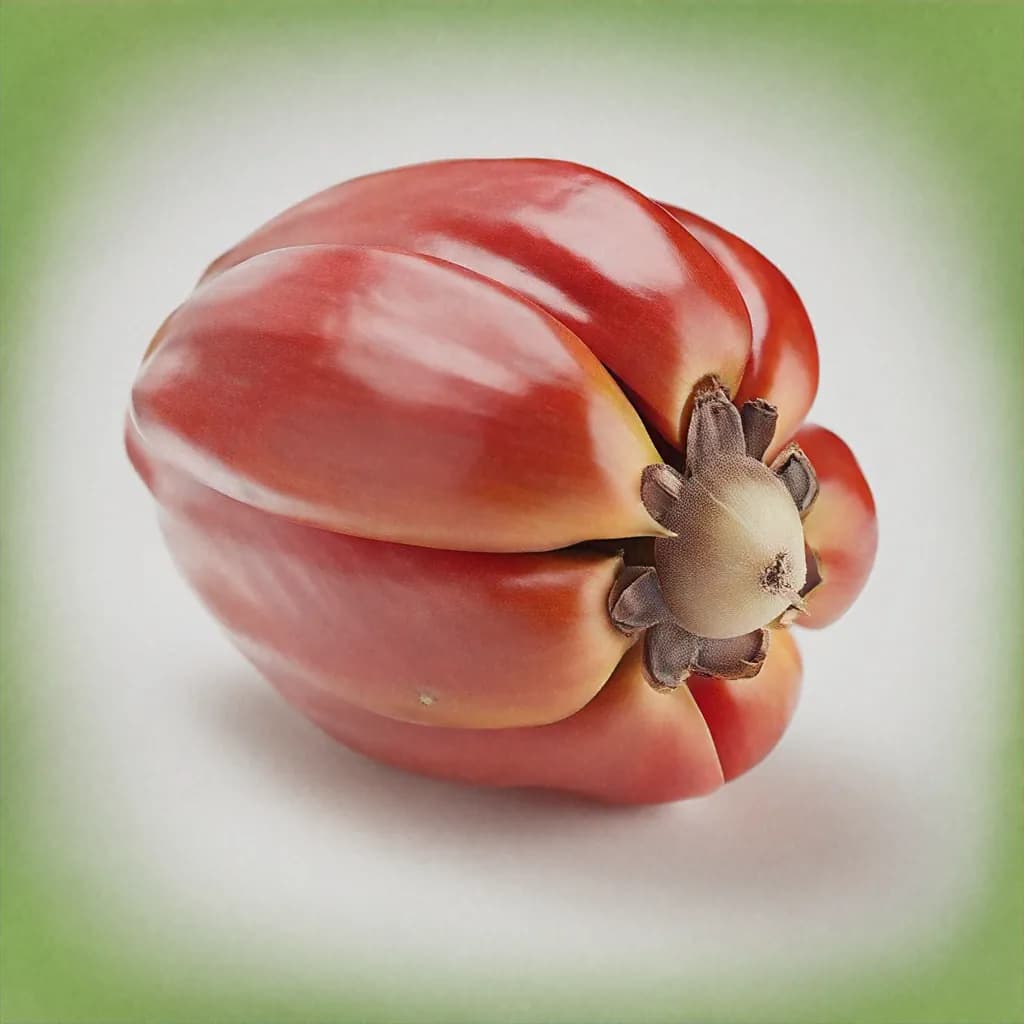
Cashew is a nutrient-dense tree nut superfruit with exceptional copper (67% DV per 100g), excellent zinc (29% DV per 100g), and remarkable mineral complexity. Also known as cashew nut or anacardium, cashew delivers comprehensive nutritional benefits with heart-healthy monounsaturated fats and extensive trace mineral profile. At 553 calories per 100g with excellent fiber content (9% DV) and potent polyphenol profile, cashew is prized in Asian cuisine, contemporary wellness practices, and plant-based nutrition applications worldwide. Perfect for fresh snacking, gourmet cooking, premium oils, and comprehensive health optimization.

Sechium edule
Chayote is a Central American vegetable-fruit renowned for its mild delicate flavor and tender crisp texture. Good source of vitamin C (16% DV) supporting immune function and antioxidant defense. Rich in dietary fiber (1.1g) supporting digestive health and regular bowel function. Contains polyphenols and antioxidants with powerful anti-inflammatory benefits. Very low in calories (19 per 100g) ideal for weight management. Contains potassium supporting heart health and blood pressure regulation. Contains copper supporting collagen synthesis and immune function. Unique organic compounds providing distinctive mild flavor and traditional wellness benefits. Native to Central America, chayote gaining recognition as distinctive versatile vegetable-fruit supporting comprehensive wellness.

Artocarpus integer
Chempedak is a tropical Southeast Asian fruit similar to jackfruit with softer texture and sweeter flavor. Excellent source of vitamin C (26% DV) supporting immune function and antioxidant defense. Rich in carbohydrates (40g) providing sustained energy for active lifestyles. Good source of fiber (4g) supporting digestive health and regular bowel function. Contains potassium (12% DV) supporting heart health and blood pressure regulation. Low in fat (1g) ideal for weight management. Creamy yellow segments with mild sweet tropical flavor. High in tryptophan supporting mood and sleep quality. Native to Malaysia, chempedak gaining popularity worldwide as nutritious tropical superfruit.

Annona cherimola
Cherimoya, known as the 'custard apple,' is an exotic tropical fruit with distinctive green, scaly skin and creamy white flesh offering extraordinary flavor. Often called the finest fruit in the world, cherimoya delivers unique taste combining pineapple, banana, papaya, peach, and strawberry notes with smooth, custard-like texture. This nutrient-dense fruit is exceptionally rich in vitamin C (60% DV per cup), vitamin B6 (31% DV), and fiber (20% DV) while providing important minerals and antioxidants. The luscious, sweet flesh melts in your mouth with complex tropical flavor profile that captivates first-time tasters. Low in fat and cholesterol-free, cherimoya offers guilt-free indulgence at approximately 120 calories per cup. Native to South American highlands, this premium fruit requires careful handling but rewards with unparalleled eating experience that justifies its 'fruit of paradise' reputation.

Prunus avium (sweet), Prunus cerasus (tart)
Cherries are vibrant stone fruits celebrated for their jewel-like appearance, sweet-tart flavor, and remarkable health benefits. These small, round fruits with smooth, glossy skin range from deep red to golden yellow and grow in clusters on ornamental trees that herald spring with stunning blossoms. Rich in antioxidants, particularly anthocyanins and melatonin, cherries support sleep quality, reduce inflammation, and aid post-exercise recovery. Sweet cherries are perfect for fresh eating, while tart cherries excel in cooking and medicinal applications. With origins in ancient Asia Minor and cultivation spanning millennia, cherries remain one of summer's most anticipated seasonal delights.

Cucumis melo var. inodorus
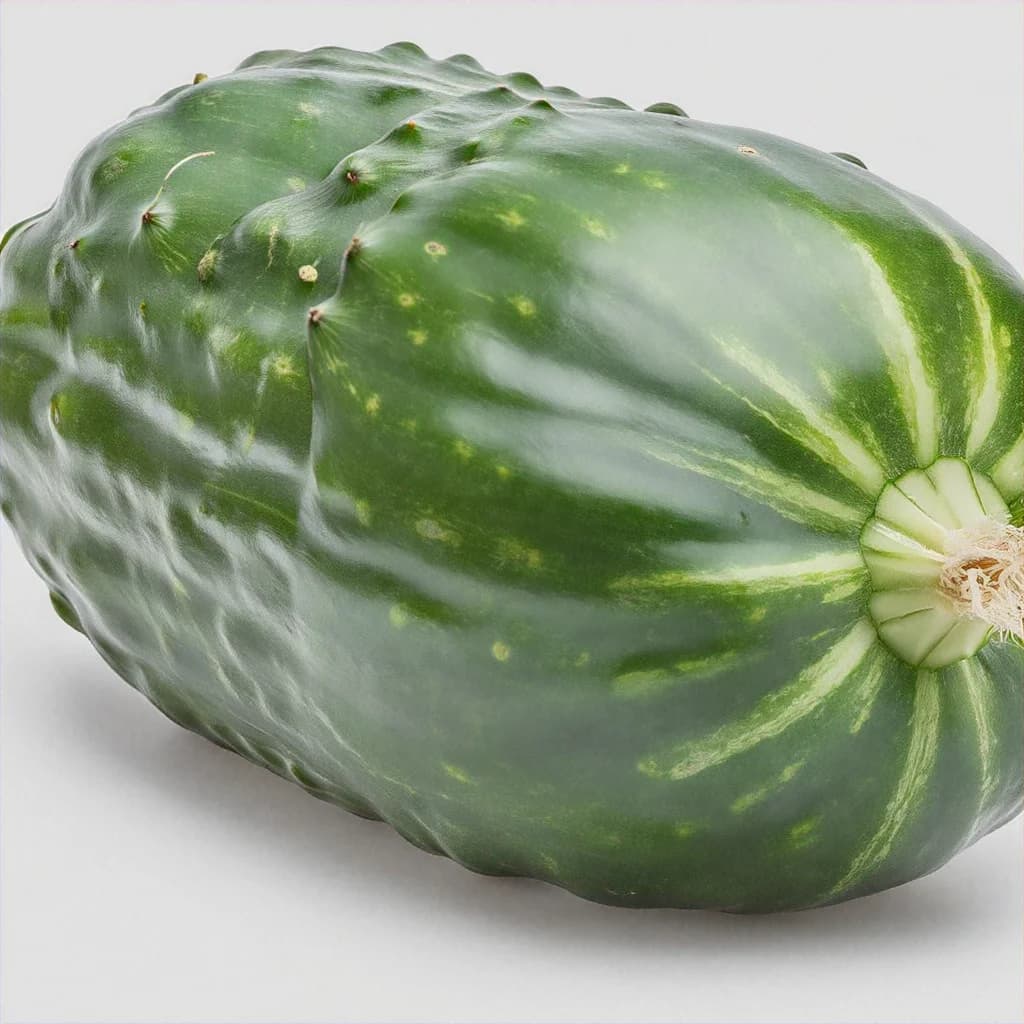
Christmas melon, also known as Santa Claus melon or Piel de Sapo (toad skin), is a distinctive winter melon with mottled green and yellow striped rind resembling watermelon exterior. This large, oval melon offers pale green to white sweet flesh with mild, honeydew-like flavor and crisp, juicy texture. Named for exceptional shelf life allowing fresh melon availability through Christmas holidays and winter months, Christmas melon provides reliable long-term storage (up to 6 weeks refrigerated). Rich in vitamin C, potassium, and highly hydrating with 90% water content, this melon delivers refreshing nutrition at only 36 calories per cup. The sweet, subtle flavor appeals to those preferring mild melon taste without intense sweetness. Available when other melons have disappeared from markets, Christmas melon extends fresh melon season and provides festive healthy option during winter celebrations.

Citrus × clementina
Clementine is a premium seedless citrus fruit celebrated for its intense sweetness, easy peeling, and exceptional vitamin C density. A hybrid between mandarin and sweet orange, clementine delivers powerful immune support, antioxidant protection, and hydration benefits with minimal calories. Providing approximately 48 mg of vitamin C per 100 g (53% DV), along with flavonoids, carotenoids, and natural electrolytes, clementines are widely valued in modern nutrition, wellness routines, and daily fruit consumption. Their low glycemic load, refreshing flavor, and convenience make clementines ideal for healthy snacking, winter nutrition, and family-friendly diets worldwide.

Rubus chamaemorus
Cloudberries are rare, golden-orange berries native to Arctic and subarctic regions, prized for their unique tart-sweet flavor and exceptional antioxidants. Rich in vitamin C (44% DV), ellagic acid, and ellagitannins, cloudberries offer powerful anti-inflammatory and immune-supporting benefits. With only 34 calories per 100g and notable fiber content, they're perfect for jams, liqueurs, desserts, and fresh consumption. Their scarcity and distinctive taste make them a gourmet treasure. Perfect for those seeking premium Nordic flavors and superior antioxidant benefits.

Cocos nucifera
Coconuts are tropical drupes with hard brown shells containing white flesh and nutritious water. Rich in medium-chain triglycerides (MCTs), fiber, and manganese supporting energy and metabolism. Excellent source of manganese (26% DV) for bone health and antioxidant support. Contains lauric acid with potential antimicrobial properties. Native to Southeast Asia, coconuts thrive in tropical coastal climates and provide versatile superfruit benefits from fresh consumption to oil and milk applications.

Vitis labrusca
Concord grape is a deeply colored, antioxidant-rich grape variety best known for its bold flavor, natural sweetness, and exceptional polyphenol content. Native to North America, Concord grapes are especially prized for their high concentration of resveratrol, anthocyanins, and flavonoids that support heart health, brain function, and cellular protection. With moderate calories, good fiber, and natural fruit sugars, Concord grapes are widely used in juices, jams, and wellness-focused diets. Their intense purple skin and aromatic pulp make them one of the most nutritionally studied grapes in modern nutrition science and functional food research.

Vaccinium macrocarpon
Cranberries are small, tart, bright red berries native to North American bogs and wetlands. These nutrient-dense fruits are renowned for their distinctive sharp, acidic flavor and impressive health benefits, particularly for urinary tract health. Rich in vitamin C, fiber, and unique antioxidants called proanthocyanidins (PACs), cranberries offer powerful anti-inflammatory and antibacterial properties. While too tart to eat raw, cranberries shine in sauces, juices, baked goods, and dried snacks. Fresh cranberries are available during fall harvest season (September-December), while dried, frozen, and juice products provide year-round access to their exceptional nutritional profile.

Cucumis melo (Crenshaw group)
Crenshaw melon is a premium hybrid melon known for its exceptionally sweet flavor, juicy texture, and rich aroma. A cross between casaba and Persian melon, Crenshaw melon delivers excellent vitamin C (30% DV per 100g), solid vitamin A support, and high hydration benefits. With its pale green flesh, fragrant sweetness, and smooth yellow-green rind, Crenshaw melon is prized in summer nutrition, hydration-focused diets, and fresh culinary applications. At approximately 34 calories per 100g with high water content, Crenshaw melon supports immune health, skin wellness, and overall hydration while offering a naturally refreshing taste.

Empetrum nigrum
Crowberry is a small, dark purple-black berry native to Arctic and sub-Arctic regions with remarkable antioxidant density and distinctive tart flavor. Rich in anthocyanins and vitamin C (40% DV), crowberries support eye health, immune function, and cardiovascular wellness. At 23 calories per 100g with excellent fiber content (3.6g) and exceptional polyphenol concentration, crowberries are treasured in traditional Scandinavian, Nordic, and Indigenous cuisine. Perfect for fresh eating, jams, traditional beverages, and culinary innovations.

Theobroma grandiflorum
Cupuaçu is a prized Amazonian superfruit known for its creamy pulp, exotic chocolate-pineapple flavor, and impressive antioxidant profile. Closely related to cacao, cupuaçu is rich in vitamin C, dietary fiber, polyphenols, and essential minerals that support immunity, skin health, digestion, and cardiovascular wellness. Widely used in Brazilian cuisine, cupuaçu is consumed in juices, desserts, butters, and functional foods. With moderate calories, low glycemic impact, and unique phytonutrients, cupuaçu is gaining global recognition in modern nutrition and clean-label wellness applications.

Annona squamosa
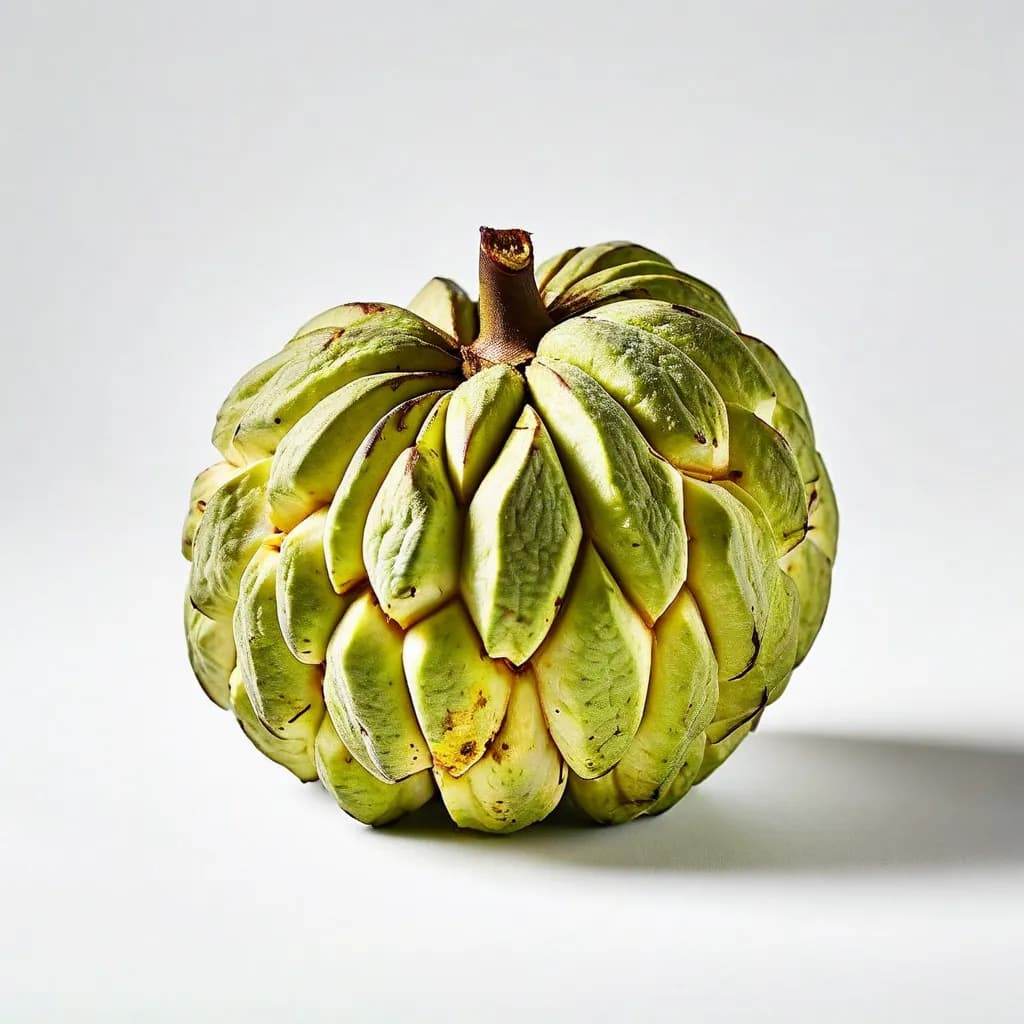
Custard apple, also called sugar apple or sweetsop, are heart-shaped fruits with bumpy green skin and creamy white custard-like flesh featuring intensely sweet vanilla-like flavor and exceptional creaminess. Native to South America, custard apples thrive in tropical and subtropical climates with warm temperatures and moderate moisture. Each fruit delivers impressive nutritional benefits - excellent vitamin C (19% DV per 100g) supporting immune function and antioxidant protection, vitamin B6 (11% DV) for nervous system and brain function, copper (8% DV) for collagen and immune support, and valuable polyphenols including kaempferol for antioxidant defense. Creamy white flesh with vanilla-like sweetness complements fresh consumption and diverse culinary applications. High natural sugar content provides energy supporting active lifestyles. Custard apples support antioxidant defense, neurological wellness, and energy metabolism through comprehensive nutrient profile. Traditional South American and Asian use documented in ancient texts supporting wellness and nourishment. Custard apples represent tropical superfruit combining concentrated nutrition, exceptional sweetness, tropical cultivation adaptability, and culinary versatility making them increasingly popular worldwide.

Prunus domestica subsp. insititia
Damson plum is a small, dark purple-blue stone fruit celebrated for its intense tart flavor, deep antioxidant concentration, and traditional culinary and medicinal uses. A historic variety of European plum, damsons are exceptionally rich in polyphenols, anthocyanins, and dietary fiber, supporting digestive health, cardiovascular wellness, and cellular protection. Providing approximately 10 mg of vitamin C (11% DV per 100g), along with potassium, vitamin K, and natural sorbitol, damson plums are valued in nutrition science, heritage food cultures, and modern wellness diets. With low fat, moderate natural sugars, and high phytonutrient density, damson plums are ideal for preserves, cooking, and antioxidant-focused nutrition.

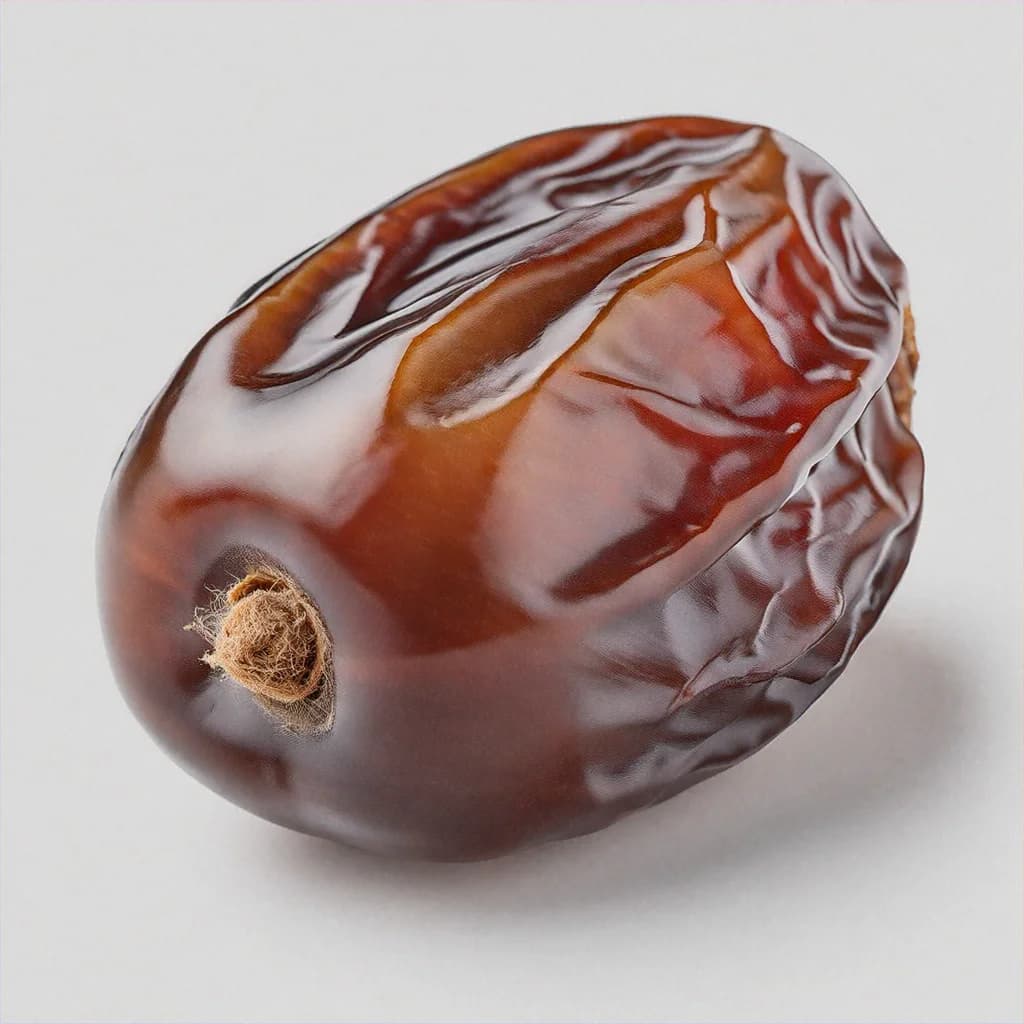
Phoenix dactylifera
Dates are sweet, chewy fruits from the date palm tree, one of humanity's oldest cultivated foods with over 7,000 years of history in Middle Eastern and North African regions. These nutrient-dense fruits offer naturally concentrated sweetness, making them nature's candy with remarkable health benefits. Rich in natural sugars (primarily glucose, fructose, and sucrose), dates provide quick, sustained energy while delivering impressive nutritional profile including fiber (20% DV per 100g), potassium (20% DV), magnesium (13% DV), and vitamin B6 (12% DV). The chewy, caramel-like texture and complex sweet flavor with hints of honey, toffee, and brown sugar make dates versatile ingredient for both sweet and savory applications. Available in numerous varieties from soft Medjool ("king of dates") to semi-dry Deglet Noor, dates serve as natural sweetener, energy booster, and wholesome snack. Despite high natural sugar content (66-75g per 100g), dates offer low glycemic index (42) and substantial fiber, moderating blood sugar impact. Ancient superfood revered in Middle Eastern, Mediterranean, and Islamic cultures, dates provide concentrated nutrition, antioxidants, and minerals supporting digestive health, heart function, bone strength, and energy metabolism.

Davidsonia jerseyana
Davidson plum is a rare Australian rainforest superfruit celebrated for its intense tart flavor, deep purple color, and exceptional antioxidant density. Native to eastern Australia, Davidson plum delivers high vitamin C (50% DV per 100g), outstanding anthocyanins, and powerful polyphenols that support immune health, cardiovascular function, and cellular protection. With low sugar, moderate fiber, and a very low glycemic load, Davidson plum is widely used in functional foods, gourmet cuisine, sauces, and wellness formulations. Ideal for antioxidant support, metabolic health, and inflammation management.

Citrus glauca
Desert lime is a uniquely Australian native citrus superfruit with exceptional vitamin C (52% DV per 100g), distinctive tart-sweet character, and rich Aboriginal heritage spanning thousands of years. Also known as Australian desert lime or native lime, desert lime delivers comprehensive nutritional benefits with remarkable resilience in arid environments. At 42 calories per 100g with 88% water content and potent antioxidant profile, desert lime is prized in contemporary Australian cuisine, indigenous food traditions, and sustainable agriculture applications. Perfect for culinary innovation, premium beverages, gourmet cooking, and comprehensive wellness optimization.

Hylocereus undatus, Hylocereus costaricensis
A visually stunning tropical superfruit, also known as pitaya, famous for its vibrant pink or yellow skin and speckled white or magenta flesh. Dragon fruit offers a mild, refreshing sweetness similar to a blend of kiwi and pear, making it perfect for smoothie bowls, salads, and fresh eating. This exotic cactus fruit is packed with antioxidants, fiber, and essential minerals, supporting gut health, immune function, and hydration. Native to Central America but now cultivated extensively in Southeast Asia, dragon fruit has become a global favorite for its unique appearance and impressive nutritional profile.

Durio zibethinus
Durian, crowned "King of Fruits" in Southeast Asia, is large, spiky tropical fruit famous for paradoxical combination of notoriously pungent odor and extraordinarily rich, creamy flavor that inspires devoted following despite polarizing smell. This formidable fruit, encased in thick, thorn-covered husk, reveals pale yellow to golden custard-like flesh with complex sweet taste combining notes of sweet cream, caramel, almond, garlic, and chives - flavor profile unlike any other fruit. Despite infamous smell described as everything from rotten onions to gym socks, durian offers exceptional nutritional value providing impressive amounts of vitamin C (33% DV per cup), thiamin (39% DV), vitamin B6 (25% DV), potassium (16% DV), and dietary fiber (15% DV). The creamy, rich texture and high natural fat content (5g per 100g) distinguish durian from typical low-fat fruits, contributing to satiety and unique mouthfeel. Revered throughout Malaysia, Thailand, Indonesia, and Singapore where durian season triggers passionate fruit hunts and premium varieties command extraordinary prices, this controversial delicacy divides opinion sharply - people either love durian intensely or find it utterly repulsive with little middle ground. Beyond polarizing aroma, durian provides substantial energy (147 calories per 100g), powerful antioxidants, and traditional medicine applications for fever and ailments.

Pouteria campechiana
Egg fruit is a tropical fruit with bright yellow flesh and a unique, sweet flavor. It is a good source of vitamin A (60% DV), vitamin C (15% DV), and fiber (12% DV), supporting vision, immunity, and digestion. Low in calories (140 per 100g), egg fruit is ideal for healthy snacking and adding variety to recipes. Enjoyed fresh or in smoothies, it is valued for its nutrition and versatility.

Sambucus nigra
Elderberries are small, dark purple berries prized for their powerful antioxidants and traditional immune-supporting properties. Rich in anthocyanins (more than blueberries), vitamin C (35% DV), and vitamin A (6% DV), elderberries deliver exceptional anti-inflammatory benefits. With only 73 calories per 100g and virtually no fat, elderberries are ideal for syrups, jams, teas, and supplements. Traditionally used in folk medicine for centuries, they're perfect for supporting wellness during cold and flu seasons.

Acca sellowiana
Feijoa is a South American tropical fruit renowned for its unique pineapple-guava flavor and creamy smooth texture. Good source of vitamin C (20% DV) supporting immune function and antioxidant defense. Rich in dietary fiber (6.4g) supporting digestive health and regular bowel function. Contains polyphenols and antioxidants with powerful anti-inflammatory benefits. Very low in calories (55 per 100g) ideal for weight management. Contains potassium supporting heart health and blood pressure regulation. Contains copper supporting collagen synthesis and immune function. Unique aromatic compounds providing distinctive flavor and traditional wellness benefits. Native to South America, feijoa gaining international recognition as distinctive exotic fruit supporting comprehensive wellness.

Ficus carica
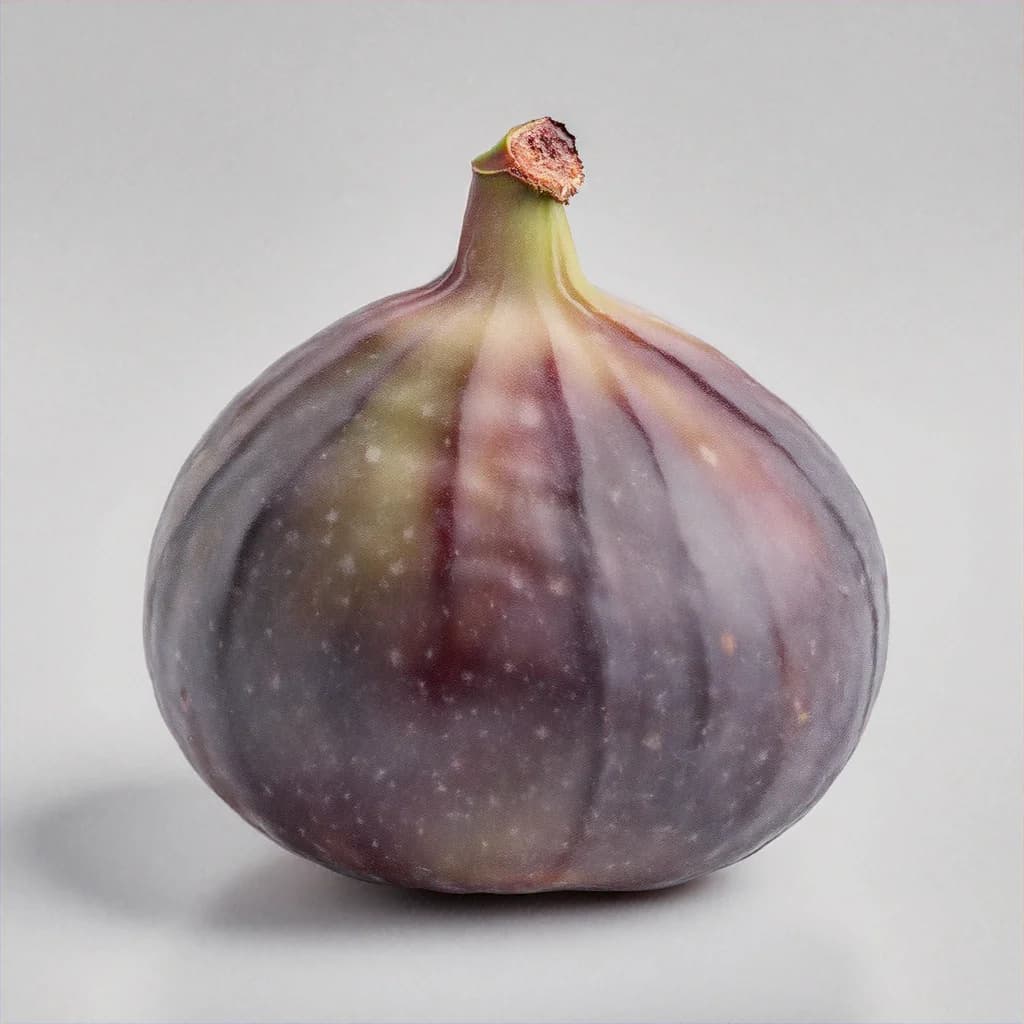
Figs are ancient, uniquely sweet fruits with honey-like flavor and distinctive soft, jammy texture studded with tiny edible seeds creating pleasant crunch. These teardrop-shaped delicacies, cultivated for over 5,000 years in Mediterranean and Middle Eastern regions, offer dual identity as fresh seasonal treat (available late summer/early fall) and widely accessible dried fruit providing year-round nutrition. Fresh figs reveal tender, edible skin ranging from green to deep purple encasing luscious pink to amber flesh that tastes like nature's candy with notes of honey, berry, and subtle earthiness. Dried figs concentrate sweetness and nutrients into chewy, portable snack. Both forms deliver impressive nutritional benefits including exceptional fiber (29% DV per cup dried figs), substantial potassium (15% DV), calcium (24% DV dried), and powerful antioxidants. Figs hold special cultural and religious significance appearing prominently in Bible, ancient texts, and Mediterranean traditions. The unique botanical structure - figs are actually inverted flowers pollinated by specialized wasps creating symbiotic relationship - makes them fascinating beyond culinary appeal. Low in calories when fresh (74 per 100g) yet satisfyingly sweet, figs provide natural energy, support digestive health, and offer minerals often lacking in modern diets. Whether enjoyed fresh off the tree, dried for convenience, or incorporated into both sweet and savory dishes, figs combine exquisite taste with substantial health benefits.

Citrus australasica
Finger limes are unique Australian citrus fruits with elongated finger-shaped form and distinctive capsule-shaped juice vesicles creating caviar-like texture. Excellent source of vitamin C (24% DV) supporting immune function and antioxidant defense. Rich in fiber and low in calories (30 per 100g) supporting digestive health. Contains citric acid and essential oils with potential antimicrobial properties. Native to Australia, finger limes thrive in subtropical climates and provide gourmet superfruit benefits with distinctive appearance and refreshing citrus flavor.

Prunus persica var. platycarpa
Flat peach, also known as donut peach or Saturn peach, is a distinctive heirloom peach variety recognized for its flattened shape, ultra-sweet flavor, and low acidity. With tender, aromatic flesh and a small pit, flat peach delivers a superior eating experience prized in gourmet fruit markets. Rich in vitamin C, beta-carotene, potassium, and polyphenol antioxidants, flat peach supports immune health, skin vitality, and heart wellness. At approximately 39 calories per 100g with good fiber content and high water concentration, flat peach is ideal for fresh snacking, summer hydration, and wellness-focused nutrition.

Diospyros kaki var. fuyu
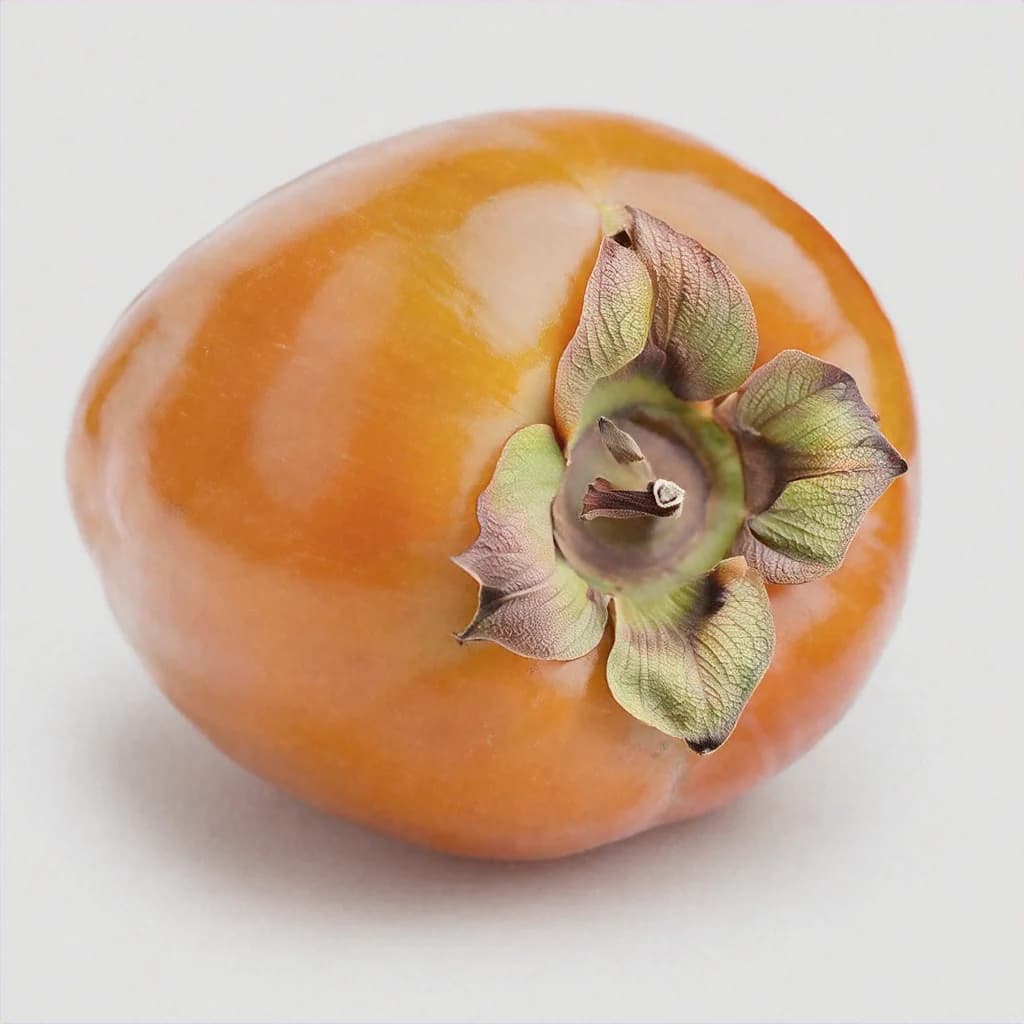
Fuyu persimmon is a sweet non-astringent temperate fruit with crisp texture and honey-like flavor. Excellent source of vitamin C (27% DV) supporting immune function and antioxidant defense. Rich in vitamin A (55% DV) supporting vision health and immune function. Good source of fiber (3.6g) supporting digestive health and regular bowel function. Contains potassium (8% DV) supporting heart health and blood pressure regulation. Low in fat (0.2g) ideal for weight management. High in tannins and carotenoids with powerful antioxidant benefits. Creamy orange flesh with smooth texture. Native to East Asia, Fuyu persimmons gaining recognition as nutritious autumn superfruit supporting wellness.

Momordica cochinchinensis
Gac fruit is a spiky, bright orange Southeast Asian superfruit prized for its exceptional lycopene and beta-carotene content, supporting vision, immune function, and cardiovascular health. Rich in vitamin A (273% DV) and lycopene, gac delivers remarkable antioxidant power at just 20 calories per 100g with beneficial fat-soluble nutrients. Revered in traditional Vietnamese, Cambodian, and Thai cuisines, gac is increasingly recognized by nutritionists as one of Earth's most nutrient-dense fruits. Perfect for traditional sticky rice, modern smoothies, and health-focused culinary applications.

Actinidia chinensis
Golden kiwi is a sweet, tropical-flavored fruit with smooth golden skin and vibrant yellow flesh. It is rich in vitamin C (100% DV), provides fiber (8% DV), and potassium (6% DV), supporting immunity, digestion, and heart health. Low in calories (60 per 100g), golden kiwis are ideal for healthy snacking and boosting antioxidant intake. Enjoyed fresh or in recipes, golden kiwis are prized for their taste and nutrition.

Ribes uva-crispa (European) / Ribes hirtellum (American)
Gooseberries are tart, tangy berries varying from bright green to red, purple, or yellow depending on variety and ripeness, offering crisp flesh and distinctive mouth-puckering flavor beloved in cooking and increasingly appreciated fresh. These marble-sized berries, closely related to currants (both Ribes genus), have been cultivated for over 1,000 years throughout Europe and Asia, with dual reputation as cooking ingredient prized in British and Northern European cuisine and increasingly popular fresh snacking fruit as consumers discover their nutritional richness. The berry's intense tartness mellows into complex sweetness as it ripens, creating variable flavor profile - underripe gooseberries deliver assertive acidic punch ideal for jams and desserts, while ripe gooseberries achieve balanced sweet-tart harmony perfect for fresh eating. Gooseberries offer impressive nutritional profile with exceptional vitamin C content (rivals citrus fruits), significant fiber, moderate potassium, and powerful antioxidants. The berry's thin skin (lacking the waxy coating of many berries) and delicate structure make them delicate to transport, limiting fresh market availability outside major growing regions. However, frozen and canned gooseberries preserve nutritional value excellently for year-round access. Both green and red varieties provide health benefits, though red/pink gooseberries contain additional anthocyanin antioxidants. Gooseberries deserve greater recognition as versatile superfruit combining culinary flexibility with substantial nutritional value.

Flacourtia indica
Governor's plum is a small, dark purple tropical fruit native to Asia with robust antioxidant content and distinctive sweet-tart flavor. Rich in vitamin C (28% DV) and polyphenols, governor's plum supports immune health, digestion, and antioxidant protection. At 45 calories per 100g with excellent fiber content (2.8g) and traditional medicinal properties, governor's plums are treasured in Southeast Asian, Indian, and African cuisines. Perfect for fresh eating, jams, traditional preparations, and nutritional wellness applications.

Citrus × paradisi
Grapefruit is a large, tangy citrus fruit with a distinctive bittersweet flavor profile ranging from tart to sweet depending on variety. Available in colors from white and pink to deep ruby red, grapefruits are nutritional powerhouses packed with vitamin C, vitamin A, fiber, and unique antioxidants like lycopene (in red varieties). Known for supporting weight loss, boosting immunity, and promoting heart health, grapefruit offers exceptional nutritional benefits with very few calories. The fruit's refreshing tartness makes it perfect for breakfast, salads, juices, and cocktails. Available year-round with peak season in winter and spring, grapefruit provides a zesty, energizing start to any day.

Vitis vinifera
Grapes are small, sweet, juicy berries that grow in clusters on vines and come in various colors including green, red, purple, and black. Cultivated for thousands of years, grapes are enjoyed fresh as table grapes, dried as raisins, or fermented into wine and juice. Rich in powerful antioxidants like resveratrol, quercetin, and anthocyanins, grapes offer impressive cardiovascular and anti-aging benefits. With natural sugars for quick energy, vitamin C for immunity, and vitamin K for bone health, grapes are both delicious and nutritious. Available year-round from different global regions, grapes provide convenient, portable nutrition perfect for snacking, cooking, or entertaining.

Malus domestica
Green apples are crisp tart fruits with bright green skin and firm white flesh featuring distinctive tangy-sweet flavor profile with high acidity and refreshing taste. Native to Central Asia, green apples thrive in temperate climates with distinct seasons and moderate chilling hours. Each fruit delivers impressive nutritional benefits - excellent vitamin C (5% DV per 100g) supporting immune function and antioxidant protection, potassium (3% DV) for heart health and muscle function, fiber (2.4g) for digestive wellness, and valuable polyphenols including quercetin and catechin for antioxidant defense. Crisp firm texture with tart-sweet flavor complements fresh consumption and diverse culinary applications. Lower sugar content compared to red apples supports blood sugar management. Green apples support digestive health, antioxidant defense, and metabolic wellness through comprehensive nutrient profile. Traditional wisdom validated by modern nutrition science regarding apple health benefits. Green apples represent versatile temperate fruit combining excellent nutrition, refreshing flavor, broad climate adaptability, and culinary diversity making them globally popular year-round fruit.

Cocos nucifera (immature)
Green coconuts are immature coconuts harvested 6-9 months after flowering featuring tender green husks, gelatinous white flesh, and exceptionally refreshing nutrient-rich coconut water. These tropical stage fruits represent ultimate hydration source with electrolyte-rich water naturally sterile and perfectly balanced for rehydration. Harvested young for tender meat and abundant water content, green coconuts deliver nutritional profile distinct from mature coconuts - superior hydration properties, bioavailable electrolytes (potassium, sodium, magnesium), and pure coconut water containing cytokinins with anti-aging properties. The tender coconut meat offers delicate creamy texture ideal for fresh consumption or blending into desserts. Green coconuts dominate tropical regions where they represent primary hydration source predating modern beverage technology. Traditional use spans millennia across Southeast Asia, India, and Pacific regions with modern science validating exceptional health properties. Green coconuts combine exotic tropical appeal with exceptional nutritional hydration making them sought-after wellness fruit. Perfect post-exercise rehydration, natural sports drink alternative, and premium wellness beverage. Green coconuts represent ultimate fusion of hydration, nutrition, and tropical refreshment in single nutrient-dense package.

Prunus domestica subsp. italica
Greengage is a premium European plum variety renowned for its vibrant green skin, exceptionally sweet honey-like flavor, and high nutritional density. Often regarded as one of the finest dessert plums, greengage delivers a powerful combination of natural sugars, dietary fiber, polyphenol antioxidants, and essential vitamins. Providing approximately 9.5 mg of vitamin C (11% DV per 100g), along with potassium, vitamin K, and carotenoid compounds, greengage supports digestive health, cardiovascular wellness, and cellular protection. With moderate calories, low fat, and a rich phytonutrient profile, greengage is prized in gourmet cuisine, traditional European diets, and modern wellness nutrition.

Paullinia cupana
Guarana is a powerful Amazonian superfruit best known for its naturally high caffeine content and exceptional antioxidant profile. Native to the Amazon rainforest, guarana seeds have been traditionally used for centuries to enhance energy, focus, and endurance. Unlike synthetic stimulants, guarana provides slow-releasing caffeine combined with polyphenols and tannins, offering sustained mental alertness without sudden crashes. With low calories and minimal sugar, guarana is widely used in functional beverages, supplements, and sports nutrition for natural energy and cognitive support.

Psidium guajava
Guava is a tropical fruit with edible seeds, ranging from round to pear-shaped, with green to yellow skin and white to pink or deep red flesh. Known for its distinctive sweet-tart tropical flavor combining notes of strawberry, pear, and citrus, guava is exceptionally rich in vitamin C (contains 4x more than oranges), fiber, and powerful antioxidants like lycopene. The entire fruit is edible including the nutrient-dense skin and crunchy seeds. Guava supports immune health, digestive wellness, and blood sugar management while offering anti-inflammatory and antimicrobial properties. Popular fresh, juiced, or made into paste, jam, and desserts, guava brings tropical nutrition and exotic flavor to any meal.

Pandanus amaryllifolius
Hala fruit is a distinctive tropical fruit from Southeast Asia and Pacific Islands with unique nutritional profile and aromatic properties. Rich in fiber (4.2g per 100g) and beneficial compounds, hala fruit supports digestive health, blood sugar balance, and traditional wellness practices. At 50 calories per 100g with excellent micronutrient content and adaptogenic properties, hala is revered in traditional Southeast Asian and Pacific Island cuisines. Perfect for traditional preparations, modern culinary applications, and comprehensive nutritional wellness.

Crataegus spp.
Hawthorn berry is a small, tart, nutrient-rich fruit widely recognized for its powerful cardiovascular benefits and traditional medicinal use. Belonging to the genus Crataegus, hawthorn berries are packed with potent antioxidants, flavonoids, and polyphenols that support heart health, circulation, and overall metabolic wellness. Low in calories yet rich in fiber and vitamin C, hawthorn berry has been used for centuries in traditional European and Chinese medicine to promote healthy blood pressure, improve digestion, and enhance vitality. Its unique phytochemical profile makes hawthorn berry a prized functional fruit in modern wellness, herbal nutrition, and preventive health practices.

Corylus avellana
Hazelnuts are nutrient-dense tree nuts rich in healthy monounsaturated fats supporting heart health and cardiovascular function. Excellent source of vitamin E (20% DV) and manganese (87% DV) providing antioxidant defense and metabolic support. Rich in fiber, plant protein, and polyphenols supporting digestive health and disease prevention. Low glycemic index (15) making hazelnuts ideal for blood sugar management. Native to Mediterranean and temperate regions, hazelnuts provide sustained energy and versatile culinary applications with distinctive rich flavor.

Spondias mombin
Hog plums are tropical stone fruits with distinctive tart-sweet flavor and golden-yellow color. Exceptional source of vitamin C (32% DV) supporting immune function and antioxidant defense. Rich in fiber (3.9g) supporting digestive health and regularity. Contains phenolic compounds with antioxidant and anti-inflammatory benefits. Low calorie (46 per 100g) ideal for weight management. High water content (85%) supporting hydration. Native to Central and South America, hog plums thrive in tropical climates providing versatile culinary applications with distinctive tropical flavor.

Lonicera caerulea
Honeyberries are nutrient-dense berries with distinctive sweet-tart flavor and deep purple color. Exceptional source of vitamin C (35% DV) supporting immune function and antioxidant defense. Rich in anthocyanins and polyphenols providing powerful antioxidant protection and anti-inflammatory benefits. High in fiber (3.6g) supporting digestive health and gut microbiome. Low calorie (72 per 100g) with low glycemic index making berries ideal for blood sugar management. Native to Siberia and Far East Russia, honeyberries thrive in cold climates offering early season harvests with superfruit benefits.

Cucumis melo
Honeydew melons are large melons with pale green or yellow smooth rind and sweet pale green flesh featuring high water content. Excellent hydration source with 90% water content supporting fluid balance and electrolyte management. Rich in vitamin C (14% DV) for immune support and potassium (10% DV) for cardiovascular health. Contains folate and B vitamins supporting energy metabolism and cellular function. Native to Africa and Asia, honeydew melons thrive in warm climates and provide refreshing superfruit benefits ideal for summer nutrition.

Cucumis metuliferus
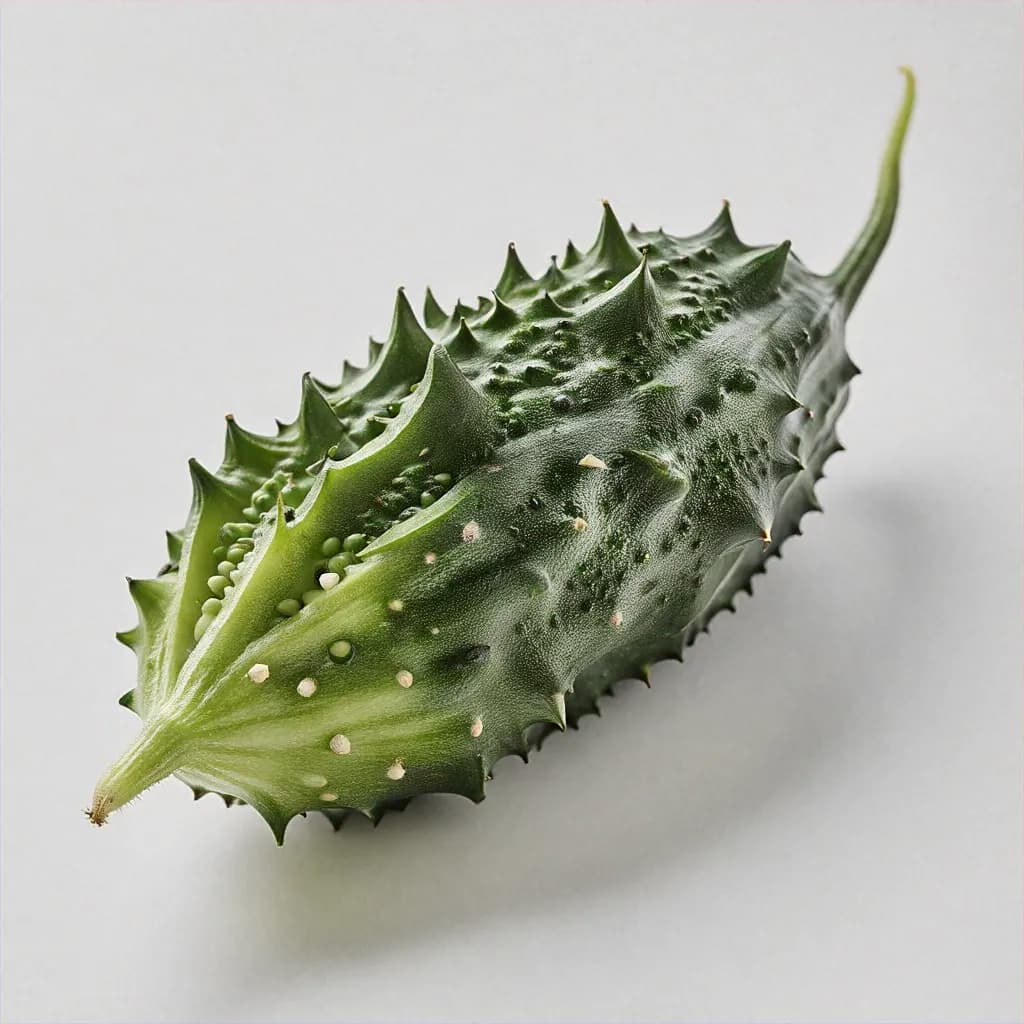
Horned melons are exotic tropical fruits with distinctive spiky yellow-orange rind and bright green gelatinous flesh featuring unique tropical flavor. Excellent hydration source with 88% water content supporting fluid balance and electrolyte management. Rich in vitamin C (13% DV) for immune support and low in calories (44 per 100g). Contains antioxidants and phytonutrients supporting cellular health. Native to Africa, horned melons thrive in warm climates and provide exotic superfruit benefits with distinctive appearance and refreshing tropical flavor profile.

Syzygium samarangense
Ice apple is a tropical fruit with crisp refreshing texture and mild sweet flavor. Exceptional source of vitamin C (20% DV) supporting immune function and antioxidant defense. Very high water content (93%) providing superior hydration for hot climates and athletic performance. Excellent source of potassium (12% DV) supporting heart health and electrolyte balance. Good source of fiber (3g) supporting digestive health and regular bowel function. Extremely low calorie (25 per 100g) ideal for weight management and hydration. Bell-shaped fruit with waxy skin and crisp white flesh. Native to Southeast Asia, ice apple gaining recognition as perfect summer hydration fruit supporting wellness.

Inga edulis
Ice Cream Bean is a unique tropical fruit known for its long green pods filled with soft, white, cottony pulp that tastes remarkably like vanilla ice cream. Native to South America, ice cream bean is a low-fat, fiber-rich fruit that provides steady energy, digestive support, and beneficial minerals such as potassium and magnesium. With moderate natural sugars, good fiber content (10% DV per 100g), and antioxidant compounds, ice cream bean is valued in traditional diets, sustainable agroforestry systems, and functional nutrition. Ideal for fresh consumption, natural desserts, and tropical wellness diets.

Podocarpus elatus
Illawarra plum is a distinctive dark purple Australian native fruit with exceptional nutritional profile and antioxidant density. Rich in vitamin C (52% DV) and polyphenols, illawarra plum supports immune health, antioxidant protection, and traditional wellness practices. At 60 calories per 100g with excellent fiber content (3.9g) and traditional Aboriginal medicinal properties, illawarra plums are celebrated in Australian indigenous cuisine and increasingly recognized by nutritionists. Perfect for fresh eating, traditional preparations, modern culinary applications, and comprehensive nutritional wellness.

Plinia cauliflora
Jabuticaba is a distinctive Brazilian grape-like fruit with exceptional antioxidant content and complex flavor profile. Rich in vitamin C (33% DV) and polyphenols, jabuticaba supports immune health, antioxidant protection, and cardiovascular wellness. At 44 calories per 100g with excellent fiber content (2.6g) and traditional Brazilian medicinal properties, jabuticabas are celebrated in Brazilian and South American cuisines. Perfect for fresh eating, traditional preparations, jams, modern culinary applications, and comprehensive nutritional wellness.

Artocarpus heterophyllus
Jackfruit is colossal, exotic tropical fruit renowned as world's largest tree fruit, reaching up to 80 pounds and 3 feet long with bumpy, knobby golden-green exterior resembling armored medieval weapon. These impressive fruits, native to South Asia (particularly India, Bangladesh, Indonesia), offer dual culinary identity - immature unripe jackfruit provides meaty, fiber-rich texture ideal for savory applications (particularly vegan meat substitute prized in plant-based cuisine), while ripe sweet jackfruit delivers custard-like creamy segments tasting of mango, pineapple, and banana with subtle floral notes. The massive fruit contains numerous seed compartments encased in thick rind, each compartment holding seeds surrounded by edible aromatic flesh. Jackfruit's versatility extends from culinary adaptability to nutritional richness - excellent fiber content (especially unripe), substantial carbohydrates, and diverse micronutrients including vitamin C, vitamin B6, potassium, and manganese. The fruit's sustainability advantage includes thriving in tropical climates with minimal chemical inputs, perennial tree with 30+ year productive lifespan, and seeds also edible when roasted. Jackfruit represents superfood combining culinary flexibility, nutritional value, and environmental sustainability while introducing international food culture and culinary innovation to global audiences discovering this remarkable tropical treasure.

Syzygium cumini
Jamun (Jambul), also called java plum or black plum, are small elongated dark purple-black berries featuring juicy sweet flesh, mild aromatic flavor, and concentrated nutritional density representing traditional South Asian superfruit cultivated for millennia. Native to South Asia, jamun thrives in tropical and subtropical climates with consistent warmth and humidity. Each fruit delivers impressive nutritional benefits - exceptional vitamin C (27% DV per 100g) supporting immune function and antioxidant protection, copper (5% DV) for collagen and immune support, manganese (6% DV) for bone health and metabolism, and valuable polyphenols including anthocyanins and ellagic acid for antioxidant defense. Juicy sweet flesh with mild aromatic flavor complements fresh consumption and diverse culinary applications. Dark purple-black color indicates high anthocyanin content providing superior antioxidant defense. Jamun supports antioxidant defense, blood sugar management, and anti-inflammatory response through comprehensive polyphenolic profile. Traditional Ayurvedic and South Asian medicine used jamun for centuries supporting digestive and blood sugar wellness. Jamun represents traditional superfruit combining concentrated nutrition, blood sugar support, tropical cultivation adaptability, and culinary versatility making them increasingly popular global superfruit.

Genipa americana
Jenipapo is a South American tropical fruit with dark purple-black flesh and mild sweet flavor. Good source of vitamin C (18% DV) supporting immune function and antioxidant defense. Rich in fiber (7.3g) supporting digestive health and regular bowel function. Excellent source of potassium (14% DV) supporting heart health and electrolyte balance. Contains unique anthocyanin compounds with powerful antioxidant benefits. Low calorie (60 per 100g) ideal for weight management. Creamy texture with distinctive earthy-sweet taste. Used traditionally for natural dye production and medicinal purposes. Native to Amazon rainforest, jenipapo gaining recognition as nutritious South American superfruit supporting health.

Spondias purpurea
Jocote is a Central American tropical fruit renowned for its tart tangy flavor and juicy crisp texture. Good source of vitamin C (25% DV) supporting superior immune function and antioxidant defense. Rich in dietary fiber (1.6g) supporting digestive health and regular bowel function. Contains polyphenols and antioxidants with powerful anti-inflammatory benefits. Very low in calories (46 per 100g) ideal for weight management. Contains potassium supporting heart health and blood pressure regulation. Contains copper supporting collagen synthesis and immune function. Unique organic acids providing distinctive flavor and traditional digestive benefits. Native to Central America, jocote gaining recognition as distinctive tropical fruit supporting comprehensive wellness.

Ziziphus jujuba
Jujubes are small, mahogany-brown to dark red date-like fruits with sweet, mildly tart flavor and distinctive chewy-crispy texture combining soft interior with slightly waxy exterior skin. These marble-to-plum-sized fruits, native to China and cultivated throughout Asia for over 4,000 years, offer complex taste profile resembling combination of dates, apples, and subtle tropical notes with honey-like sweetness. Fresh jujubes provide crisp, refreshing eating experience with mild tartness balancing underlying sweetness, while dried jujubes concentrate flavor into intense, sweet, date-like product. Jujubes hold profound cultural and medicinal significance throughout Asia, particularly in Traditional Chinese Medicine where they're prized as digestive aid, immune booster, and calming agent supporting sleep and nervous system health. The fruit delivers impressive nutritional profile with exceptional vitamin C content (rivals many citrus fruits), substantial carbohydrates for sustained energy, and diverse phytonutrients including polyphenols with powerful antioxidant and anti-inflammatory properties. Jujubes thrive in challenging climates (drought-tolerant, salt-tolerant, heat-tolerant), making them valuable crop for arid regions and food security. The perennial tree provides fruit for 30+ years with minimal inputs. Jujubes represent ancient superfruit combining culinary versatility, profound medicinal heritage, nutritional density, and environmental resilience while introducing global audiences to remarkable fruit central to Asian culture for millennia.

Citrus sphaerocarpa
Kabosu is a Japanese citrus fruit with distinctive tart acidic flavor and aromatic zest. Exceptional source of vitamin C (72% DV) supporting immune function and antioxidant defense. Rich in citric acid and limonoids providing powerful antibacterial and anti-inflammatory benefits. Low in calories (30 per 100g) ideal for weight management. Good source of fiber (1.8g) supporting digestive health. Unique acidic profile superior to lemon with aromatic essential oils. Small round green fruit maintaining structural integrity when cooking. Native to Oita Prefecture Japan, kabosu gaining international recognition as culinary superfruit supporting immune wellness.

Citrus hystrix
Kaffir limes are distinctive wrinkled, bumpy citrus fruits prized for their intensely aromatic leaves and fragrant zest rather than juice. With vibrant lime-green color and powerful citrus aroma, they're essential in Southeast Asian cuisine. Rich in vitamin C (50% DV), limonene, and volatile oils, kaffir limes provide immunity support and unique flavoring compounds. At only 30 calories per 100g with high vitamin C density, both the zest and leaves deliver exceptional culinary and nutritional benefits. Perfect for authentic Thai, Vietnamese, and Malaysian cooking.

Terminalia ferdinandiana
Kakadu plum is a legendary Australian native superfruit and the richest natural source of vitamin C in the world, delivering up to 3,230% DV per 100g. Also known as gubinge or billygoat plum, Kakadu plum contains extraordinary antioxidant levels, powerful polyphenols, ellagic acid, and gallic acid that support immune defense, skin health, and cellular protection. With very low calories, minimal sugar, and exceptional phytonutrient density, Kakadu plum is prized in modern nutrition science, functional foods, skincare, and traditional Indigenous medicine. Ideal for immune resilience, antioxidant wellness, collagen support, and metabolic health.

Carissa carandas
Karonda is an exceptional Indian superfruit with outstanding vitamin C content (45% DV per 100g), powerful antioxidants, and distinctive tart-sweet flavor. Also called Carissa berry or Indian plum, karonda delivers comprehensive nutritional benefits with exceptional versatility. At 49 calories per 100g with 85% water content and low glycemic profile, karonda is increasingly valued in Indian traditional medicine, contemporary wellness practices, and gourmet cuisine. Perfect for fresh eating, jams, beverages, and antioxidant-rich culinary creations.

Actinidia deliciosa (Fuzzy Kiwi), Actinidia chinensis (Golden Kiwi)
The kiwi, also known as kiwifruit or Chinese gooseberry, is a small oval fruit with distinctive fuzzy brown skin and vibrant emerald-green flesh dotted with tiny edible black seeds arranged in a starburst pattern. Beneath its modest exterior lies a tropical flavor explosion - sweet yet tangy with notes of strawberry, melon, and banana. This nutrient-dense powerhouse delivers exceptional vitamin C content, more than oranges, along with impressive amounts of vitamin K, vitamin E, folate, and potassium. Native to China but famously cultivated in New Zealand, kiwi has become a global superfruit celebrated for its digestive enzymes, antioxidants, and refreshing taste that brightens smoothies, fruit salads, and desserts worldwide.

Fortunella species (Fortunella japonica, Fortunella margarita, others)
Kumquats are tiny, distinctive citrus fruits approximately olive-sized with bright golden-orange oblong shape and remarkable edible sweet skin contrasting with tart-acidic juicy interior - creating unique flavor experience unlike any other citrus. These thumb-sized treasures, native to China and cultivated throughout East Asia for centuries, offer distinctive culinary identity where entire fruit (skin, flesh, seeds) is consumed whole without peeling, providing distinctive sweet-sour-bitter interplay. Kumquats deliver exceptional eating experience where sweet, slightly bitter peel balances mouth-puckering acidic juice creating sophisticated flavor complexity appreciated by adventurous palates. The unique combination of edible skin and tart flesh provides distinctive textural and flavor contrast making kumquats memorable and distinctive among citrus fruits. Kumquats offer impressive nutritional profile despite small size - exceptional vitamin C content (particularly considering portion size), fiber, calcium, and diverse phytonutrients including limonoids with potential health benefits. The fruit's aesthetic appeal makes kumquats popular ornamental houseplants while simultaneously providing edible harvest - dual-purpose trees offering both beauty and nutrition. Kumquats represent sophisticated, elegant fruit combining distinctive flavor, unusual edibility profile, nutritional value, and aesthetic appeal while introducing discerning consumers to remarkable miniature citrus treasures deserving greater recognition and appreciation.

Lansium domesticum
Langsat is a Southeast Asian tropical fruit with translucent golden flesh and subtle sweet flavor. Excellent source of vitamin C (44% DV) supporting superior immune function and antioxidant defense. Rich in dietary fiber (1.5g) supporting digestive health and regular bowel function. Contains polyphenols and antioxidants with powerful anti-inflammatory benefits. Very low in calories (46 per 100g) ideal for weight management. Unique translucent golden appearance and juicy succulent texture. Contains copper supporting collagen synthesis and immune function. Native to Southeast Asia, langsat gaining international recognition as superfruit supporting wellness and culinary traditions.

Citrus limon
Lemons are iconic yellow citrus fruits celebrated worldwide for exceptional tartness, vibrant acidic juice, and versatile culinary applications spanning sweet and savory cooking, beverages, preservation, and health remedies. These bright yellow oval fruits with textured peel represent quintessential sour citrus delivering intense acidic punch (pH 2-3, extremely acidic) providing distinctive tart flavor that defines countless cuisines. Lemons originated in Asia and became cultivated throughout Mediterranean region where they became deeply integrated into European, Middle Eastern, and North African cuisines. The distinctive acidic punch of lemon juice transforms dishes through acid balance, flavor enhancement, and brightening effects - lemons represent essential culinary ingredient across professional and home kitchens. Lemons provide impressive nutritional profile despite sour taste - exceptional vitamin C content (approaching 60% DV per 100g fresh juice), fiber, calcium, antioxidants, and bioactive compounds including limonoids and flavonoids with potential health benefits. The juice, peel, leaves, and even flowers offer culinary value - few fruits provide such comprehensive usability from single plant. Lemons support digestive health, potential immune enhancement, detoxification support through traditional preparations, and significant culinary versatility making them among most valuable cultivated fruits. The combination of exceptional flavor profile, broad culinary application, health benefits, easy cultivation, and long shelf life makes lemons absolutely essential fruit deserving universal appreciation and regular consumption.

Citrus aurantifolia (Persian/Tahitian), Citrus latifolia, and other Citrus species
Limes are small, vibrant green citrus fruits celebrated for distinctive tart-acidic flavor, aromatic fragrance, and essential role in tropical and international cuisines spanning cocktails, marinades, condiments, and fresh applications. These compact green spheres (2-4 inches diameter) with thin bright-green peel and intensely fragrant juice represent tropical counterpart to lemon with slightly floral, less harsh acidity profile. Limes originated in Southeast Asia and tropical regions, becoming essential ingredient in Caribbean, Latin American, Southeast Asian, and Middle Eastern cuisines where they define countless traditional dishes. The distinctive acidic brightness of lime juice transforms beverages, seafood dishes, curries, and marinades providing sophisticated flavor complexity unavailable from lemon alone. Limes offer impressive nutritional profile despite small size - exceptional vitamin C content (similar to lemon, 29.3 mg per 100g providing 49% DV), fiber, copper, and diverse phytonutrients including limonoids with health-promoting potential. The entire fruit provides culinary value - juice, peel, leaves, and even flowers contribute distinctive applications to global cuisines. Limes support immune health, digestive function, and provide essential flavor component across countless dishes making them indispensable tropical fruit. The combination of exceptional tart-tropical flavor, essential culinary role, health benefits, compact size, and cultural significance makes limes absolutely vital ingredient in professional and home cooking deserving universal appreciation and regular consumption.

Rubus × loganobaccus
Loganberry is a nutrient-rich hybrid berry combining the characteristics of blackberry and raspberry, prized for its deep red-purple color, tangy-sweet flavor, and exceptional antioxidant profile. Naturally rich in vitamin C (35% DV per 100g), dietary fiber (18% DV), and powerful polyphenols, loganberries support immune health, digestion, cardiovascular wellness, and skin vitality. At approximately 55 calories per 100g with low glycemic load, loganberries are valued in nutrition science, functional diets, and gourmet culinary applications. Their bold flavor and high phytonutrient density make loganberries ideal for antioxidant-focused diets and seasonal wellness.

Dimocarpus longan
Longans are small, round tropical fruits native to Southeast Asia, often called 'dragon's eye' due to distinctive translucent white flesh with black seed resembling eye appearance - creating memorable visual and eating experience. These brown-shelled, golf ball-sized fruits offer delicate sweet flavor with subtle musky aromatics distinct from lychees despite family relationship and visual similarity. Longans originate from South China and Southeast Asia where cultivation spans thousands of years integrated into traditional cultures, cuisines, and traditional medicine practices. The distinctive feature of longans is combination of delicate sweetness, tender juicy flesh, smooth texture, and unique flavor profile creating memorable eating experience different from lychees or other tropical fruits. Longans provide impressive nutritional profile - exceptional copper content (17% DV per 100g), significant vitamin C (11% DV), fiber supporting digestive health, and antioxidants including polyphenols and flavonoids with potential health benefits. Traditional Chinese medicine recognizes longans as heart-supporting, sleep-promoting, and stress-reducing fruit with applications in herbal remedies and wellness practices. The tree provides ornamental beauty combined with productive fruit bearing making longans valuable for home gardens and tropical landscaping. Longans represent sophisticated, delicate tropical fruit combining distinctive flavor, unique appearance, nutritional value, and cultural significance while providing accessible introduction to Southeast Asian fruit treasures deserving greater recognition and appreciation.

Eriobotrya japonica
Loquat, also called Japanese medlar or mispa, are small golden-orange tropical-subtropical fruits featuring smooth thin skin, pale creamy flesh, and distinctive slightly tart-sweet flavor representing nutritional staple throughout Mediterranean and Asian regions. Native to Southeast Asia, loquats thrive in mild subtropical climates with moderate temperatures. Each fruit delivers impressive nutritional benefits - exceptional vitamin A (54% DV per 100g as beta-carotene) supporting vision and immune function, copper (7% DV) for collagen and immune support, potassium (5% DV) for cardiovascular health, and valuable polyphenols including chlorogenic acid for antioxidant defense. Smooth thin skin edible when ripe creating convenient preparation unlike many fruits. Slightly tart-sweet flavor complements fresh consumption and diverse culinary applications. Loquats support vision health through exceptional carotenoid content and antioxidant defense through polyphenolic compounds. Traditional Asian medicine has used loquats for centuries supporting respiratory and digestive wellness. Loquats represent perfect stone fruit combining exceptional nutrition, edible skin convenience, mild subtropical cultivation adaptability, and culinary versatility making them increasingly popular global superfruit.

Pouteria lucuma
Lucuma is a South American tropical fruit renowned for its creamy texture and distinctive maple-like flavor. Excellent source of vitamin C (25% DV) supporting immune function and antioxidant defense. Rich in dietary fiber (2.1g) supporting digestive health and regular bowel function. Contains polyphenols and antioxidants with powerful anti-inflammatory benefits. Very low in calories (58 per 100g) ideal for weight management. Unique dry custard-like flesh with natural sweetness. Contains copper supporting collagen synthesis and immune function. Contains B vitamins supporting energy metabolism. Native to Peru and Ecuador, lucuma gaining international recognition as superfruit and natural sweetener supporting wellness.

Litchi chinensis
A tropical delicacy with a distinctive bumpy red shell and translucent white flesh, lychee is prized for its sweet, floral flavor reminiscent of rose and grape. This exotic fruit, also spelled litchi, offers a unique combination of juicy texture and aromatic sweetness that has captivated fruit lovers for thousands of years. Native to southern China, lychee is now cultivated in tropical and subtropical regions worldwide. Rich in vitamin C, antioxidants, and polyphenols, lychee supports immune health, skin vitality, and cardiovascular wellness while providing a refreshing burst of natural energy.

Macadamia integrifolia
Macadamia is a nutrient-dense tree nut superfruit with exceptional monounsaturated fats (59% of total), outstanding magnesium (37% DV per 100g), and remarkable antioxidant profile with potent polyphenols. Native to Australia, macadamia delivers comprehensive cardiovascular health benefits with heart-healthy unsaturated fats and extraordinary antioxidant compounds. At 718 calories per 100g with excellent fiber content (24% DV), excellent manganese (58% DV), and exceptional copper (75% DV), macadamia is prized in contemporary nutrition science, wellness practices, and premium culinary applications worldwide. Perfect for fresh snacking, cardiovascular support, gourmet cuisine, and antioxidant wellness.

Madhuca longifolia
Mahua is a distinctive Indian superfruit and traditional food source with exceptional nutritional properties and cultural significance. Also called Indian butter tree or mahua flower, mahua delivers excellent carbohydrates (70% DV per 100g), good vitamin B1 (8% DV), and comprehensive minerals. At 135 calories per 100g with 12% water content and versatile culinary applications, mahua is deeply valued in Indian traditional medicine, tribal cuisines, and contemporary wellness practices. Perfect for traditional preparations, nutritious beverages, energy support, and comprehensive holistic wellness.

Syzygium malaccense
Malay apple is a tropical, water-rich fruit known for its crisp texture, mildly sweet flavor, and refreshing qualities. Native to Southeast Asia, Malay apple provides good vitamin C (27% DV per 100g), moderate fiber, and high hydration benefits. With its deep red skin and white to pinkish flesh, Malay apple supports immune health, skin wellness, and digestion. At approximately 30 calories per 100g and very high water content, Malay apple is widely valued in tropical nutrition, summer hydration diets, and traditional wellness practices.

Mammea americana
Mammee apple is a distinctive tropical fruit from Central America and the Caribbean with rich, golden flesh and exceptional nutritional profile. Rich in vitamin C (34% DV) and beta-carotene, mammee apple supports immune health, vision, and antioxidant protection. At 67 calories per 100g with excellent nutrient density and traditional medicinal properties, mammee apples are treasured in Caribbean, Central American, and South American cuisines. Perfect for fresh eating, traditional preparations, jams, smoothies, and comprehensive nutritional wellness.

Citrus reticulata
Mandarin is a nutrient-dense citrus superfruit with exceptional vitamin C (44% DV per 100g), outstanding beta-carotene (14% DV per 100g), and remarkable antioxidant profile with potent polyphenols and flavonoids. Also known as tangerine, mandarin orange, or Satsuma, mandarin delivers comprehensive immune support benefits with vibrant color and exceptional nutrient density. At 47 calories per 100g with excellent fiber (9% DV), excellent potassium (5% DV), and exceptional carotenoid concentration, mandarin is prized in contemporary wellness practices, nutrition science, and comprehensive health optimization applications worldwide. Perfect for fresh snacking, immune support, antioxidant wellness, and winter nutrition.

Mangifera indica
A tropical stone fruit known for its sweet, juicy flesh and vibrant golden-orange color. Mangoes are often called the 'king of fruits' for their exceptional taste and nutritional profile. With hundreds of varieties worldwide, mangoes offer a perfect balance of sweetness and tanginess, making them a beloved fruit across cultures.

Garcinia mangostana
Mangosteens are tropical fruits with distinctive purple-black rind and white segmented flesh featuring subtle sweet and tangy flavor. Rich in xanthones, powerful antioxidants with potential anti-inflammatory and antimicrobial properties. Excellent source of vitamin C (12% DV) for immune support and fiber (8% DV) for digestive health. Native to Southeast Asia, mangosteens thrive in humid tropical climates and provide superfruit benefits with traditional medicinal significance spanning centuries.

Artocarpus odoratissimus
Marang is a Southeast Asian tropical fruit renowned for its creamy custard-like flesh and distinctive aromatic fragrance. Good source of vitamin C (20% DV) supporting immune function and antioxidant defense. Rich in dietary fiber (3.6g) supporting digestive health and regular bowel function. Contains polyphenols and antioxidants with powerful anti-inflammatory benefits. Low in calories (59 per 100g) ideal for weight management. Contains potassium supporting heart health and blood pressure regulation. Contains copper supporting collagen synthesis and immune function. Unique aromatic compounds providing distinctive flavor and traditional wellness benefits. Native to Southeast Asia, marang gaining international recognition as distinctive tropical specialty supporting comprehensive wellness.

Sclerocarya birrea
Marula is a distinctive African superfruit with rich, creamy flesh and exceptional antioxidant content. Rich in vitamin C (36% DV) and essential fatty acids, marula supports immune health, skin wellness, and comprehensive antioxidant protection. At 63 calories per 100g with excellent nutrient density and traditional African medicinal properties, marulas are celebrated in African and increasingly global cuisines. Perfect for fresh eating, traditional preparations, oils, skincare applications, and comprehensive nutritional wellness.

Mespilus germanica
Medlar is a Mediterranean temperate fruit renowned for its unique bletted texture and distinctive tangy-sweet flavor. Good source of vitamin C (15% DV) supporting immune function and antioxidant defense. Rich in dietary fiber (6.4g) supporting digestive health and regular bowel function. Contains polyphenols and tannins with powerful anti-inflammatory and antimicrobial benefits. Very low in calories (47 per 100g) ideal for weight management. Requires traditional bletting process for optimal palatability. Contains copper supporting collagen synthesis and immune function. Historical fruit with centuries of European culinary tradition. Medlar gaining contemporary recognition as specialty ingredient supporting wellness.

Prunus domestica subsp. syriaca
Mirabelle plum is a small, golden-yellow European plum renowned for its intense sweetness, delicate aroma, and exceptional culinary value. Often regarded as one of the finest dessert plums, mirabelle delivers natural sugars, dietary fiber, and a rich antioxidant profile dominated by polyphenols and carotenoids. Providing approximately 9.7 mg of vitamin C (11% DV per 100g), along with potassium, vitamin A precursors, and natural plant compounds, mirabelle plums support digestive health, cardiovascular wellness, and cellular protection. With moderate calories, very low fat, and high phytonutrient density, mirabelle plums are prized in gourmet cuisine, traditional European diets, and modern wellness nutrition.

Synsepalum dulcificum
Miracle fruit is an extraordinary West African superfruit famous for its unique taste-modifying properties. Rich in vitamin C (15% DV) and polyphenols, miracle fruit supports immune health, digestive wellness, and comprehensive antioxidant protection. At just 38 calories per 100g with exceptional nutrient density and remarkable bioactive compounds, miracle fruits are treasured in African cuisines and increasingly valued globally for their culinary innovation and health benefits. Perfect for fresh eating, taste experiences, beverages, culinary applications, and comprehensive nutritional wellness.

Artocarpus lacucha
Monkey Jack is a rare, tropical superfruit known for its rich vitamin C content, potent antioxidants, and traditional medicinal value. Also called Lakoocha or Lakucha, this nutrient-dense fruit is widely valued in South and Southeast Asia for supporting immunity, digestion, and metabolic health. With a tangy-sweet flavor, moderate calories, high water content, and bioactive phytonutrients, Monkey Jack plays an important role in Ayurvedic and folk wellness practices. It is consumed fresh, dried, or processed into chutneys and preserves, making it both nutritionally powerful and culturally significant.

Strophanthus sarmentosus
Monkey orange is a distinctive African tropical fruit with striking appearance and exceptional nutritional profile. Rich in vitamin C (45% DV) and essential minerals, monkey orange supports immune health, bone strength, and comprehensive antioxidant protection. At 72 calories per 100g with excellent nutrient density and traditional African medicinal properties, monkey oranges are celebrated in African cuisines and increasingly valued globally. Perfect for fresh eating, traditional preparations, juices, culinary applications, and comprehensive nutritional wellness.

Carica papaya var. mountain
Mountain papaya is a distinctive high-altitude tropical fruit with exceptional enzyme content and nutritional profile. Rich in vitamin C (103% DV) and papain enzyme, mountain papaya supports digestive health, immune wellness, and comprehensive antioxidant protection. At 43 calories per 100g with excellent nutrient density and remarkable digestive enzymes, mountain papayas are celebrated globally for their nutritional excellence and culinary versatility. Perfect for fresh eating, traditional preparations, enzyme supplements, salads, and comprehensive digestive wellness.

Melothria scabra
Mouse melon is a Central American tropical fruit renowned for its tiny grape-like appearance and refreshing cucumber-lime flavor. Good source of vitamin C (15% DV) supporting immune function and antioxidant defense. Rich in dietary fiber (1.2g) supporting digestive health and regular bowel function. Contains polyphenols and antioxidants with powerful anti-inflammatory benefits. Very low in calories (16 per 100g) ideal for weight management. Unique miniature melon with thin edible skin and juicy refreshing flesh. Contains vitamin K supporting bone health and blood clotting. Contains potassium supporting heart health. Native to Central America, mouse melon gaining international recognition as superfruit and specialty culinary ingredient supporting wellness.

Morus species
Mulberry, native to diverse global regions, are elongated dark purple or white berries featuring soft sweet flesh, mild flavor, and concentrated nutritional density representing ancient superfruit cultivated for millennia. Mulberries thrive in temperate and subtropical climates adapting to diverse growing conditions. Each berry delivers impressive nutritional benefits - exceptional vitamin C (36% DV per 100g) supporting immune function and antioxidant protection, iron (4% DV) for oxygen transport and energy metabolism, manganese (5% DV) for bone health and metabolism, and valuable polyphenols including anthocyanins and resveratrol for antioxidant defense. Soft delicate flesh with mild sweet flavor complements fresh consumption and diverse culinary applications. Dark purple mulberries contain higher anthocyanin content than white varieties providing superior antioxidant defense. Mulberries support antioxidant defense and anti-inflammatory response through comprehensive polyphenolic profile. Traditional Asian and Middle Eastern use spanning thousands of years validated by modern research confirming immune-supporting, cardiovascular, and anti-inflammatory benefits. Mulberries represent ancient superfruit combining concentrated nutrition, exceptional sweetness, temperate cultivation adaptability, and culinary versatility making them increasingly popular global superfruit.

Kunzea pomifera
Muntries are a rare Australian native superfruit known for their intense apple-cranberry flavor, exceptional antioxidant capacity, and impressive vitamin C content. Often called native cranberries, muntries deliver powerful polyphenols, anthocyanins, and dietary fiber that support immune health, gut wellness, and cellular protection. With low calories, low sugar, and a strong phytochemical profile, muntries are highly valued in functional nutrition, indigenous bush food traditions, and modern wellness applications. Their unique tart-sweet taste makes them ideal for sauces, jams, desserts, and antioxidant-rich recipes.

Vitis rotundifolia
Muscadine is a unique, thick-skinned grape native to the southeastern United States, celebrated for its exceptionally high antioxidant content and robust nutritional profile. Unlike common grapes, muscadines contain dramatically higher levels of polyphenols, ellagic acid, resveratrol, and anthocyanins, making them one of the most powerful antioxidant-rich fruits. With moderate calories, good dietary fiber, and natural fruit sugars, muscadines support heart health, metabolic wellness, immune defense, and cellular protection. Their bold flavor, musky aroma, and dense skins make muscadines highly valued in functional nutrition, traditional Southern cuisine, and modern wellness research.

Cucumis melo
Muskmelon is a nutrient-dense melon superfruit with exceptional vitamin A (202% DV per 100g), outstanding vitamin C (61% DV per 100g), and remarkable antioxidant profile with potent carotenoids and polyphenols. Also known as cantaloupe, netted melon, or Persian melon, muskmelon delivers comprehensive hydration benefits with 90% water content and exceptional nutrient density. At 34 calories per 100g with excellent fiber (9% DV), excellent potassium (8% DV), and exceptional beta-carotene concentration, muskmelon is prized in contemporary wellness practices, nutrition science, and comprehensive health optimization applications worldwide. Perfect for fresh snacking, summer hydration, digestive support, and antioxidant wellness.

Brysonima crassifolia
Nance is a Central American tropical fruit with distinctive sweet flavor and creamy texture. Good source of vitamin C (30% DV) supporting immune function and antioxidant defense. Rich in vitamin A (28% DV) supporting eye health and skin wellness. Contains polyphenols and flavonoids with powerful antioxidant and anti-inflammatory benefits. Low in calories (62 per 100g) ideal for weight management. Good source of fiber (2.1g) supporting digestive health. Unique yellow-orange fruit with aromatic aroma and creamy flesh when ripe. Native to Central America, nance gaining recognition as traditional superfruit supporting immune and digestive wellness.

Solanum quitoense
Naranjilla is a South American tropical fruit with tart orange flavor and distinctive juicy pulp. Excellent source of vitamin C (44% DV) supporting immune function and antioxidant defense. Rich in citric acid providing powerful antibacterial properties and natural acidity. Low in calories (43 per 100g) ideal for weight management. Good source of fiber (4.2g) supporting digestive health and gut wellness. Contains anthocyanins and polyphenols with anti-inflammatory and antioxidant benefits. Round orange fruit with fuzzy appearance maintaining juiciness when ripe. Native to Andean cloud forests, naranjilla gaining international recognition as superfruit supporting immunity and digestive wellness.

Prunus persica var. nectarina
Nectarines are smooth-skinned stone fruits closely related to peaches, featuring vibrant orange-red skin, juicy sweet flesh, and distinctive flavor with subtle almond undertones. Native to China, nectarines thrive in temperate climates with distinct seasons and warm growing periods. Each fruit delivers impressive nutritional benefits - exceptional vitamin C (9% DV per 100g) supporting immune function and antioxidant protection, potassium (6% DV) for heart health and muscle function, copper (4% DV) for collagen and immune support, and valuable polyphenols including quercetin and catechin for antioxidant defense. Smooth velvety skin distinguishes nectarines from fuzzy peaches while maintaining similar nutritional profiles. Sweet aromatic flesh with subtle almond notes complements fresh consumption and diverse culinary applications. Nectarines support antioxidant defense, heart health, and digestive wellness through comprehensive nutrient profile. Rich carotenoid content provides beta-carotene for vision and immune support. Nectarines represent versatile stone fruit combining excellent nutrition, pleasant flavor, broad climate adaptability, and culinary diversity making them popular worldwide summer fruit.

Morinda citrifolia
Noni fruit is a Pacific tropical superfruit renowned for its potent medicinal properties and immunity-boosting benefits. Exceptional source of vitamin C (32% DV) supporting superior immune function and antioxidant defense. Rich in dietary fiber (2.1g) supporting digestive health and regular bowel function. Contains polyphenols and antioxidants with powerful anti-inflammatory and antimicrobial benefits. Very low in calories (30 per 100g) ideal for weight management. Contains scopoletin and other bioactive compounds supporting joint health and circulation. Contains potassium supporting heart health and blood pressure regulation. Native to Pacific Islands, noni fruit gaining international recognition as medicinal superfruit supporting comprehensive wellness.

Olea europaea
Olive is a Mediterranean fruit with small pit and distinctive briny flavor. Excellent source of vitamin E (15% DV) supporting cellular antioxidant defense and skin health. Rich in healthy monounsaturated fat (11g) supporting heart health and cholesterol management. Good source of fiber (3.2g) supporting digestive health. Excellent source of polyphenols with powerful antioxidant and anti-inflammatory benefits. Contains oleic acid supporting cardiovascular function. Low in sugar (0.5g) ideal for weight management. Small green or black fruit with firm texture. Native to Mediterranean region, olives gaining recognition as heart-healthy superfruit supporting wellness.

Citrus sinensis (Sweet Orange), Citrus aurantium (Bitter Orange)
The orange is perhaps the world's most beloved citrus fruit, celebrated globally for its vibrant color, refreshing sweetness, and exceptional nutritional profile. This round fruit with its distinctive dimpled orange skin contains juicy segments filled with tangy-sweet juice and beneficial nutrients. Sweet oranges range from bright orange to deep reddish hues, with flesh that varies from pale yellow to deep orange depending on variety. The taste balances sweetness and acidity perfectly, delivering a burst of fresh, zesty flavor with floral undertones. Beyond being synonymous with vitamin C and immune health, oranges offer impressive fiber, folate, potassium, and powerful antioxidants. Native to Southeast Asia but now grown in citrus belts worldwide, oranges have become a breakfast staple, snack favorite, and juice icon, representing health, vitality, and sunshine in cultures around the globe.

Maclura pomifera
Osage orange is a North American native fruit renowned for its distinctive bumpy appearance and unique flavor profile. Good source of vitamin C (14% DV) supporting immune function and antioxidant defense. Contains dietary fiber (6.5g) supporting superior digestive health and regular bowel function. Contains polyphenols and antioxidants with powerful anti-inflammatory benefits. Low in calories (71 per 100g) ideal for weight management. Contains potassium supporting heart health and blood pressure regulation. Contains magnesium supporting muscle and nerve function. Unique compounds with antimicrobial and antifungal benefits. Native to North America, osage orange gaining recognition as distinctive foraged ingredient supporting comprehensive wellness.

Syzygium malaccense
Otaheite apple is a distinctive tropical fruit with striking appearance and exceptional hydration properties. Rich in vitamin C (29% DV) and water content, Otaheite apple supports immune health, cellular wellness, and comprehensive antioxidant protection. At just 25 calories per 100g with excellent nutrient density and traditional Asian medicinal properties, Otaheite apples are celebrated in Asian cuisines and increasingly valued globally. Perfect for fresh eating, traditional preparations, juices, culinary applications, and comprehensive hydration wellness.

Carica papaya
Papayas are large, tropical pear-shaped fruits with smooth golden-orange or greenish skin and vibrant orange-red flesh - offering sweet, tropical flavor and distinctive digestive-supporting properties through natural enzyme content. These substantial fruits (1-5 pounds typical) with oblong pear shape originate from Central America and tropical regions worldwide, becoming essential ingredient in tropical cuisines, smoothies, and wellness preparations. The distinctive characteristic of papayas is high papain enzyme content - a natural protease supporting protein digestion and offering unique health-supporting properties unavailable in most fruits. Papayas provide exceptional nutritional profile - outstanding vitamin C content (88% DV per 100g), significant folate (14% DV), vitamin A supporting eye health, fiber supporting digestion, and antioxidants including carotenoids with disease-preventing potential. The digestive enzyme papain transforms papayas from simple fruit into functional food supporting digestive health and offering traditional remedies for digestive complaints. Traditional medicine across tropical cultures recognizes papayas as digestive support, immune enhancement, and anti-inflammatory fruit with applications spanning centuries. The combination of exceptional flavor, nutritional density, digestive enzyme content, functional food properties, and tropical versatility makes papayas absolutely essential fruit deserving universal appreciation and regular consumption for both culinary enjoyment and wellness support.

Passiflora edulis (Purple), Passiflora flavicarpa (Yellow), and related species
Passion fruits are distinctive small tropical fruits with wrinkled thick skin, exotic aromatic perfume, and intensely flavorful pulp and seeds - offering sophisticated tropical flavor experience and exceptional nutritional profile. These passion vine fruits (2-3 inches diameter) with purple or yellow exterior and distinctive interior cavity filled with aromatic seed pulp originate from South America and tropical regions worldwide, becoming premium ingredient in gourmet cuisine, beverages, and desserts. The distinctive characteristic of passion fruits is combination of intense exotic fragrance, sophisticated tropical-tart flavor profile, nutritional density, and fiber-rich seed structure creating memorable multisensory eating experience. Passion fruits provide exceptional nutritional profile - outstanding fiber content (10.4g per 100g providing 27% DV - among highest of all fruits), significant vitamin C (30% DV), vitamin A supporting eye health, potassium supporting cardiovascular health, and powerful polyphenolic antioxidants with disease-preventing potential. The combination of exotic flavor, exceptional fiber, antioxidant richness, sophisticated taste profile, and functional food properties makes passion fruits premium fruit deserving culinary appreciation and regular consumption. Traditional cultures recognize passion fruits as mood-supporting, sleep-promoting, and stress-reducing fruit with applications in herbal remedies and wellness practices. The integration of passion fruits into premium cuisine, wellness preparations, and beverage applications reflects the fruit's exceptional characteristics and growing global recognition.

Asimina triloba
American pawpaw is a distinctive North American tropical fruit with exceptional enzyme content and creamy texture. Rich in vitamin C (35% DV) and papain-like enzymes, American pawpaw supports digestive health, immune wellness, and comprehensive antioxidant protection. At 80 calories per 100g with excellent nutrient density and traditional Native American medicinal properties, pawpaws are celebrated in North American cuisines and increasingly valued globally. Perfect for fresh eating, traditional preparations, custards, beverages, and comprehensive digestive wellness.

Prunus persica
Peaches are beloved stone fruits with fuzzy golden-orange skin, fragrant sweet flesh, and distinctive central pit - offering classic summer flavor and impressive nutritional profile. These Rosaceae family members (2-3 inches diameter) originate from China and thrive in temperate regions worldwide, becoming essential summer staple and beloved culinary ingredient. Peaches deliver exceptional nutritional density - significant vitamin C (11% DV) supporting immune function, exceptional vitamin A (6% DV) promoting eye health, valuable niacin (8% DV) supporting energy metabolism, and powerful antioxidants including phenolic compounds with disease-preventing potential. The distinctive soft fuzzy skin, juicy golden flesh, fragrant aroma, and perfect balance of sweetness and subtle tartness make peaches quintessential summer fruit deserving celebration and regular seasonal consumption. Traditional cultures recognize peaches as longevity-promoting fruit symbolizing long life and prosperity across East Asian cultures. Modern research increasingly validates traditional applications and identifies peach compounds supporting cardiovascular health, antioxidant protection, and disease prevention. The integration of peaches into cuisine from fresh consumption to desserts, preserves, and beverages reflects the fruit's universal appeal and exceptional characteristics.

Bactris gasipaes
Peach palm fruit is a nutrient-rich tropical fruit native to Central and South America, widely valued for its starchy texture, vibrant orange-to-red color, and exceptional carotenoid content. Unlike most sweet fruits, peach palm is typically consumed cooked and provides sustained energy along with significant vitamin A (beta-carotene), vitamin C, potassium, and dietary fiber. With approximately 165 calories per 100g when cooked, peach palm supports eye health, immune function, digestive wellness, and long-lasting satiety. Traditionally consumed across Amazonian cultures, peach palm fruit is prized in contemporary nutrition for its unique combination of complex carbohydrates, antioxidants, and essential micronutrients.

Pyrus communis (common), Pyrus pyrifolia (Asian), and related species
Pears are elegant bell-shaped fruits with distinctive slender necks, buttery smooth texture, and subtle sweet flavor - offering sophisticated fruit experience and balanced nutritional profile. These Rosaceae family members (2-4 inches) originating from Eurasia thrive in temperate regions worldwide, becoming culinary staple and beloved fresh eating fruit. Pears deliver impressive nutritional benefits - exceptional fiber content (6g per 100g providing 15% DV - among highest of all fruits), significant vitamin C (8% DV) supporting immune function, valuable copper (8% DV) promoting collagen formation, and polyphenolic antioxidants with disease-preventing potential. The distinctive smooth buttery texture, delicate subtle flavor, aromatic qualities, and elegant appearance make pears sophisticated fruit deserving regular consumption and culinary appreciation. Traditional cultures recognize pears as digestive-supporting fruit with applications in wellness and herbal medicine. Modern research increasingly validates traditional applications and identifies pear compounds supporting digestive health, cardiovascular function, and disease prevention through dietary fiber and polyphenolic mechanisms. The integration of pears into cuisine from fresh consumption to poached preparations, baking, and elegant desserts reflects the fruit's universal appeal and exceptional characteristics.

Carya illinoinensis
Pecan is a nutrient-dense tree nut superfruit with exceptional manganese (375% DV per 100g), outstanding monounsaturated fats (40% of total), and remarkable antioxidant profile with exceptional polyphenols. Native to North America, pecan delivers comprehensive cardiovascular health benefits with heart-healthy unsaturated fats and extraordinary antioxidant compounds. At 691 calories per 100g with excellent fiber content (27% DV), exceptional copper (55% DV), and exceptional magnesium (34% DV), pecan is prized in contemporary nutrition science, wellness practices, and comprehensive health optimization applications worldwide. Perfect for fresh snacking, cardiovascular support, premium baking, and antioxidant wellness.

Caryocar brasiliense
Pequi is a distinctive Brazilian superfruit with exceptional vitamin A content and rich, creamy flesh. Rich in vitamin A (116% DV) and essential minerals, pequi supports vision health, immune wellness, and comprehensive antioxidant protection. At 87 calories per 100g with excellent nutrient density and traditional Brazilian medicinal properties, pequis are celebrated in Brazilian cuisines and increasingly valued globally. Perfect for fresh eating, traditional preparations, jams, oils, culinary applications, and comprehensive nutritional wellness.

Grewia asiatica
Phalsa is a distinctive South Asian superfruit with excellent vitamin C (28% DV per 100g), exceptional hydration properties, and rich cultural heritage. Also called Indian sherbet berry or phalsa fruit, phalsa delivers comprehensive nutritional benefits with exceptional versatility. At 48 calories per 100g with 88% water content and ultra-low glycemic profile, phalsa is deeply valued in South Asian traditional medicine, summer cuisine, and contemporary wellness practices. Perfect for fresh eating, refreshing beverages, traditional drinks, and hydration-rich culinary creations.

Physalis peruviana
Physalis, also called cape gooseberry or golden berry, are small tropical fruits enclosed in distinctive papery lantern-like husks featuring golden-yellow color, tart-sweet flavor, and exceptional nutritional density. Native to South America's Andes regions, physalis thrive in tropical and subtropical climates. Each fruit delivers impressive nutritional benefits - exceptional vitamin C (21% DV per 100g) supporting immune function and antioxidant protection, copper (13% DV) for collagen and immune support, manganese (7% DV) for bone health and metabolism, and valuable phytonutrients including carotenoids for vision health. Tart-sweet berry flavor complements sweet and savory applications including fresh consumption, jams, desserts, beverages, and garnishing. The distinctive papery husk provides natural protection and creates attractive presentation. Physalis support antioxidant defense through flavonoids and phenolic compounds reducing oxidative stress and inflammation. Traditional Andean use spanning centuries validated by modern research confirming immune-supporting and anti-inflammatory benefits. Physalis represent exotic superfruit combining concentrated nutrition, distinctive flavor, protective husk packaging, and culinary versatility making them increasingly popular global superfruit.

Ananas comosus
A tropical, spiny fruit known for its vibrant yellow flesh, intense sweetness, and unique tangy flavor. Pineapples are the only known source in nature of the enzyme bromelain, making them a digestive powerhouse. Symbolizing hospitality and warmth, this composite fruit (technically a cluster of berries) is a refreshing staple in cuisines ranging from Asian stir-frys to Caribbean desserts.

Fragaria × ananassa
Pineberry is a rare and visually striking strawberry variety known for its creamy white flesh, bright red seeds, and distinctive pineapple-like flavor. A nutrient-rich berry, pineberry provides excellent vitamin C (72% DV per 100g), beneficial fiber (8% DV), and powerful antioxidants while remaining low in calories. With its unique taste profile, low glycemic load, and high polyphenol content, pineberry is valued in gourmet cuisine, functional nutrition, and antioxidant-focused wellness diets. Ideal for fresh eating, desserts, and premium culinary presentations.

Pistacia vera
Pistachio is a nutrient-dense tree nut superfruit with exceptional vitamin B6 (100% DV per 100g), outstanding vitamin K (118% DV per 100g), and remarkable mineral complexity. Also known as true pistachio or green pistachio, pistachio delivers comprehensive nutritional benefits with heart-healthy monounsaturated fats and potent antioxidant profile. At 557 calories per 100g with excellent fiber content (37% DV) and distinctive polyphenol composition, pistachio is prized in Mediterranean cuisine, contemporary wellness practices, and plant-based nutrition applications worldwide. Perfect for fresh snacking, premium cooking, gourmet applications, and comprehensive health optimization.

Musa × paradisiaca
Plantain is a starchy, nutrient-dense fruit closely related to bananas, widely consumed as a staple food across tropical regions. Unlike sweet bananas, plantains are typically cooked and valued for their complex carbohydrates, dietary fiber, potassium, and vitamin B6. With higher starch content and lower sugar levels when unripe, plantains provide sustained energy, digestive support, and metabolic balance. Rich in resistant starch and essential micronutrients, plantains play a vital role in traditional cuisines, food security, and modern nutrition-focused diets worldwide.

Prunus domestica (European), Prunus salicina (Asian), and related species
Plums are vibrant stone fruits with smooth shiny skin, juicy sweet flesh, and distinctive central pit - offering delicious summer flavor and impressive nutritional profile. These Rosaceae family members (1-3 inches diameter) originating from Central Asia and cultivated globally thrive in temperate regions, becoming beloved fresh eating fruit and culinary staple. Plums deliver significant nutritional density - exceptional vitamin C (10% DV) supporting immune function and antioxidant protection, valuable vitamin A (3% DV) promoting eye health, copper (6% DV) supporting collagen formation, and powerful polyphenolic antioxidants including anthocyanins with disease-preventing potential. The distinctive jewel-toned colors, juicy sweet-tart flavor balance, smooth texture, and refreshing taste make plums quintessential summer fruit deserving celebration and regular consumption. Traditional cultures recognize plums as digestive-supporting and laxative fruit with applications in wellness practices. Modern research increasingly validates traditional applications and identifies plum compounds supporting bone health, antioxidant protection, and disease prevention. The integration of plums into fresh consumption, baking, jams, and sophisticated cuisine reflects the fruit's universal appeal and exceptional characteristics.

Prunus salicina × Prunus armeniaca
Pluot is a premium hybrid stone fruit that combines the juiciness of plum with the sweetness and aroma of apricot. Known for its exceptionally high natural sugar content, vibrant skin colors, and intensely flavorful flesh, pluot delivers a dessert-like eating experience with valuable nutrition. Rich in vitamin C, vitamin A (beta-carotene), potassium, and protective polyphenols, pluot supports immune health, skin vitality, and antioxidant defense. With approximately 46 calories per 100g, good fiber content, and a low-to-moderate glycemic load, pluot is prized in modern wellness nutrition, gourmet fruit markets, and seasonal fresh snacking.

Punica granatum
Pomegranates are distinctive crown-topped fruits with thick leathery rind, jewel-like arils (seed sacs), and tart-sweet juice - offering exotic superfruit experience and exceptional nutritional profile. These ancient Lythraceae family members (3-5 inches diameter) originating from Mediterranean and Middle East regions thrive in warm climates worldwide, becoming symbol of luxury and health. Pomegranates deliver outstanding nutritional density - exceptional polyphenolic antioxidants (punicalagins, anthocyanins) providing powerful cellular protection, significant vitamin C (17% DV) supporting immune function, valuable folate (5% DV) supporting cell division, and high fiber (3.7g per 100g) supporting digestive health. The distinctive jewel-like ruby-red arils, tart-sweet complex flavor, refreshing juice, and elegant appearance make pomegranates premium fruit deserving celebration and regular consumption. Traditional cultures across Mediterranean, Middle East, and Asia recognize pomegranates as health-promoting fruit symbolizing fertility, abundance, and longevity. Modern research increasingly validates pomegranate's remarkable benefits - cardiovascular support, antioxidant protection, anti-inflammatory effects, and disease prevention through multiple pharmacologically active mechanisms. The integration of pomegranate into juice, salads, cuisine, and traditional medicine reflects the fruit's legendary status and exceptional functional properties.

Citrus maxima
Pomelo is an Asian tropical citrus superfruit renowned for its large size and sweet juicy flesh. Exceptional source of vitamin C (40% DV) supporting superior immune function and antioxidant defense. Rich in dietary fiber (1.6g) supporting digestive health and regular bowel function. Contains polyphenols and antioxidants with powerful anti-inflammatory benefits. Very low in calories (38 per 100g) ideal for weight management. Contains potassium supporting heart health and blood pressure regulation. Contains copper supporting collagen synthesis and immune function. Unique limonoids providing anti-cancer and antimicrobial benefits. Native to Southeast Asia, pomelo gaining international recognition as medicinal superfruit supporting comprehensive wellness.

Nephelium mutabile
Pulasan is a distinctive Southeast Asian tropical superfruit with exceptional vitamin C content (40% DV) and powerful immune-supporting properties. Native to Malaysia and Indonesia, pulasan delivers comprehensive antioxidant protection, vibrant energy support, and exceptional nutrient density. At 60 calories per 100g with excellent hydration (83% water content) and minimal fat, pulasan is celebrated in tropical cuisines and increasingly valued for its superior health benefits. Perfect for fresh eating, tropical beverages, desserts, and comprehensive immune wellness.

Santalum acuminatum
Quandong is an exceptional Australian native superfruit with extraordinary vitamin C content (200% DV) and powerful antioxidant properties. Native to inland Australia, quandong delivers comprehensive immune support, exceptional energy enhancement, and traditional Aboriginal wellness properties. At 55 calories per 100g with unique healthy fat content (6g per serving) and excellent nutrient density, quandongs are prized in contemporary Australian cuisine and increasingly valued globally. Perfect for fresh eating, jams, beverages, desserts, and comprehensive immune and antioxidant wellness.

Cydonia oblonga
Quince is a temperate pome fruit with distinctive tart flavor and aromatic qualities. Excellent source of vitamin C (25% DV) supporting immune function and antioxidant defense. Rich in dietary fiber (1.9g) supporting digestive health and gut wellness. Contains polyphenols and flavonoids with powerful antioxidant and anti-inflammatory benefits. Low in calories (57 per 100g) ideal for weight management. Unique yellow-green fruit requiring cooking for optimal consumption. Contains pectin supporting digestive health naturally. Native to Mediterranean and Central Asia, quince gaining recognition as traditional superfruit supporting wellness.

Nephelium lappaceum
Rambutan, whose name derives from Malay word for 'hairy,' are distinctive tropical fruits featuring striking hairy red or yellow exterior, translucent white sweet flesh, and large central seed. Native to Southeast Asia, rambutans thrive in tropical climates with consistent warmth and humidity. Each fruit delivers impressive nutritional benefits - exceptional vitamin C (36% DV per 100g) supporting immune function and antioxidant protection, copper (6% DV) for collagen and immune support, manganese (4% DV) for bone health and metabolism, and valuable polyphenols including ellagic acid for antioxidant defense. Sweet mild flavor with subtle tartness complements fresh consumption and culinary applications. The distinctive hairy exterior creates striking visual presentation and serves as natural protection. Rambutans support antioxidant defense through polyphenols and phenolic compounds reducing oxidative stress and inflammation. Traditional Southeast Asian use spanning centuries validated by modern research confirming immune-supporting and anti-inflammatory benefits. Rambutans represent exotic superfruit combining striking appearance, concentrated nutrition, exceptional sweetness, and tropical specialty status making them increasingly popular global delicacy.

Annona squamosa
Ramphal is an Indian tropical fruit with distinctive creamy sweet flavor and custard-like texture. Good source of vitamin C (21% DV) supporting immune function and antioxidant defense. Rich in dietary fiber (2.4g) supporting digestive health and gut wellness. Contains alkaloids and phenolic compounds with powerful antioxidant and anti-inflammatory benefits. Moderate in calories (94 per 100g) supporting satiety. Unique segmented fruit with creamy white flesh when ripe. Contains vitamin B6 supporting brain health and mood. Native to India, ramphal gaining international recognition as superfruit supporting wellness.

Rubus idaeus (red), Rubus occidentalis (black)
Raspberries are delicate aggregate berries with distinctive hollow centers, jewel-like appearance, and balanced sweet-tart flavor - offering exceptional nutritional density and antioxidant power. These delicate berries, native to Europe and Asia with wild cultivation for centuries, thrive in temperate climates worldwide. Each raspberry comprises 100+ drupelets (tiny spheres) clustered around central core creating distinctive texture and structure. Raspberries deliver outstanding nutritional profile - exceptional fiber (8g per 100g, 21% DV per cup), significant vitamin C (30% DV), manganese (41% DV), and powerful polyphenolic antioxidants including ellagic acid, anthocyanins, and flavonoids. The delicate structure requires careful handling limiting commercial availability and commanding premium pricing reflecting cultivation difficulty. Raspberries offer versatile applications from fresh eating to preserves, desserts, and beverages. Traditional cultures across Europe and Asia recognized raspberries as health-supporting berry. Modern research increasingly validates raspberry's exceptional antioxidant and anti-inflammatory properties supporting cellular health, cardiovascular function, and disease prevention through multiple pharmacologically active mechanisms.

Musa acuminata (Red Dacca group)
Red banana is a naturally sweet, nutrient-rich banana variety distinguished by its reddish-purple peel and creamy, mildly berry-flavored flesh. Compared to common yellow bananas, red bananas offer higher beta-carotene, anthocyanins, and antioxidants, along with excellent potassium and vitamin B6 content. With a soft texture and balanced natural sugars, red bananas support energy production, digestive health, heart function, and immune wellness. Widely valued in tropical nutrition and traditional diets, red bananas are increasingly popular in modern wellness-focused eating patterns worldwide.

Ribes rubrum
Red currant is a vibrant, tangy berry renowned for its exceptional vitamin C content, high antioxidant capacity, and digestive-supporting fiber. Characterized by its bright red translucent berries and refreshing tart flavor, red currant delivers powerful immune support, cardiovascular protection, and skin health benefits. Providing approximately 41 mg of vitamin C (46% DV per 100g), abundant polyphenols, and excellent dietary fiber (16% DV), red currants are widely valued in nutrition science, traditional European diets, and modern wellness applications. With low calorie density and low glycemic load, red currants are ideal for antioxidant-rich diets, summer nutrition, and functional culinary uses.

Vitis vinifera
Red grapes are sweet, juicy berries with vibrant red skin and crisp flesh featuring natural sweetness and powerful antioxidants. Rich in resveratrol, quercetin, and anthocyanins supporting cardiovascular health. Excellent source of vitamin K (14% DV) for bone health and vitamin C (5% DV) for immune function. Native to Middle East and Central Asia, red grapes thrive in temperate climates and represent a naturally delicious superfruit combining nutrition with culinary versatility.

Syzygium jambos
Rose apple is a Southeast Asian tropical fruit with distinctive delicate flavor and crisp texture. Excellent source of vitamin C (33% DV) supporting immune function and antioxidant defense. Rich in dietary fiber (1.6g) supporting digestive health and regular bowel function. Contains polyphenols and antioxidants with powerful anti-inflammatory and disease-fighting benefits. Very low in calories (30 per 100g) ideal for weight management. Unique bell-shaped fruit with mild floral aroma. Contains vitamin A supporting eye health. Native to Southeast Asia, rose apple gaining international recognition as superfruit supporting wellness.

Gaultheria shallon
Salal berry is a wild, antioxidant-rich forest fruit native to the Pacific Northwest, valued for its deep purple color, mild sweetness, and exceptional polyphenol content. Traditionally used by Indigenous communities, salal berry delivers notable vitamin C, manganese, and dietary fiber, supporting immune health, digestion, and cellular protection. With approximately 68 calories per 100g, low fat, and a moderate glycemic impact, salal berry is increasingly recognized in modern wellness, functional nutrition, and wild superfood applications. Ideal for fresh eating, preserves, baking, and antioxidant-focused diets.

Sandoricum koetjape
Santol is a distinctive Southeast Asian tropical superfruit with exceptional vitamin C content (45% DV) and powerful immune-supporting properties. Native to Malaysia, Indonesia, and Thailand, santol delivers comprehensive antioxidant protection, energy enhancement, and traditional wellness benefits. At 82 calories per 100g with creamy texture and excellent nutrient density, santols are prized in tropical cuisines and increasingly valued for their superior health properties. Perfect for fresh eating, tropical beverages, desserts, curries, and comprehensive immune wellness.

Manilkara zapota
Sapodilla, commonly known as chikoo in India and also called sapodillo or naseberry, is a small oval tropical fruit prized for its rustic brown skin and exceptionally sweet, creamy, custard-like flesh with rich honey-caramel flavor. Native to Central America and Mexico, sapodilla thrives in tropical and subtropical climates with consistent warmth and moisture and is now widely cultivated across South Asia. Along with its indulgent taste, sapodilla offers notable nutritional benefits, providing vitamin C (≈15% DV per 100 g) to support immunity and antioxidant protection, copper (≈10% DV) for collagen formation and immune health, manganese (≈3% DV) for bone strength and metabolism, and beneficial polyphenols, including tannins. Its smooth texture makes chikoo ideal for fresh consumption, smoothies, milkshakes, desserts, and traditional sweets, while its natural sugars deliver quick energy for active lifestyles. Combining concentrated nutrition, tropical adaptability, and culinary versatility, sapodilla (chikoo) stands out as a naturally sweet tropical superfruit gaining popularity worldwide.

Hippophae rhamnoides
Sea buckthorn is an exceptional Northern superfruit with extraordinary vitamin C content (190% DV) and unique omega fatty acid profile. Native to Asia and Northern Europe, sea buckthorn delivers comprehensive antioxidant protection, exceptional immune support, and powerful skin health benefits. At 82 calories per 100g with distinctive tart flavor and exceptional nutrient density, sea buckthorn is prized in Nordic and Asian cuisines and increasingly valued globally. Perfect for juices, jams, smoothies, oils, and comprehensive immune and skin wellness.

Amelanchier alnifolia
Serviceberry is a distinctive North American native superfruit with exceptional antioxidant content and traditional Native American wellness properties. Native to North America, serviceberry delivers comprehensive nutrient density, powerful immune support, and excellent fiber content. At 43 calories per 100g with vibrant deep purple berries and exceptional nutrient-to-calorie ratio, serviceberries are increasingly valued in contemporary cuisine and comprehensive wellness practices. Perfect for fresh eating, jams, beverages, desserts, and comprehensive antioxidant and digestive wellness.

Salacca zalacca
Snake fruit is a Southeast Asian tropical fruit renowned for its distinctive snakeskin-patterned appearance and sweet crispy texture. Good source of vitamin C (18% DV) supporting immune function and antioxidant defense. Rich in dietary fiber (2.2g) supporting digestive health and regular bowel function. Contains polyphenols and antioxidants with powerful anti-inflammatory benefits. Very low in calories (50 per 100g) ideal for weight management. Contains copper supporting collagen synthesis and immune function. Contains proanthocyanidins providing antitumor and antioxidant benefits. Unique astringent tannins supporting digestive health. Native to Southeast Asia, snake fruit gaining international recognition as specialty superfruit supporting wellness.

Annona purpurea
Soncoya is a distinctive Central American tropical superfruit with exceptional vitamin C content (38% DV) and powerful immune-supporting properties. Native to Central America and Mexico, soncoya delivers comprehensive antioxidant protection, energy enhancement, and creamy nutritional benefits. At 88 calories per 100g with custard-like creamy flesh and excellent nutrient density, soncoyas are prized in traditional Central American cuisines and increasingly valued for their superior health properties. Perfect for fresh eating, smoothies, desserts, beverages, and comprehensive immune and antioxidant wellness.

Annona muricata
Soursop is a South American tropical superfruit renowned for its creamy custard-like flesh and potent medicinal properties. Exceptional source of vitamin C (34% DV) supporting superior immune function and antioxidant defense. Rich in dietary fiber (3.3g) supporting digestive health and regular bowel function. Contains polyphenols, acetogenins and antioxidants with powerful anti-inflammatory, antimicrobial and antitumor benefits. Very low in calories (66 per 100g) ideal for weight management. Contains copper supporting collagen synthesis and immune function. Contains potassium supporting heart health and blood pressure regulation. Native to South America, soursop gaining international recognition as medicinal superfruit supporting comprehensive wellness.

Melicoccus bijugatus
Spanish lime is a tropical nutrient-rich fruit known for its sweet-tart pulp, refreshing flavor, and impressive antioxidant profile. Also called quenepa, mamoncillo, guinep, or genip, Spanish lime provides excellent vitamin C (32% DV per 100g), dietary fiber (7% DV), and polyphenol antioxidants that support immune health, digestion, and cellular protection. With only 58 calories per 100g, low fat, and moderate natural sugars, Spanish lime is valued in traditional wellness practices, tropical nutrition, and modern health-focused diets. Ideal for fresh snacking, hydration, digestive support, and antioxidant wellness.

Chrysophyllum cainito
Star apple is a tropical fruit with glossy purple or green skin and sweet, creamy flesh. It provides vitamin C (15% DV), calcium (6% DV), and fiber (9% DV) per 100g, supporting immunity, bone health, and digestion. Low in calories (67 per 100g), star apple is ideal for snacking and desserts. Enjoy fresh or in fruit salads for a nutritious treat.

Averrhoa carambola
Star fruit are distinctive tropical fruits with five prominent ridges creating iconic star shape when sliced - offering exotic appearance, refreshing crisp texture, and balanced sweet-tart flavor. These Southeast Asian natives thrive in tropical climates delivering year-round harvests. Each fruit features waxy skin transitioning from green to golden-yellow indicating ripeness, with crisp juicy flesh containing minimal fiber and edible thin seeds. Star fruit delivers notable nutritional profile - exceptional vitamin C (37% DV per 100g) supporting immune health, significant copper (6% DV) supporting collagen formation, moderate fiber (2.8g), and valuable antioxidants including quercetin and gallic acid. The distinctive star shape provides elegant presentation making star fruit premium garnish for beverages and desserts. Star fruit's refreshing crisp texture and mild flavor profile make it exceptional palate cleanser and light snack. Traditional Southeast Asian cultivation spans centuries with increasing global availability reflecting growing culinary appreciation. Star fruit represents tropical luxury combining distinctive appearance, refreshing flavor profile, and notable nutritional benefits in single elegant package.

Fragaria × ananassa
A vibrant, heart-shaped red fruit prized for its sweetness, juicy texture, and distinctive aroma. Botanically an 'aggregate accessory fruit' of the Rosaceae family, strawberries are unique for wearing their seeds on the outside. Packed with Vitamin C, antioxidants, and manganese, this low-calorie superfood is a versatile favorite for healthy snacking, desserts, salads, and smoothies.

Psidium cattleianum
Strawberry guava is a nutrient-dense tropical fruit known for its sweet, strawberry-like flavor and exceptional vitamin C content (over 250% DV per 100g). Also called cherry guava or purple guava, strawberry guava delivers powerful antioxidant protection, excellent dietary fiber (18% DV), and essential minerals that support immunity, digestion, and skin health. With moderate calories, low fat, and a rich polyphenol profile, strawberry guava is prized in tropical nutrition, wellness diets, and functional food applications worldwide.

Citrus × japonica
Sudachi is a prized Japanese citrus fruit with bright green color, distinctive aromatic qualities, and bright, complex flavor. Rich in vitamin C (60% DV), limonene, and citric acid, sudachi offers powerful immune support and unique culinary applications. With only 31 calories per 100g and distinctive tartness, sudachi elevates Japanese dishes with its fresh, herbaceous aroma. Prized for both juice and zest, it's essential in authentic Japanese cuisine. Perfect for those seeking premium, authentic Asian flavoring.

Eugenia uniflora
Surinam cherry is a distinctive South American tropical superfruit with excellent vitamin C content (30% DV) and powerful antioxidant properties. Native to Brazil and South America, Surinam cherry delivers comprehensive antioxidant protection, immune support, and exceptional nutrient density. At 53 calories per 100g with vibrant red berries and distinctive ribbed appearance, Surinam cherries are increasingly valued in tropical cuisines and comprehensive wellness practices. Perfect for fresh eating, juices, jams, desserts, and comprehensive antioxidant and immune wellness.

Tamarindus indica
Tamarind is a versatile tropical fruit with tangy, complex flavor and dark brown pulp used extensively in Asian and African cuisine. Rich in vitamin C (28% DV), potassium, and polyphenols, tamarind offers excellent digestive and anti-inflammatory support. With only 239 calories per 100g of pulp and significant fiber content (14% DV), tamarind is ideal for curries, beverages, desserts, and traditional remedies. Its sweet-sour taste elevates both savory and sweet dishes. Perfect for those seeking authentic tropical flavors with functional health benefits.

Citrus × tangelo
Tangelos are hybrid citrus fruits combining tangerine sweetness with grapefruit tartness. With a distinctive knobby top and thin orange skin, they're easy to peel and segment. Rich in vitamin C (50% DV), vitamin A (13% DV), and antioxidants, tangelos support immunity and eye health. At only 47 calories per 100g with high water content (86%), they're excellent for snacking, juicing, or adding to desserts. Perfect for those seeking bold citrus flavor.

Citrus tangerina
Tangerines are sweet, seedless citrus fruits with vibrant orange skin and juicy, easy-to-peel segments. Rich in vitamin C (44% DV), fiber (5% DV), and antioxidants, tangerines support immunity, heart health, and digestion. With only 47 calories per 100g and high water content (87%), they're perfect for snacking, juicing, or adding to salads. Enjoy fresh or segment for convenient, nutritious eating.

Rubus fruticosus × Rubus idaeus
Tayberry is a distinctive Scottish hybrid berry combining the best characteristics of blackberries and raspberries. This premium superfruit delivers excellent vitamin C (30% DV per 100g), exceptional antioxidants, and distinctive tart-sweet flavor. At 63 calories per 100g with powerful polyphenols and anthocyanins, tayberry is prized in contemporary cuisines, traditional Scottish preparations, and comprehensive wellness practices. Perfect for fresh eating, premium jams, sophisticated beverages, and antioxidant-rich culinary creations.

Vitis vinifera
Thompson Seedless is one of the world’s most widely consumed grape varieties, valued for its mild sweetness, thin skin, and seedless convenience. Also known as Sultana grape, Thompson Seedless is a versatile fruit enjoyed fresh, dried as raisins, or used in juices and culinary applications. Naturally rich in hydration, antioxidants, and quick energy-providing carbohydrates, Thompson Seedless grapes support heart health, digestion, and overall vitality. With low fat, moderate calories, and essential micronutrients, this classic grape variety is a staple in everyday nutrition and global food systems.

Citrus reticulata × Citrus paradisi
Ugli is a Caribbean tropical citrus hybrid renowned for its distinctive wrinkled appearance and sweet seedless flesh. Excellent source of vitamin C (38% DV) supporting superior immune function and antioxidant defense. Rich in dietary fiber (1.7g) supporting digestive health and regular bowel function. Contains polyphenols and antioxidants with powerful anti-inflammatory benefits. Low in calories (35 per 100g) ideal for weight management. Contains potassium supporting heart health and blood pressure regulation. Contains copper supporting collagen synthesis and immune function. Unique hybrid vigor providing superior nutritional benefits. Native to Caribbean, ugli gaining international recognition as distinctive specialty citrus supporting comprehensive wellness.

Diospyros blancoi
Velvet apple is a luxurious Southeast Asian superfruit with excellent vitamin C (31% DV per 100g), creamy texture, and distinctive tropical character. Also called black velvet tamarind or mabolo fruit, velvet apple delivers comprehensive nutritional benefits with exceptional culinary versatility. At 78 calories per 100g with 81% water content and antioxidant-rich profile, velvet apple is prized in Southeast Asian cuisines, contemporary wellness practices, and gourmet applications. Perfect for fresh eating, premium desserts, smoothies, and sophisticated culinary creations.

Dialium indum
Velvet tamarind is a nutrient-rich tropical fruit known for its sweet-tangy flavor, chewy pulp, and impressive antioxidant profile. Rich in dietary fiber (13% DV per 100g), vitamin C (30% DV), iron (20% DV), and polyphenols, velvet tamarind supports digestive health, immunity, and energy metabolism. Also called black tamarind or forest tamarind, this low-fat fruit delivers sustained energy with moderate natural sugars and excellent micronutrient density. Traditionally consumed across Asia and Africa, velvet tamarind is prized for gut health, mineral replenishment, and antioxidant wellness.

Juglans regia
Walnut is a nutrient-dense tree nut superfruit with exceptional omega-3 fatty acids (152% DV per 100g), outstanding manganese (148% DV per 100g), and remarkable brain health benefits. Also known as English walnut or common walnut, walnut delivers comprehensive nutritional benefits with heart-healthy polyunsaturated fats and potent antioxidant profile. At 654 calories per 100g with excellent fiber content (24% DV) and extraordinary polyphenol profile, walnut is prized in Mediterranean cuisine, contemporary wellness practices, and cognitive health applications worldwide. Perfect for fresh snacking, brain nutrition, premium cooking, and comprehensive health optimization.

Eleocharis dulcis
Water chestnuts are aquatic vegetable tubers featuring crispy white flesh, brown papery skin, and subtle sweet flavor representing nutritional staple throughout Asian cuisine. Native to tropical Asia, water chestnuts thrive in freshwater marshes and paddy fields. Unlike true chestnuts, water chestnuts are bulbous vegetables offering exceptional nutritional profile with remarkable crispness persisting through cooking. Each serving delivers impressive nutritional benefits - exceptional copper (21% DV per 100g) supporting immune and collagen function, manganese (8% DV) for bone health, vitamin B6 (4% DV) for nervous system support, and resistant starch supporting digestive health. Crispy texture remains intact when cooked making water chestnuts ideal stir-fry ingredient, salad topper, and textural contrast element. Subtle sweet flavor complements Asian cuisine including Asian stir-fries, dumplings, spring rolls, and dim sum preparations. Water chestnuts support digestive wellness through prebiotic fiber promoting beneficial gut bacteria. Traditional Asian medicine has used water chestnuts for centuries to support respiratory and digestive health. Water chestnuts represent perfect ingredient for health-conscious Asian cooking combining nutritional density, culinary versatility, and maintained crispness through cooking.

Citrullus lanatus
Watermelons are quintessential summer fruits featuring vibrant green rind with distinctive dark striping, crisp refreshing pink-red flesh, and exceptionally high water content (92%) making them ultimate hydration fruit. Native to African regions, watermelons have been cultivated for over 4,000 years across civilizations. Each melon delivers impressive nutritional profile - exceptional lycopene (powerful antioxidant), vitamin C (11% DV per 100g), vitamin A supporting vision health, and notable potassium supporting cardiovascular function. Low calorie density (30 per 100g) combined with high satiety-inducing water content makes watermelon exceptional weight management fruit. Sweet refreshing flavor and natural juiciness create perfect summer snack, thirst-quenching beverage, or elegant dessert component. Watermelon's versatility extends from fresh eating to juicing, blending into smoothies, grilling for caramelized sweetness, or incorporating into creative salads. Traditional cultivation spans continents with modern farming producing reliable consistent quality. Watermelon represents ultimate summer nutrition combining exceptional hydration, powerful antioxidants, minimal calories, and refreshing delicious flavor in single iconic fruit.

Ribes rubrum (albino cultivar)
White currant is a delicate, antioxidant-rich berry known for its translucent white to pale golden berries, mild sweetness, and refreshing acidity. A naturally occurring albino variety of red currant, white currant offers exceptional vitamin C (48% DV per 100g), valuable polyphenols, and hydration-supporting minerals with very low calorie density. At just 56 calories per 100g with excellent fiber (14% DV), white currants support immune health, digestion, cardiovascular wellness, and skin vitality. Their subtle flavor and elegant appearance make white currants prized in gourmet cuisine, wellness nutrition, and antioxidant-focused diets worldwide.

Morus alba
White mulberry is a nutrient-rich superfruit traditionally valued in Asian wellness systems and modern nutrition science for its powerful antioxidants, blood sugar–supporting properties, and impressive micronutrient profile. The fruit is mildly sweet with a honey-like flavor and provides natural energy from carbohydrates, dietary fiber for digestion, iron for blood health, and vitamin C for immune support. At just 43 calories per 100g with a low glycemic load, white mulberry is widely used in metabolic wellness, antioxidant nutrition, and holistic health applications worldwide.

Casimiroa edulis
White sapote is a luxurious Central American superfruit with creamy, custard-like texture and exceptional nutritional properties. Also called Mexican ice cream fruit, white sapote delivers excellent vitamin C (33% DV per 100g), comprehensive vitamins B1 and B5, and versatile culinary applications. At 142 calories per 100g with smooth, velvety flesh and delicate sweet flavor, white sapote is prized in tropical cuisines, fine dining, and wellness practices. Perfect for fresh eating, premium desserts, smoothies, and sophisticated culinary creations.

Citrus aurantium
Wild orange is a citrus superfruit with exceptional vitamin C (71% DV per 100g), bright floral character, and traditional medicinal heritage spanning centuries. Also known as bitter orange, Seville orange, or sour orange, wild orange delivers comprehensive nutritional benefits with distinctive aromatic complexity. At 47 calories per 100g with 86% water content and potent polyphenol profile, wild orange is prized in traditional medicine systems, contemporary wellness practices, and culinary applications worldwide. Perfect for fresh consumption, premium juices, gourmet cooking, and comprehensive health optimization.

Malus domestica
Yellow apple is a sweet, crisp fruit known for its golden skin and juicy texture. It is a good source of vitamin C (8% DV), dietary fiber (11% DV), and potassium (3% DV), supporting immune health, digestion, and heart function. Low in calories (52 per 100g), yellow apples are ideal for healthy snacking and weight management. Their antioxidants and phytonutrients help protect cells and promote overall wellness. Widely enjoyed fresh or in recipes, yellow apples are a staple in global diets.

Selenicereus megalanthus
Yellow dragon fruit is a tropical fruit with bright yellow skin and sweet, white flesh speckled with tiny seeds. It is a good source of vitamin C (30% DV), fiber (12% DV), and magnesium (8% DV), supporting immunity, digestion, and muscle health. Low in calories (50 per 100g), yellow dragon fruit is ideal for healthy snacking and hydration. Enjoyed fresh or in smoothies, it is valued for its nutrition and exotic appeal.

Ficus carica
Yellow fig is a sweet, soft fruit with golden skin and honey-flavored flesh. It offers fiber (10% DV), potassium (6% DV), and vitamin B6 (7% DV) per 100g, supporting digestion, heart health, and energy. Low in calories (74 per 100g), yellow figs are ideal for snacking and desserts. Enjoy fresh, dried, or in salads for a nutritious boost.

Pyrus communis
Yellow pear is a juicy, sweet fruit with smooth yellow skin and tender flesh. It is a good source of vitamin C (7% DV), fiber (14% DV), and potassium (4% DV), supporting immunity, digestion, and heart health. Low in calories (57 per 100g), yellow pears are ideal for healthy snacking and hydration. Enjoyed fresh or in recipes, yellow pears are valued for their taste and nutrition.

Prunus domestica
Yellow plum is a sweet, juicy stone fruit with golden skin and tender flesh. It provides vitamin C (12% DV), potassium (5% DV), and fiber (8% DV) per 100g, supporting immunity, heart health, and digestion. Low in calories (46 per 100g), yellow plums are ideal for snacking and desserts. Enjoy fresh, in jams, or baked goods for a nutritious treat.

Citrullus lanatus
Yellow watermelon is a sweet, juicy fruit with vibrant yellow flesh and a refreshing flavor. It is a good source of vitamin C (14% DV), vitamin A (7% DV), and potassium (4% DV), supporting hydration, immunity, and heart health. Very low in calories (30 per 100g), yellow watermelon is ideal for healthy snacking and summer hydration. Enjoyed fresh or in salads, it is valued for its nutrition and unique color.

Citrus × junos
Yuzu is a prized Japanese citrus fruit with bumpy golden-yellow skin and intensely aromatic, complex flavor. Rich in vitamin C (72% DV), limonene, and unique flavor compounds, yuzu offers exceptional immune support and culinary excellence. With only 35 calories per 100g and distinctive fragrance, yuzu elevates both savory and sweet dishes with its floral, tart notes. Prized primarily for zest and juice, it's a cornerstone of Japanese and Korean cuisine. Perfect for those seeking premium, authentic Asian culinary experiences.