Loading Fruit Details...
Please wait while we fetch nutritional information and health benefits
Please wait while we fetch nutritional information and health benefits
Recommended Products
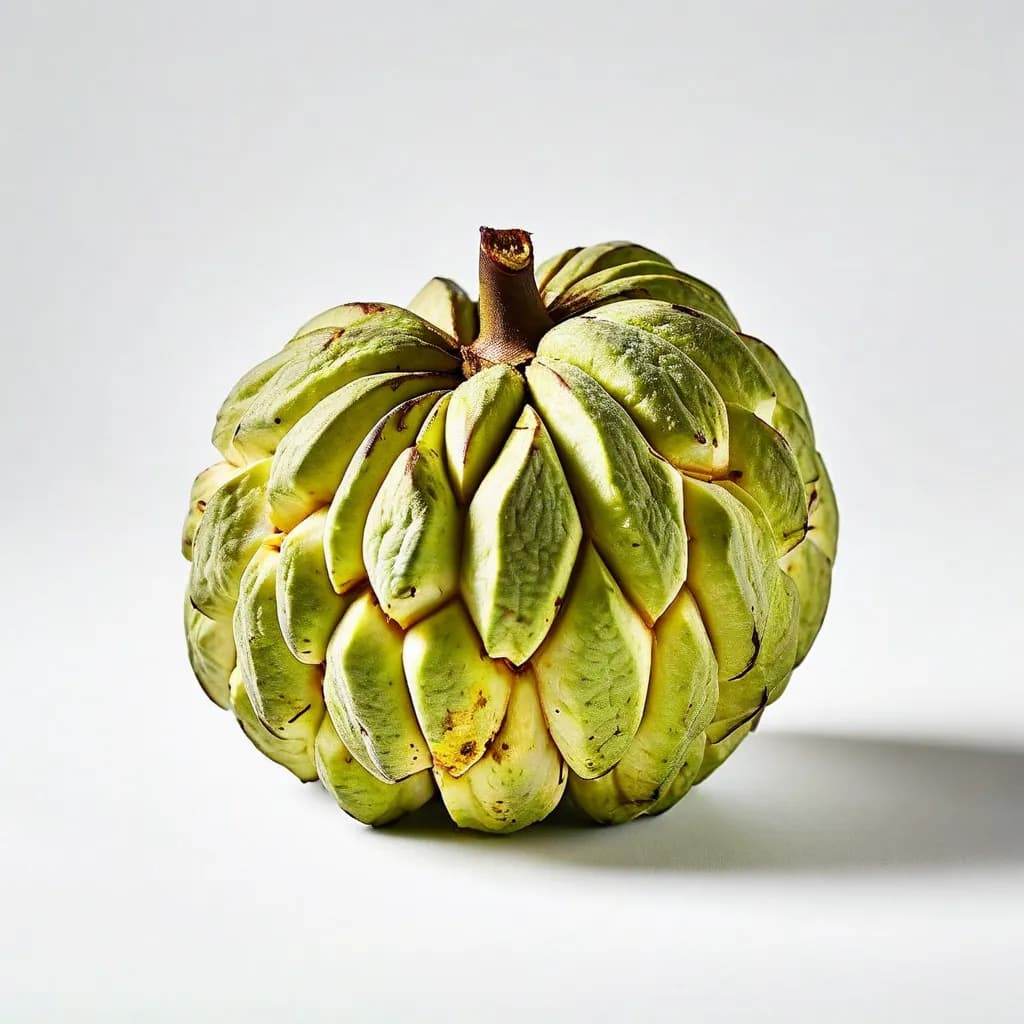
Annona senegalensis
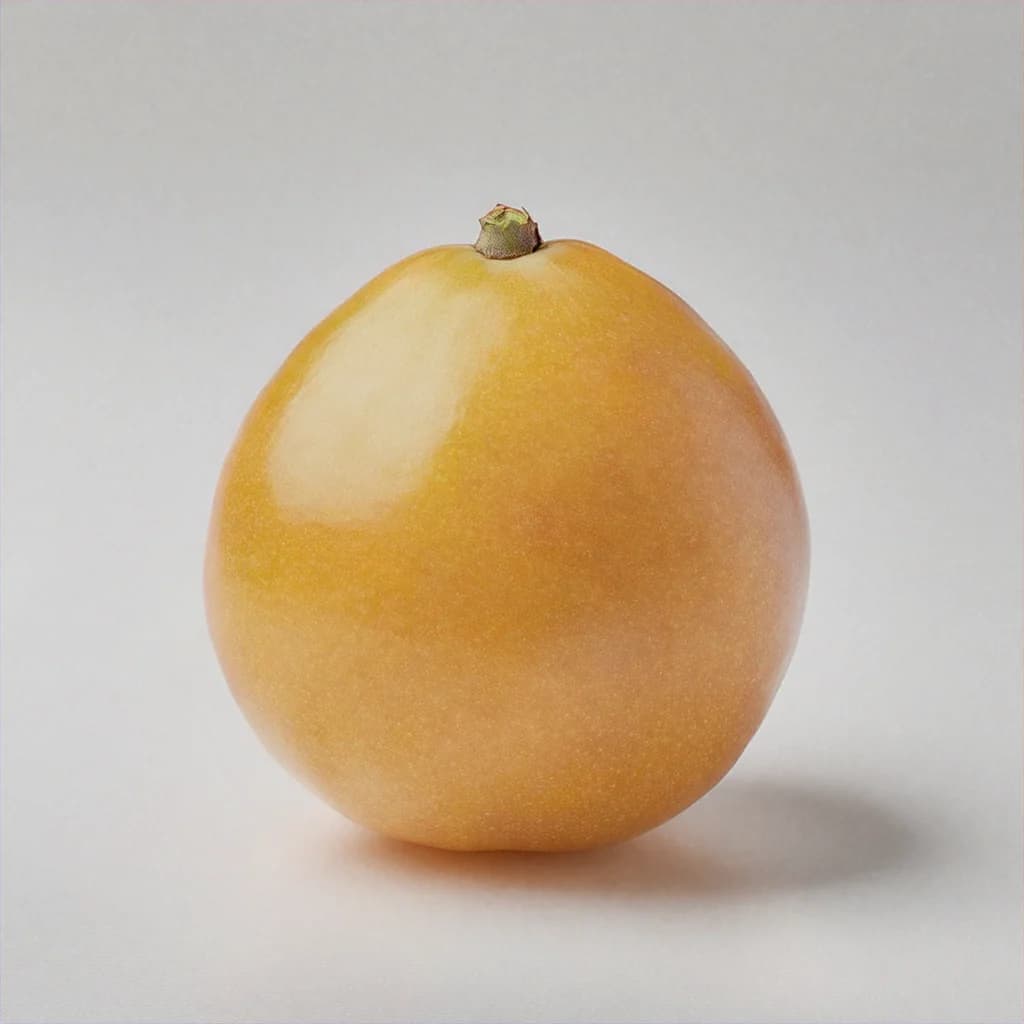
The African Custard Apple, scientifically known as Annona senegalensis, is a tropical fruit native to Africa. This fruit is renowned for its creamy, custard-like flesh and sweet, aromatic flavor. The African Custard Apple is a small, round fruit with a green, bumpy exterior that transitions to a yellowish hue as it ripens. The flesh is soft, creamy, and packed with a delightful blend of sweet and slightly tangy flavors. Rich in vitamins, minerals, and antioxidants, the African Custard Apple is not only a delicious treat but also a nutritious addition to any diet. Its unique taste and texture make it a popular ingredient in various culinary applications, from fresh fruit salads to smoothies and desserts.
Explore African Custard Apple in stunning detail
African Custard Apple - Main View
Per 100g
Per 100g
Nutrition breakdown for one serving
Africa
The African Custard Apple, or Annona senegalensis, has been a staple in African diets for centuries. It is deeply rooted in the cultural and agricultural history of the region, often used in traditional medicine and cuisine. The fruit was historically traded among African communities and has been an important source of nutrition and income for many local farmers.
Year-round
Each variety offers unique flavors, textures, and culinary applications
Keep your fruit fresh and delicious for longer
Select fruits that are slightly soft to the touch but not mushy.
Look for a uniform green to yellowish color, avoiding those with brown spots.
Choose fruits with a pleasant, sweet aroma.
Avoid fruits with visible mold or signs of decay.
Opt for fruits that feel heavy for their size, indicating juiciness.
Store at room temperature until fully ripe.
Once ripe, refrigerate to prolong freshness.
Keep in a perforated plastic bag to maintain humidity.
Avoid storing with ethylene-producing fruits like bananas and apples.
Preserve freshness for months
Peel and cut the fruit into small pieces before freezing.
Store in an airtight container or freezer bag.
Can be frozen for up to 6 months.
Label frozen items with the date to track freshness. Most fruits maintain quality for 2-3 months when properly frozen. For best results, use airtight containers or freezer bags to prevent freezer burn.
Discover delicious possibilities
Individuals with latex allergies may experience cross-reactivity with Annona senegalensis.
Ensure the fruit is sourced from reputable suppliers to avoid pesticide residues.
Surprising trivia you'll love!
The African Custard Apple is also known as the 'wild sugar apple' due to its sweet flavor.
It is a member of the Annonaceae family, which includes other tropical fruits like the cherimoya and soursop.
The fruit is often used in traditional African medicine for its medicinal properties.
The seeds of the African Custard Apple are toxic and should not be consumed.
The fruit is sometimes referred to as the 'African custard fruit' due to its creamy texture.
The African Custard Apple tree can grow up to 5 meters tall and produces fragrant flowers.
The African Custard Apple can be eaten fresh as a sweet snack, blended into smoothies, or incorporated into desserts like custards and ice creams. It pairs well with other tropical fruits and can be used in both sweet and savory dishes.
An African Custard Apple is ripe when it yields slightly to gentle pressure and has a sweet aroma. The color should be a uniform green to yellowish, avoiding any brown spots or signs of decay.
The African Custard Apple is rich in Vitamin C, providing 38% of the daily value per 100g, and contains antioxidants like Vitamin E and beta-carotene. It also provides potassium, magnesium, and dietary fiber.
Eating African Custard Apple offers several health benefits, including boosting the immune system with Vitamin C, protecting cells from damage with antioxidants, promoting digestive health with dietary fiber, and supporting heart health with potassium.
Sustainability insights
The African Custard Apple tree is relatively low-maintenance and can thrive in various soil types, making it a sustainable crop.
The carbon footprint of African Custard Apples is relatively low due to their local production and minimal transportation needs.
The tree requires moderate water usage, making it suitable for regions with varying rainfall.
Locally sourced African Custard Apples have a lower environmental impact compared to imported varieties.
We aim to keep this African Custard Apple profile accurate and easy to understand. Nutrition values and % Daily Value figures are based on established reference databases and standard daily value guidance.
Last updated: September 19, 2026
Medical disclaimer
This page is for general educational purposes and does not replace professional medical advice.
Found an issue? Contact us.