Loading Fruit Details...
Please wait while we fetch nutritional information and health benefits
Please wait while we fetch nutritional information and health benefits
Recommended Products
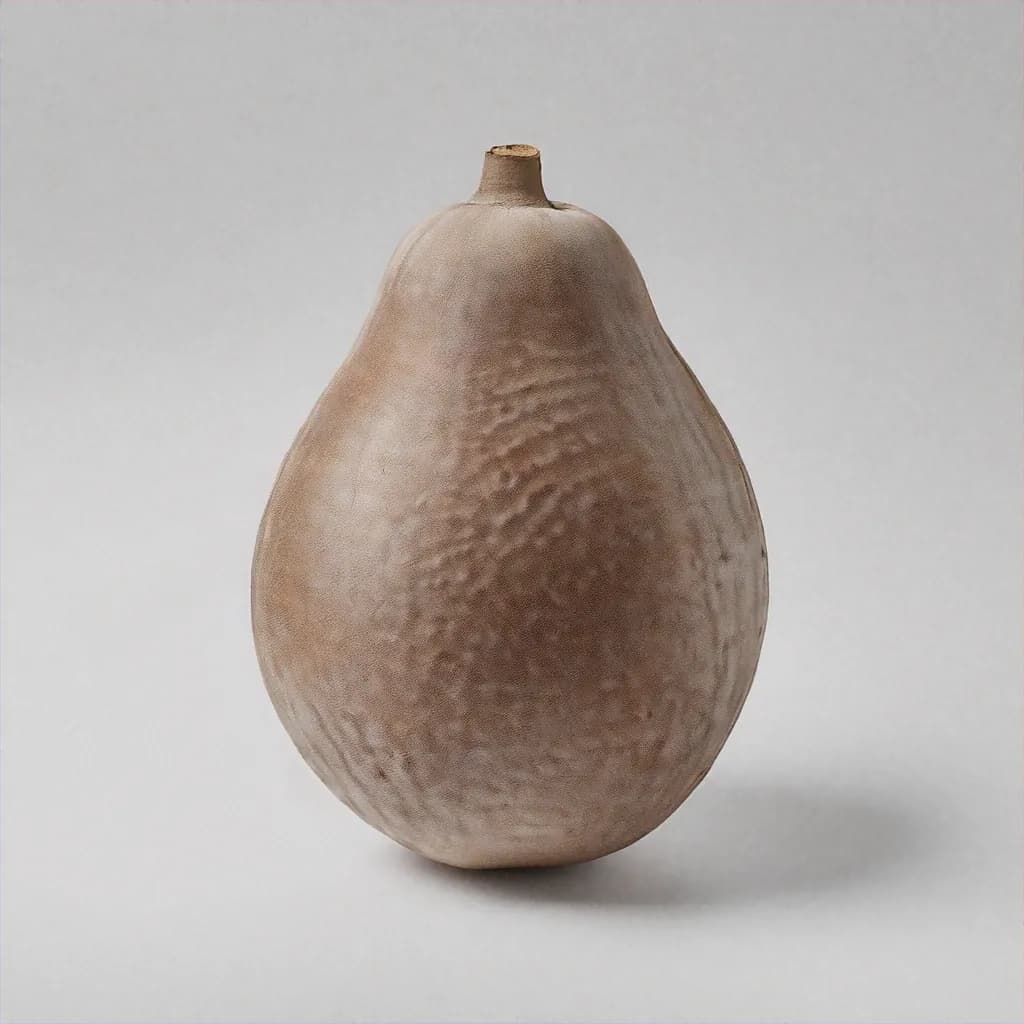
Adansonia digitata
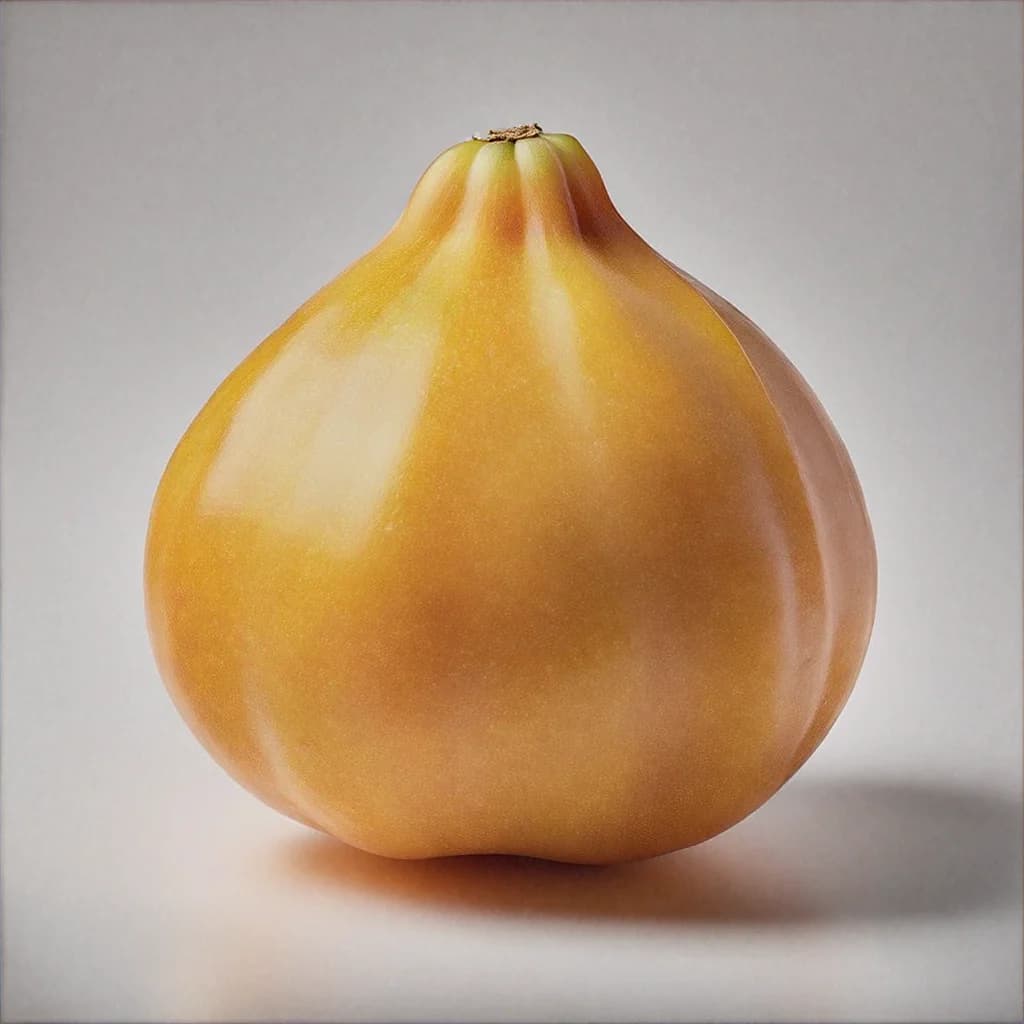
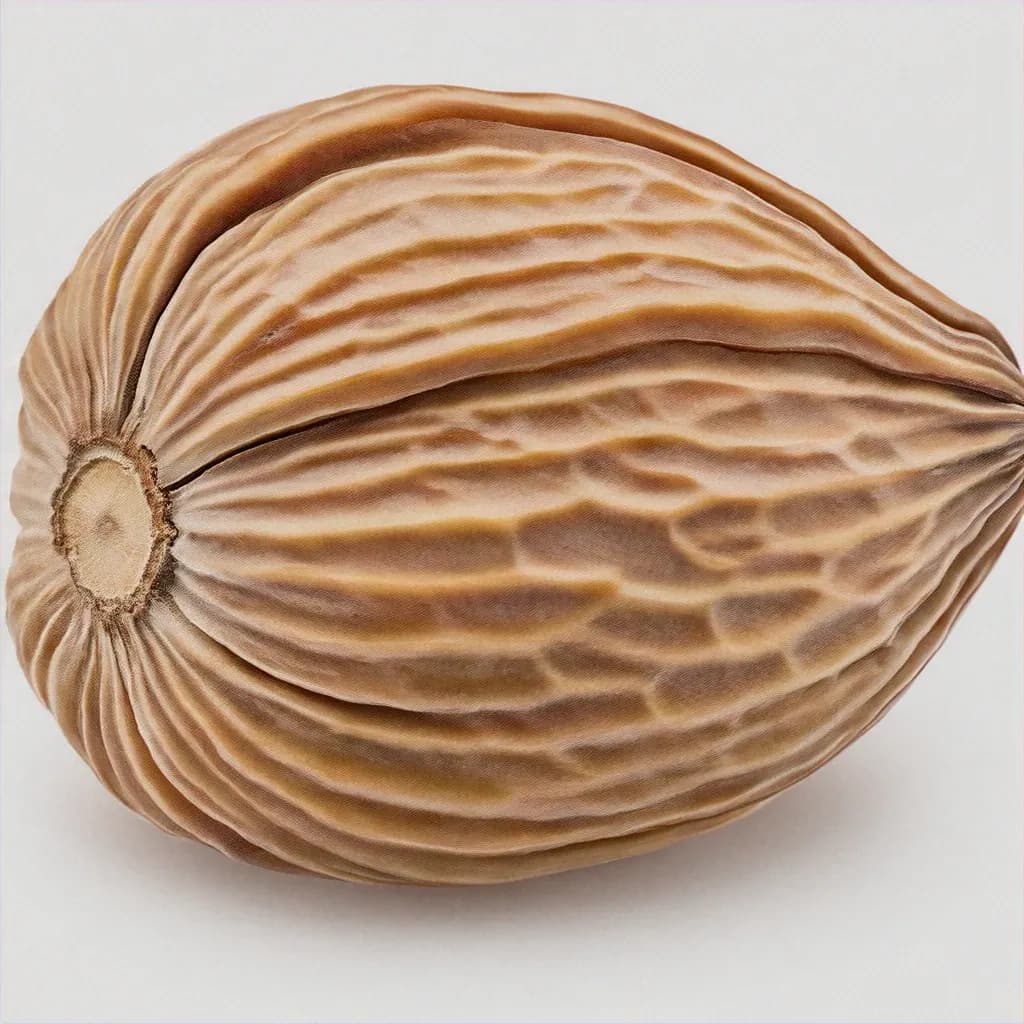
Baobab is an ancient, nutrient-dense superfruit known for its exceptionally high vitamin C content, remarkable fiber levels, and powerful antioxidant profile. Often called the “Tree of Life” fruit, baobab pulp is naturally dried inside the shell, preserving its nutrients without processing. With low fat, moderate calories, excellent mineral content, and a unique tangy-citrus flavor, baobab is widely used in traditional African diets and modern functional nutrition. It supports immune health, digestive wellness, hydration, and sustained energy, making it one of the most celebrated superfruits worldwide.
Explore Baobab in stunning detail
Baobab - Main View
Per 100g
Per 100g
Nutrition breakdown for one serving
Sub-Saharan Africa
Baobab (Adansonia digitata) has been a staple of African diets for thousands of years. Known as the 'Tree of Life,' every part of the baobab tree has traditionally been used for food, medicine, and shelter. The fruit naturally dries on the branch, preserving nutrients without processing. In recent years, baobab has gained global recognition as a sustainable, functional superfruit with exceptional nutritional value.
Harvested during dry season
Each variety offers unique flavors, textures, and culinary applications
Keep your fruit fresh and delicious for longer
Choose pure baobab powder with light cream color
Avoid products with added sugar or fillers
Select organically sourced baobab when possible
Store baobab powder in airtight container
Keep in cool, dry place away from sunlight
Avoid moisture exposure
Preserve freshness for months
Freezing not necessary
Can be frozen to extend shelf life if exposed to humidity
Label frozen items with the date to track freshness. Most fruits maintain quality for 2-3 months when properly frozen. For best results, use airtight containers or freezer bags to prevent freezer burn.
Discover delicious possibilities
Baobab allergies are extremely rare.
Baobab is typically wild-harvested with minimal pesticide exposure.
Surprising trivia you'll love!
Baobab trees can live for over 1,000 years
The fruit dries naturally on the tree without processing
Baobab contains more vitamin C than most citrus fruits
Known as the 'Tree of Life' in Africa
Every part of the baobab tree has traditional uses
Baobab is the fruit of the Adansonia digitata tree, naturally dried and rich in vitamin C, fiber, and antioxidants.
Yes, baobab’s extremely high fiber content supports digestive health and gut microbiome balance.
Baobab is commonly consumed as a powder mixed into water, smoothies, yogurt, or baked goods.
Yes, baobab is nutrient-dense and provides vitamin C, calcium, potassium, fiber, and antioxidants.
Yes, its high vitamin C and antioxidant content strongly supports immune function.
Baobab has a tangy, citrus-like flavor often described as a mix of lemon, pear, and grapefruit.
Yes, baobab fruit dries naturally on the tree, preserving its nutrients without processing.
Yes, baobab contains prebiotic fiber that supports beneficial gut bacteria.
Yes, baobab is naturally low in sugar compared to most fruits.
Yes, its mineral content helps support hydration and electrolyte balance.
Yes, baobab powder is commonly used in natural health supplements and functional foods.
Baobab fruit originates from Africa and grows widely across savannah regions.
Yes, its high fiber and low sugar content help promote fullness and appetite control.
Yes, baobab is rich in polyphenols and other antioxidants that help combat oxidative stress.
Yes, baobab has been used for centuries in traditional African food and medicine systems.
Sustainability insights
Baobab harvesting supports rural African communities and sustainable wild harvesting.
Low impact due to natural drying and minimal processing.
Minimal water requirement due to drought-resistant tree.
Supports ethical trade and biodiversity conservation.
We aim to keep this Baobab profile accurate and easy to understand. Nutrition values and % Daily Value figures are based on established reference databases and standard daily value guidance.
Last updated: September 18, 2026
Medical disclaimer
This page is for general educational purposes and does not replace professional medical advice.
Found an issue? Contact us.