Loading Fruit Details...
Please wait while we fetch nutritional information and health benefits
Please wait while we fetch nutritional information and health benefits
Recommended Products
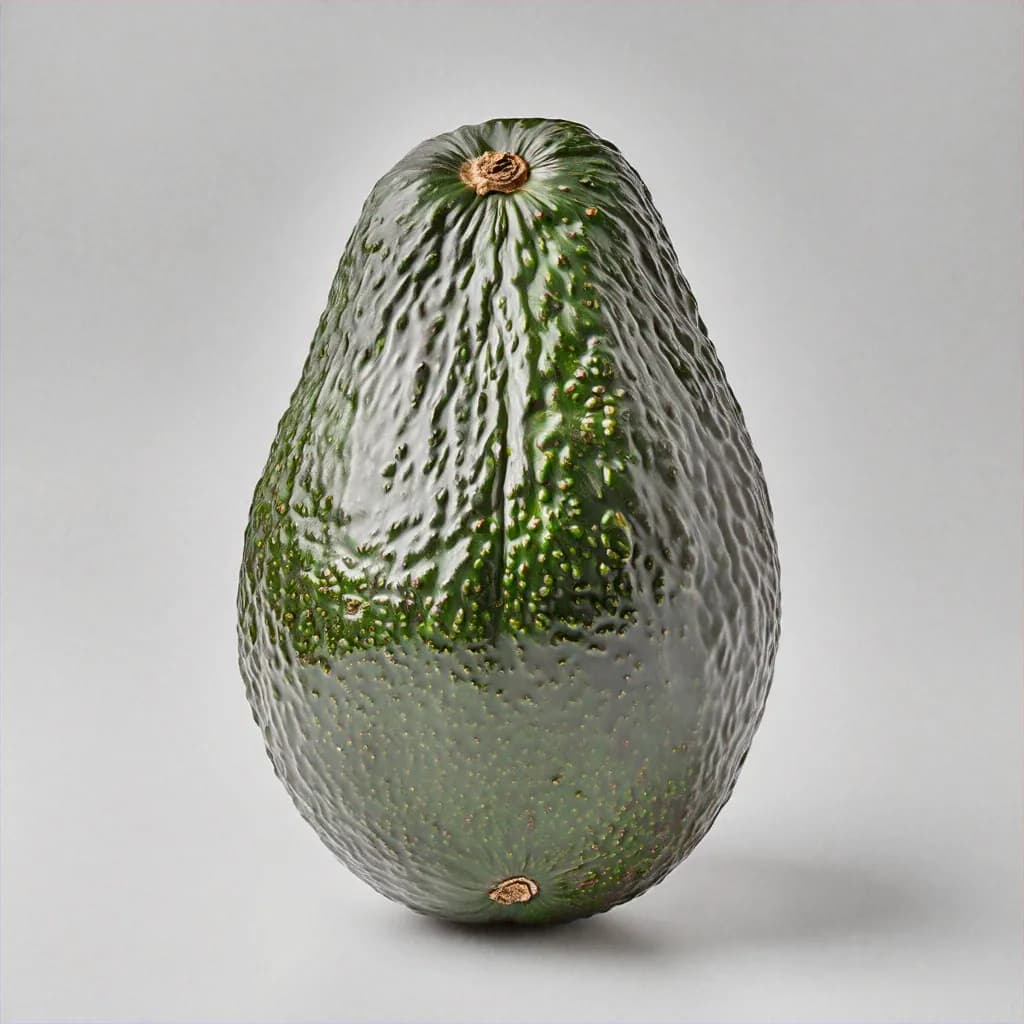
Persea americana
Avocados are nutrient-dense fruits featuring creamy pale-green flesh, large central pit, and distinctive pear shape representing nutritional powerhouse among fruits. Native to Mexico and Central America, avocados have become global superfood celebrated for exceptional healthy fat content, complete micronutrient profile, and versatile culinary applications. Each avocado delivers impressive nutritional density - exceptional potassium (10% DV per 100g surpassing bananas), healthy monounsaturated fats supporting cardiovascular health, vitamin E (10% DV) as antioxidant, folate (12% DV) supporting cellular function, and valuable phytonutrients including lutein and zeaxanthin for vision health. Creamy luxurious texture creates perfect base for guacamole, toast toppings, salads, smoothies, and sophisticated culinary preparations. Rich buttery flavor complements both savory and sweet applications. Avocados support weight management despite high calorie density through satiety-inducing healthy fats and fiber content. Traditional Mesoamerican use spanning millennia validated by modern research confirming cardiovascular, cognitive, and anti-inflammatory benefits. Avocados represent perfect nutritional balance combining healthy fats, complete micronutrients, and culinary versatility making them modern nutritional essential.
Explore Avocado in stunning detail
Avocado - Main View
Per 100g
Per 100g
Nutrition breakdown for one serving
South-central Mexico, particularly Puebla region
Avocados originated in south-central Mexico approximately 7,000 years ago domesticated from wild Persea americana subspecies. Archaeological evidence from Mexico shows avocado cultivation dating to 5,000 BCE. Pre-Columbian Aztecs valued avocados calling them 'testicles' referencing fruit's pear shape and tree growth. Spanish conquistadors encountered avocados during 16th-century Mexican conquest. Name derives from Aztec 'ahuacatl' modified through Spanish to 'aguacate' then English 'avocado'. Colonial traders distributed avocados to tropical regions worldwide during 17th-18th centuries. California commercial cultivation began 1850s becoming major industry. Modern global cultivation expanded dramatically post-1960s reflecting increasing health consciousness and growing demand.
Year-round availability with seasonal variations by region
Each variety offers unique flavors, textures, and culinary applications
Keep your fruit fresh and delicious for longer
Check for slight give when gently squeezed - indicates ripeness without bruising
Avoid hard avocados - not yet ripe requiring home ripening
Avoid very soft or mushy avocados - overripe and oxidized
Look at color - deep green to nearly black indicates ripeness
Check blossom end - slight softness indicates readiness
Examine skin for dark spots or blemishes - may indicate interior damage
Select heavier avocados for size - indicates better quality
Avoid excessively large avocados - sometimes have larger pits
Purchase from stores with good turnover ensuring freshness
Store unripe avocados at room temperature 2-5 days for ripening
Speed ripening by placing in paper bag with banana or apple
Refrigerate ripe avocados to extend life 3-5 days
Store cut avocado flesh-side down with pit in plastic wrap
Lemon or lime juice prevents browning on cut surfaces
Never store avocado at room temperature once ripe - continues softening
Do not store with ethylene-producing fruits accelerating ripening
Freeze avocado in ice cube trays with lime juice for smoothies
Frozen avocado keeps 3-4 months for blended applications
Preserve freshness for months
Halve avocado removing pit and skin
Toss with lemon or lime juice preventing oxidation
Slice or cube into portions
Freeze on baking sheet 2-3 hours
Transfer to freezer bags removing excess air
Label with date for tracking
Use frozen avocado for smoothies and blended dishes
Texture softens with freezing - not ideal for fresh eating
Keeps frozen 3-4 months maximum
Label frozen items with the date to track freshness. Most fruits maintain quality for 2-3 months when properly frozen. For best results, use airtight containers or freezer bags to prevent freezer burn.
Discover delicious possibilities
Avocado allergies uncommon but documented particularly in individuals with birch pollen allergies (oral allergy syndrome). Allergic reactions typically mild - mouth itching or throat irritation. Severe reactions rare. Those with latex allergies should consult allergist - potential cross-reactivity documented.
Conventionally grown avocados may contain pesticide residues - thick skin provides significant protection. Proper cleaning: Rinse exterior gently under cool running water for 10-15 seconds. Pat dry with clean towel. Discard outer skin completely before consuming. Organic avocados eliminate synthetic pesticide concerns.
Surprising trivia you'll love!
Avocados are technically berries with a single large seed - botanically classified as fruits but nutritionally dense like vegetables
Avocado potassium content (485mg per 100g) exceeds bananas making them nutritional powerhouses for electrolyte balance and heart health
The name 'avocado' derives from Aztec 'ahuacatl' meaning 'testicles' reflecting fruit's pear shape and tree growth pattern
Hass avocados originated from a single tree grown by Rudolph Hass in California 1926 - now most commercially cultivated variety worldwide
Avocados do not ripen on the tree - they must be harvested at mature size and ripen at room temperature due to low ethylene production
California produces 80% of US avocado supply with most cultivation in San Diego County requiring minimal water for tree establishment
Avocado's monounsaturated fat composition makes it unique among fruits - more similar to nuts and seeds than typical fruit fat profile
Pre-Columbian Aztecs cultivated avocados for thousands of years before Spanish conquistadors introduced them to Europe in 1500s
Fresh avocado flesh oxidizes rapidly turning brown - lemon and lime juice prevents browning through acid preservation
Avocados require 1-2 years fruit development from flowering making them long-cycle crop compared to most fruits
Ripening avocados requires understanding ripeness stages and proper technique achieving perfect creamy texture. RIPENESS STAGES: Hard avocado - unripe, requires 2-5 days ripening. Yields slightly - nearing readiness. Yields gently - perfect ripeness for consumption. Very soft - overripe and oxidized. DETERMINING READINESS: Gentle squeeze test - slightly soft indicates ripeness without bruising. Blossom end - slight softness here signals ripeness. Color - deep green to nearly black indicates maturity. Skin appearance - no wrinkles or dark spots (except natural variation). RIPENING AT ROOM TEMPERATURE: Unripe avocados ripen naturally at room temperature over 2-5 days. Exact timeline depends on starting ripeness and room temperature. Warmer environments accelerate ripening. Cooler environments slow ripening. Patience required for optimal flavor development. ACCELERATED RIPENING: Paper bag method - enclose avocado in brown paper bag (not plastic). Add ripe banana or apple - releases ethylene gas accelerating ripening. Fold bag loosely - allows ethylene concentration. Check daily - removes when ready. 1-2 day acceleration typical. AVOID OVER-RIPENING: Once perfectly ripe, refrigerate immediately stopping ripening process. Unrefrigerated ripe avocados continue softening quickly. Overripe avocados develop dark spots and oxidation inside. Interior browning indicates overripeness. Bitter flavors suggest overmaturation. OPTIMAL CONSUMPTION: Eat immediately upon reaching perfect ripeness. Peak flavor and texture occur within 1-2 day window. Freshness determines quality. Early consumption maximizes nutritional value. PREVENTING BROWNING: Lime or lemon juice prevents oxidation on cut surfaces. Onion - store cut avocado with raw onion slices. Plastic wrap - wrap cut avocado tightly with pit inside. Keep pit in - protects internal flesh from oxidation. STORAGE AFTER RIPENING: Refrigerate ripe avocados extending shelf life 3-5 days. Temperature slows ripening process preserving quality. Excessive refrigeration (below 5°C) damages flesh texture. Ideal refrigeration 7-10°C. USING UNRIPE AVOCADO: Unripe avocado usable in guacamole with more aggressive seasoning. Texture less creamy but flavor acceptable. Cooking unripe avocado acceptable for some recipes. Heating softens flesh slightly. VARIETIES RIPEN DIFFERENTLY: Hass avocados ripen reliably and maintain quality. Fuerte avocados may require more time. Different varieties show varying ripeness indicators. Experience develops ability to judge variety-specific ripeness. BOTTOM LINE: Perfect avocado ripeness achieved when gentle squeeze produces slight give without bruising - blossom end soft, color dark green to nearly black. Ripening accelerated using paper bag with ripe banana or apple.
Avocado oil and avocado fruit represent distinct nutritional profiles reflecting different processing and concentration. AVOCADO FRUIT NUTRITION: Whole avocado contains 14.66g fat per 100g including fiber, vitamins, and minerals. Fiber content (6.7g per 100g) supports digestive health and satiety. Complete micronutrient profile including potassium, folate, vitamin E, and copper. Carbohydrates and natural sugars provide minor energy. Glycemic index extremely low (15) supporting blood sugar stability. Complete phytonutrient profile including lutein, zeaxanthin, and polyphenols. AVOCADO OIL NUTRITION: Extracted oil contains 100% fat - pure monounsaturated and polyunsaturated fats. No fiber - processed out during extraction. Minimal vitamins and minerals - concentrated during processing. No carbohydrates or sugars. Calorie-dense (120 calories per tablespoon). Higher smoke point enables cooking at higher temperatures. FATTY ACID COMPOSITION: Both contain primarily monounsaturated oleic acid (heart-healthy). Avocado oil slightly higher monounsaturated fat percentage. Avocado fruit contains more diverse fat profile. Both excellent for cardiovascular health. PROCESSING IMPACT: Oil extraction removes fiber and many phytonutrients. Processing concentrates fat while losing other nutrients. Cold-pressing preserves more nutrients than heat extraction. Refined oil loses more nutrients than virgin oil. HEALTH APPLICATIONS: Avocado fruit - whole food with complete nutrition and satiety properties. Avocado oil - cooking fat with high heat stability and cardiovascular benefits. Different applications suit different purposes. CULINARY USE: Avocado fruit - fresh consumption, guacamole, salads, smoothies. Avocado oil - cooking, dressing, high-temperature applications. Oil suitable for baking and roasting. Fruit better for fresh applications. CALORIC COMPARISON: Avocado fruit 160 calories per 100g with fiber and nutrients. Avocado oil 120 calories per tablespoon (14g) - more calorie-dense. Oil requires smaller portions. Whole fruit provides satiety benefits. NUTRITIONAL COMPLETENESS: Avocado fruit - complete nutrition package with vitamins, minerals, fiber, and phytonutrients. Avocado oil - fat component only without supporting nutrients. Whole fruit nutritionally superior for overall health. Oil serves specific culinary function. PHYTONUTRIENT CONTENT: Avocado fruit rich in lutein, zeaxanthin, and polyphenolic compounds. Oil processing removes most phytonutrients. Whole fruit superior for antioxidant benefits. WEIGHT MANAGEMENT: Avocado fruit - satisfying with fiber supporting satiety. Avocado oil - calorie-dense without satiety properties. Whole fruit better for weight management. Oil portion control essential. RECOMMENDATION: Include whole avocado fruit in regular diet for complete nutrition. Use avocado oil for cooking when appropriate. Both contribute to healthy diet. Whole fruit preferred when possible. Oil useful specific culinary application. BOTTOM LINE: Avocado fruit contains complete nutrition including fiber, vitamins, minerals, and phytonutrients while avocado oil contains only extracted fat - whole fruit nutritionally superior while oil serves specific high-temperature cooking function.
Avocado toxicity for dogs is documented and concerning - dogs should NOT consume avocado due to persin compound toxicity. TOXICITY MECHANISM: Avocados contain persin - toxic fungicidal compound present in fruit, seed, and leaves. Persin causes gastrointestinal upset and potential cardiac damage in dogs. Toxicity risk increases with consumption quantity. Sensitivity varies among individual dogs. CLINICAL SIGNS: Vomiting and diarrhea - primary GI symptoms. Lethargy and weakness - systemic illness signs. Difficulty breathing - respiratory involvement possible. Abdominal pain and bloating - gastrointestinal distress. Tremors and weakness - neurological potential. RISK FACTORS: All avocado parts contain persin - fruit, seed, skin, leaves. Higher concentration in seed and leaves. Larger quantities increase toxicity risk. Small dogs higher risk than large dogs due to concentration. Cumulative toxicity possible with repeated consumption. SAFETY RECOMMENDATION: Veterinary consensus recommends complete avoidance. Risk-benefit analysis favors elimination. Safer alternatives exist without toxicity risk. No compelling reason to offer avocado. CONTRAINDICATED FOR: All dogs - toxicity applies universally. Pregnant dogs - persin may affect reproduction. Nursing dogs - potential transmission through milk. Puppies - developing organs more vulnerable. Senior dogs - compromised health increases risk. SAFE ALTERNATIVES: Pumpkin - safe vegetable with fiber benefits. Sweet potato - nutritious, safe option. Carrots - crunchy, low-calorie treat. Apples (without seeds) - familiar safe fruit. Bananas - potassium-rich safe option. WHEN ACCIDENTAL CONSUMPTION OCCURS: Contact veterinarian immediately - do not wait. Provide information about quantity consumed. Describe symptoms observed. Seek immediate evaluation. Early intervention improves outcomes. VETERINARY TREATMENT: Assessment of toxin load. Induced vomiting if recent consumption. Activated charcoal for absorption binding. Supportive care for symptoms. Monitoring for cardiac involvement. Labs to assess organ function. PREVENTION STRATEGIES: Store avocados securely - prevent access. Remove avocado pits immediately after use. Educate family about toxicity - prevent unintentional exposure. Dispose properly - avoid trash access. Educate visitors about toxicity. BOTTOM LINE: Avocado should NEVER be offered to dogs due to persin toxicity - complete avoidance recommended with safer fruit and vegetable alternatives available.
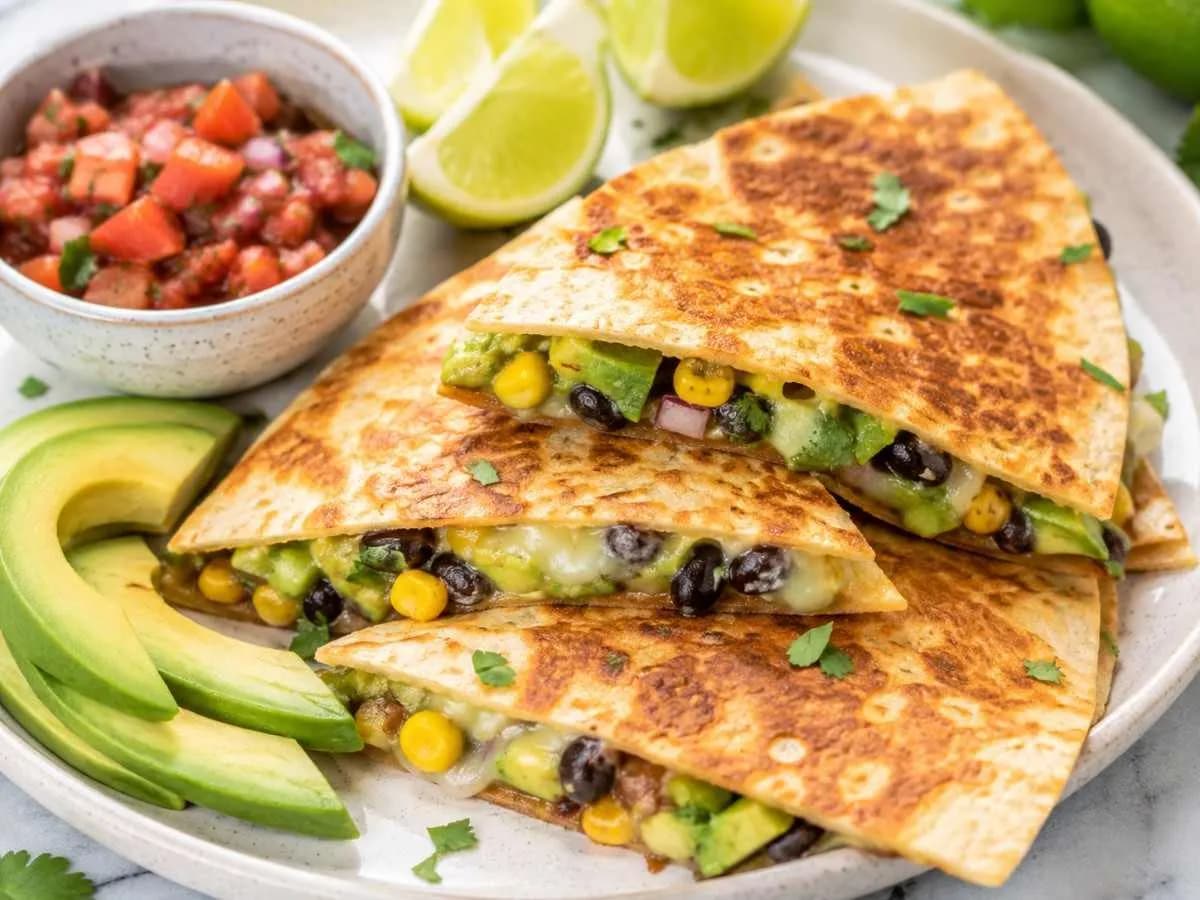
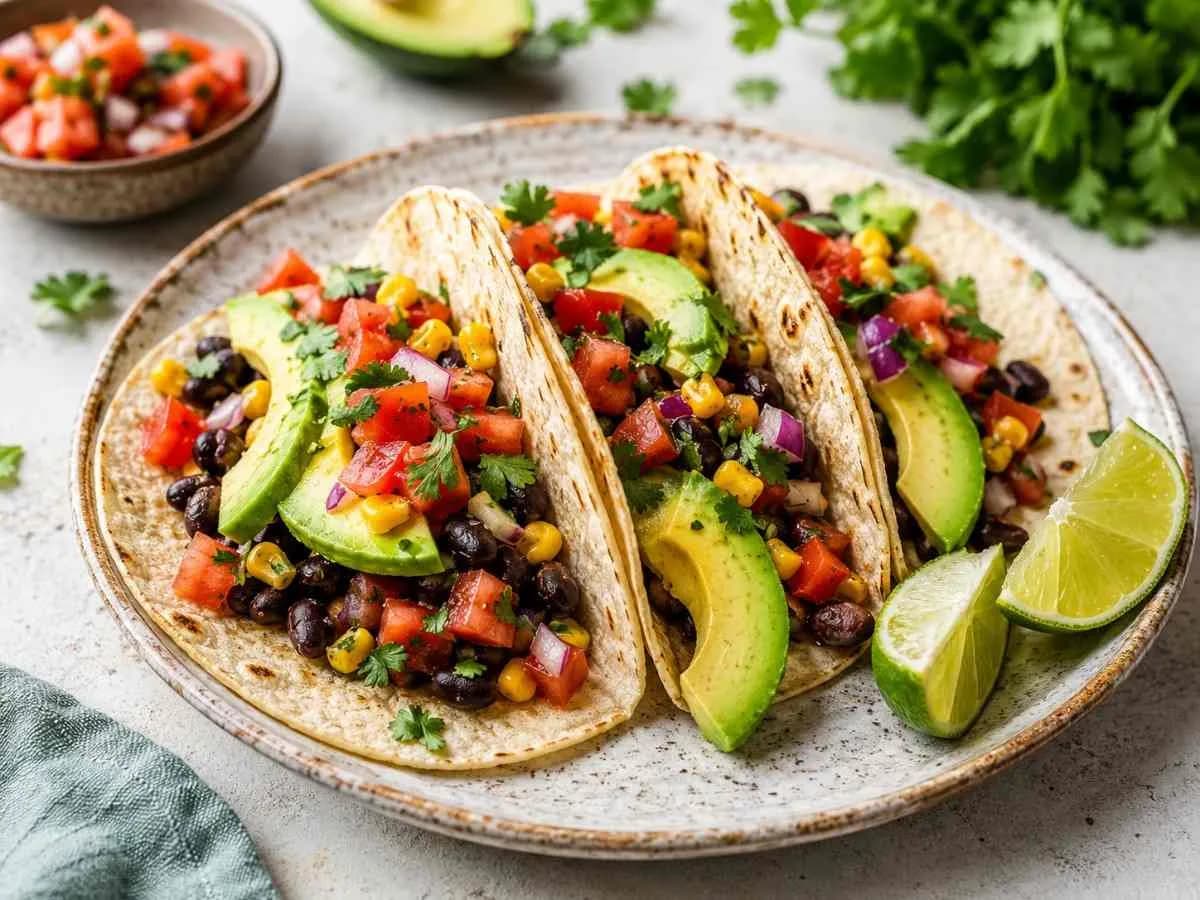
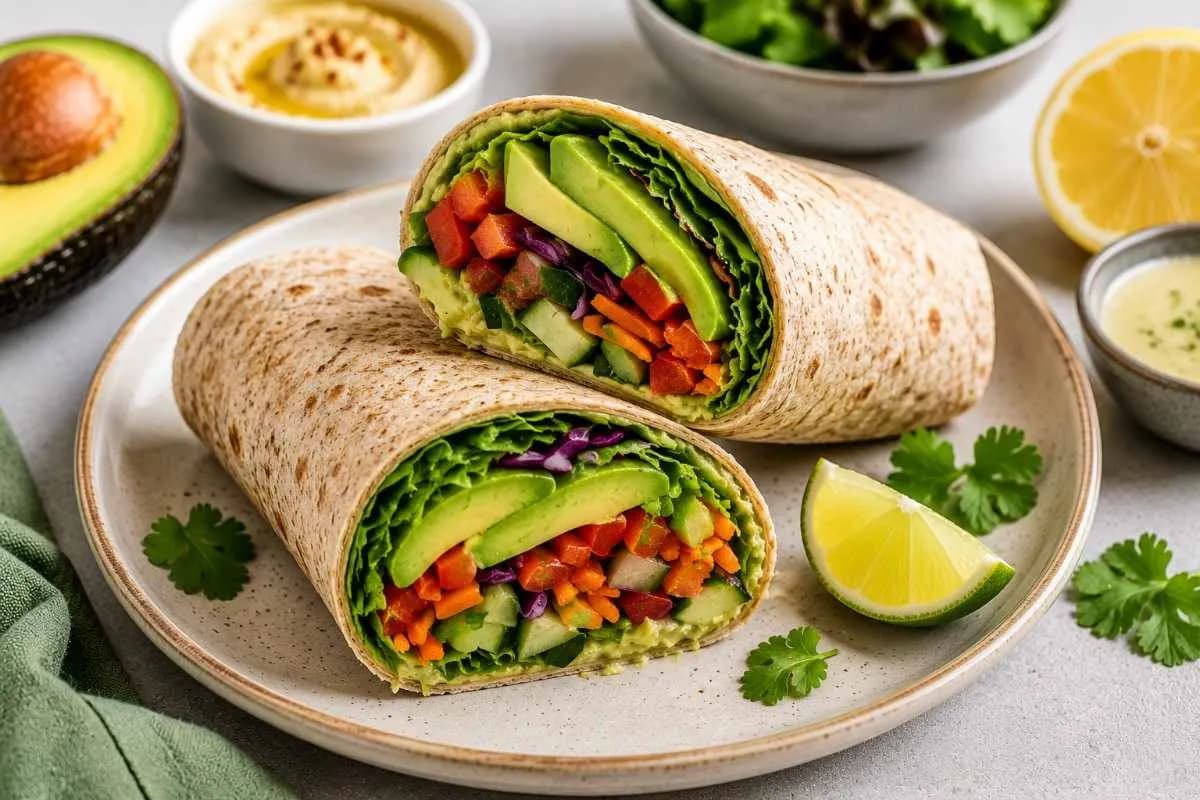
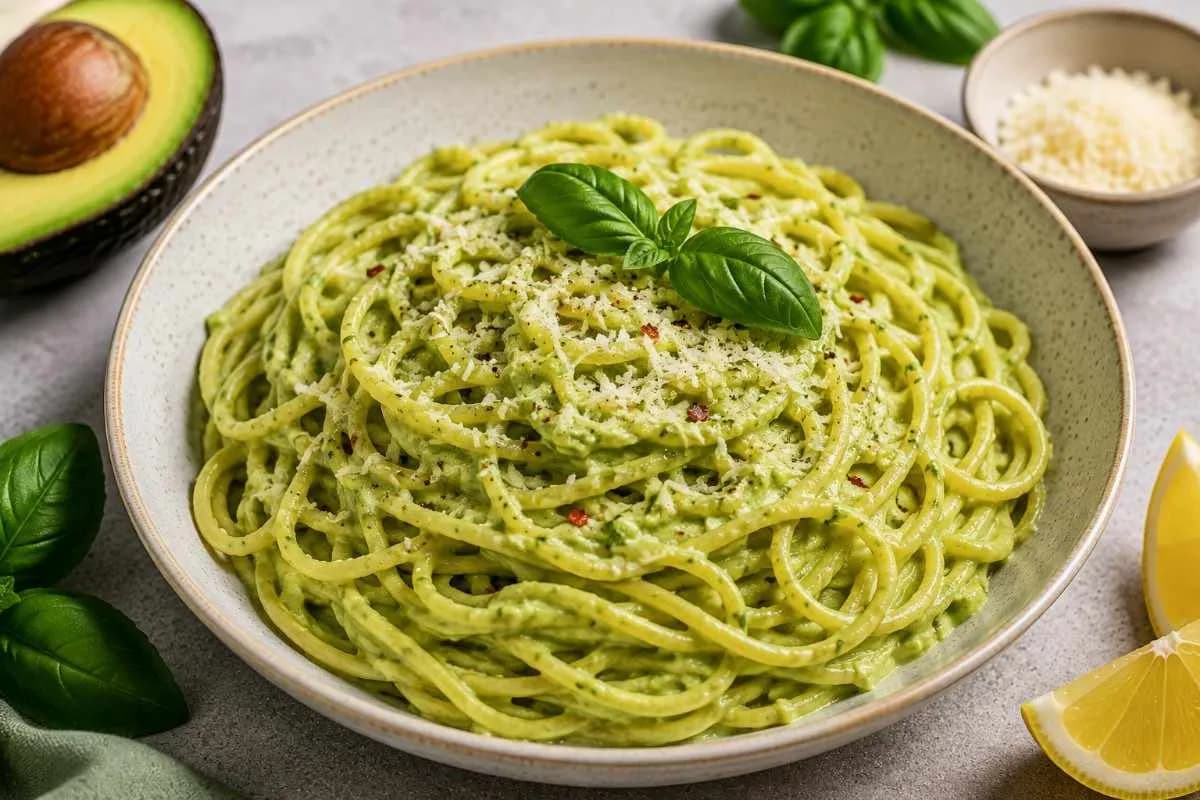
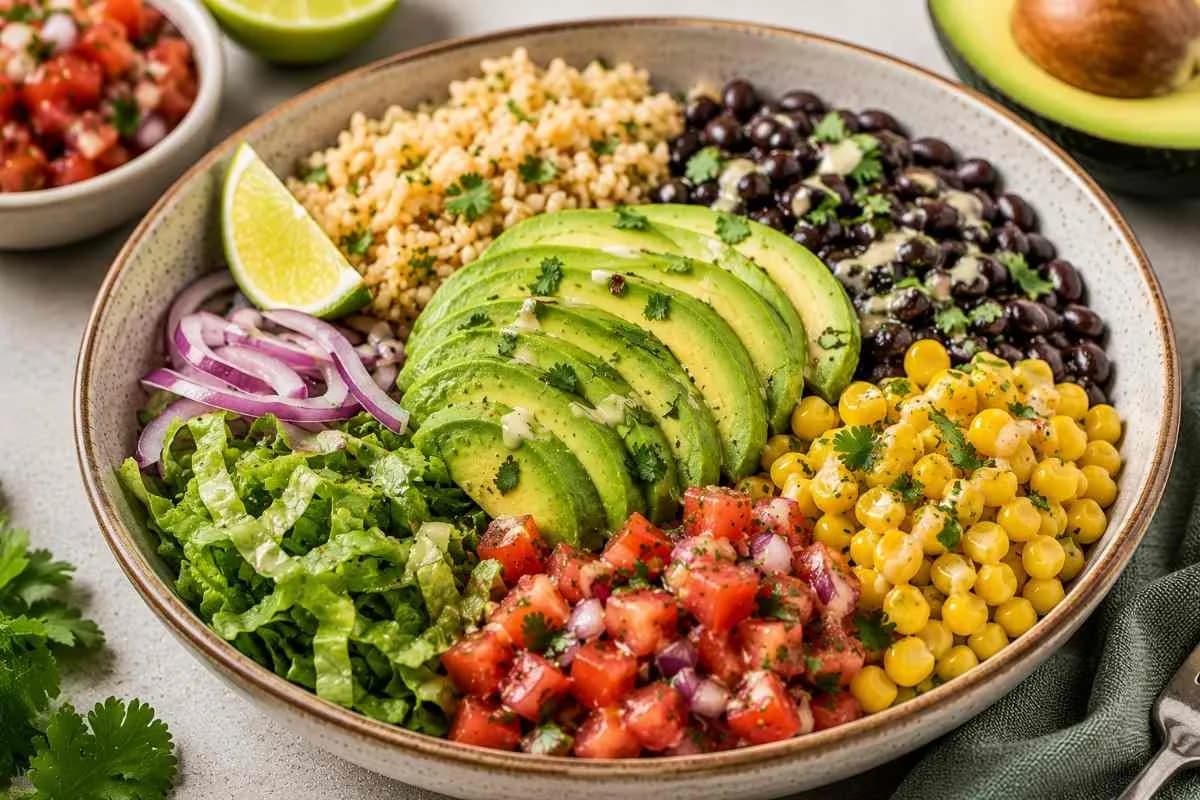
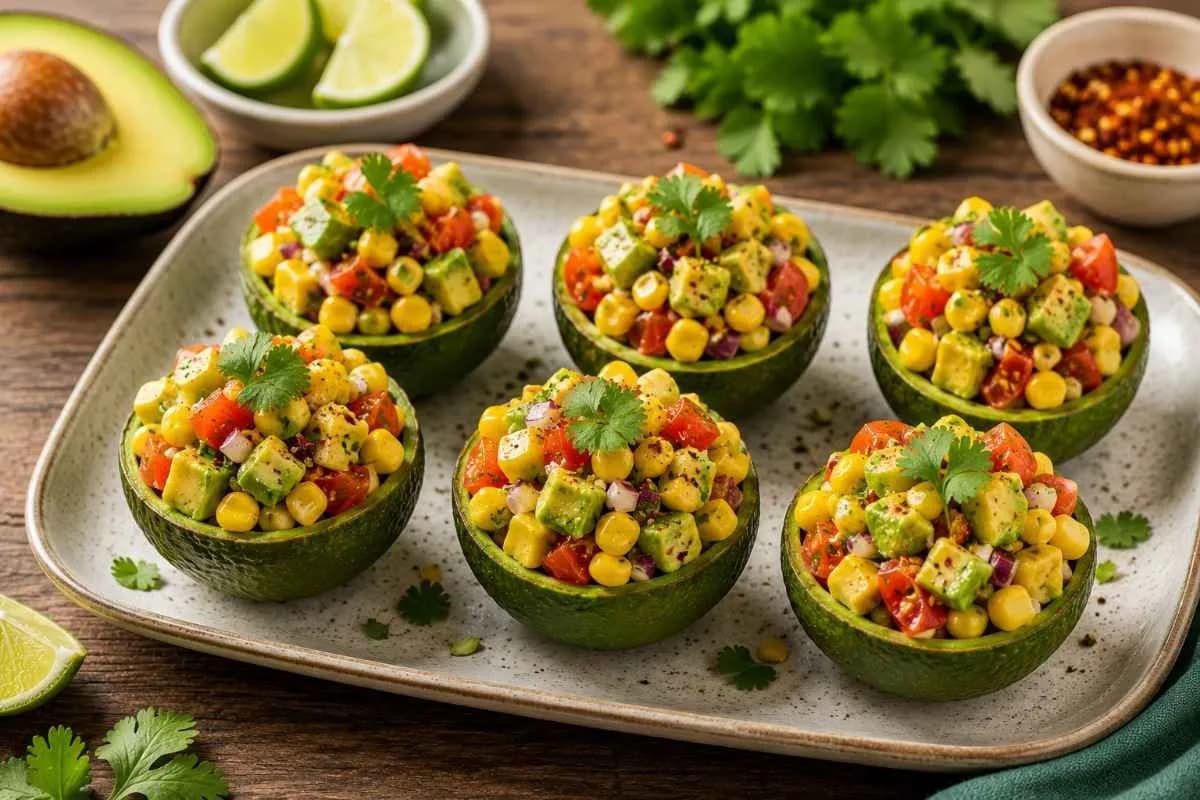
Avocados create versatile and sophisticated culinary creations from appetizers to desserts showcasing remarkable versatility. CLASSIC GUACAMOLE: 3 ripe avocados, 1 lime (juice), 0.5 white onion (diced), 1 jalapeño (minced), cilantro, salt, tomato (optional). Mash avocados with fork to desired consistency. Add lime juice immediately preventing oxidation. Fold in remaining ingredients gently. Serve with tortilla chips. Iconic appetizer. AVOCADO TOAST: Whole grain bread (toasted), 0.5 ripe avocado (sliced), lemon juice, salt, pepper, optional: egg, tomato, red pepper flakes. Toast bread until golden. Mash avocado with lemon juice. Spread on toast. Season generously. Add optional toppings. Trendy breakfast option. AVOCADO SALAD: Mixed greens, avocado (sliced), cherry tomatoes, red onion, cucumber, olive oil, lime vinaigrette. Toss greens with dressing. Arrange avocado and vegetables carefully. Dress lightly. Serve immediately. Refreshing option. AVOCADO SOUP: 2 ripe avocados, 2 cups vegetable broth, 1 cup heavy cream, 1 lime (juice), garlic, salt, pepper. Blend avocado with broth until smooth. Heat gently. Add cream and seasonings. Serve chilled or warm. Elegant appetizer. AVOCADO SMOOTHIE: 1 ripe avocado, 1 banana, 1 cup milk, 1 tbsp honey, ice. Blend until smooth and creamy. Serve immediately. Nutritious breakfast drink. SUSHI WITH AVOCADO: Sushi rice, nori, cucumber, avocado (sliced), optional fish, wasabi, soy sauce. Roll carefully maintaining shape. Slice cleanly. Serve with condiments. Classic application. AVOCADO MOUSSE: 2 ripe avocados, 0.5 cup heavy cream, 0.25 cup lime juice, honey to taste. Blend until creamy and light. Divide into serving dishes. Chill. Serve cold. Elegant dessert. AVOCADO SANDWICH: Whole grain bread, 0.5 ripe avocado (sliced), tomato, lettuce, sprouts, mayo, salt, pepper. Layer ingredients between bread. Press gently. Slice diagonally. Nutritious lunch. AVOCADO ICE CREAM: 2 ripe avocados, 1 cup heavy cream, 0.5 cup sugar, 0.25 cup lime juice, vanilla extract. Blend until smooth. Churn if possible or freeze in flat container stirring every hour. Serve frozen. Unique dessert. CREAMY AVOCADO DRESSING: 1 ripe avocado, 0.5 cup sour cream, lime juice, garlic, cilantro, salt. Blend until smooth. Thin with water if needed. Serve over salads. Versatile dressing. AVOCADO AND SHRIMP: Avocado (halved), cooked shrimp, lemon juice, red onion, cilantro, chili. Combine ingredients. Fill avocado halves. Serve cold. Elegant appetizer. AVOCADO PASTA: Cooked pasta, 2 ripe avocados, garlic, lemon juice, olive oil, cherry tomatoes, basil. Blend avocado into sauce. Toss with hot pasta. Add tomatoes. Serve immediately. Fresh Italian-inspired. BREAKFAST BURRITO: Tortilla, scrambled eggs, avocado (sliced), cheese, salsa, black beans, bacon. Layer ingredients. Roll tightly. Heat if desired. Hearty breakfast. AVOCADO CEVICHE: White fish (cubed), avocado (cubed), lime juice, red onion, cilantro, jalapeño, tomato. Combine carefully. Marinate 15 minutes. Serve cold. Sophisticated appetizer. PRESENTATION TIPS: Serve immediately after cutting - prevents oxidation. Use lime or lemon juice - prevents browning. Arrange attractively - presentation matters. Chill components - improves quality. Gentle handling - maintains presentation. SERVING IDEAS: Perfect for healthy meals. Ideal for entertaining. Beautiful presentation at dinners. Versatile ingredient. BOTTOM LINE: Avocados create versatile and sophisticated culinary creations from guacamole and toast to soups, smoothies, desserts, and elegant appetizers showcasing remarkable versatility.
Avocado tree cultivation is achievable in appropriate climates with proper care producing abundant fruit within 3-4 years. CLIMATE REQUIREMENTS: Warm temperature essential - grows best 15-25°C (59-77°F). Frost-sensitive - cannot tolerate freezing temperatures. Tropical to subtropical regions ideal. Some cold-hardy varieties tolerate brief cold. Year-round warmth optimal for production. LOCATION SELECTION: Full sun exposure essential - minimum 8 hours daily direct sunlight. Sheltered from strong winds - prevents fruit damage. Well-draining soil preventing root rot - critical requirement. Slightly acidic pH (6.0-7.0) optimal. Good air circulation preventing fungal disease. SOIL PREPARATION: Well-draining soil essential - most critical factor. Add sand and compost improving structure. Ensure excellent drainage - water must not stand. Clay soils require significant amendment. Raised beds option for poor-draining areas. PLANTING METHOD: Obtain grafted trees from reputable nurseries - faster production. Bare-root or container trees available. Plant in spring after last frost. Dig hole twice width of root ball. Space 25-30 feet apart allowing mature spread. Plant at same depth as container. Water thoroughly after planting. Mulch around base protecting roots. WATERING REQUIREMENTS: Water deeply 1-2 times weekly establishing tree. Young trees require consistent moisture. Mature trees tolerate some drought. Reduce watering in winter dormancy. Increase during fruit development and heat stress. Drip irrigation ideal for efficiency. FERTILIZING SCHEDULE: Apply slow-release fertilizer during growing season. Include micronutrients - zinc, manganese, boron essential. Young trees require more frequent fertilizing. Mature trees require less frequent applications. Organic compost provides steady nutrients. Follow package directions carefully. PEST MANAGEMENT: Monitor for avocado spider mites - major pest. Laurel wilt disease - fungal disease serious concern. Girdlers and borers manageable with vigilance. Hand-pick larger pests when possible. Organic neem oil effective for many pests. DISEASE PREVENTION: Root rot prevention - excellent drainage critical. Fungal disease - ensure air circulation. Sunblotch virus - purchase certified disease-free trees. Phytophthora - avoid waterlogging. Remove diseased material immediately. FLOWERING AND FRUITING: Avocado trees produce small greenish flowers on branch tips. Flowering occurs in spring. Self-fertile but cross-pollination improves yield. Fruit development 12-18 months after flowering. First production typically 3-4 years from planting. Peak production 8-15 years. PRUNING: Minimal pruning required - shape for attractive form. Remove crossing/diseased branches. Thin fruit early for larger mature fruit. Pruning encourages branching and productivity. Prune after harvest. THINNING FRUIT: Remove immature fruit encouraging larger development. One fruit every 15cm optimal spacing. Thin early prevents branch breakage. Reduces overall yield but improves fruit size. HARVESTING: Harvest when fruit reaches mature size and skin darkens. Cut from tree leaving short stem. Ripen at room temperature after harvesting. Avocados do not ripen on tree. Harvest mature fruit when needed. YIELD EXPECTATIONS: Young trees (3-5 years) - 10-50 avocados. Mature trees (8+ years) - 200-400 avocados annually. Peak production 20-30 years old. Production varies with variety and conditions. LONGEVITY: Avocado trees live 50+ years with proper care. Some trees productive 100+ years. Long-term investment crop. Productivity may decline after peak years. VARIETAL SELECTION: Choose based on climate compatibility - frost tolerance varies. Early/late season varieties enable extended production. Pollination - some varieties self-fertile. Consult local nursery for recommendations. CONTAINER CULTIVATION: Dwarf varieties suitable for large containers (50+ gallons). Growth limited by container size. Requires consistent watering. Temperature maintenance critical if grown in temperate regions. Winter protection may be necessary. PROPAGATION OPTIONS: Grafted trees preferred - faster production. Seed propagation possible but inconsistent. Seeds from commercial trees may not produce identical fruit. Sexual propagation typically takes 8-10 years fruiting. TROUBLESHOOTING: Poor fruiting - insufficient sunlight or late frost damage. Pest infestations - improve monitoring. Disease issues - focus on prevention. Nutrient deficiency - yellowing leaves indicate problems. BOTTOM LINE: Avocado tree cultivation succeeds in warm tropical-subtropical climates with excellent drainage, full sun, and proper care producing fruit 3-4 years after planting with peak production 8-15 years.
Avocados deliver exceptional cardiovascular and cognitive health benefits through multiple mechanisms supported by extensive scientific research. CARDIOVASCULAR BENEFITS: CHOLESTEROL MANAGEMENT: Monounsaturated fats reduce LDL (bad) cholesterol. Polyunsaturated fats support healthy lipid profile. Fiber (6.7g) reduces cholesterol absorption. Beta-sitosterol further reduces cholesterol. Clinical studies show 10-15% LDL reduction with avocado consumption. BLOOD PRESSURE SUPPORT: Potassium (485mg per 100g, 14% DV) supports blood pressure regulation. Magnesium (29mg) relaxes blood vessels improving flow. Natural vasodilation improves cardiovascular function. Studies show modest blood pressure reduction with regular consumption. ANTI-INFLAMMATORY EFFECTS: Polyphenolic compounds reduce systemic inflammation. Chronic inflammation linked to cardiovascular disease - reduction beneficial. Oleic acid anti-inflammatory properties. Reduced inflammation supports heart health. PLAQUE PREVENTION: Monounsaturated fats prevent LDL oxidation. Oxidized LDL accumulates in arteries - oxidation prevention critical. Antioxidants protect against cellular damage. Combined mechanisms reduce atherosclerosis risk. HOMOCYSTEINE REDUCTION: Folate (81μg, 20% DV) reduces homocysteine levels. Elevated homocysteine independent cardiovascular risk factor. Folate-mediated reduction supports heart health. HEART DISEASE PREVENTION: Multiple mechanisms combine for cardiovascular protection. Regular consumption associated with reduced heart disease risk. 30-40% risk reduction documented in some studies. Preventive approach to cardiovascular health. COGNITIVE AND BRAIN HEALTH: LUTEIN AND ZEAXANTHIN: Carotenoids accumulate in brain tissue. Support cognitive function and neuroprotection. Reduce age-related cognitive decline risk. Support memory and mental clarity. FOLATE BENEFITS: DNA synthesis and neural development support. Homocysteine reduction - high homocysteine neurotoxic. Myelin formation supporting nerve transmission. Brain plasticity and cognitive flexibility support. ANTIOXIDANT PROTECTION: Vitamin E protects neural tissue from oxidation. Oxidative stress linked to neurodegeneration - antioxidants protective. Free radical neutralization supports brain health. Reduced Alzheimer's disease risk documented. HEALTHY FAT CONTENT: Monounsaturated fats support myelin formation. Brain requires healthy fats for optimal function. Supports neurotransmitter production. Enables cellular membrane health. POTASSIUM SUPPORT: Neural function requires potassium. Myelin sheath formation supported. Nerve signal transmission optimized. Stress response hormones regulated. DEPRESSION AND MOOD: Folate deficiency linked to depression - supplementation beneficial. Healthy fats support serotonin production. B vitamins support neurotransmitter synthesis. Mood and emotional stability supported. BRAIN AGING: Polyphenolic compounds slow brain aging. Inflammation reduction prevents neurological decline. Oxidative stress reduction protects gray matter. Neuroplasticity maintained with regular consumption. MEMORY SUPPORT: Lutein concentrates in brain memory centers. Folate supports neural connections. Antioxidants prevent cognitive decline. Enhanced memory performance documented. NEUROPROTECTION: Protective mechanisms against various neurodegenerative diseases. Parkinson's risk reduction possible. ALS protection under research. Multi-system neuroprotection. OPTIMAL CONSUMPTION: Daily avocado consumption recommended for maximum benefits. 1 medium avocado daily optimal. Consistent long-term consumption important. Combine with other brain-healthy foods. SYNERGISTIC BENEFITS: Avocados with dark leafy greens - enhanced lutein. Combined with omega-3 sources - brain optimization. Regular exercise amplifies cognitive benefits. Sleep quality combined with avocado consumption. RESEARCH VALIDATION: Multiple peer-reviewed studies confirm cardiovascular benefits. Brain health studies show promising results. Long-term population studies support benefits. Mechanistic research explains health mechanisms. BOTTOM LINE: Avocados deliver exceptional cardiovascular and cognitive health benefits through multiple mechanisms including cholesterol management, blood pressure support, anti-inflammatory effects, lutein for vision and cognition, folate for neural function, and antioxidants protecting brain tissue.
Sustainability insights
Avocado cultivation represents tropical agriculture with sustainability considerations. Benefits include nutrient-dense caloric production in small land area, long-producing trees (50+ years), and minimal processing for fresh consumption. Challenges include water intensity in some regions, potential deforestation from cultivation expansion, and monoculture concerns in large-scale operations. Sustainable practices include agroforestry integration, organic cultivation reducing chemical inputs, rainwater harvesting, drip irrigation, and fair trade certification supporting farmer welfare.
Avocado carbon footprint is low-moderate due to long-producing tree lifespan (50+ years) offsetting production carbon. Fresh whole avocados require no processing. Carbon footprint primarily from cultivation and transportation. Per-fruit carbon impact extremely low considering 50+ year productivity. Water-intensive cultivation in some regions increases carbon. Local avocado cultivation dramatically reduces footprint compared to imported. Minimize footprint by purchasing locally grown avocados when available, choosing fresh over processed, and supporting regional producers.
Avocado cultivation requires significant water reflecting fruit water content and tree physiology. Water footprint approximately 1,000-1,300 liters per kilogram depending on region and irrigation. Tropical and subtropical regions with regular rainfall require minimal supplemental water. Semi-arid regions may require substantial irrigation. Mexico's drought concerns related to avocado cultivation. Sustainable practices include rainwater harvesting, mulching reducing evaporation, drip irrigation, and soil moisture monitoring.
Supporting local avocado cultivation maximizes sustainability and economic benefit. Year-round availability in warm regions enables consistent local supply. Imported avocados represent transportation carbon offsetting minimal processing advantage. Peak season purchasing reduces carbon. BEST PRACTICES: Purchase fresh local avocados when available in warm regions, choose imported during necessity only, support local farmers through farmers markets, consider frozen for off-season with lower carbon than shipping fresh.
We aim to keep this Avocado profile accurate and easy to understand. Nutrition values and % Daily Value figures are based on established reference databases and standard daily value guidance.
Last updated: August 30, 2026
Medical disclaimer
This page is for general educational purposes and does not replace professional medical advice.
Found an issue? Contact us.