Loading Fruit Details...
Please wait while we fetch nutritional information and health benefits
Please wait while we fetch nutritional information and health benefits
Recommended Products
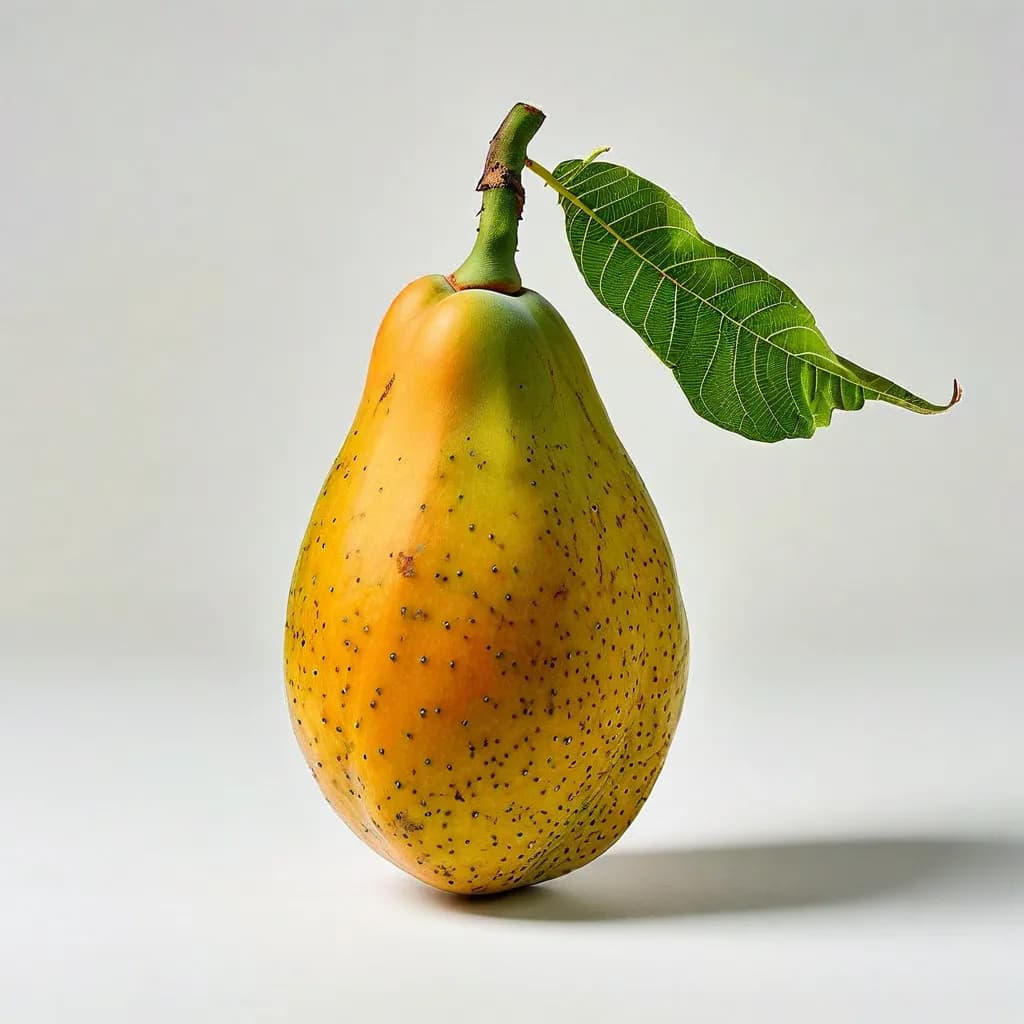
Asimina triloba
The American Pawpaw (Asimina triloba) is North America's largest native fruit, a hidden gem with a flavor that evokes a tropical vacation. This oblong, green-skinned fruit, often clustered in groups like bananas, yields to gentle pressure when ripe, revealing a creamy, custard-like flesh ranging from pale yellow to deep orange. Its complex flavor profile is a captivating blend of banana, mango, and vanilla custard, with subtle floral and melon notes. The texture is luxuriously smooth and rich, akin to a ripe avocado or thick pudding, studded with several large, dark brown, bean-like seeds. Botanically, it is the only temperate member of the tropical Annonaceae (custard apple) family, making it a unique and hardy survivor from a bygone era. Pawpaws grow on small, understory trees with distinctive large, drooping leaves, and they ripen in late summer to early autumn, offering a fleeting, seasonal treat. Historically foraged by Indigenous peoples and early European settlers, the fruit is now experiencing a culinary renaissance among chefs and home gardeners captivated by its exotic taste and remarkable nutritional profile.
Explore American Pawpaw in stunning detail
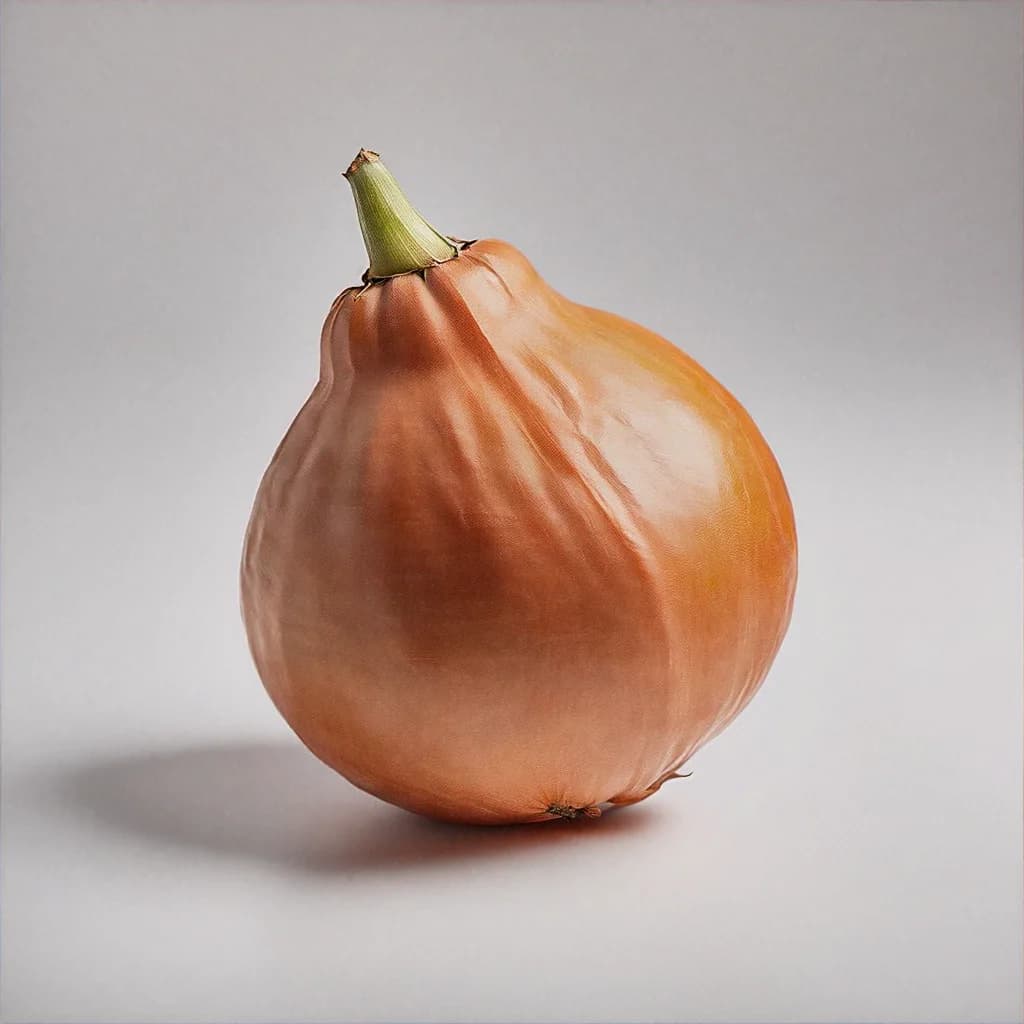
American Pawpaw - Main View
Per 100g
Per 100g
Nutrition breakdown for one serving
Eastern United States and Southern Canada
The American Pawpaw has a deep history in North America. Fossil records show its ancestors were present on the continent millions of years ago. It was a staple food for many Indigenous nations, who cultivated it, used it in trade, and incorporated it into traditional medicine. European explorers, including Hernando de Soto and later Lewis and Clark, documented and relied on the fruit during their expeditions. Thomas Jefferson planted pawpaws at Monticello and sent seeds to France. Despite its historical importance, the fruit never achieved large-scale commercial success in the 20th century due to its short shelf-life and difficulty in mechanical harvesting, leading it to become a largely foraged 'wild' fruit. However, a revival began in the late 20th century with dedicated breeders developing named cultivars with superior flavor and yield, sparking renewed interest from chefs, foodies, and sustainable agriculture advocates.
Late August to October
Each variety offers unique flavors, textures, and culinary applications
Keep your fruit fresh and delicious for longer
Select fruits that yield gently to pressure, similar to a ripe peach or avocado.
Look for skin that is mostly green but may have developed black speckles or a slight yellowish tinge when fully ripe.
Avoid fruits that are rock hard (underripe) or feel mushy and have broken skin (overripe).
The fruit should have a faint, sweet, floral aroma at the stem end when ripe.
If buying slightly underripe, choose fruits without major blemishes or deep bruises.
Ripe pawpaws are highly perishable and should be consumed within 2-3 days.
Store ripe pawpaws in the refrigerator in a loosely sealed plastic bag to slow ripening and retain moisture.
To ripen firm pawpaws, leave them at room temperature in a single layer, out of direct sunlight; they ripen quickly.
Once ripe, the flesh can be scooped out and stored in an airtight container in the refrigerator for immediate use.
Preserve freshness for months
Scoop the ripe pulp from the seeds and skin.
Puree the pulp or leave it in chunks, and mix with a small amount of lemon juice to prevent browning.
Portion into airtight freezer bags or containers, removing as much air as possible, and freeze for up to 6 months.
Label frozen items with the date to track freshness. Most fruits maintain quality for 2-3 months when properly frozen. For best results, use airtight containers or freezer bags to prevent freezer burn.
Discover delicious possibilities
True allergies to pawpaw are rare but possible. Some individuals with known sensitivities to other fruits in the Annonaceae family (e.g., cherimoya, soursop) may experience cross-reactivity. The skin and seeds of the fruit contain higher concentrations of potentially irritating compounds and should not be consumed.
Commercially grown pawpaw is typically a low-spray or organic crop due to its natural pest resistance (thanks to its acetogenins). Foraged wild fruit should be washed thoroughly to remove environmental contaminants.
Surprising trivia you'll love!
Pawpaw is the host plant for the larvae of the beautiful Zebra Swallowtail butterfly. The butterflies lay their eggs exclusively on pawpaw leaves, and the caterpillars feed on the leaves, which contain insecticidal acetogenins that make the caterpillars (and later, the butterflies) toxic to predators.
The Lewis and Clark expedition nearly starved in 1806 while waiting for supplies; they survived largely by trading with Native Americans for pawpaws, which Meriwether Lewis noted were 'very delicious and nourishing.'
Pawpaw trees have a primitive flower structure that is pollinated primarily by flies and beetles, not bees. The maroon, downward-hanging flowers emit a faint scent of fermented fruit or rotting meat to attract these pollinators.
George Washington's favorite dessert was reportedly chilled pawpaw fruit, and Thomas Jefferson cultivated pawpaws at his Monticello estate and championed them as a valuable native crop.
Pawpaw fruits contain natural compounds called acetogenins, which are being studied for their potential pharmaceutical applications, including pesticidal and anti-cancer properties.
There is an annual Ohio Pawpaw Festival held in Albany, Ohio, celebrating the fruit with food, music, contests, and educational workshops, drawing thousands of enthusiasts.
The taste of an American Pawpaw is famously complex and often described as a tropical custard. The most common flavor notes are a pronounced blend of banana and mango, with subtle hints of vanilla, melon, and sometimes even pineapple or citrus. The texture is the real star—incredibly creamy, smooth, and rich, similar to a ripe avocado or a thick banana pudding. This unique combination of tropical flavor and luxurious texture is why it has earned nicknames like 'the poor man's banana' and 'the hipster mango.' The flavor can vary between varieties and based on ripeness, with some having more pronounced floral notes or a stronger custard character. It's a truly unique eating experience that surprises most first-timers.
Eating a fresh pawpaw is a simple, hands-on process. First, ensure the fruit is fully ripe—it should yield to gentle pressure like a ripe peach. Rinse the skin. Using a knife, slice the fruit lengthwise around the center, avoiding the large seeds. Gently twist the two halves apart. You'll see the creamy flesh and several large, dark brown seeds. Use a spoon to scoop the flesh away from the skin and around the seeds, much like you would with an avocado or kiwi. The seeds are not edible and should be discarded or saved for planting. The skin is also not typically eaten. The pulp can be eaten straight from the spoon, mashed, or pureed for use in recipes. Be prepared for a messy, delightful experience!
Despite the similar-sounding name, the American Pawpaw (Asimina triloba) is not botanically related to the tropical papaya (Carica papaya). The confusion stems from common naming. The pawpaw is a member of the Annonaceae family, which includes cherimoya, soursop, and custard apple—all known for their creamy textures. The papaya belongs to the Caricaceae family. They are entirely different plants from different continents and evolutionary lineages. The pawpaw is native to temperate North America, while the papaya originated in tropical Central and South America. Their only real similarities are being oblong fruits with edible flesh and seeds inside, but their flavors, textures, growing requirements, and botanical structures are distinct.
Pawpaw offers a compelling array of health benefits rooted in its impressive nutrient profile. It's a significant source of heart-healthy potassium, which helps regulate blood pressure. The vitamin C content supports a robust immune system and skin health through collagen production. Its rich array of antioxidants, including unique compounds called acetogenins, along with carotenoids like lutein, help combat oxidative stress and may support eye health. The fruit provides a good amount of dietary fiber for digestive wellness and contains essential minerals like magnesium for nerve and muscle function, and manganese for bone health. Furthermore, its low glycemic index makes it a suitable fruit choice for those managing blood sugar levels. It's a nutrient-dense, whole food that supports overall wellness.
Sustainability insights
Pawpaw is a champion of sustainable, low-input agriculture. As a native perennial tree, it supports local ecosystems, requires minimal pesticides due to its natural defenses, and helps preserve genetic biodiversity. Its deep root system prevents erosion and improves soil health. Growing pawpaws promotes agroforestry and reduces reliance on imported tropical fruits with higher food miles.
Very low when grown and consumed locally. As a tree crop, it sequesters carbon. Its primary environmental impact comes from refrigeration during very short-term storage and potential transportation if shipped long-distance, though most pawpaws are sold within regional markets.
Moderate. As an understory tree native to riverbanks and floodplains, it is relatively drought-tolerant once established but benefits from consistent moisture. It requires far less irrigation than many conventional orchard crops like almonds or citrus.
Choosing locally grown or foraged pawpaw has a significantly lower environmental impact than imported tropical fruits. It eliminates thousands of food miles, supports regional farmers, and preserves genetic diversity of a native species, making it an exemplary choice for seasonal, locavore diets.
We aim to keep this American Pawpaw profile accurate and easy to understand. Nutrition values and % Daily Value figures are based on established reference databases and standard daily value guidance.
Last updated: September 21, 2026
Medical disclaimer
This page is for general educational purposes and does not replace professional medical advice.
Found an issue? Contact us.