Loading Fruit Details...
Please wait while we fetch nutritional information and health benefits
Please wait while we fetch nutritional information and health benefits
Recommended Products
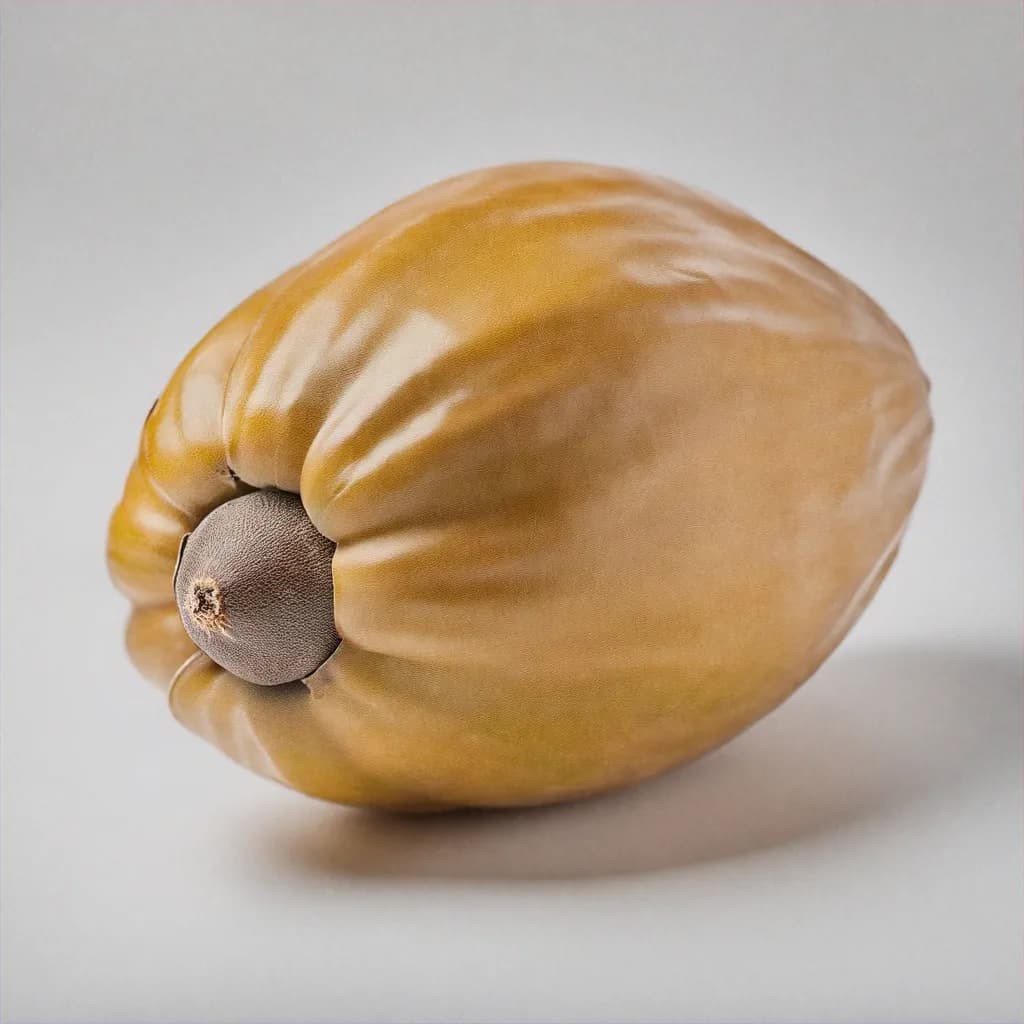
Vasconcellea heilbornii
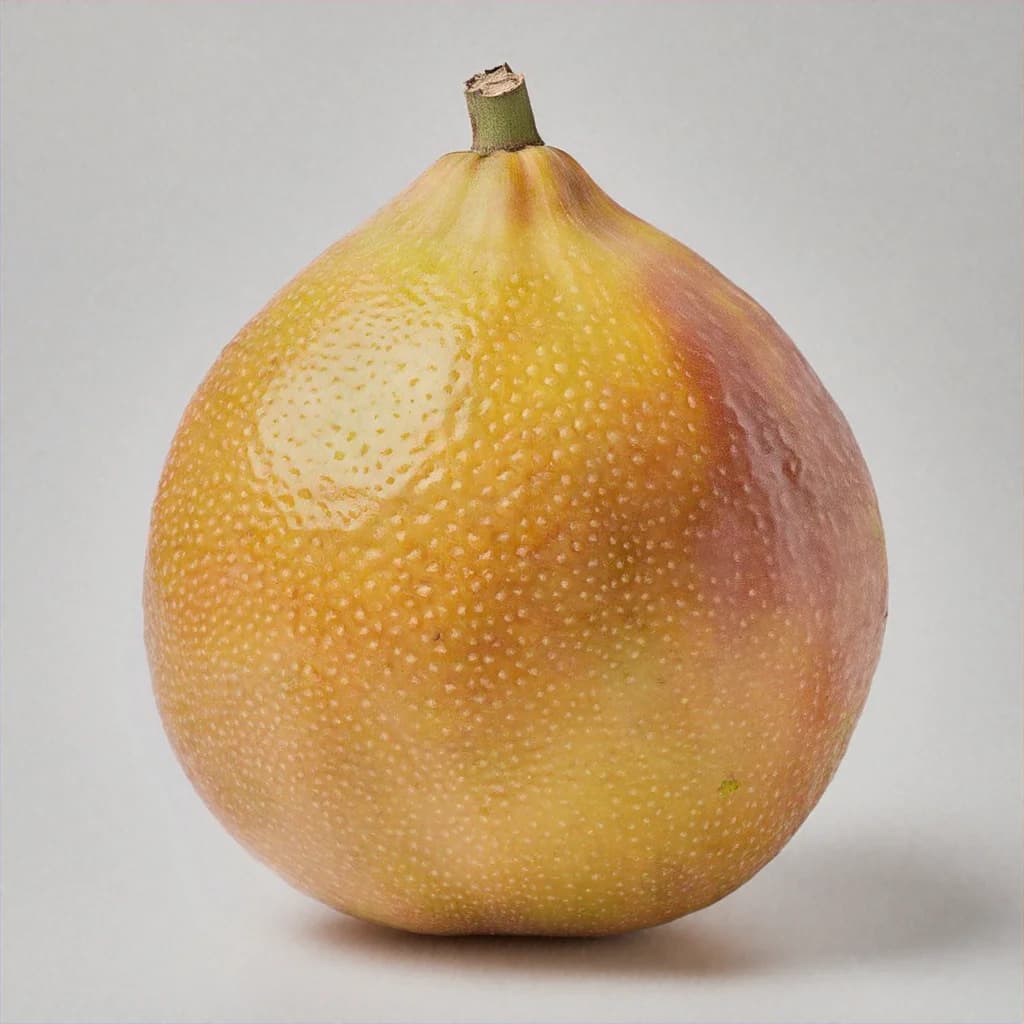
The babaco, scientifically known as Vasconcellea heilbornii, is a tropical fruit native to the Andean regions of South America, celebrated for its unique blend of sweet and tangy flavors reminiscent of pineapple, papaya, and strawberry. This seedless, pentagonal-shaped fruit boasts a smooth, thin, and edible golden-yellow skin that encases a juicy, pale-yellow to light-orange flesh with a slightly gelatinous yet refreshing texture. Unlike its close relative, the papaya, the babaco is entirely seedless, making it exceptionally convenient for culinary use. Its aroma is subtly floral with citrusy undertones, while its taste profile offers a delightful balance of acidity and sweetness, making it a versatile ingredient in both raw and cooked dishes. Rich in vitamin C, fiber, and antioxidants like beta-carotene and polyphenols, the babaco is not only a culinary delight but also a nutritional powerhouse, supporting immune function, digestive health, and skin vitality. Cultivated primarily in Ecuador, New Zealand, and Australia, the babaco thrives in subtropical climates and is often enjoyed fresh, blended into smoothies, or incorporated into desserts, salads, and savory dishes for a burst of tropical flavor.
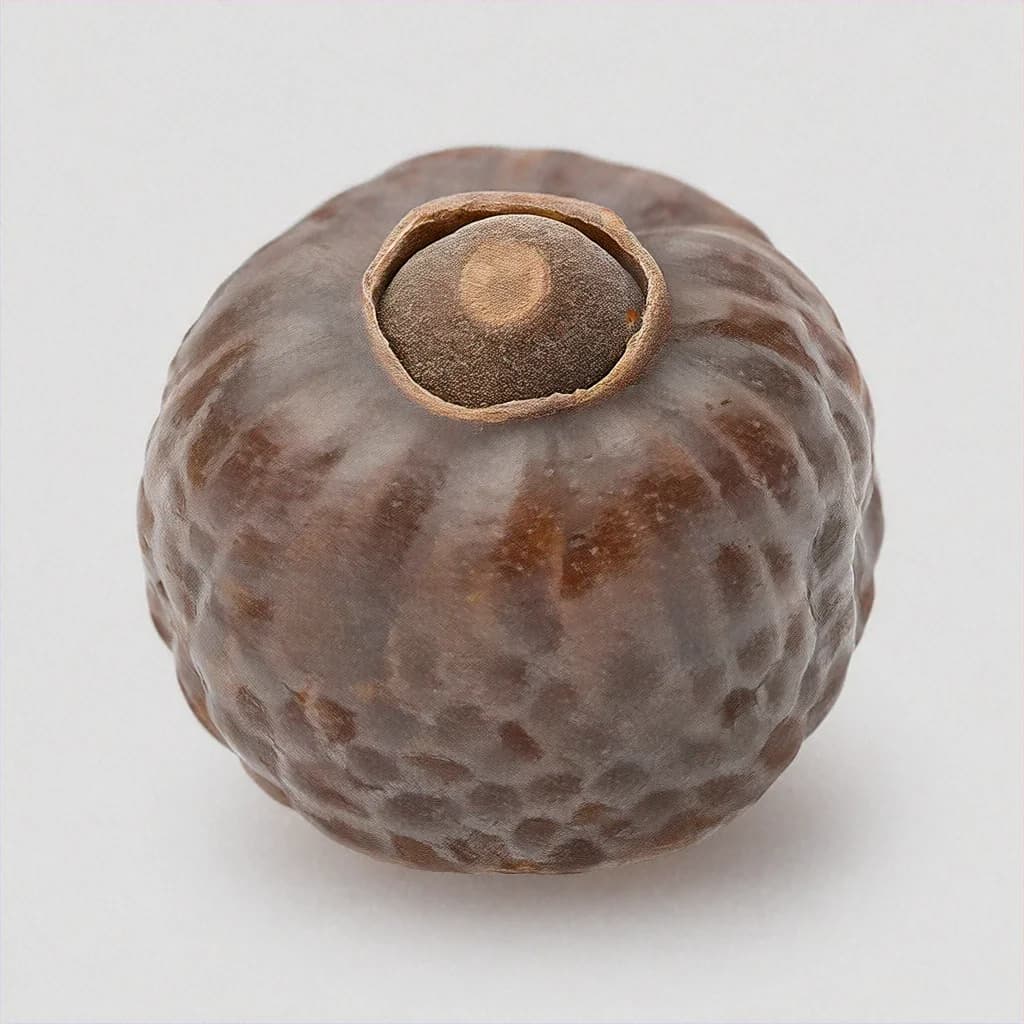
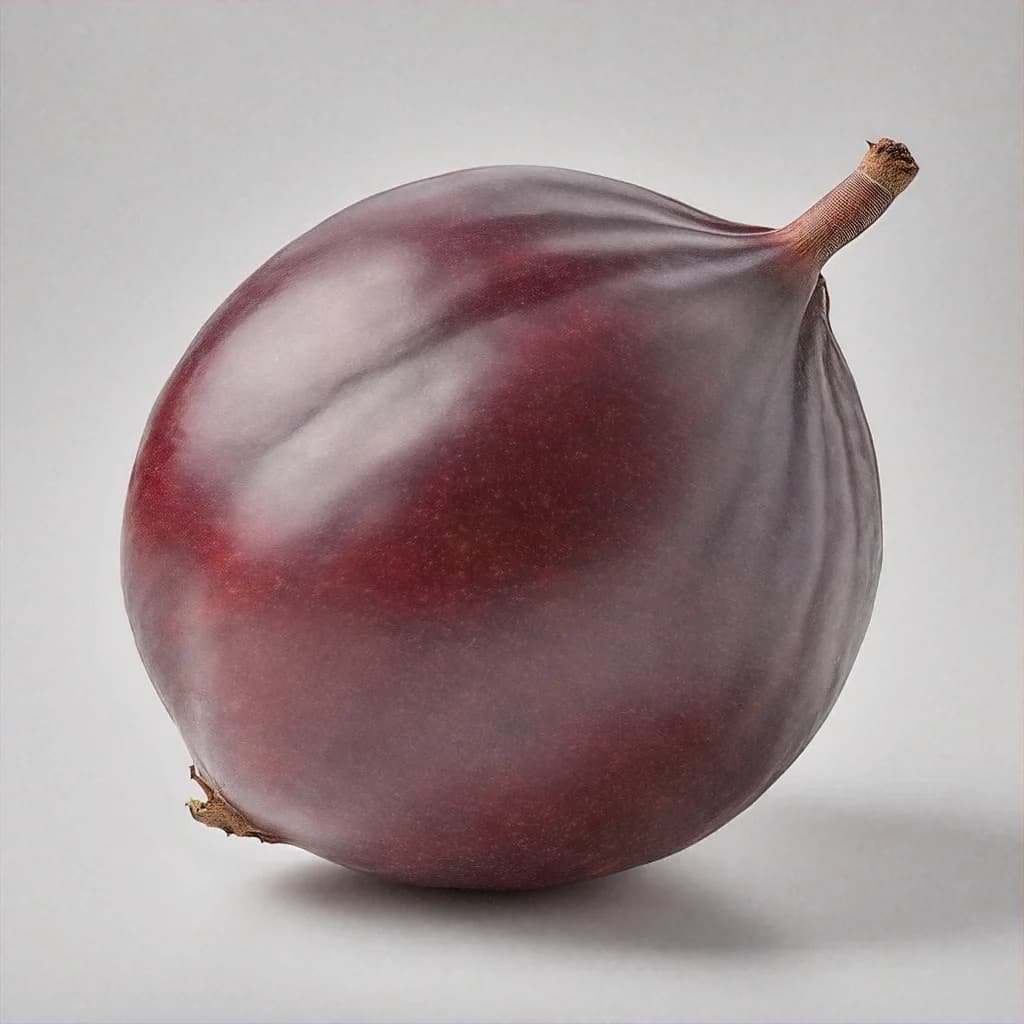
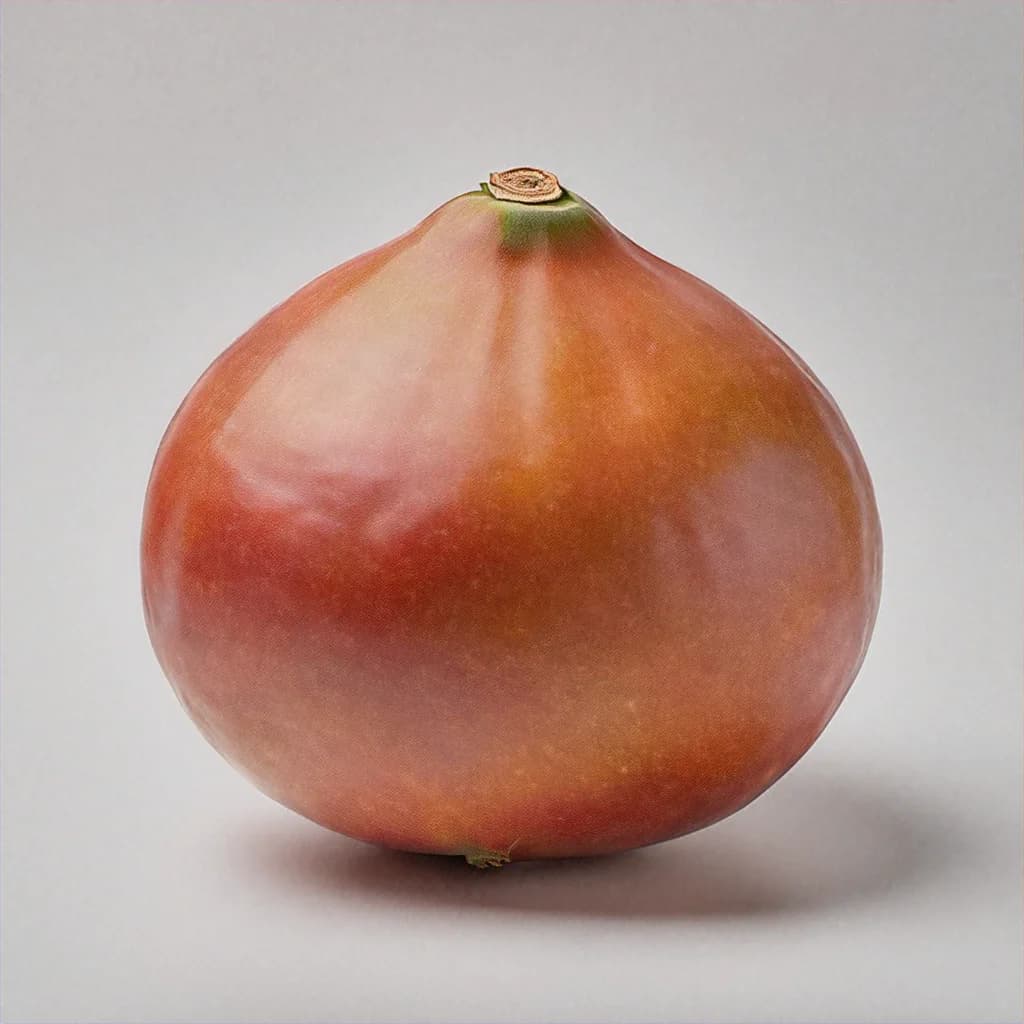
Explore babaco in stunning detail
babaco - Main View
Per 100g
Per 100g
Nutrition breakdown for one serving
Andean highlands of Ecuador and southern Colombia
The babaco is believed to have originated in the Andean regions of Ecuador and Colombia, where it has been cultivated for centuries by indigenous communities. It gained global attention in the 20th century when New Zealand and Australia began commercial cultivation, leveraging its adaptability to subtropical climates. The fruit was introduced to Europe and the Middle East in the 1980s, where it became a niche exotic fruit. Today, Ecuador remains the largest producer, exporting babaco to markets in North America, Europe, and Asia. Its unique seedless nature and versatile culinary applications have contributed to its growing popularity among health-conscious consumers and chefs alike.
Year-round in tropical climates; peak production in late summer to early autumn in subtropical regions.
Each variety offers unique flavors, textures, and culinary applications
Keep your fruit fresh and delicious for longer
Select babacos that are firm but yield slightly to gentle pressure, indicating ripeness without being overly soft.
Look for fruits with a vibrant golden-yellow skin, free of blemishes, bruises, or green patches (which indicate underripeness).
Avoid fruits with wrinkled or shriveled skin, as this may signal dehydration or overripeness.
Smell the stem end; a sweet, tropical aroma indicates ripeness, while a lack of scent suggests it may need more time to ripen.
Choose medium-sized babacos (around 200-300g), as overly large fruits may have a less concentrated flavor.
Store unripe babacos at room temperature (around 20°C/68°F) until they soften and develop a golden hue, which may take 2-3 days.
Once ripe, refrigerate babacos in a perforated plastic bag to slow further ripening and extend shelf life by up to 5 days.
Avoid storing babacos near ethylene-producing fruits (e.g., apples, bananas), as this can accelerate ripening and spoilage.
For cut babaco, wrap tightly in plastic wrap or store in an airtight container in the refrigerator for up to 3 days.
Preserve freshness for months
Peel and slice babaco into chunks, removing any fibrous core if present.
Arrange slices on a parchment-lined tray and freeze for 2 hours to prevent clumping.
Transfer frozen slices to a freezer-safe bag or container, removing excess air to prevent freezer burn.
Frozen babaco can be stored for up to 6 months and is best used in smoothies, sauces, or desserts.
Label frozen items with the date to track freshness. Most fruits maintain quality for 2-3 months when properly frozen. For best results, use airtight containers or freezer bags to prevent freezer burn.
Discover delicious possibilities
Babaco is generally considered safe for most people, but individuals with latex allergies may experience cross-reactivity due to the presence of chitinases and other latex-like proteins in the fruit. Symptoms of an allergic reaction may include itching, swelling, or hives. If you have a known latex allergy, exercise caution when trying babaco for the first time.
Babaco is not typically listed on the Environmental Working Group's "Dirty Dozen" list, but conventionally grown babaco may still contain pesticide residues. To minimize exposure, opt for organic babaco when possible, or wash the fruit thoroughly under running water before consumption. Peeling the skin can also reduce pesticide residue, though the skin is edible and contains some nutrients.
Surprising trivia you'll love!
Babaco is one of the few naturally seedless fruits, making it a rare find in the plant kingdom and a favorite among those who dislike seeds in their fruit.
The fruit is sometimes called the "mountain papaya" due to its Andean origins and resemblance to papaya, though it thrives at higher elevations where papaya cannot grow.
Babaco plants are parthenocarpic, meaning they produce fruit without fertilization, which is why the fruit is seedless.
In Ecuador, babaco is often used in traditional medicine to soothe digestive issues, thanks to its proteolytic enzymes that aid in protein digestion.
The babaco plant is a natural hybrid of two wild Vasconcellea species, making it a relatively new addition to commercial agriculture compared to ancient fruits like mango or fig.
Babaco leaves and stems contain latex, which has been used in some cultures as a natural adhesive or even as a mild insect repellent.
The fruit's pentagonal shape is unique among fruits and is a result of its five carpels (seed chambers), even though it produces no seeds.
Babaco is gaining popularity in the culinary world as a "superfruit" due to its high vitamin C content, which is higher than that of oranges per 100g.
Babaco offers a unique flavor profile that blends the sweetness of papaya, the tanginess of pineapple, and the subtle floral notes of strawberry. Its taste is often described as a harmonious balance between sweet and tart, with a refreshing, juicy texture. Unlike papaya, babaco is entirely seedless, which makes it more convenient to eat and cook with. The flesh is slightly gelatinous yet crisp, and its aroma is mildly tropical with citrusy undertones. The flavor can vary slightly depending on ripeness—less ripe babacos tend to be more tart, while fully ripe ones are sweeter and more aromatic.
Babaco is incredibly versatile and can be enjoyed in numerous ways. The simplest method is to eat it fresh: slice the fruit in half lengthwise and scoop out the flesh with a spoon, similar to how you would eat a papaya. You can also peel the skin and slice the flesh into cubes or wedges for fruit salads, smoothies, or desserts. For a savory twist, babaco works well in salsas, ceviche, or grilled alongside meats. Its natural enzymes make it an excellent meat tenderizer, so it can be used in marinades. Additionally, babaco can be pureed into sauces, baked into goods, or even fermented into beverages like kombucha. The skin is edible but often removed due to its slightly bitter taste.
While babaco and papaya are closely related—both belonging to the Caricaceae family—they are distinct fruits with notable differences. Babaco (Vasconcellea heilbornii) is a hybrid of two Vasconcellea species and is entirely seedless, whereas papaya (Carica papaya) contains numerous black seeds. Babaco has a pentagonal shape with a smoother, thinner skin, while papaya is typically oval or pear-shaped with thicker skin. Flavor-wise, babaco is less sweet and more tangy, with a texture that is slightly firmer and less mushy than papaya. Nutritionally, babaco is lower in calories and sugar but higher in vitamin C and certain antioxidants. Both fruits share proteolytic enzymes, making them useful as natural meat tenderizers.
Babaco is a nutritional powerhouse, offering a wide range of health benefits due to its rich content of vitamins, minerals, and antioxidants. It is an excellent source of vitamin C, providing 38% of the daily value (DV) per 100g, which supports immune function, collagen production, and skin health. The fruit also contains fiber (4% DV), which aids digestion and promotes gut health. Its antioxidants, including beta-carotene, polyphenols, and flavonoids, help combat oxidative stress and reduce inflammation. Babaco is low in calories (21 kcal per 100g) and has a low glycemic index (32), making it suitable for weight management and blood sugar control. Additionally, it provides potassium (3% DV), which supports heart health, and small amounts of folate, magnesium, and calcium for overall well-being.
Yes, babaco can be frozen to extend its shelf life and preserve its nutrients for later use. To freeze babaco, start by peeling and slicing the fruit into chunks, removing any fibrous core if present. Arrange the slices on a parchment-lined tray and freeze them for about 2 hours to prevent clumping. Once frozen, transfer the slices to a freezer-safe bag or airtight container, removing as much air as possible to prevent freezer burn. Frozen babaco can be stored for up to 6 months and is best used in smoothies, sauces, or desserts where its texture may soften. Avoid thawing babaco at room temperature, as this can make it mushy; instead, add frozen slices directly to blenders or recipes that require cooking.
Babaco is considered an exotic fruit, so it may not be available in all grocery stores, but it can be found in specialty markets, health food stores, or online retailers. In regions where it is cultivated, such as Ecuador, New Zealand, or Australia, babaco is more commonly available in local supermarkets or farmers' markets. In North America and Europe, you may find it in stores that specialize in tropical or Latin American fruits, or in larger supermarkets with an international produce section. Online platforms like Amazon, specialty fruit websites, or ethnic grocery delivery services may also carry babaco, especially in frozen or dried forms. If you're unable to find fresh babaco, consider looking for babaco puree or juice as alternatives for culinary use.
Sustainability insights
Babaco is considered a relatively sustainable crop due to its low water requirements compared to other tropical fruits like mango or avocado. It thrives in subtropical climates and can be grown in regions where water scarcity is a concern. Additionally, babaco plants are perennial, reducing the need for frequent replanting and soil disruption. However, commercial cultivation often relies on monoculture farming, which can deplete soil nutrients and increase pest pressure, necessitating sustainable farming practices like crop rotation and integrated pest management.
The carbon footprint of babaco varies depending on its origin and transportation methods. Locally grown babaco in Ecuador or New Zealand has a lower carbon footprint compared to fruit imported to North America or Europe. Air freight significantly increases the carbon footprint, so choosing babaco grown in nearby regions or opting for frozen or dried forms can reduce environmental impact. Supporting fair-trade and organic babaco can also promote sustainable farming practices.
Babaco requires moderate water usage, with an estimated 500-700 liters of water per kilogram of fruit produced. While this is lower than water-intensive crops like almonds or cotton, it is still important to consider water conservation practices, such as drip irrigation, to minimize waste. In regions with water scarcity, babaco's adaptability to drier conditions makes it a more sustainable choice compared to other tropical fruits.
Choosing locally grown babaco (where available) is the most sustainable option, as it reduces transportation emissions and supports local farmers. In regions where babaco is not native, such as North America or Europe, opting for babaco from the closest producing country (e.g., Ecuador for the U.S. or New Zealand for Australia) can minimize the carbon footprint. Frozen or dried babaco is another sustainable alternative, as it reduces spoilage and transportation weight. Always check for certifications like Fair Trade or Organic to ensure ethical and sustainable sourcing.
We aim to keep this babaco profile accurate and easy to understand. Nutrition values and % Daily Value figures are based on established reference databases and standard daily value guidance.
Last updated: September 18, 2026
Medical disclaimer
This page is for general educational purposes and does not replace professional medical advice.
Found an issue? Contact us.