Loading Fruit Details...
Please wait while we fetch nutritional information and health benefits
Please wait while we fetch nutritional information and health benefits
Recommended Products
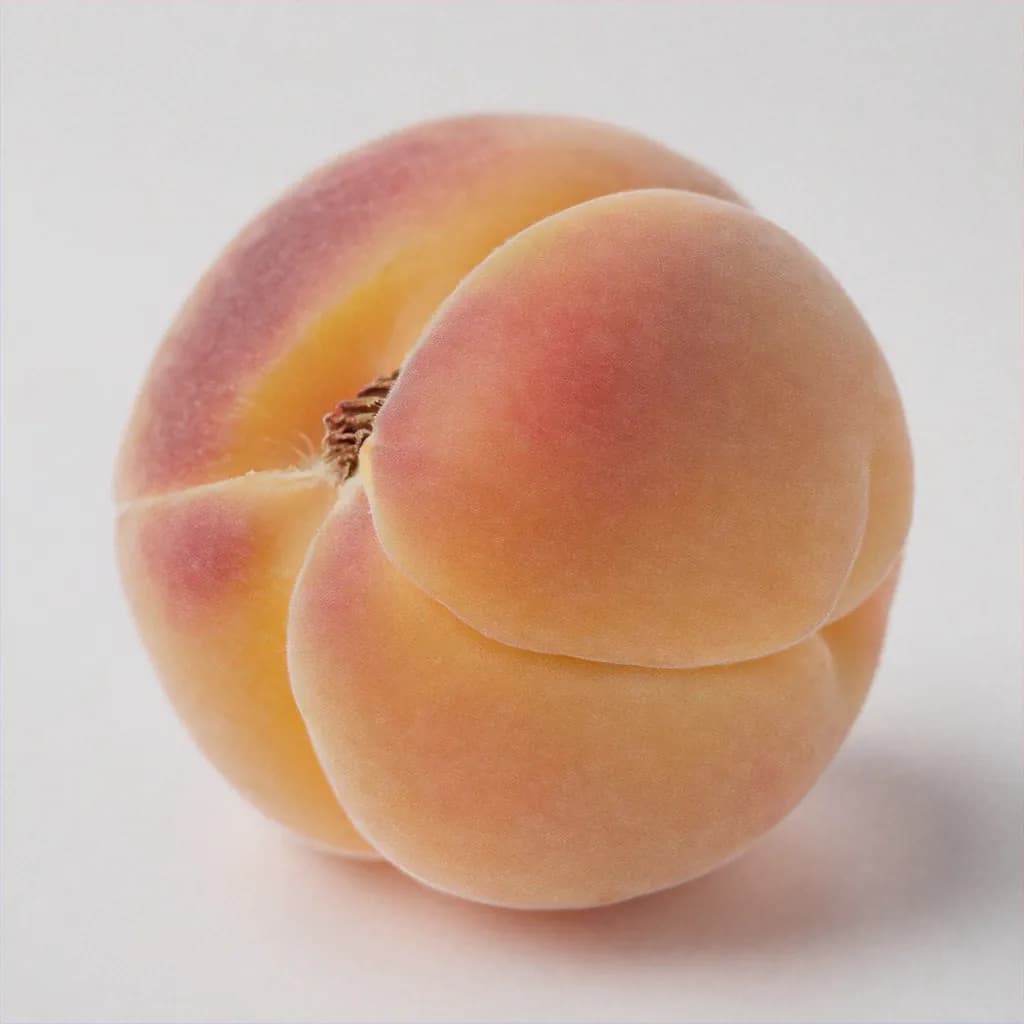
Prunus armeniaca
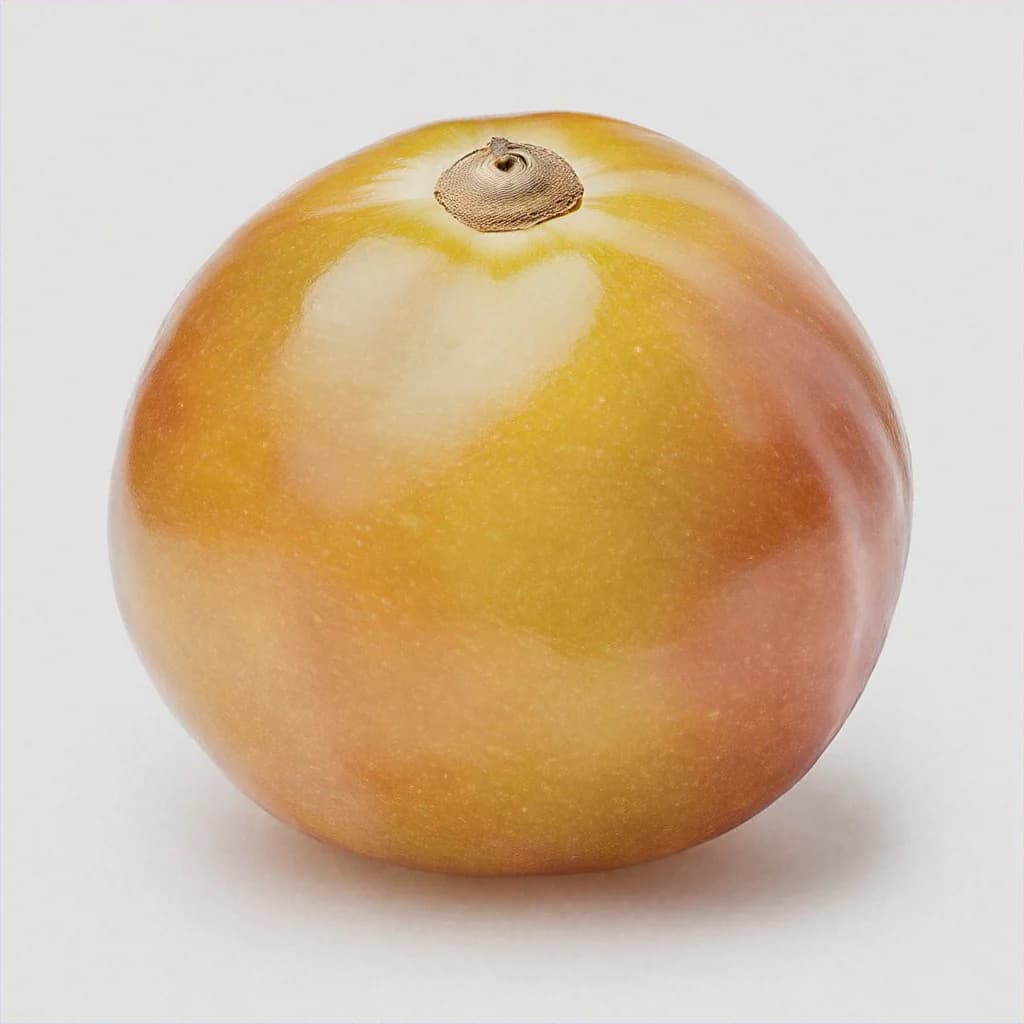
The apricot is a golden-orange stone fruit prized for its velvety skin, sweet-tart flavor, and aromatic fragrance. Native to Central Asia, apricots have been cultivated for over 4,000 years and are celebrated for their versatility in both fresh and dried forms. Rich in vitamin A, fiber, and antioxidants, apricots support eye health, immune function, and digestive wellness. The fruit's smooth, fuzzy skin encases tender, juicy flesh surrounding a single large pit. Available fresh during summer months and dried year-round, apricots offer concentrated nutrition and natural sweetness that enhance countless culinary preparations from jams to savory tagines.
Explore Apricot in stunning detail
Apricot - Main View
Per 100g
Per 100g
Nutrition breakdown for one serving
Central Asia (Armenia, China, and surrounding regions)
Apricots originated in Central Asia over 4,000 years ago, with archaeological evidence suggesting cultivation in Armenia and China since 3000 BCE. Ancient traders carried apricots along the Silk Road, spreading them throughout the Middle East and Mediterranean. The Romans introduced apricots to Europe, and Spanish missionaries brought them to California in the 18th century. The scientific name 'Prunus armeniaca' reflects the historical belief that apricots originated in Armenia, though genetic studies confirm Central Asian origins. Today, Turkey produces nearly 20% of the world's apricots, with the Malatya region famous for premium dried apricots.
Late spring through summer in Northern Hemisphere
Each variety offers unique flavors, textures, and culinary applications
Keep your fruit fresh and delicious for longer
Select firm but slightly soft apricots with rich orange-golden color
Avoid green, very hard, or pale yellow fruit - they won't ripen properly after picking
Look for plump, uniform color without blemishes or bruises
Gently squeeze - ripe apricots yield slightly to pressure
Smell the stem end - ripe apricots have sweet, fragrant aroma
Avoid overly soft, mushy, or wrinkled fruit indicating overripeness
Check for mold, especially around the stem area
Fresh apricots should have velvety, fuzzy skin texture
For dried apricots, choose plump, soft fruit without hardening or crystallization
Store ripe apricots in refrigerator for 3-5 days
Keep unripe apricots at room temperature in paper bag until they yield slightly to pressure
Don't wash until ready to eat to prevent premature spoilage
Store away from ethylene-sensitive produce
Once ripe, refrigerate to slow further ripening
Dried apricots keep for several months in airtight container in cool, dark place
Refrigerate dried apricots for extended shelf life (6-12 months)
Preserve freshness for months
Wash, halve, and remove pits before freezing
Optional: treat with lemon juice or ascorbic acid to prevent browning
Spread halves on parchment-lined tray, freeze until solid
Transfer to freezer bags, removing excess air
Frozen apricots maintain quality for 10-12 months
Use frozen apricots in smoothies, baking, jams, or sauces
Label frozen items with the date to track freshness. Most fruits maintain quality for 2-3 months when properly frozen. For best results, use airtight containers or freezer bags to prevent freezer burn.
Discover delicious possibilities
Apricot allergies are relatively uncommon but can occur, particularly in individuals with birch pollen allergies due to cross-reactivity (oral allergy syndrome). Reactions typically include itching or swelling of the mouth, lips, tongue, and throat. Rarely, apricots can trigger more severe allergic reactions including hives, digestive symptoms, or anaphylaxis. People allergic to other stone fruits (peaches, plums, cherries) may react to apricots. Dried apricots preserved with sulfites can trigger reactions in sulfite-sensitive individuals, causing respiratory symptoms especially in asthmatics.
Apricots typically have lower pesticide residue than soft berries but still benefit from washing. Conventional apricots may contain pesticide residues from growing season treatments. Choose organic when possible, especially for dried apricots which concentrate any residues. Wash fresh apricots thoroughly under running water before eating. Unsulfured organic dried apricots avoid both pesticides and sulfite preservatives, though they appear darker brown rather than bright orange.
Surprising trivia you'll love!
Apricots are one of the oldest cultivated fruits, grown for over 4,000 years in Central Asia
The world's finest dried apricots come from Malatya, Turkey, which produces 85% of Turkey's apricot harvest
One dried apricot half contains about the same calories as one fresh apricot due to water removal concentrating nutrients
Apricot trees can live and produce fruit for 30-40 years with proper care
California produces 95% of apricots grown in the United States
Apricot kernels were historically used in traditional Chinese medicine, though their safety is questionable
The velvety fuzz on apricot skin helps protect the fruit from insects and sun damage
Apricots bloom very early in spring, making them vulnerable to late frosts that can destroy entire crops
Wild apricots still grow in the mountains of Central Asia where they originated thousands of years ago
Dried apricots offer concentrated nutrition but differ from fresh. The drying process removes water, concentrating sugars, fiber, and minerals - dried apricots have 5x more calories (241 vs 48 per 100g) and higher fiber (7.3g vs 2g). They're exceptionally rich in iron (2.7mg per 100g) and potassium (1162mg), making them excellent for energy and heart health. However, drying reduces vitamin C by about 75%. Many commercial dried apricots contain sulfur dioxide preservatives for color retention - choose unsulfured organic varieties when possible. Both forms are nutritious; fresh provides more vitamin C and fewer calories, while dried offers concentrated minerals and fiber. Moderation is key with dried apricots due to higher sugar and calorie density.
Yes, apricot skin is completely edible and nutritious! The velvety skin contains fiber, antioxidants, and vitamins. Always wash apricots thoroughly before eating to remove any pesticide residues or dirt. The skin adds texture and nutritional value. Some people prefer peeling for certain recipes or if the skin is tough, but eating the whole fruit maximizes nutrition and reduces waste. Apricot skin is much thinner and more tender than peach skin, making it more palatable when eaten fresh.
Yes, apricots are excellent for relieving constipation! Fresh apricots provide 2g fiber per 100g, while dried apricots deliver 7.3g - both promote regular bowel movements. Dried apricots also contain sorbitol, a natural sugar alcohol with mild laxative effects. The combination of soluble and insoluble fiber helps soften stools and stimulate intestinal movement. Eating 5-6 dried apricots daily can effectively relieve constipation. Drink plenty of water when consuming dried apricots, as fiber needs water to work properly. Results typically appear within 12-24 hours. Apricots offer a gentle, natural alternative to harsh laxatives.
The white residue on dried apricots is typically crystallized natural sugar that has migrated to the surface during drying and storage. This is completely safe and normal, especially in unsulfured organic apricots. Sometimes the white substance is sulfur dioxide residue from preservation treatments used to maintain bright orange color. While FDA-approved, sulfites can trigger reactions in sensitive individuals. To avoid sulfites, choose organic unsulfured apricots (darker brown color). Simply rinse dried apricots before eating if concerned about surface residue. The crystallization doesn't indicate spoilage - it's just concentrated natural sugars.
Apricot kernels (seeds inside the pit) should be avoided or consumed with extreme caution. They contain amygdalin, a compound that converts to cyanide when digested. While some cultures use small amounts in traditional medicine, consuming large quantities can cause cyanide poisoning with symptoms including headaches, dizziness, nausea, and in severe cases, respiratory failure. The FDA advises against eating apricot kernels. Stick to eating the fruit flesh, which is completely safe and nutritious. If you encounter apricot kernels in ethnic markets or health stores making cancer-prevention claims, approach with skepticism - scientific evidence doesn't support therapeutic benefits and risks outweigh any potential benefits.
Fresh apricot season runs late May through August in the Northern Hemisphere, with peak availability in June and July. California's season typically begins in late May, while regions with cooler climates harvest through August. European apricots (Mediterranean, Middle East) are available June through August. Southern Hemisphere countries (Chile, Australia, South Africa) harvest January through March, occasionally providing fresh apricots in winter. Dried apricots are available year-round and maintain nutritional value. For best flavor and value, buy fresh apricots at peak season from local farmers markets. Frozen and canned apricots extend availability throughout the year.
Most adults can safely enjoy 3-4 fresh apricots (about 150-200g) daily, providing excellent nutrition without excessive sugar. This amount delivers substantial vitamin A, fiber, and antioxidants. For dried apricots, limit to 5-8 pieces (30-40g) daily due to concentrated sugars and calories - they're more calorie-dense than fresh. Eating too many dried apricots can cause digestive upset, diarrhea (from sorbitol), or excessive calorie intake. Diabetics should monitor portions carefully due to natural sugar content. Children can eat 1-2 fresh apricots or 3-4 dried pieces daily. Listen to your body - moderation is key. Variety in fruit consumption ensures diverse nutrient intake.
Apricots are exceptional for eye health due to high concentrations of vitamin A (96 μg RAE per 100g) and carotenoids. Beta-carotene converts to vitamin A in the body, essential for vision, especially night vision and low-light conditions. Lutein and zeaxanthin, carotenoids concentrated in apricots, accumulate in the retina and protect against harmful blue light and oxidative damage. Regular consumption may reduce age-related macular degeneration (AMD) and cataracts risk. Vitamin C and vitamin E provide additional antioxidant protection. Studies show diets rich in carotenoid-containing fruits like apricots support long-term eye health. Eating 2-3 apricots daily contributes meaningfully to vision protection.
Sustainability insights
Apricot cultivation is moderately sustainable, requiring less water than many tree crops. Apricot trees are drought-tolerant once established and thrive in Mediterranean climates. Traditional orchards support biodiversity and require minimal inputs. However, large-scale commercial operations may use synthetic pesticides and fertilizers. Organic and biodynamic apricot farming is growing, particularly in Turkey and California. Apricot trees fix nitrogen, improving soil health. Dried apricot production is energy-intensive (drying process) but reduces food waste and transportation emissions by concentrating product. Supporting local, seasonal fresh apricots and organic dried apricots promotes sustainability.
Fresh apricots from local sources during peak season (June-August) have minimal carbon footprint. Drying apricots requires energy but extends shelf life and reduces spoilage waste. Off-season fresh apricots require long-distance shipping, increasing emissions. Dried apricots from Turkey (world's largest exporter) have moderate footprint due to sea freight. Choosing dried over imported fresh during off-season can actually reduce carbon impact. Domestic production (California apricots) minimizes transportation emissions. Organic orchards often have lower carbon footprint due to reduced synthetic inputs.
Apricot trees are relatively water-efficient compared to many fruit crops, especially once established. Mature trees require approximately 500-800mm annual water, primarily during fruit development. Drip irrigation systems significantly reduce water waste. Apricots thrive in semi-arid regions with moderate rainfall. Water footprint is approximately 120-180 liters per kilogram of fresh apricots, lower than many fruits. Dried apricots concentrate this footprint but eliminate water needed for refrigerated storage and transportation. Sustainable farms implement rainwater harvesting and mulching to minimize irrigation needs.
Buying local apricots during peak season (June-August in Northern Hemisphere) maximizes sustainability and supports regional farmers. Fresh local apricots eliminate long-distance transportation emissions and ensure peak ripeness and flavor. During off-season, dried apricots from sustainable producers offer a more eco-friendly alternative than air-freighted fresh fruit. California produces excellent fresh and dried apricots for North American markets. European consumers benefit from Mediterranean production (Turkey, Greece, Spain, Italy). Choose organic and fair-trade certified dried apricots to support sustainable farming practices and ethical labor conditions.
We aim to keep this Apricot profile accurate and easy to understand. Nutrition values and % Daily Value figures are based on established reference databases and standard daily value guidance.
Last updated: September 3, 2026
Medical disclaimer
This page is for general educational purposes and does not replace professional medical advice.
Found an issue? Contact us.