Loading Fruit Details...
Please wait while we fetch nutritional information and health benefits
Please wait while we fetch nutritional information and health benefits
Recommended Products
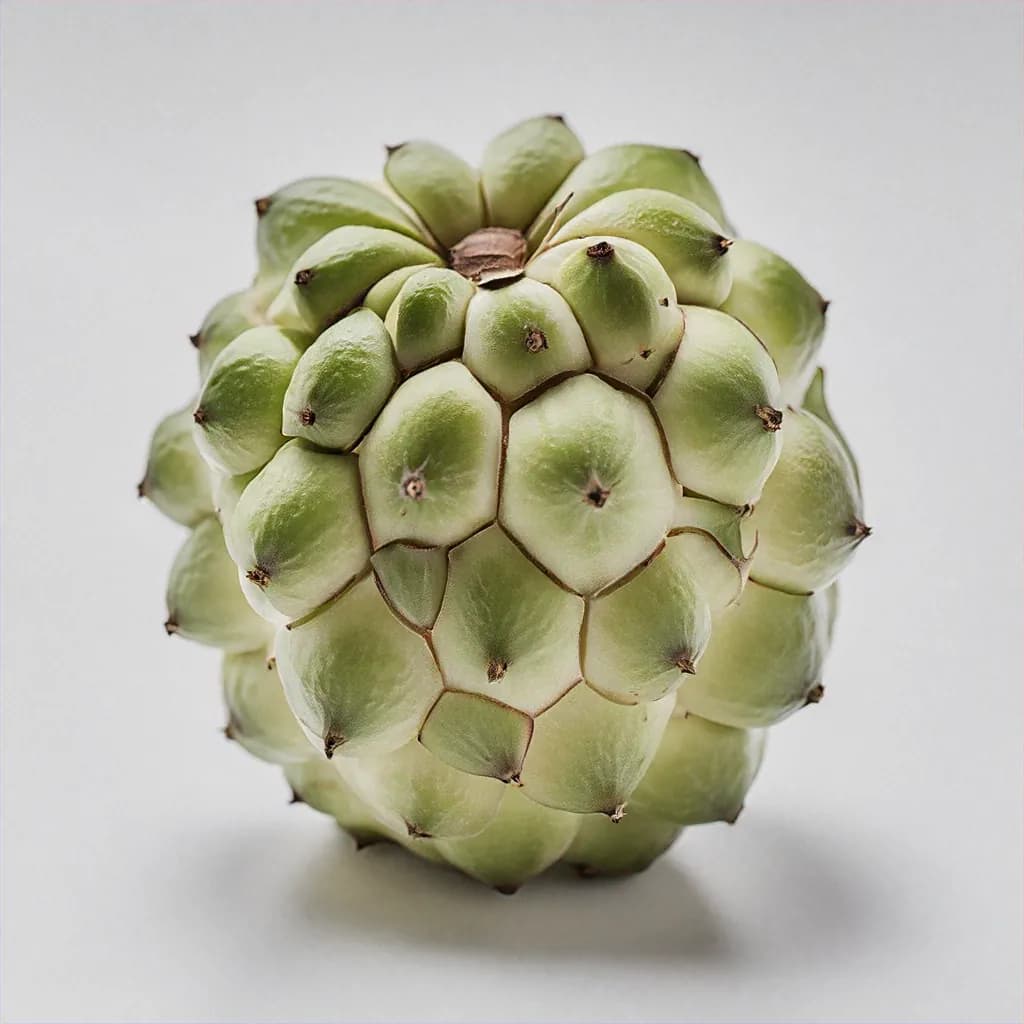
Annona × atemoya
Atemoya is a hybrid tropical fruit combining cherimoya and sugar apple characteristics with creamy white flesh and distinctive sweet flavor. Excellent source of vitamin B6 (25% DV) supporting brain health and metabolic function. Rich in fiber (3.1g) supporting digestive health and regularity. Contains polyphenols with antioxidant and anti-inflammatory benefits. Low calorie (67 per 100g) ideal for weight management. High water content (79%) supporting hydration. Native to Central America, atemoyas thrive in subtropical climates offering unique custard-like flavor with superfruit benefits.
Explore Atemoya in stunning detail
Atemoya - Main View
Per 100g
Per 100g
Nutrition breakdown for one serving
Central America, hybrid fruit combining cherimoya and sugar apple
Atemoya hybrid fruit created in Central America combining cherimoya and sugar apple characteristics. Modern hybrid development expanding cultivation. Guatemala establishing significant production. Mexican cultivation expanding commercial production. United States cultivation in Florida and California developing. Indian subcontinent adoption establishing growing markets. International recognition as emerging tropical superfruit increasing.
Peak season August-October in tropical regions
Each variety offers unique flavors, textures, and culinary applications
Keep your fruit fresh and delicious for longer
Select atemoyas with slight yield to gentle pressure indicating ripeness
Choose fruits without bruising or soft spots
Look for intact skin without cracks or discoloration
Avoid fruits with mold or deterioration
Fresh fruity aroma indicates optimal ripeness
Purchase during peak season August-October for best flavor
Source from tropical markets or specialty fruit suppliers
Ripen at room temperature 3-5 days until slightly soft
Refrigerate ripe fruits 3-5 days
Keep in coolest section of refrigerator
Do not wash until ready to eat
Can be frozen for up to 3 months
Freeze pulp in ice cube trays for smoothie use
Preserve freshness for months
Atemoya pulp freezes well for cooking and smoothies
Scoop pulp and freeze in containers
Maintain quality for 2-3 months frozen
Thaw before consuming fresh or use directly in cooking
Frozen pulp ideal for ice cream and beverage preparation
Whole fruit texture changes when frozen
Label frozen items with the date to track freshness. Most fruits maintain quality for 2-3 months when properly frozen. For best results, use airtight containers or freezer bags to prevent freezer burn.
Discover delicious possibilities
Atemoya allergies extremely rare with minimal documented cases. Tropical fruit allergies uncommon in general population. Allergic reactions very uncommon. Generally safe for most individuals. Those with severe tropical fruit allergies should consult allergist. Unlikely cross-reactivity with most fruits though possible with cherimoya and sugar apple.
Atemoyas cultivated with varying pesticide practices. Organic atemoyas available from certified producers. Conventional fruits acceptable with normal washing. Tropical suppliers often emphasizing sustainable practices. Careful handling during transport important.
Surprising trivia you'll love!
Atemoya is a hybrid fruit combining cherimoya and sugar apple created through modern agricultural breeding in Central America
Vitamin B6 content (25% DV) exceptional for supporting brain health and neurotransmitter production
Creamy custard-like texture gives atemoya the nickname 'custard apple' despite being distinct from traditional custard apple
Guatemala and Honduras major producers with significant commercial cultivation expanding globally
Atemoya thrives in subtropical climate zones making cultivation possible in Florida and California
High water content (79%) combined with fiber makes atemoya ideal hydrating fruit for weight management
Atemoya seeds should be removed before eating as they contain toxic compounds
Atemoya pulp freezes exceptionally well for ice cream and smoothie applications
Flavor profile combines sweet cherimoya characteristics with sugar apple mellow notes creating unique taste
Emerging superfruit status driven by nutritional profile and culinary versatility in modern cuisine
Atemoya exceptional tropical fruits with comprehensive nutritional benefits supporting brain health and overall wellness. VITAMIN B6 CONTENT: Vitamin B6 25% DV providing substantial brain support. Pyridoxine essential for neural function. Neurotransmitter production critical role. Brain health foundation support. Metabolic function enhancement. BRAIN HEALTH SUPPORT: Neurotransmitter synthesis creating serotonin. Dopamine production for mood regulation. GABA synthesis promoting relaxation. Neural pathway communication. Cognitive function enhancement. MOOD REGULATION: Vitamin B6 supporting depression management. Serotonin and dopamine regulation. Stress response support. Emotional wellbeing. Natural mood enhancement. ENERGY METABOLISM: Vitamin B6 essential for energy production. Carbohydrate metabolism. Amino acid processing. ATP synthesis. Sustained energy support. IMMUNE FUNCTION: Vitamin B6 strengthening immune response. Antibody production support. Immune cell development. Disease resistance. Natural immunity enhancement. FIBER BENEFITS: High fiber (3.1g) supporting digestive health. Promotes healthy bowel movements. Prebiotic compounds supporting gut microbiome. Beneficial bacteria feeding fiber. Digestive comfort. HYDRATION: High water content (79%) supporting cellular hydration. Electrolyte content supporting fluid balance. Low calorie hydrating fruit. Tropical refreshment. Weight management support. POLYPHENOL PROFILE: Phenolic compounds providing antioxidant protection. Anti-inflammatory benefits. Disease prevention support. Cellular health supporting. Antioxidant capacity. WEIGHT MANAGEMENT: Low calorie (67 per 100g) ideal for weight control. High fiber promoting satiety. Water content supporting fullness. Nutrient-dense despite calories. Weight management support. CARDIOVASCULAR HEALTH: Potassium (8% DV) supporting heart function. Blood pressure regulation. Antioxidants protecting cardiovascular tissue. Cholesterol support. Heart disease prevention. TRADITIONAL USE: Tropical cultures utilizing atemoyas. Traditional medicine applications. Natural health remedy. Cultural significance. PRACTICAL CONSUMPTION: Fresh fruit consumption optimal. Smoothies incorporating benefits. Ice cream providing enjoyment. Regular consumption building benefits. BOTTOM LINE: Atemoya exceptional tropical fruits with vitamin B6 (25% DV), high fiber, polyphenols, hydrating water content, and potassium supporting brain health, mood regulation, neurotransmitter production, digestive wellness, weight management, and cardiovascular health through fresh consumption or culinary applications.
Atemoya versatile tropical ingredient with diverse recipe applications from fresh eating to gourmet desserts. FRESH EATING: Cut lengthwise removing seeds. Scoop creamy flesh with spoon. Enjoy straight from fruit. Custard-like texture distinctive. No preparation required. SMOOTHIE BOWLS: Blend atemoya with yogurt. Combine with other fruits. Add honey and nuts. Create smoothie bases. Versatile smoothie ingredient. ICE CREAM: Creamy atemoya ice cream classic. Blend with cream and honey. Freeze in ice cream maker. Custard-style preparation. Premium dessert. MOUSSE PREPARATION: Whip atemoya pulp with cream. Add honey sweetening optional. Egg white folding. Light airy texture. Elegant dessert. PUDDING AND CUSTARD: Cook atemoya pulp with cream. Create custard base. Cinnamon flavoring optional. Served chilled. Comfort dessert. FRUIT SALAD: Fresh atemoya chunks. Mix with tropical fruits. Lime juice dressing. Mint garnish. Refreshing preparation. JUICE PREPARATION: Fresh juice extraction. Blend and strain. Natural sweetness. Tropical beverage. Hydrating drink. BAKING APPLICATIONS: Atemoya bread and muffins. Cake layers with atemoya. Quick bread recipes. Baked good enhancement. POPSICLES AND FROZEN TREATS: Freeze atemoya juice in molds. Natural sweetness without added sugar. Summer treat. Kids favorite. SMOOTHIE RECIPES: Blend atemoya with banana. Add yogurt and honey. Vanilla extract optional. Protein powder addition. Nutritious breakfast. TRIFLE DESSERT: Layer atemoya mousse. Add cake and cream. Elegant presentation. Special occasion. BASIC SMOOTHIE RECIPE: Atemoya pulp 1 cup, yogurt 1/2 cup, honey 1 tablespoon, banana 1/2, blend until smooth and creamy. BASIC ICE CREAM RECIPE: Atemoya pulp 2 cups, heavy cream 1 cup, honey 1/2 cup, vanilla 1 teaspoon, freeze in ice cream maker according to instructions. STORAGE: Ice cream lasting 2 weeks in freezer. Mousse lasting 2-3 days refrigerated. Smoothies best consumed immediately. BOTTOM LINE: Atemoya versatile tropical ingredient with fresh eating, smoothie bowls, ice cream making, mousse preparation, pudding creation, fruit salads, juice extraction, baking applications, and frozen treat preparation supporting diverse recipes from simple snacking to elegant desserts.
Atemoyas safe and nutritious for children supporting brain development, digestive health, and sustained energy. NUTRITIONAL BENEFITS: Vitamin B6 (25% DV per 100g) exceptional support for brain development. Energy metabolism supporting active children. Fiber (3.1g) supports digestive health and regular bowel function. Low calorie (67 per 100g) supporting healthy growth. Polyphenols provide antioxidant benefits. Multiple micronutrients supporting development. LOW ALLERGEN: Tropical fruit allergies uncommon in children. Atemoya allergies extremely rare. Generally well-tolerated when introduced. Severe allergic reactions very rare. Safe introduction for most children. INTRODUCTION GUIDELINES: Introduce gradually starting with small quantities. Begin with small amount observing reactions. Increase quantity as child demonstrates tolerance. Watch for any unusual reactions initially. Supervise first consumptions. PREPARATION FOR CHILDREN: Soft custard-like texture easy for children. Seeds require removal for safety. No choking hazard with proper preparation. Age-appropriate for older children. Simple consumption requiring minimal prep. FLAVOR APPEAL: Sweet creamy flavor introducing diverse tastes. Custard-like texture appealing to children. Tropical flavor encouraging exploration. Unique fruit experience. Novel fruit supporting nutritional variety. PORTION SIZES: Young children - 1/4 cup (50g) daily. Older children - 1/2 to 1 cup (100-150g) daily. Include with balanced diet. Supplement with water consumption. BRAIN DEVELOPMENT: Vitamin B6 supporting cognitive development essential. Neurotransmitter production supporting learning. Mood regulation supporting emotional development. Brain health foundation. Developmental priority. ENERGY SUPPORT: Carbohydrate content providing sustained fuel. Vitamin B6 supporting energy metabolism. Active children needs. Sustained energy support. Natural sweetness. DIGESTIVE HEALTH: Fiber supports healthy digestion. Natural fruit supporting digestive wellness. Smooth digestion well-tolerated. Gut health development important. Regular bowel function. IMMUNE SUPPORT: Vitamin C supporting immune development. Polyphenols supporting immune function. Antioxidants protecting immune cells. Disease prevention supported. Natural immunity building. PRACTICAL TIPS: Introduce as tropical favorite. Involve children in ice cream making. Serve as dessert or special treat. Make smoothie bowls together. Fun factor encouraging consumption. TEXTURE APPEAL: Soft custard texture appealing to children. Easy consumption after seed removal. Low preparation needs. Non-threatening format. Fun factor encouraging consumption. BOTTOM LINE: Atemoyas safe and nutritious for children supporting brain development, energy metabolism, digestive health, and growth through vitamin B6 (25% DV), fiber, polyphenols, and potassium with soft custard texture and sweet appeal encouraging healthy eating and nutritional variety exploration.
Atemoya exceptional cultural significance reflecting Central American agricultural innovation and emerging superfruit recognition globally. HYBRID ORIGINS: Atemoya hybrid fruit created combining cherimoya and sugar apple. Modern agricultural innovation creating new fruit. Genetic combination advantages. Hybrid vigor supporting cultivation. Contemporary fruit development. CENTRAL AMERICAN HERITAGE: Guatemala establishing significant production. Honduras cultivation expanding. Central American agricultural development. Regional significance growing. MEXICAN CULTIVATION: Mexico major producer expanding. Commercial cultivation development. Agricultural innovation focus. Export market development. FLORIDA CULTIVATION: United States Florida cultivation pioneering. Subtropical climate ideal. Commercial production expanding. North American agricultural development. CHERIMOYA HERITAGE: Cherimoya parent plant traditional cultivation. Indigenous knowledge integration. South American heritage connection. Hybrid combining benefits. SUGAR APPLE HERITAGE: Sugar apple parent plant traditional cultivation. Asian agricultural traditions. Hybrid combining characteristics. Complementary benefits. AGRICULTURAL INNOVATION: Hybrid fruit creation showing agricultural advancement. Modern horticulture achievement. Cultivation optimization. Commercial viability. CULINARY ADOPTION: Tropical cuisine incorporating atemoyas. Gourmet restaurants featuring fruits. Culinary innovation adoption. Fine dining applications. EMERGING SUPERFRUIT STATUS: Global superfruit market recognition. Health-conscious consumer adoption. Nutrition-focused marketing. Media attention increasing. RESEARCH INTEREST: Scientific studies on atemoya benefits. Nutritional analysis. Health benefit documentation. Credible superfruit status. CULTURAL PRIDE: Central American communities maintaining agricultural traditions. Regional significance celebration. Indigenous knowledge respect. Agricultural heritage. CULINARY INNOVATION: Modern chefs discovering atemoya applications. Creative ice cream preparations. Mousse and dessert development. Contemporary recipes. WELLNESS TRENDS: Brain health emphasis on vitamin B6. Superfruit category expansion. Antioxidant focus popularity. Emerging market growth. SUSTAINABILITY APPEAL: Hybrid vigor enabling efficient cultivation. Reduced pesticide requirements. Agricultural sustainability. Environmental stewardship. MARKET DEVELOPMENT: Growing international availability. Premium positioning. Specialty fruit status. Emerging market growth potential. BOTTOM LINE: Atemoya exceptional cultural significance reflecting Central American agricultural innovation, hybrid fruit development combining cherimoya and sugar apple characteristics, Mexican and Guatemalan production heritage, Florida and United States cultivation, modern horticultural achievement, gourmet culinary adoption, emerging superfruit recognition, nutritional science validation, wellness trend focus on brain health, and sustainable tropical agriculture supporting market development.
Sustainability insights
Atemoya cultivation represents tropical and subtropical agricultural practice with environmental considerations. Benefits include hybrid vigor enabling efficient cultivation, potential integration with existing tropical farms, and regional agricultural development. Challenges include tropical cultivation requirements, pesticide use in conventional growing, and long-distance transportation carbon footprint. Sustainable practices include organic farming, integrated pest management, water conservation, and fair trade certification supporting tropical agricultural communities.
Atemoya carbon footprint varies by cultivation region and transportation method. Tropical and subtropical cultivation in Central America and Mexico. Long-distance international shipping increasing carbon impact significantly. Processing into frozen products reducing weight for shipping. Organic cultivation reducing overall environmental footprint. Regional sourcing within Americas reducing footprint versus intercontinental shipping.
Atemoya cultivation requires moderate to high water with tropical rainfall providing primary source. Subtropical climate requiring supplemental irrigation. Water conservation practices important. Sustainable water management possible. Compared to some tropical crops, moderate requirements. Irrigation efficiency crucial in water-limited regions.
Supporting Central American and Mexican atemoya producers maximizes environmental benefit. Local cultivation in subtropical regions reducing transportation. Organic and sustainable farming preferred. Seasonal purchasing when available August-October. Local processing reducing carbon footprint. Supporting tropical agricultural communities. BEST PRACTICES: Choose locally-grown atemoyas, support organic producers, source from fair-trade suppliers, purchase seasonally when available, minimize processing and packaging.
We aim to keep this Atemoya profile accurate and easy to understand. Nutrition values and % Daily Value figures are based on established reference databases and standard daily value guidance.
Last updated: September 4, 2026
Medical disclaimer
This page is for general educational purposes and does not replace professional medical advice.
Found an issue? Contact us.