Loading Fruit Details...
Please wait while we fetch nutritional information and health benefits
Please wait while we fetch nutritional information and health benefits
Recommended Products
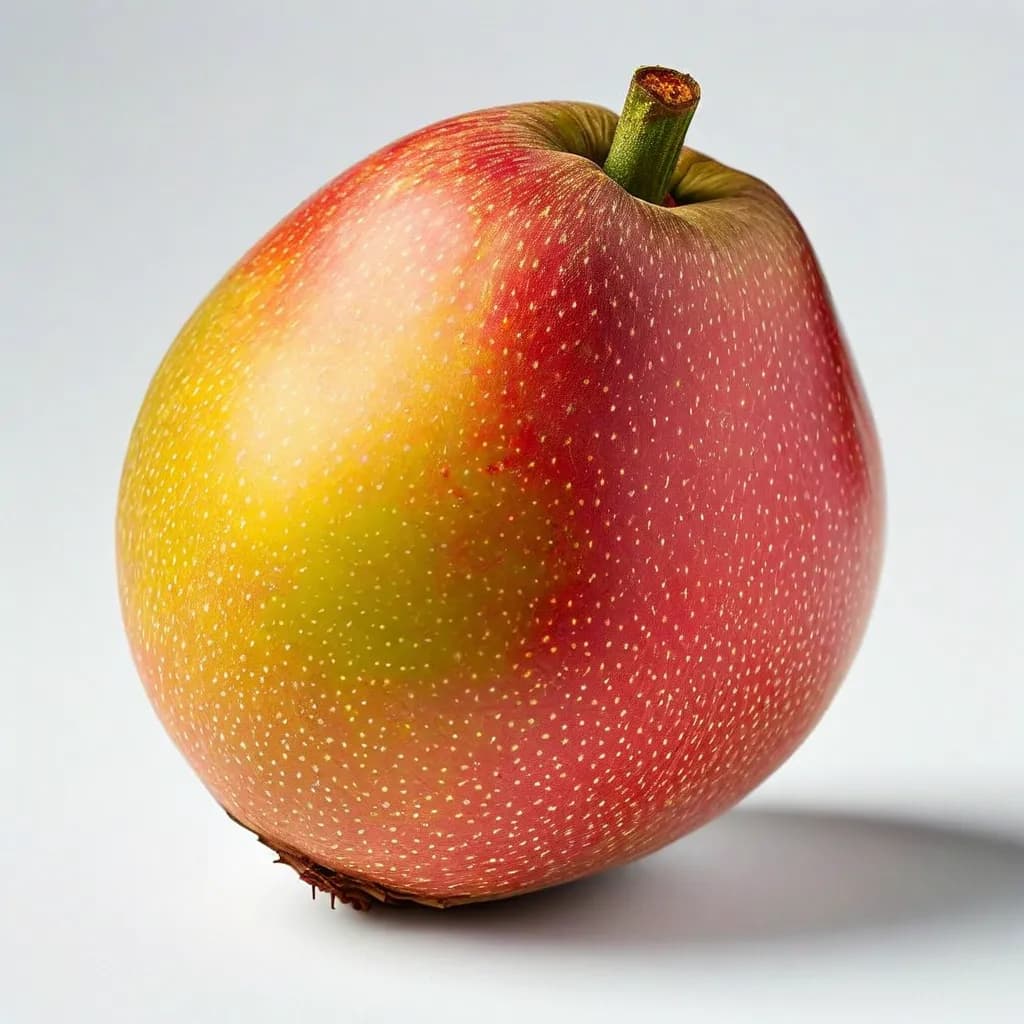
Eugenia stipitata
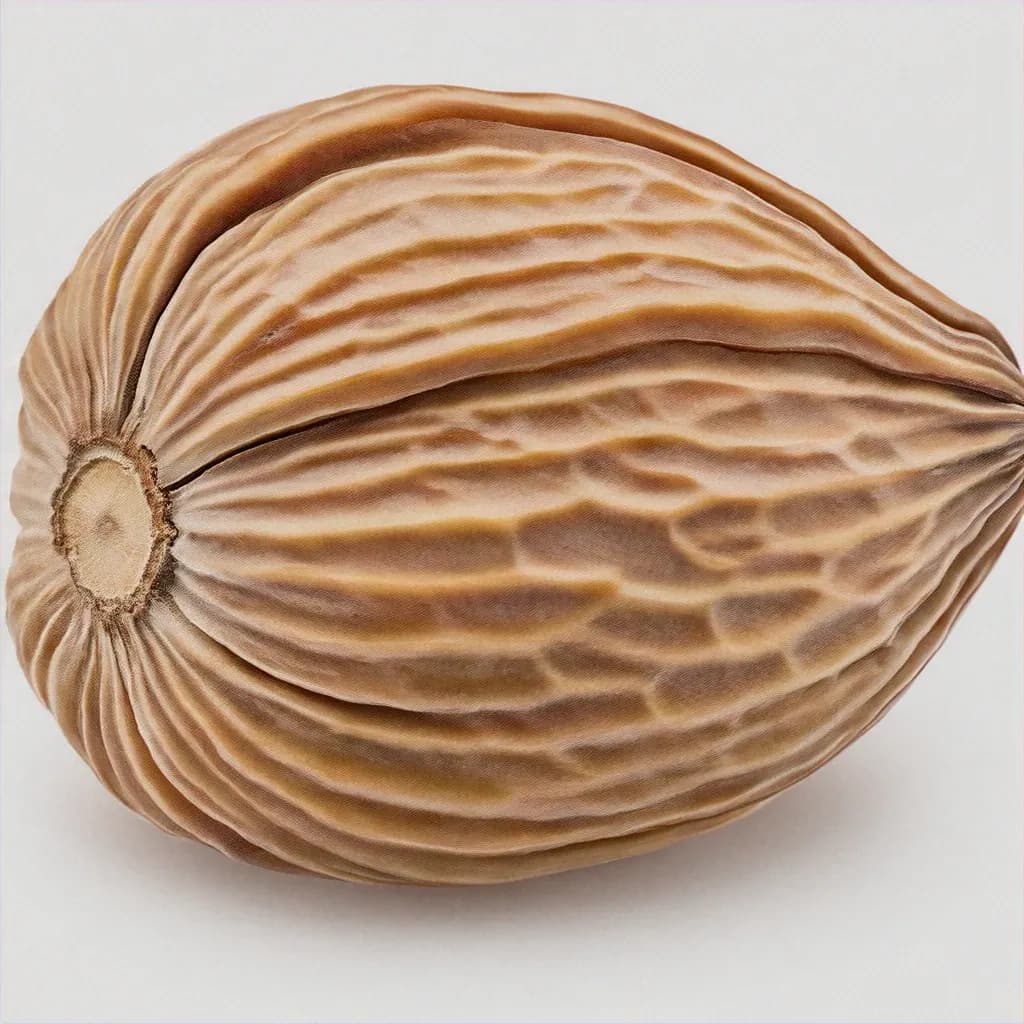
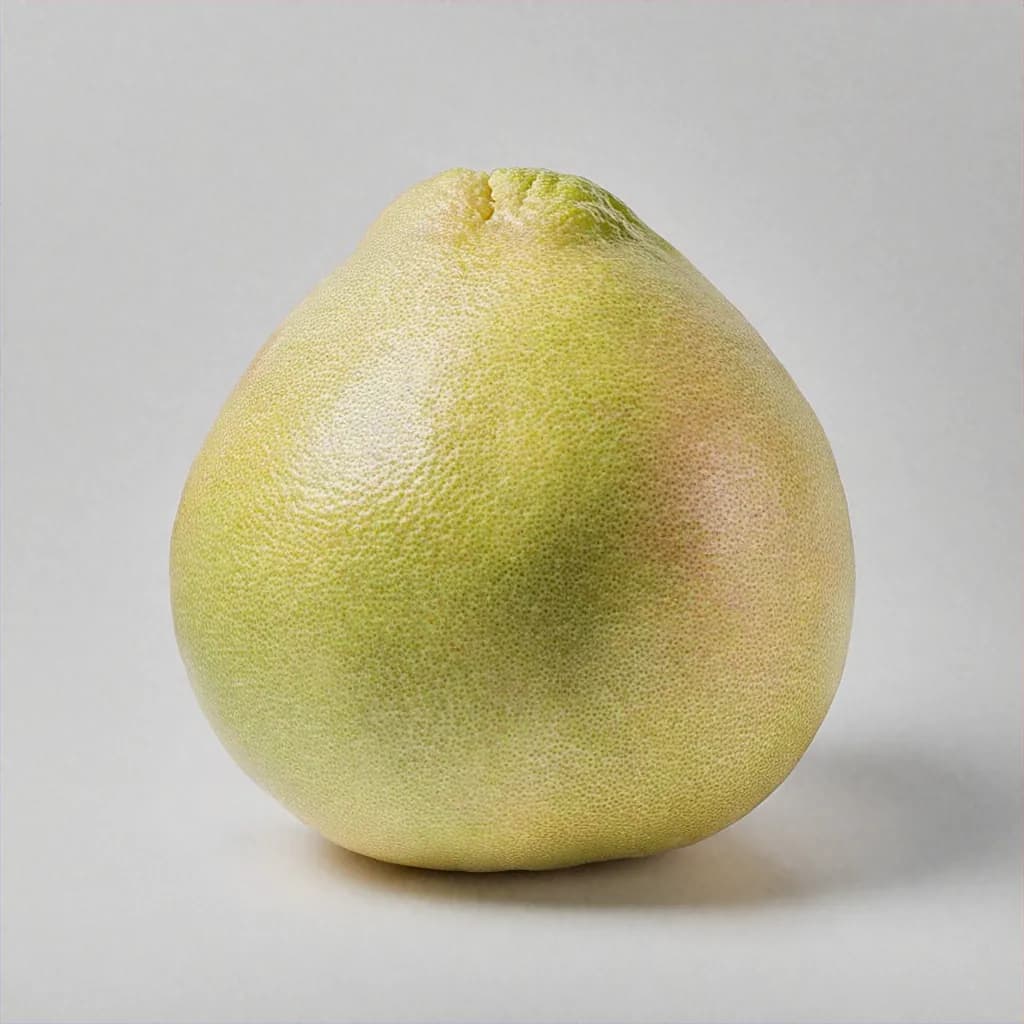
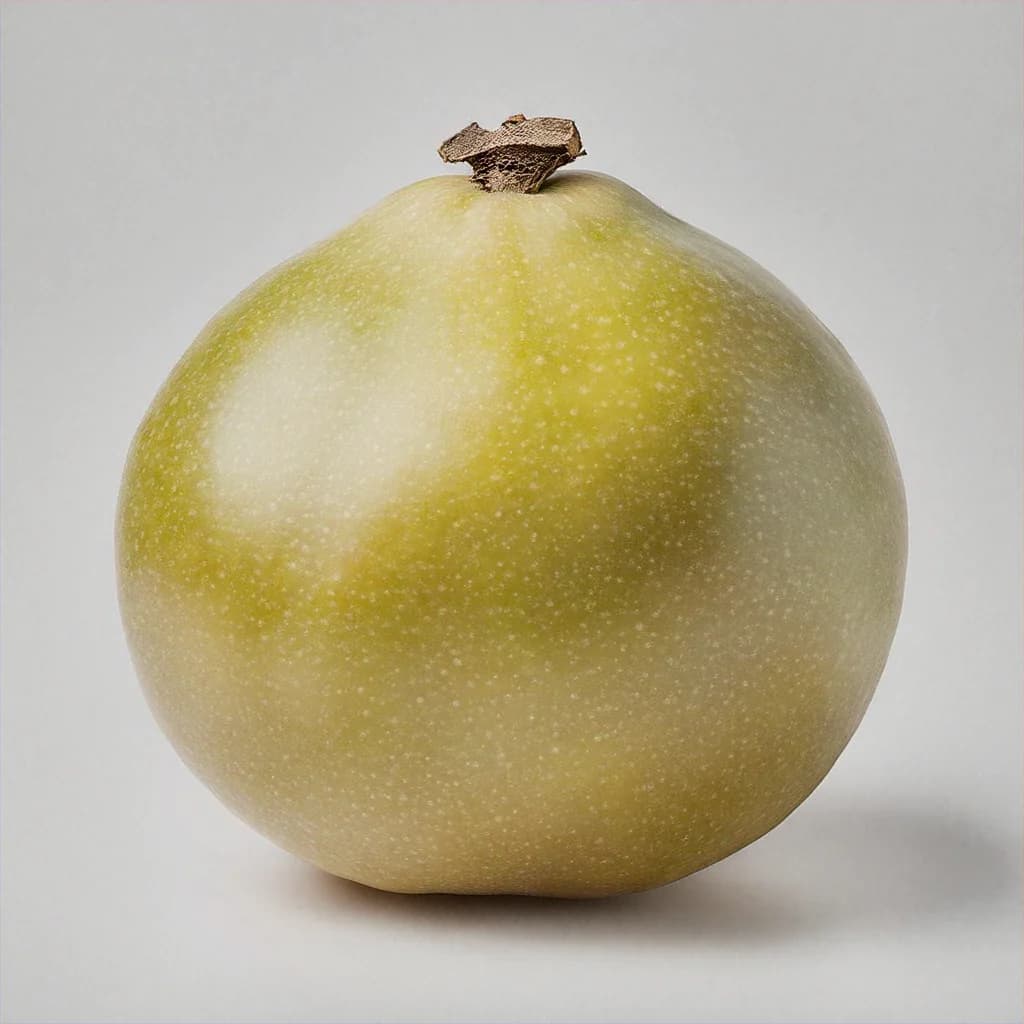
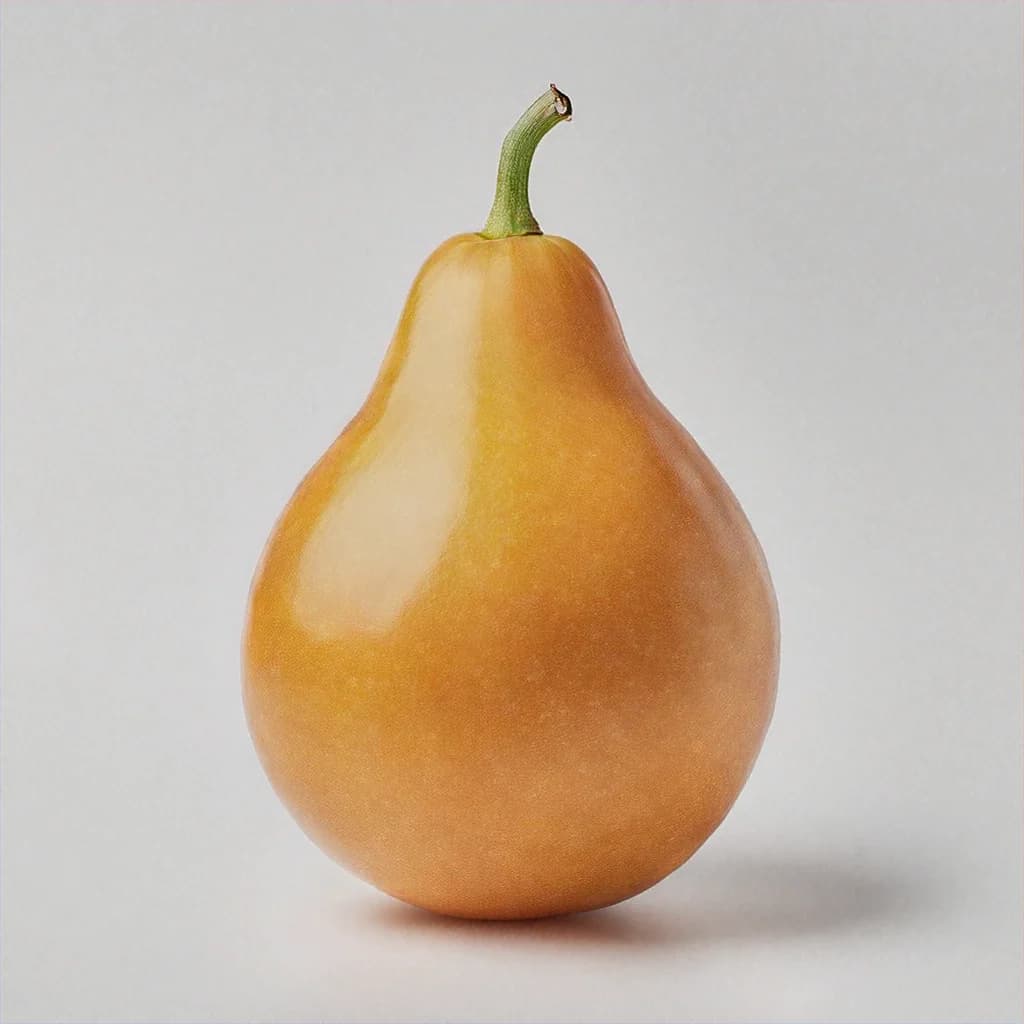
The Araza, scientifically known as Eugenia stipitata, is a captivating and aromatic tropical fruit native to the Amazon rainforest. Its most striking feature is its intense, mouth-puckering sourness, which belies a complex and delightful flavor profile. The fruit is typically round to slightly flattened, about the size of a large apple, with a thin, delicate, and velvety yellow skin that bruises easily. The soft, juicy, and fibrous pulp is a vibrant yellow-orange, containing several large, inedible seeds. Its aroma is powerfully fragrant, often described as a blend of citrus, apricot, and guava. While its extreme acidity makes it challenging to eat fresh out of hand, this very characteristic makes it a prized ingredient in the culinary traditions of the Amazon. The Araza is celebrated for its exceptionally high vitamin C content, surpassing even oranges and lemons, making it a nutritional powerhouse from the heart of the world's greatest biodiversity hotspot. Its cultivation remains largely limited to its native range and a few experimental orchards, preserving its status as a rare and exotic treasure for fruit enthusiasts.
Explore Araza in stunning detail
Araza - Main View
Per 100g
Per 100g
Nutrition breakdown for one serving
Western Amazon Rainforest basin
Araza has been consumed by indigenous Amazonian communities for centuries, valued for its refreshing sour taste and medicinal properties. Unlike many Amazonian fruits, it was not widely distributed in pre-Columbian times due to its extreme perishability. Serious scientific and agricultural interest began in the mid-20th century, with research stations in Brazil and Peru studying its potential for juice, nectar, and jam production. It remains a primarily wild or semi-domesticated crop, with limited commercial cultivation outside its native range, though it is gaining recognition as a niche superfruit for its unparalleled vitamin C content.
Varies by region; typically has one or two main harvest periods per year.
Each variety offers unique flavors, textures, and culinary applications
Keep your fruit fresh and delicious for longer
Select fruits that are uniformly yellow and yield slightly to gentle pressure, indicating ripeness.
Avoid fruits with green patches, as they are underripe and will be excessively sour and hard.
Steer clear of fruits with significant bruising, dark spots, or broken skin, as Araza is very perishable.
Choose fruits that feel heavy for their size, suggesting good juiciness.
The fruit should have a strong, pleasant, and fragrant aroma at the stem end.
Store fully ripe Araza in the refrigerator's crisper drawer, loosely wrapped in paper towel, for only 1-2 days.
If fruits are slightly underripe, you can leave them at room temperature for a day to soften and develop flavor.
Never stack or pile Araza fruits on top of each other, as their delicate skin bruises easily under pressure.
For longer preservation, process the pulp immediately by pureeing and refrigerating or freezing.
Preserve freshness for months
Freeze Araza pulp for long-term storage. Scoop out the pulp, discard seeds, and puree.
Pour the puree into ice cube trays or small airtight containers, leaving some headspace for expansion.
Label and date the containers; frozen Araza pulp can retain good quality for up to 10-12 months.
Thaw frozen pulp in the refrigerator overnight before using in recipes.
Label frozen items with the date to track freshness. Most fruits maintain quality for 2-3 months when properly frozen. For best results, use airtight containers or freezer bags to prevent freezer burn.
Discover delicious possibilities
Allergies to Araza are uncommon but possible, particularly in individuals with known sensitivities to other fruits in the Myrtaceae family (e.g., guava, clove, allspice, jabuticaba). Symptoms could include oral allergy syndrome (itching/mild swelling of lips, mouth).
As a predominantly wild or small-scale cultivated fruit in remote areas, pesticide use is typically minimal. However, conventionally grown commercial orchards may use pesticides; seeking out organically grown sources is advisable when possible.
Surprising trivia you'll love!
Araza holds the distinction of being one of the most acidic edible fruits known on the planet, with a pH often measured between 2.5 and 3.0.
Despite its Amazonian origins, the fruit was successfully introduced to and is grown in limited quantities in Queensland, Australia, and parts of Florida, USA, as a botanical curiosity.
The tree is remarkably fast-growing for a fruit tree, often producing its first harvest within just 1.5 to 2 years from planting.
Its scientific name, Eugenia stipitata, honors Prince Eugene of Savoy, a patron of botany, while 'stipitata' refers to the fruit's distinctive stalk (stipe).
Indigenous communities have traditionally used not just the fruit, but also the bark and leaves of the Araza tree in herbal remedies for various ailments.
Because the fruit is so fragile and perishable, it has been called 'the fruit that never saw a market,' as it is almost impossible to transport fresh over long distances, keeping it a hyper-local treasure.
Technically yes, but it's an intense experience not for the faint of heart! The raw pulp of Araza is famously and intensely sour, often described as more acidic than a lemon. While some people in the Amazon enjoy small, fresh pieces, it is almost always consumed processed and sweetened. Eating it raw is akin to eating a raw lemon—possible, but challenging. The high acidity can also be harsh on tooth enamel, so if you do try it, rinse your mouth with water afterward. Its primary culinary value lies in its flavor and aroma when balanced with sweeteners, which transform it into incredible juices, desserts, and sauces.
Araza utterly surpasses common citrus fruits in vitamin C concentration. With approximately 270 mg of vitamin C per 100 grams of pulp, it contains over four times the amount found in an orange (about 53 mg/100g) and more than double that of a lemon (around 53 mg/100g). This places it among the world's richest known natural sources of this essential nutrient. This extraordinary density means even a small serving provides a mega-dose of antioxidants and immune support. It's this remarkable nutritional profile that has sparked significant scientific interest in Araza as a potential functional food and natural supplement beyond its native Amazon.
Start by gently washing the fragile fruit. Cut it in half around its equator—you'll notice it's not a hard fruit like an apple. Use a spoon to scoop out the soft, seedy pulp from each half. The seeds are large, inedible, and should be discarded. The next crucial step is to puree this pulp in a blender or food processor and then strain it through a fine-mesh sieve to remove any remaining fibrous bits and seed fragments, leaving you with a smooth, vibrant puree. This puree is your base ingredient. Due to its potent sourness, always combine it with a sweetener like sugar, honey, or condensed milk. Use it immediately in recipes for juice, ice cream, or jam, or freeze the puree for later use.
For most people, Araza is safe when consumed in typical culinary amounts. However, due to its extreme acidity, individuals with gastroesophageal reflux disease (GERD), acid reflux, or sensitive stomachs may experience discomfort or heartburn and should consume it cautiously, preferably well-diluted. Those with a known allergy to other Myrtaceae family fruits (like guava or jabuticaba) should exercise caution, though Araza allergies are rarely reported. The high vitamin C content is generally beneficial, but extremely large, concentrated doses could theoretically contribute to kidney stones in predisposed individuals. As always, if you have a specific medical condition, introducing a new, potent food like Araza is best discussed with your healthcare provider.
Sustainability insights
Araza trees are generally considered a sustainable crop within their native ecosystem. They are often grown in agroforestry systems, intercropped with other native species, which promotes biodiversity, improves soil health, and provides habitat. The tree requires minimal chemical inputs when grown in its preferred environment.
Very low when consumed locally in the Amazon. The carbon footprint increases significantly if the perishable fruit or its products are air-freighted to international markets, which is rare due to its fragility.
The tree is adapted to the high-rainfall Amazon basin and generally relies on natural rainfall, requiring little to no irrigation when grown in its native habitat, making its water footprint low.
Consuming Araza locally in Amazonian countries is the most environmentally friendly option. Imported products (like frozen pulp or jams) have a higher transport footprint but allow for global appreciation without the spoilage of fresh fruit. Supporting small-scale Amazonian producers of Araza products can contribute to forest conservation by providing economic value to standing rainforest.
We aim to keep this Araza profile accurate and easy to understand. Nutrition values and % Daily Value figures are based on established reference databases and standard daily value guidance.
Last updated: September 18, 2026
Medical disclaimer
This page is for general educational purposes and does not replace professional medical advice.
Found an issue? Contact us.