Loading Fruit Details...
Please wait while we fetch nutritional information and health benefits
Please wait while we fetch nutritional information and health benefits
Recommended Products
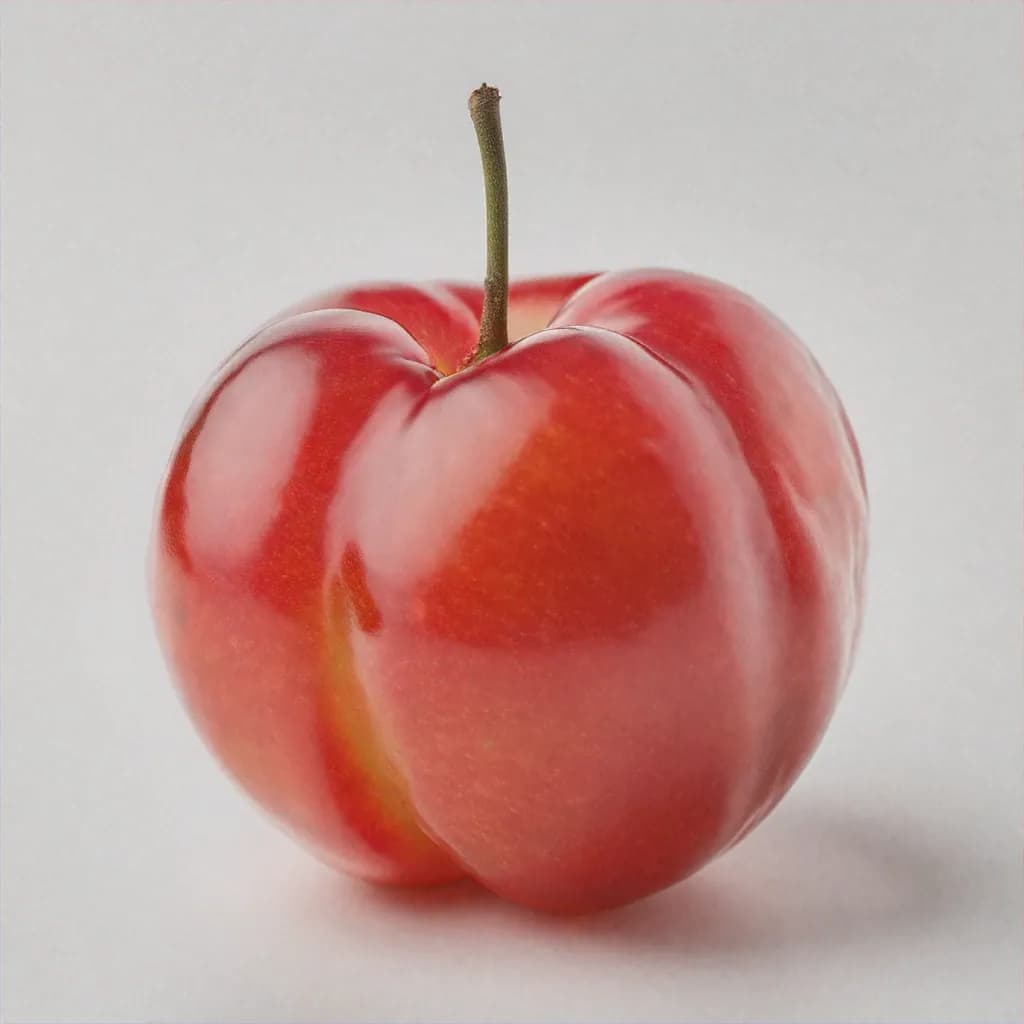
Malpighia emarginata
Acerola is an exceptionally nutrient-dense tropical superfruit best known as one of the richest natural sources of vitamin C in the world. Also called Barbados cherry or West Indian cherry, acerola delivers extraordinary antioxidant power, immune support, and skin health benefits. With low calories, moderate natural sugars, andhigh water content, and an impressive profile of polyphenols and carotenoids, acerola is widely used in fresh consumption, juices, supplements, and functional foods. Its tangy flavor and unmatched vitamin C concentration make acerola a cornerstone of modern wellness and sports nutrition.
Explore Acerola in stunning detail
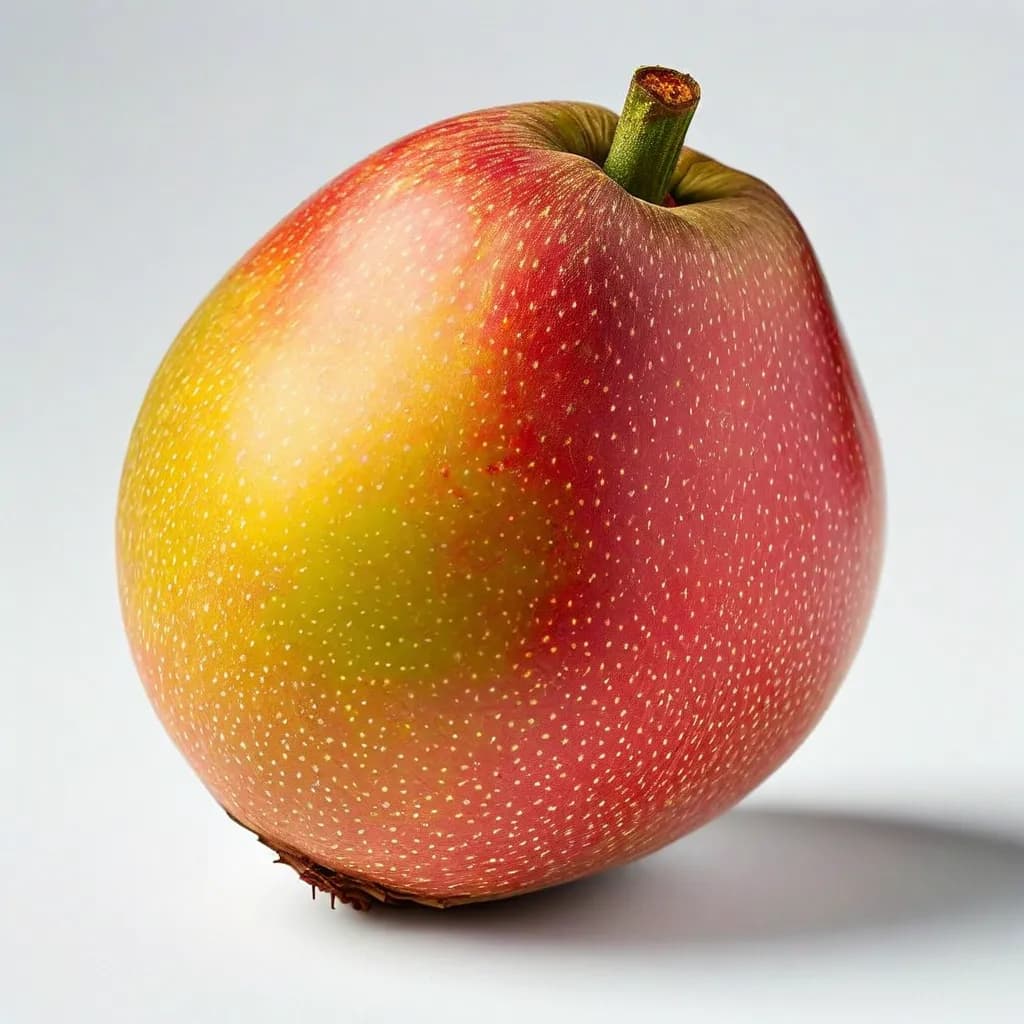
Acerola - Main View
Per 100g
Per 100g
Nutrition breakdown for one serving
Caribbean and Central America
Acerola (Malpighia emarginata) is native to the Caribbean and tropical Americas. Indigenous cultures valued the fruit for its medicinal properties long before vitamin C was scientifically identified. In the 20th century, acerola gained global recognition after being discovered as one of the most concentrated natural sources of vitamin C. Today, acerola is widely cultivated for fresh consumption, juices, and dietary supplements.
Multiple harvests per year
Each variety offers unique flavors, textures, and culinary applications
Keep your fruit fresh and delicious for longer
Select bright red, firm fruits without blemishes
Avoid fruits with mold or excessive softness
Frozen acerola retains nutrients well
Consume fresh acerola quickly after harvest
Refrigerate fresh fruit to slow spoilage
Freeze for long-term storage
Preserve freshness for months
Freeze whole fruits or pulp in airtight containers
Frozen acerola keeps for up to 6 months
Best used for smoothies and juices after thawing
Label frozen items with the date to track freshness. Most fruits maintain quality for 2-3 months when properly frozen. For best results, use airtight containers or freezer bags to prevent freezer burn.
Discover delicious possibilities
Acerola allergies are rare.
Wash thoroughly before consumption. Prefer organically grown acerola.
Surprising trivia you'll love!
Acerola contains one of the highest natural vitamin C levels of any fruit
Just a few acerola cherries can meet daily vitamin C needs
Often used as a natural vitamin C source in supplements
Ripens quickly and is highly perishable
Traditionally used in Caribbean folk medicine
Acerola, also called Barbados cherry, is a tropical fruit famous for its extremely high natural vitamin C content.
Yes, acerola contains dozens of times more vitamin C than oranges per 100g.
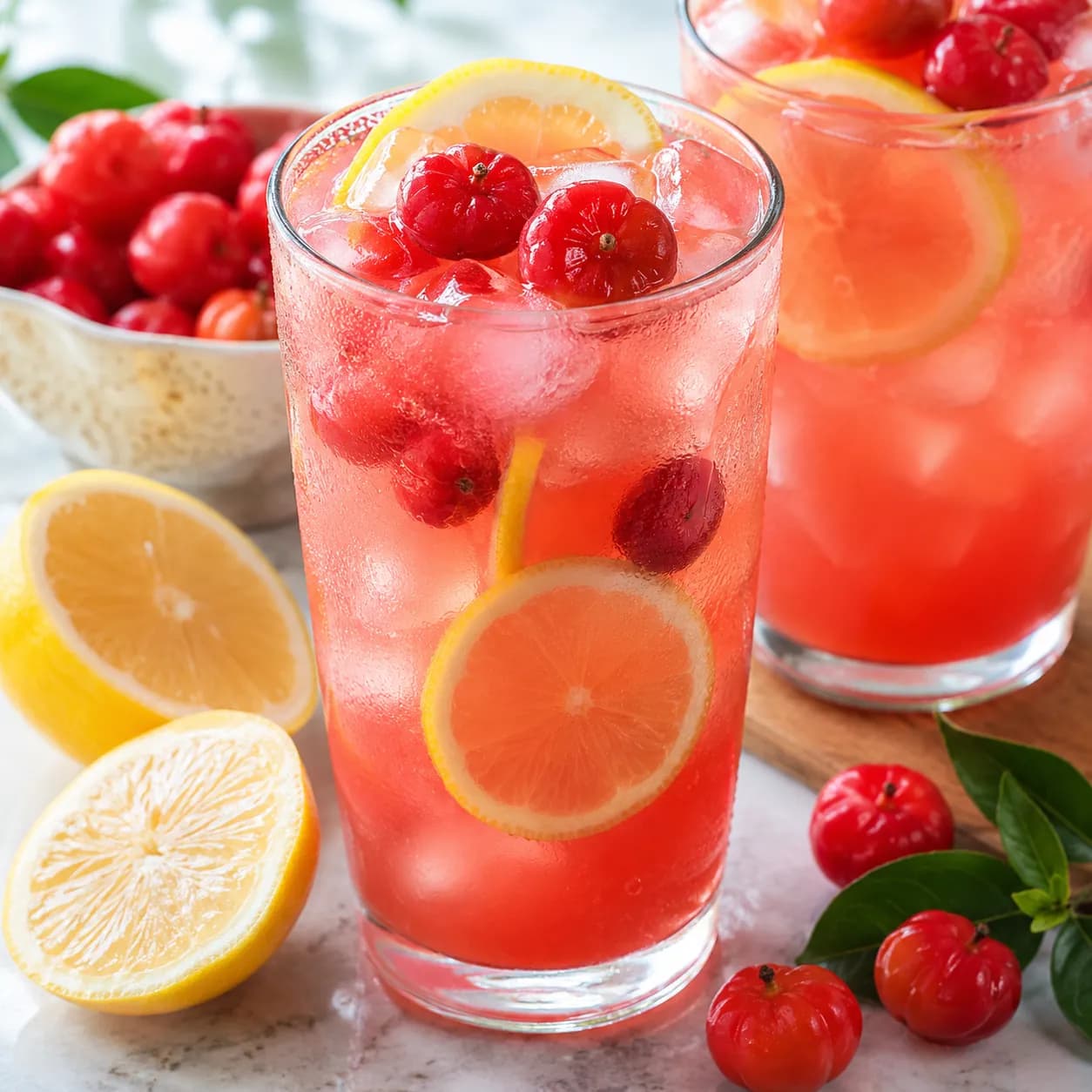
Acerola is consumed fresh, as juice, smoothie pulp, or as powder in supplements.
Yes, acerola is rich in vitamin C, antioxidants, and phytonutrients that support overall health.
Yes, its exceptionally high vitamin C content strongly supports immune defense.
Acerola has a tart, tangy, and slightly sweet cherry-like flavor.
Yes, vitamin C in acerola supports collagen production and skin repair.
Yes, acerola can be eaten raw, though its tartness may be strong for some people.
Yes, acerola is very low in calories while being highly nutrient-dense.
Yes, acerola contains powerful antioxidants including flavonoids and polyphenols.
Yes, acerola powder and extract are commonly used in natural vitamin C supplements.
Acerola is harvested multiple times a year in tropical climates.
Fresh acerola should be refrigerated and consumed quickly due to its short shelf life.
Acerola is commonly grown in the Caribbean, Central America, South America, and tropical Asia.
Yes, acerola contains small seeds inside the fruit.
Sustainability insights
Acerola cultivation supports tropical farming economies.
Low when consumed locally and minimally processed.
Moderate water requirements.
Local sourcing reduces spoilage and transport emissions.
We aim to keep this Acerola profile accurate and easy to understand. Nutrition values and % Daily Value figures are based on established reference databases and standard daily value guidance.
Last updated: October 17, 2026
Medical disclaimer
This page is for general educational purposes and does not replace professional medical advice.
Found an issue? Contact us.
.webp&w=3840&q=75)