Loading Fruit Details...
Please wait while we fetch nutritional information and health benefits
Please wait while we fetch nutritional information and health benefits
Recommended Products
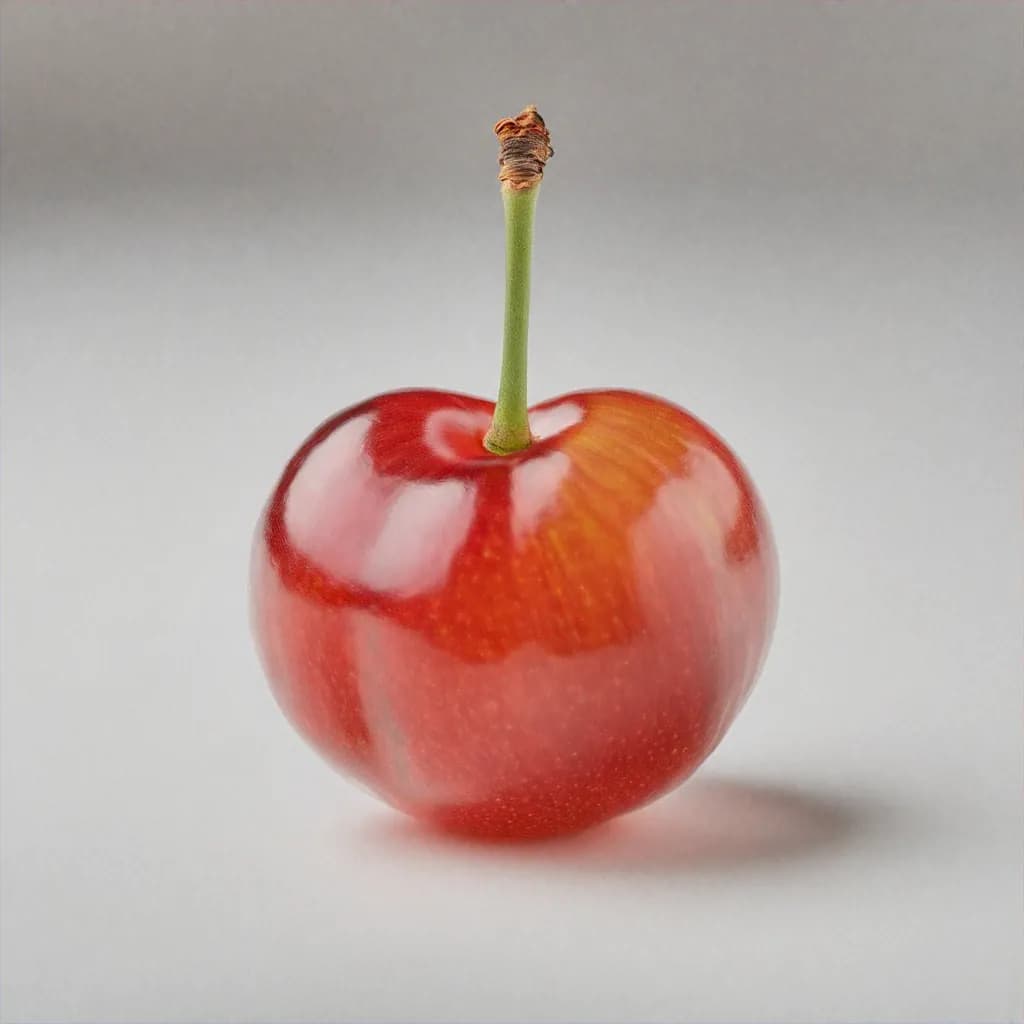
Malpighia emarginata
Barbados cherry is a small, brilliant red fruit native to the Caribbean with exceptional vitamin C content and bright, tart-sweet flavor. With an extraordinary 1,678% DV of vitamin C per 100g (more than any other fruit), barbados cherry delivers unparalleled immune support and antioxidant power. At only 32 calories per 100g and rich in polyphenols, it's ideal for juices, supplements, jams, and traditional remedies. Perfect for those seeking maximum nutritional density and natural immunity enhancement.
Explore Barbados Cherry in stunning detail
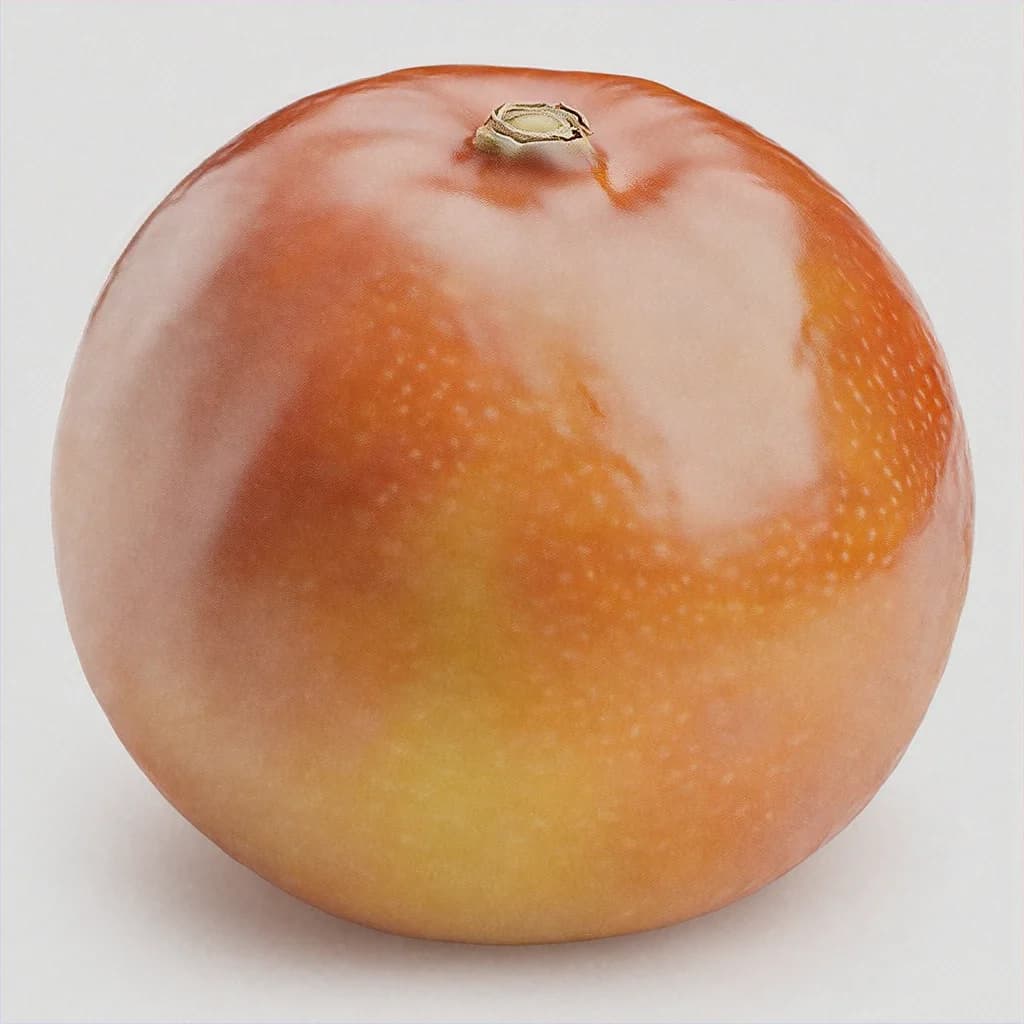
Barbados Cherry - Main View
Per 100g
Per 100g
Nutrition breakdown for one serving
Caribbean and South America
Barbados cherry originated in the Caribbean and tropical South America. Named for Barbados where it was widely cultivated, it's been used for centuries in traditional medicine and folk remedies for its exceptional nutritional value.
Peak season May-August
Each variety offers unique flavors, textures, and culinary applications
Keep your fruit fresh and delicious for longer
Select bright red, firm barbados cherries without blemishes
Avoid soft or overly ripe fruit
Darker red color indicates higher ripeness
Refrigerate fresh barbados cherries for up to 5 days
Freeze fresh berries for up to 1 year in airtight containers
Barbados cherry juice concentrates store refrigerated for 2 weeks
Dried powder maintains quality for 2+ years in cool storage
Preserve freshness for months
Freeze whole cherries for up to 1 year
Freeze juice in ice cube trays for 6 months
Frozen cherries work best for juices and smoothies
Label frozen items with the date to track freshness. Most fruits maintain quality for 2-3 months when properly frozen. For best results, use airtight containers or freezer bags to prevent freezer burn.
Discover delicious possibilities
Barbados cherry allergies are rare but possible. Some people may have sensitivity to tropical fruits.
Barbados cherries may have pesticide residues. Purchase from reputable sources and wash thoroughly.
Surprising trivia you'll love!
Barbados cherry has 65 times more vitamin C than oranges
It's also called 'acerola cherry,' though unrelated to true cherries
One small barbados cherry provides up to 50% of daily vitamin C needs
Barbados cherries were used by Caribbean indigenous peoples to boost immunity
They're often used in commercial vitamin C supplements worldwide
Barbados cherry naturally contains exceptionally high vitamin C (1,864% DV per 100g), making it the richest natural source of vitamin C among fruits, surpassing even citrus and kiwi.
Yes, barbados cherries can be eaten fresh, though they're tart. Most people prefer them in juices, smoothies, or supplements to maximize vitamin C intake.
Small amounts (1-3 oz) of barbados cherry juice provide substantial vitamin C. A single serving provides 100%+ of daily vitamin C needs.
Fresh barbados cherries are available May-August at Caribbean and tropical markets. Juice, powders, and supplements are available year-round from health stores and online.
Sustainability insights
Barbados cherry cultivation is relatively sustainable. Support organic and fair-trade growers.
Imported barbados cherries and products have moderate carbon footprint. Support local Caribbean producers.
Barbados cherry trees are hardy and require minimal water once established.
Supporting Caribbean and South American growers preserves traditional cultivation and supports local economies.
We aim to keep this Barbados Cherry profile accurate and easy to understand. Nutrition values and % Daily Value figures are based on established reference databases and standard daily value guidance.
Last updated: September 15, 2026
Medical disclaimer
This page is for general educational purposes and does not replace professional medical advice.
Found an issue? Contact us.