Loading Fruit Details...
Please wait while we fetch nutritional information and health benefits
Please wait while we fetch nutritional information and health benefits
Recommended Products
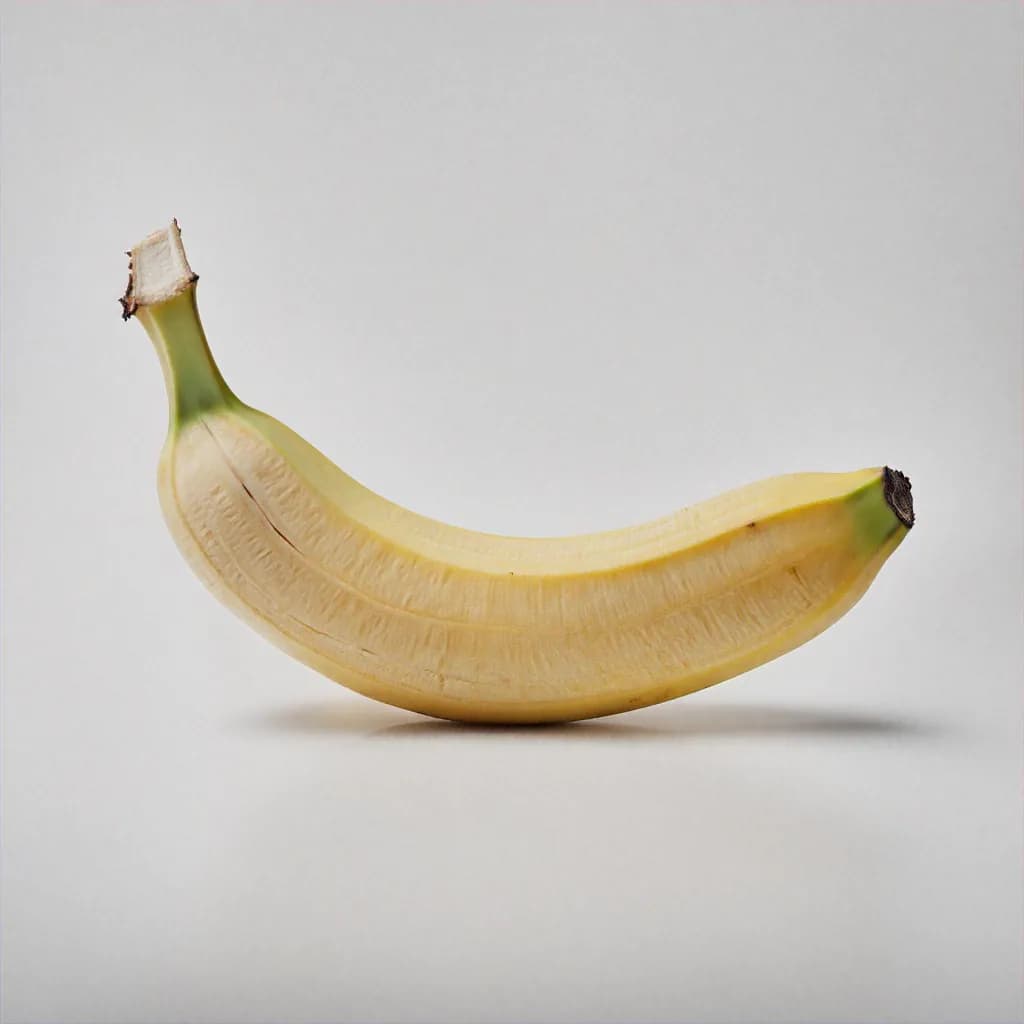
Musa acuminata, Musa balbisiana
A naturally sweet, creamy tropical fruit that's packed with energy and essential nutrients. Bananas are one of the world's most popular fruits, beloved for their convenience, natural packaging, and versatility. From a quick breakfast to post-workout fuel, bananas provide instant energy and numerous health benefits in a portable, easy-to-eat package.
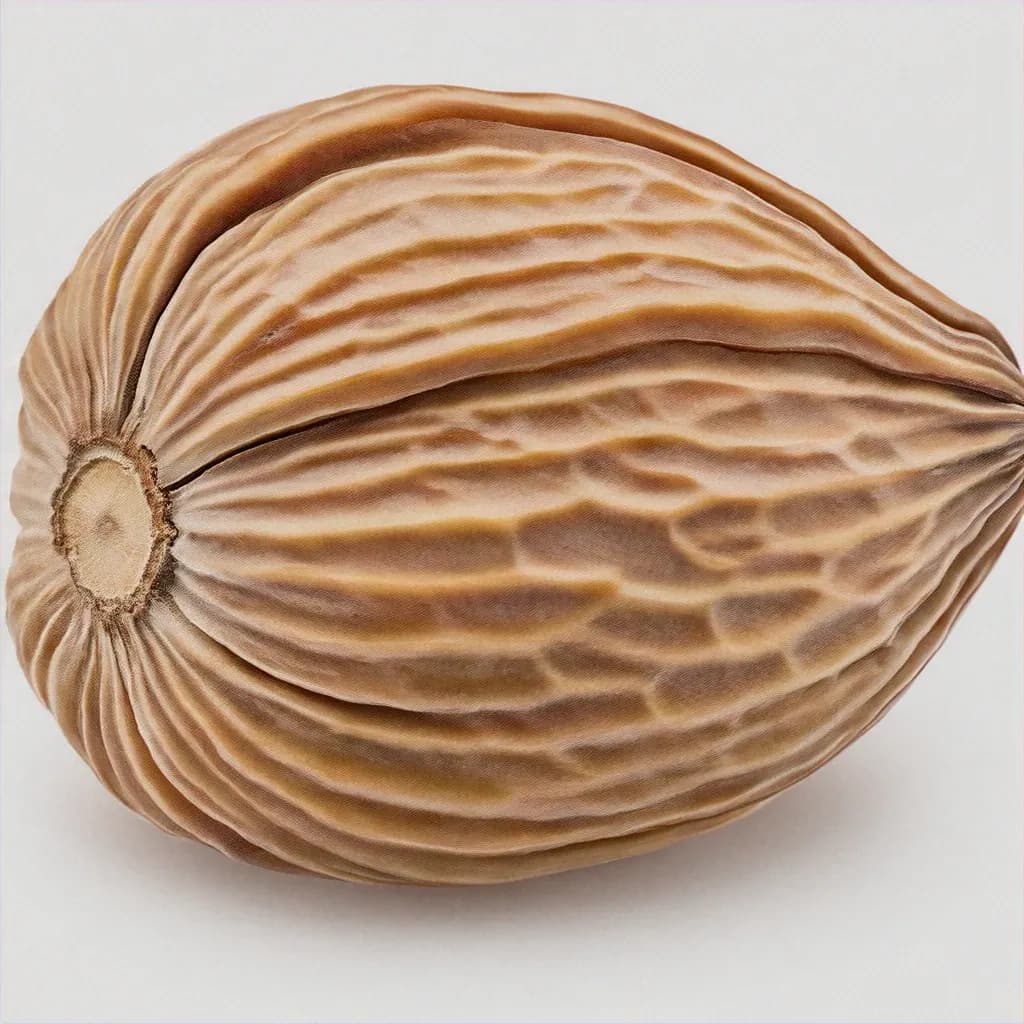
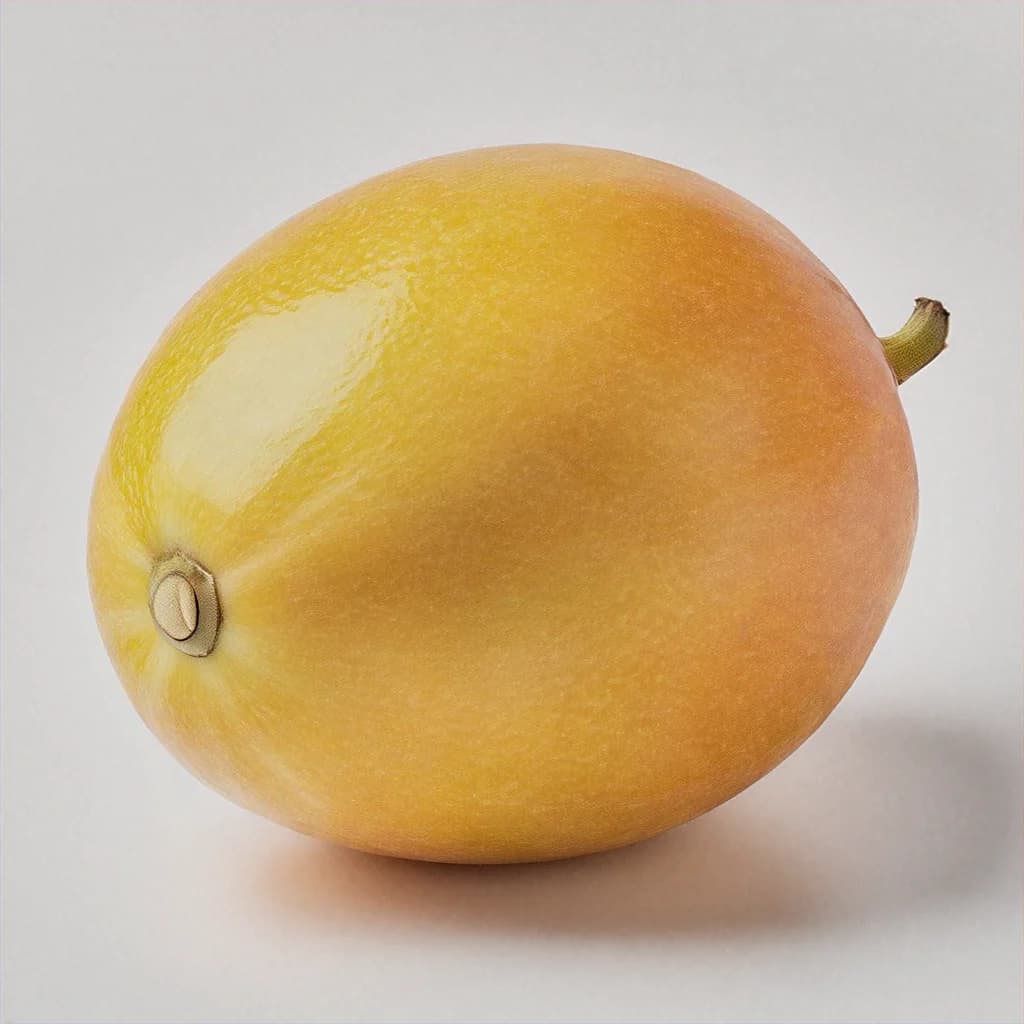
Explore Banana in stunning detail
Banana - Main View
Banana - View 1
Per 100g
Per 100g
Nutrition breakdown for one serving
Southeast Asia (Malaysia, Indonesia, Philippines)
Bananas are one of the world's oldest cultivated plants, with domestication dating back to at least 5000 BCE in Papua New Guinea. Arab traders brought bananas to Africa, and Portuguese sailors introduced them to the Americas in the 16th century. The Cavendish variety, which dominates today's market, became popular in the 1950s after the Gros Michel variety was devastated by Panama disease. Bananas are now the fourth most important food crop globally.
Year-round in tropical regions
Each variety offers unique flavors, textures, and culinary applications
Keep your fruit fresh and delicious for longer
Select bananas based on when you plan to eat them - green for later, yellow for now
Look for firm bananas without major bruises or splits in the skin
Yellow bananas with brown spots are sweetest and best for immediate eating
Avoid bananas with grey or dull color (sign of cold damage)
The stem should be intact and firm, not moldy or dried out
Small brown spots (sugar spots) indicate ripeness and peak sweetness
For cooking or baking, choose overripe bananas with lots of brown spots
Store at room temperature away from direct sunlight
Keep bananas separate from other fruits to slow ripening (they emit ethylene gas)
Hang bananas on a banana hanger to prevent bruising
Wrap the stem in plastic wrap to slow ripening by 3-5 days
Do NOT refrigerate unripe bananas - it stops the ripening process
Once ripe, refrigerate to extend life (skin will brown but flesh stays good)
Store cut bananas in lemon juice or airtight container to prevent browning
Ripe bananas can be frozen for smoothies or baking (peel first)
Preserve freshness for months
Peel bananas before freezing (skin turns black and is hard to remove when frozen)
Slice or freeze whole in airtight containers or freezer bags
Flash freeze slices on a tray before bagging to prevent clumping
Frozen bananas last 2-3 months and are perfect for smoothies
Thawed bananas are mushy but excellent for baking
No need to thaw for smoothies - use frozen directly
Label frozen items with the date to track freshness. Most fruits maintain quality for 2-3 months when properly frozen. For best results, use airtight containers or freezer bags to prevent freezer burn.
Discover delicious possibilities
Banana allergies are relatively rare but can occur. Symptoms may include oral allergy syndrome (itching or tingling in the mouth), especially in people with latex or ragweed allergies. True banana allergy can cause hives, digestive issues, or in rare cases, anaphylaxis. Cross-reactivity may occur with avocado, kiwi, and chestnuts.
Bananas are relatively low in pesticide residues due to their thick peel that's removed before eating. They typically don't appear on the 'Dirty Dozen' list. However, conventional banana farming can have environmental impacts.
Surprising trivia you'll love!
Bananas are berries, but strawberries are not (botanically speaking)
The banana plant is actually an herb, not a tree, and can grow up to 25 feet tall
Bananas float in water because they're less dense than water
There are over 1,000 varieties of bananas worldwide, but most are not commercially available
Bananas are naturally slightly radioactive due to their potassium content (but completely safe)
The average American eats 27 pounds of bananas per year
Bananas were first sold in bunches wrapped in tin foil in the 1870s
Uganda has the highest banana consumption per capita - about 220 pounds per person annually
Bananas share about 50-60% of their DNA with humans
The inside of a banana peel can be used to polish shoes or silver
Bananas are mentioned in ancient texts including Buddhist and Hindu scriptures
The Cavendish banana we eat today may face extinction due to Panama disease
Yes, bananas can support weight loss when eaten in moderation. While they contain more calories than some fruits (105 per medium banana), they're rich in fiber and resistant starch that promote fullness and reduce overall calorie intake. Bananas also satisfy sweet cravings naturally without added sugars. The key is portion control - stick to one banana as a snack or part of a meal, and pair it with protein or healthy fats for sustained energy.
Bananas produce ethylene gas, which accelerates ripening. As they ripen, the chlorophyll breaks down, revealing yellow pigments, and starches convert to sugars. Eventually, enzymes cause the peel to develop brown spots and turn completely brown. This is a natural process and doesn't mean the banana is bad - brown-spotted bananas are actually the sweetest and perfect for baking. To slow browning, separate bananas, wrap stems in plastic, or refrigerate ripe bananas.
Only refrigerate bananas once they've reached your desired ripeness. Cold temperatures halt the ripening process, so never refrigerate green or under-ripe bananas - they'll never properly ripen. Once bananas are perfectly ripe (yellow with or without brown spots), refrigeration can extend their life by 5-7 days. The peel will turn brown or black in the fridge, but the flesh inside remains fresh and delicious.
Yes, green bananas are safe to eat, though they taste quite different from ripe bananas - starchy, firm, and not sweet. Green bananas are high in resistant starch, which acts like fiber and may benefit blood sugar control and digestive health. They're popular in cooking, especially in Caribbean and Latin American cuisine. However, some people find them harder to digest and they may cause bloating or constipation.
Yes, diabetics can include bananas in their diet with proper portion control and timing. Despite their sweetness, bananas have a moderate glycemic index (51) and contain fiber that helps regulate blood sugar absorption. The key is portion size (stick to small or half a medium banana), ripeness (less ripe = lower sugar), and pairing with protein or healthy fats. Unripe bananas with resistant starch may actually improve insulin sensitivity. Always monitor your individual blood sugar response.
Brown spots on banana peels, often called 'sugar spots,' indicate that the starches have converted to simple sugars, making the banana sweeter and easier to digest. Bananas with brown spots are at peak ripeness and perfect for eating fresh or using in smoothies. The more brown spots, the sweeter the banana. Bananas covered in brown spots or with completely brown peels are ideal for banana bread and baking. The fruit is still perfectly safe to eat until the flesh itself becomes mushy or develops an off smell.
Yes, bananas are well-known for their potassium content. One medium banana contains about 422mg of potassium (12% of daily value), which supports heart health, blood pressure regulation, and muscle function. However, they're not the highest potassium food - potatoes, sweet potatoes, spinach, and avocados contain more per serving. The advantage of bananas is their convenience and natural packaging, making them an easy way to boost potassium intake.
Yes, banana peels are technically edible and contain fiber, vitamins, and antioxidants. They're commonly eaten in some Asian cuisines, usually cooked rather than raw. However, they're tough, bitter, and not very palatable. If you want to try them, use organic bananas (to avoid pesticides), wash thoroughly, and cook them by boiling, frying, or blending into smoothies. Most people prefer to compost banana peels or use them in their garden as fertilizer.
To speed up banana ripening, place them in a paper bag (traps ethylene gas), optionally with an apple or tomato (which also produce ethylene). Keep at room temperature, not in sunlight. Bananas should ripen in 1-2 days instead of 3-5. For even faster ripening, place the paper bag in a warm spot like near the oven. Never use plastic bags as they trap moisture and can cause rot. To ripen immediately for baking, bake whole unpeeled bananas at 300°F for 15-20 minutes until black.
Several factors can cause stomach discomfort from bananas: unripe green bananas contain resistant starch and tannins that can cause bloating and constipation; some people have a banana intolerance or allergy (rare); eating too many bananas can overload the digestive system with fiber; or you may have oral allergy syndrome if you're allergic to latex or ragweed. If you experience consistent problems, try eating only ripe bananas in moderation, and consult a healthcare provider if symptoms persist.
While both are from the same family, plantains are larger, starchier, and must be cooked before eating (like a potato), while bananas are sweeter and typically eaten raw. Plantains have thicker skins, lower sugar content, and higher starch content. They remain firm when cooked and are used as a savory side dish in Latin American, Caribbean, and African cuisine. Bananas are dessert fruits that soften when very ripe. Nutritionally, plantains have slightly more vitamins A and C and more potassium.
Yes, bananas are excellent first foods for babies starting around 6 months old. They're naturally soft, easy to mash or puree, rarely cause allergies, and are packed with nutrients babies need. You can serve mashed banana, banana puree, or offer chunks for baby-led weaning (ensure pieces are large enough for baby to grasp but soft enough to gum). Avoid adding sugar or honey (honey is unsafe under 12 months). Always supervise eating and watch for any signs of allergy or choking.
Most healthy adults can safely eat 1-2 bananas per day as part of a balanced diet. Eating too many bananas (more than 6-7 daily) could lead to excessive potassium intake, which might cause hyperkalemia in people with kidney problems, or magnesium overload causing digestive issues. Bananas are also relatively high in sugar and carbs. The key is variety - eating multiple servings of different fruits provides a broader range of nutrients. Listen to your body and maintain balance in your diet.
Yes, bananas can help prevent and relieve muscle cramps due to their high potassium (422mg per banana) and magnesium content. These electrolytes are crucial for proper muscle function and nerve signaling. Athletes often eat bananas before or after workouts to maintain electrolyte balance and prevent cramping. However, muscle cramps can have multiple causes including dehydration, so bananas work best as part of an overall strategy that includes proper hydration and balanced nutrition.
If a banana tastes like nail polish remover or acetone, it has started to ferment - the natural sugars are converting to alcohol and then to acetic acid. This happens when bananas become overripe, are stored in too-warm conditions, or have been damaged. While not necessarily harmful in small amounts, fermented bananas don't taste good and should be discarded if the flavor is strong. This is different from normal ripening and indicates the banana has gone past its prime eating stage.




Sustainability insights
Conventional banana farming can have significant environmental impacts including heavy pesticide use, deforestation, and monoculture risks. Fair Trade and organic certifications indicate more sustainable practices.
Moderate - tropical cultivation and long-distance shipping increase carbon footprint
High water requirements for cultivation
Most bananas are imported from tropical regions; buying Fair Trade supports better labor and environmental practices
We aim to keep this Banana profile accurate and easy to understand. Nutrition values and % Daily Value figures are based on established reference databases and standard daily value guidance.
Last updated: September 9, 2026
Medical disclaimer
This page is for general educational purposes and does not replace professional medical advice.
Found an issue? Contact us.