
Loading Fruit Details...
Please wait while we fetch nutritional information and health benefits
Please wait while we fetch nutritional information and health benefits
Recommended Products
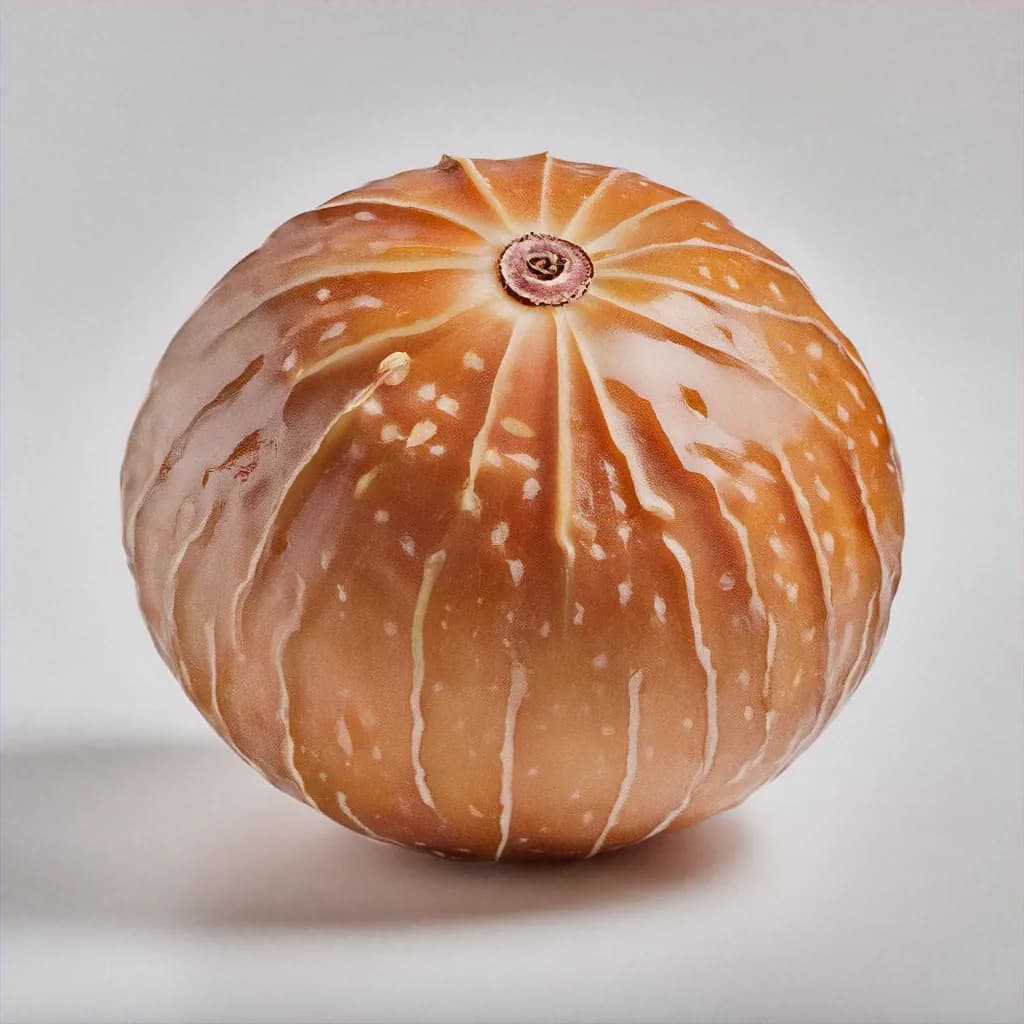
Aegle marmelos
Bael is an ancient tropical fruit native to South Asia with hard, woody shell and aromatic, sweet-pulp interior. Rich in vitamin C (28% DV), fiber (24% DV), and polyphenols, bael offers exceptional digestive and immune support. With approximately 137 calories per 100g of pulp and remarkable fiber density, bael is ideal for beverages, jams, traditional remedies, and culinary applications. Revered in Ayurvedic medicine for centuries, it's called the 'fruit of the gods.' Perfect for those seeking traditional wellness benefits and unique tropical flavors.
Explore Bael in stunning detail
Bael - Main View
Per 100g
Per 100g
Nutrition breakdown for one serving
South Asia, particularly India and Southeast Asia
Bael originated in India and has been revered for over 4,000 years in Ayurvedic and traditional medicine. Mentioned in ancient Sanskrit texts, it's sacred in Hindu culture and valued throughout South Asia as both food and medicine.
Peak season June-September
Each variety offers unique flavors, textures, and culinary applications
Keep your fruit fresh and delicious for longer
Select hard bael with unblemished shell
Slight softness indicates ripeness; avoid overly soft fruit
Larger fruits typically have more pulp
Store whole bael at room temperature for 2-3 weeks
Refrigerate for up to 1 month for extended freshness
Dried bael powder lasts up to 2 years in cool, dark storage
Bael beverage concentrate stores refrigerated for 2 weeks
Preserve freshness for months
Extract pulp and freeze in ice cube trays for 1 year
Freeze prepared bael juice for up to 6 months
Freeze dried bael powder for indefinite storage
Label frozen items with the date to track freshness. Most fruits maintain quality for 2-3 months when properly frozen. For best results, use airtight containers or freezer bags to prevent freezer burn.
Discover delicious possibilities
Bael allergies are rare but possible. Some people may have sensitivity to tropical fruits.
Bael may have pesticide residues. Purchase from reputable sources and wash if handling fresh fruit.
Surprising trivia you'll love!
Bael is considered sacred in Hindu culture and is planted near temples
The scientific name 'marmelos' comes from Portuguese, meaning 'quince'
Bael has been used in Ayurvedic medicine for over 4,000 years
Every part of the bael tree (fruit, leaves, roots, bark) has medicinal properties
One bael tree can produce fruit for over 100 years
Crack open the hard shell with a hammer or mallet, scoop out the pulp with a spoon, and strain through a sieve to remove seeds. The pulp can be mixed with water for juice.
Bael has a sweet, slightly musky flavor with aromatic qualities. Some describe it as similar to banana and custard with floral notes.
Yes, bael is traditionally used in Ayurvedic medicine to support digestive health. Its high fiber content and polyphenols support healthy digestion and gut bacteria.
Fresh bael is available June-September at South Asian markets and specialty stores. Dried powder, juice concentrate, and supplements are available year-round online.
Sustainability insights
Bael trees are hardy, drought-tolerant, and support agroforestry. Sustainable cultivation preserves traditional agriculture.
Local South Asian bael has lower carbon footprint than imported varieties. Support regional growers.
Mature bael trees require minimal water; they're drought-tolerant and resilient in tropical climates.
Supporting South Asian bael growers preserves traditional cultivation practices and supports local communities and food security.
We aim to keep this Bael profile accurate and easy to understand. Nutrition values and % Daily Value figures are based on established reference databases and standard daily value guidance.
Last updated: September 8, 2026
Medical disclaimer
This page is for general educational purposes and does not replace professional medical advice.
Found an issue? Contact us.
.webp&w=3840&q=75)