Loading Fruit Details...
Please wait while we fetch nutritional information and health benefits
Please wait while we fetch nutritional information and health benefits
Recommended Products
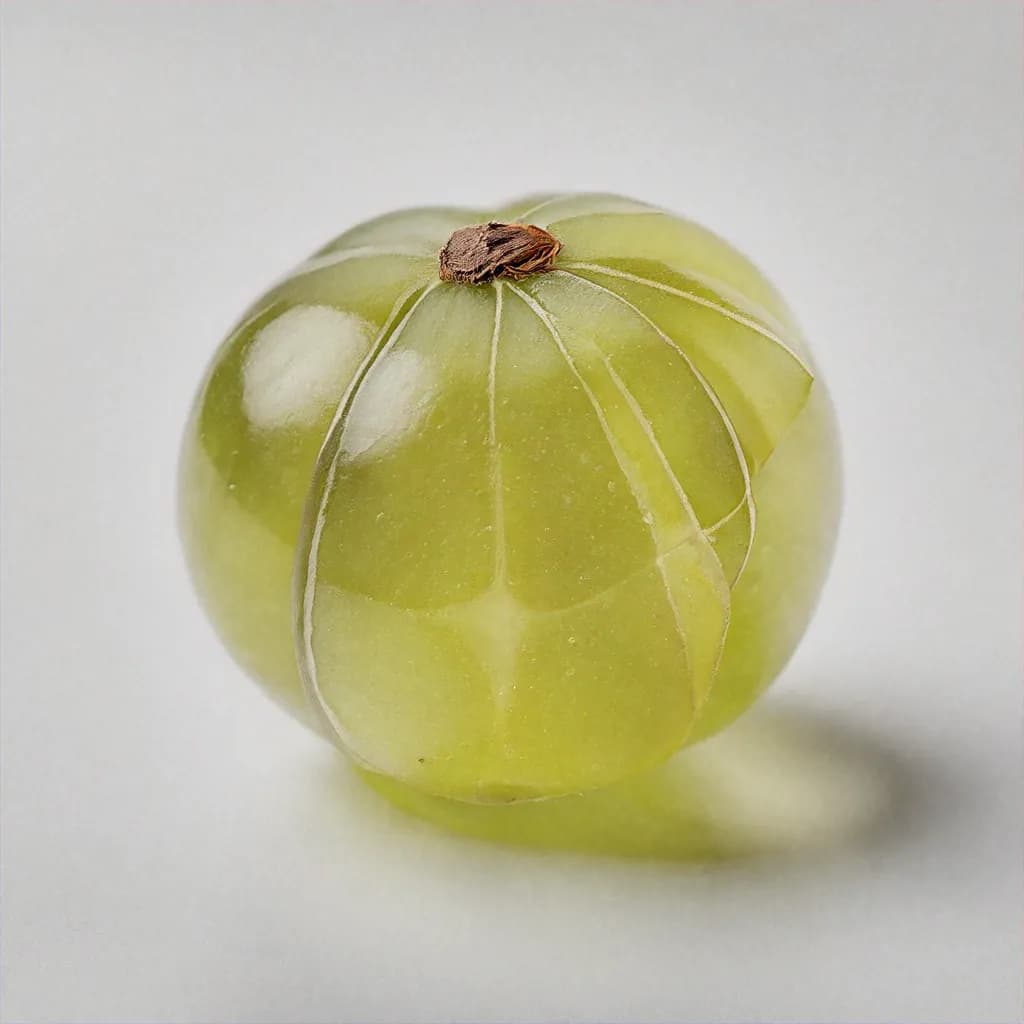
Phyllanthus emblica
Amla, also known as Indian Gooseberry, is a small to medium-sized tree native to India and other parts of Southeast Asia. The fruit is round, greenish-yellow, and has a very sour taste. It is widely used in Ayurvedic medicine for its numerous health benefits.
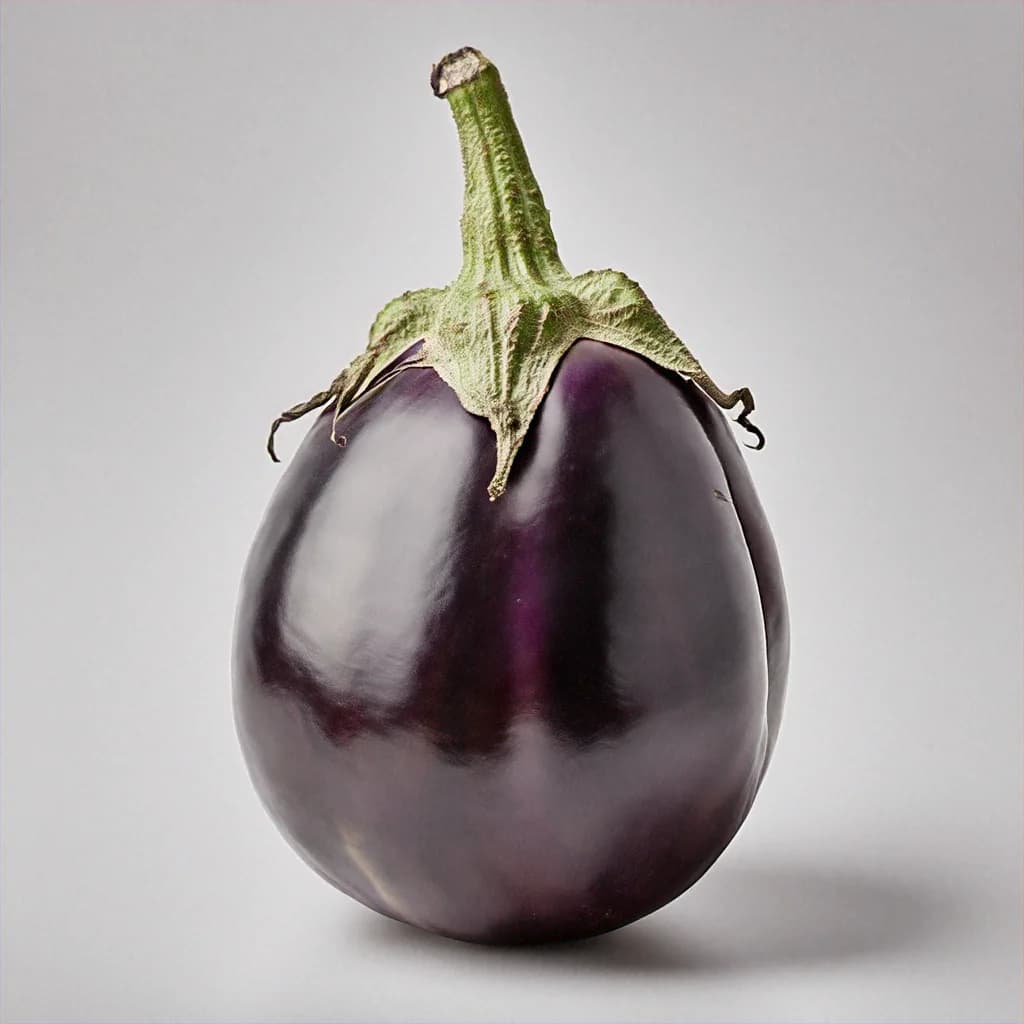
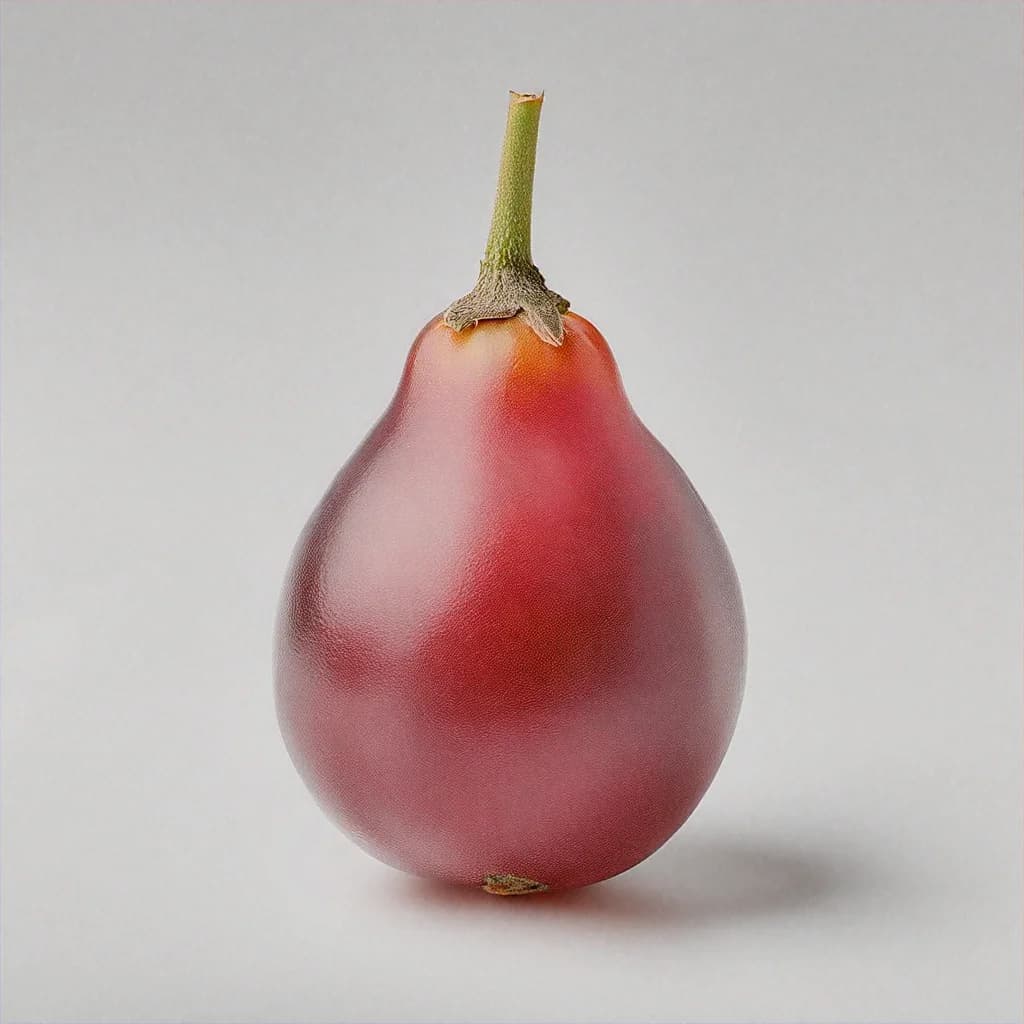
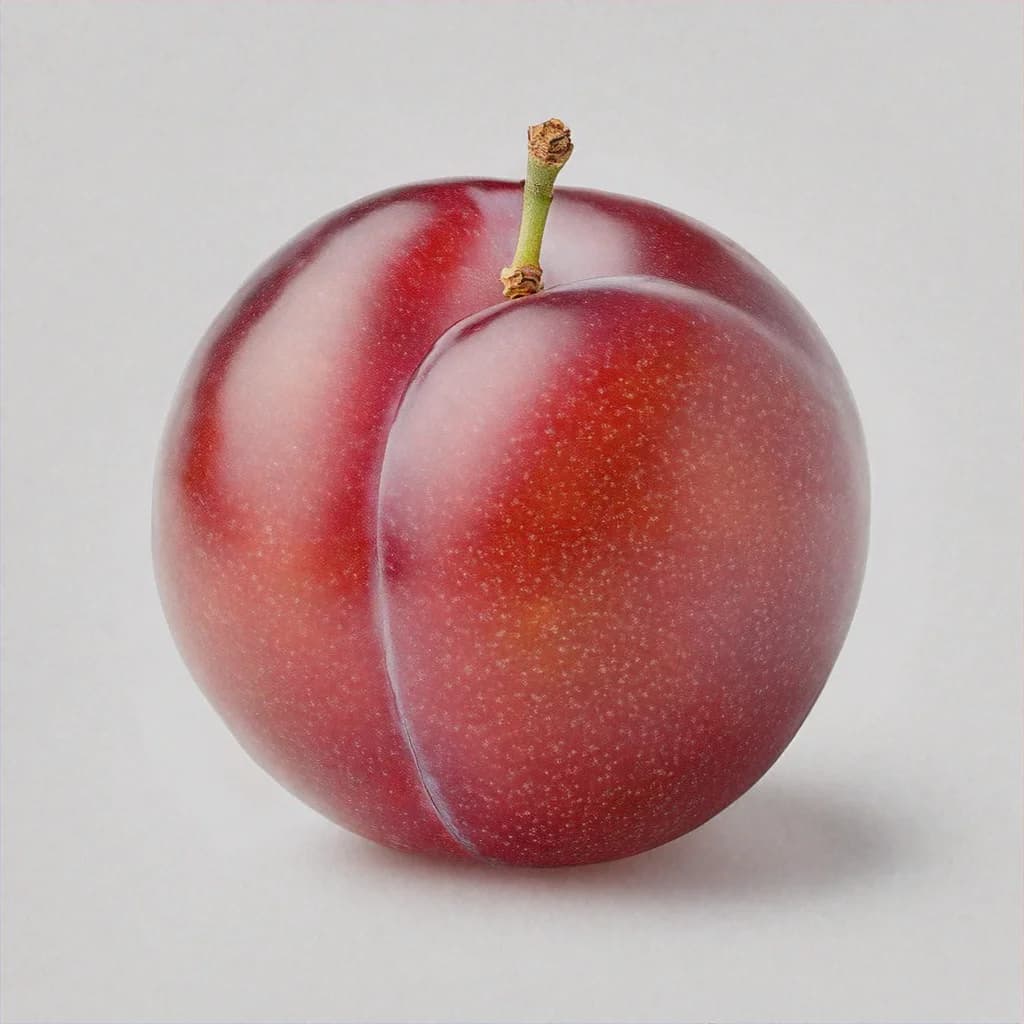
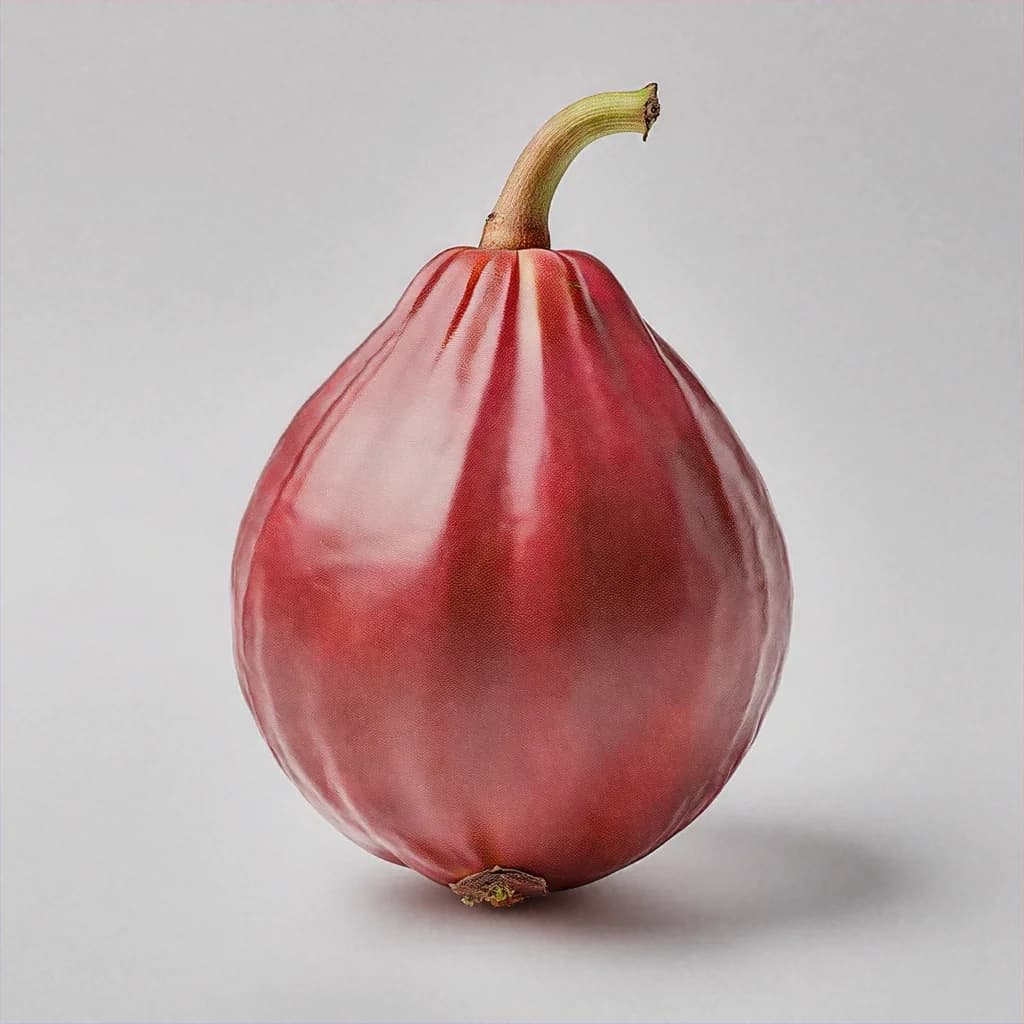
Explore Amla in stunning detail
Amla - Main View
Per 100g
Per 100g
Nutrition breakdown for one serving
India
Amla has been used in Ayurvedic medicine for thousands of years for its healing properties.
Year-round
Each variety offers unique flavors, textures, and culinary applications
Keep your fruit fresh and delicious for longer
Select firm, unblemished fruits.
Avoid fruits with soft spots or wrinkles.
Store in a cool, dry place.
Refrigerate to extend shelf life.
Preserve freshness for months
Can be frozen for up to 6 months.
Label frozen items with the date to track freshness. Most fruits maintain quality for 2-3 months when properly frozen. For best results, use airtight containers or freezer bags to prevent freezer burn.
Discover delicious possibilities
Rare, but possible allergic reactions may occur.
Choose organic Amla to avoid pesticide exposure.
Surprising trivia you'll love!
Amla is one of the richest sources of Vitamin C in the world.
Amla has been used in Ayurvedic medicine for over 5,000 years.
The name 'Amla' is derived from the Sanskrit word 'Amalaki', meaning 'nurse' or'mother'.
Amla, also known as Indian Gooseberry, is a small to medium-sized tree native to India and other parts of Southeast Asia. The fruit is round, greenish-yellow, and has a very sour taste.
Amla is rich in Vitamin C, acts as a powerful antioxidant, supports digestive health, promotes skin health, helps in managing blood sugar levels, supports liver health, aids in weight management, improves hair health, supports heart health, and enhances brain function.
Amla contains 478.6mg of Vitamin C per 100g, which is 532% of the daily value.
Store Amla in a cool, dry place. It can be refrigerated to extend shelf life up to 2 weeks.
Amla lasts 3-4 days at room temperature.
Yes, Amla can be frozen for up to 6 months.
Popular Amla recipes include Amla Juice, Amla Chutney, and Amla Pickle.
Amla is commonly used in salads, chutneys, and pickles.
While Amla is generally safe, excessive consumption may cause digestive issues such as diarrhea or stomach cramps.
Individuals with a history of kidney stones or those on certain medications should consult a healthcare provider before consuming Amla.
Amla is considered sustainable due to its low water usage and ability to grow in diverse climates.
Sustainability insights
Amla is considered sustainable due to its low water usage and ability to grow in diverse climates.
Low, as Amla trees require minimal maintenance.
Low, making it suitable for arid regions.
Prefer locally sourced Amla to reduce carbon footprint.
We aim to keep this Amla profile accurate and easy to understand. Nutrition values and % Daily Value figures are based on established reference databases and standard daily value guidance.
Last updated: September 18, 2026
Medical disclaimer
This page is for general educational purposes and does not replace professional medical advice.
Found an issue? Contact us.