Loading Fruit Details...
Please wait while we fetch nutritional information and health benefits
Please wait while we fetch nutritional information and health benefits
Recommended Products
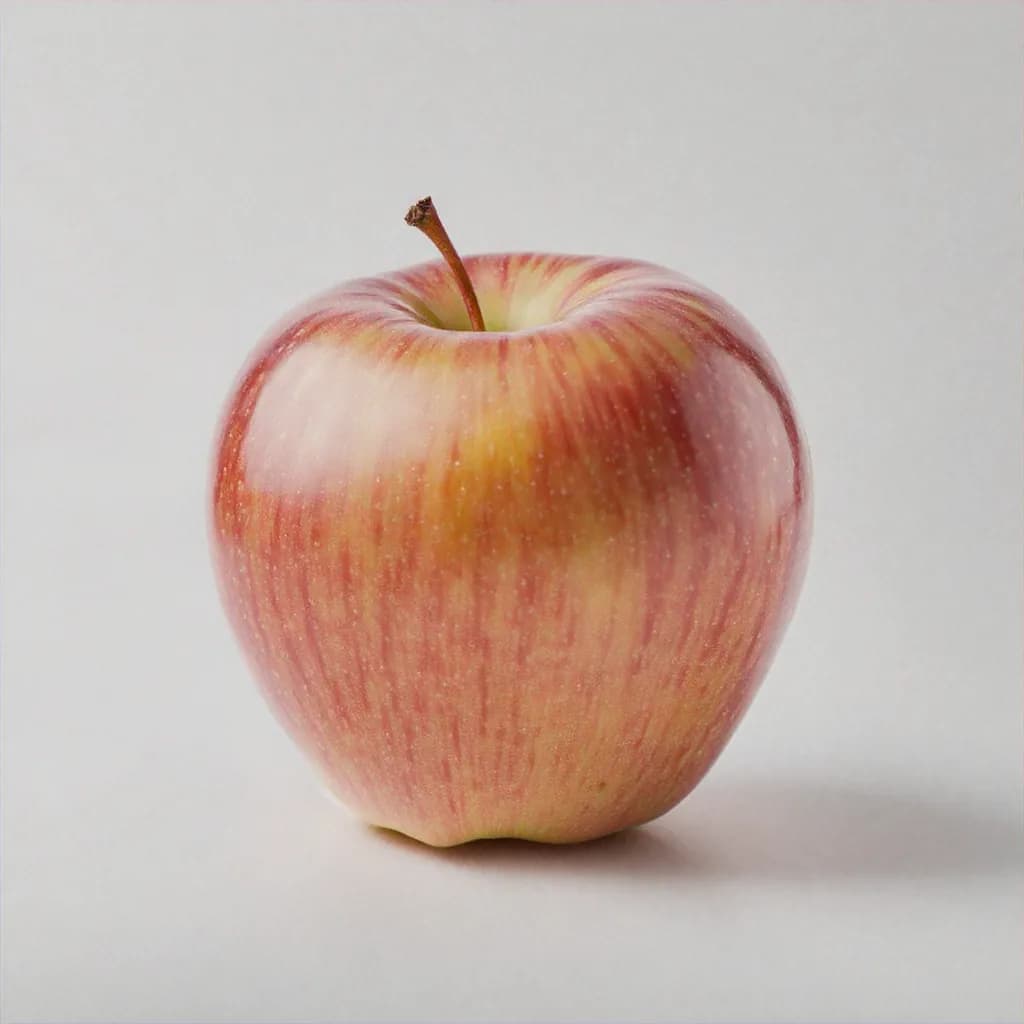
Malus domestica
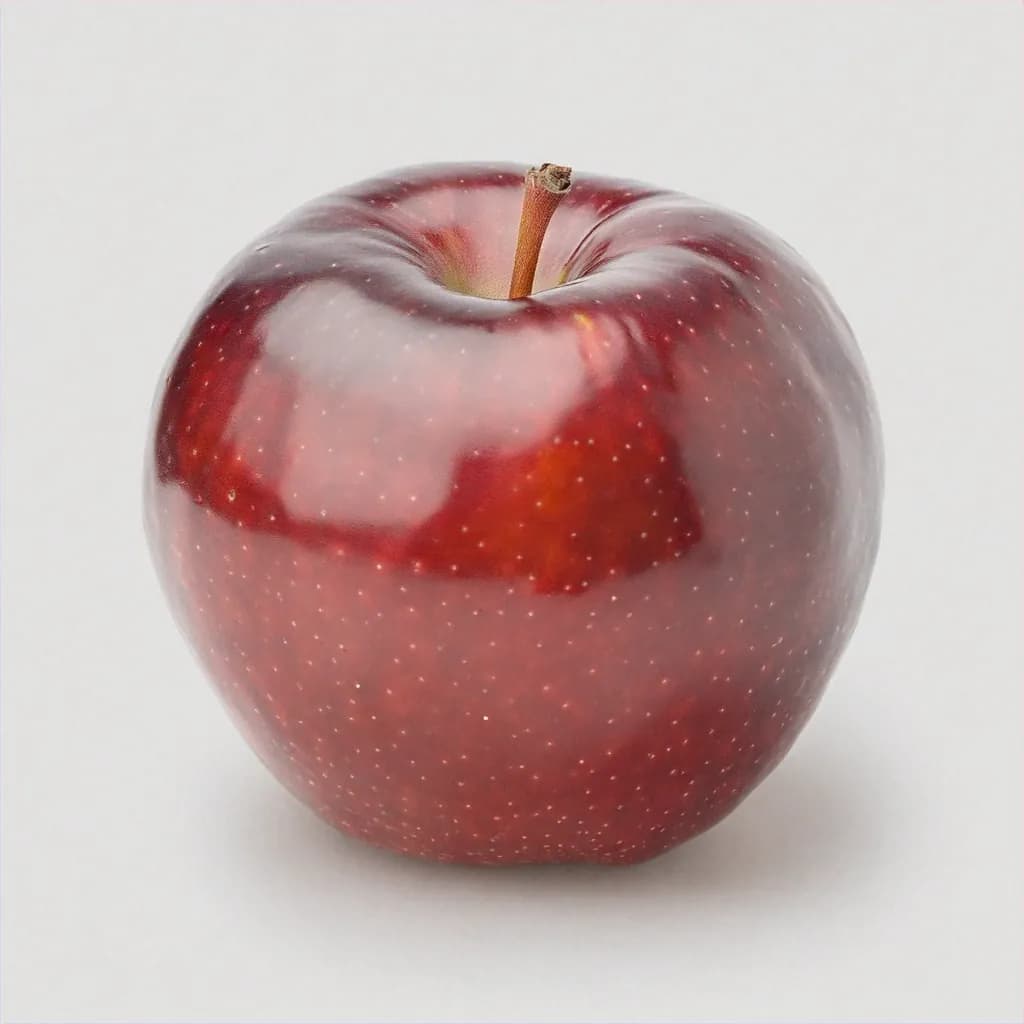
The apple, a small, round fruit known for its crisp texture and tart to sweet flavor, has been a staple in orchards and kitchens for centuries. Originating from Central Asia, this fruit has traveled far and wide, adapting to various climates and soils. Each bite offers a unique blend of juicy flesh and a satisfying crunch. Primarily enjoyed fresh, apples also shine in pies, ciders, and even sauces. Surprisingly, the apple’s skin contains a compound called ursolic acid, which has been linked to health benefits like improved muscle growth and reduced fat. Whether savored alone or incorporated into a recipe, the apple's versatility and subtle complexities make it a beloved fruit across cultures and generations.
Explore Apple in stunning detail
Apple - Main View
Per 100g
Per 100g
Nutrition breakdown for one serving
Central Asia (Kazakhstan region)
Apple's tale begins in Central Asia, cradled by the Tian Shan Mountains. Trade routes bore its seeds westward, whispering through Silk Road caravans. Europe embraced it, embedding the fruit in folklore and art. Pilgrims carried apples to the New World, planting orchards that flourished. Today, apple festivals celebrate harvests, and cider flows in autumn gatherings, echoing a legacy that spans continents and centuries.
August to November (varies by variety and region)
Each variety offers unique flavors, textures, and culinary applications
Keep your fruit fresh and delicious for longer
Check the color: A ripe apple should exhibit a rich hue without green spots. The shade may vary depending on the variety, so take that into account.
Feel the texture: Gently squeeze the apple. It should yield slightly to pressure but not feel mushy. A firm apple is often a sign of good quality.
Pay attention to the aroma: A fresh apple has a pleasant scent. If it smells faintly fruity, it's likely at its peak.
Consider the weight: A heavier apple for its size is often more flavorful and less likely to be under-ripe.
Room temperature is best: Store apples at room temperature to maintain their flavor. Avoid the fridge as it can alter the texture.
Keep them in a cool, dry place: Ideally, a location with good air circulation will help prolong freshness.
Separate from other produce: Never store apples near fruits that emit ethylene gas, like bananas. This can speed up ripening.
Avoid a common mistake: Don’t wash apples before storing. Moisture can lead to mold growth.
Preserve freshness for months
Slice and coat with lemon juice to prevent browning
Freeze in airtight containers or freezer bags
Can be stored frozen for up to 12 months
Best used for cooking and baking after freezing
Label frozen items with the date to track freshness. Most fruits maintain quality for 2-3 months when properly frozen. For best results, use airtight containers or freezer bags to prevent freezer burn.
Discover delicious possibilities
Some people may experience oral allergy syndrome (OAS), causing itching or tingling in the mouth. Cross-reactivity may occur with birch pollen allergies. True apple allergies are rare but can cause more severe reactions.
Apples are often on the 'Dirty Dozen' list for pesticide residues. Consider buying organic or washing thoroughly under running water.
Surprising trivia you'll love!
An apple a day is said to keep the dentist away, but apples are so hard that they can actually help polish teeth!
The largest apple ever recorded weighed over 2 pounds and belonged to an apple grower from Michigan.
Apples have a natural antimicrobial property that can help in fighting some bacteria.
In medieval Europe, apples were believed to have magical healing powers and were often used in folk remedies.
Did you know that apple seeds contain a compound called amygdalin, which, when ingested in large quantities, can release cyanide? However, the amount found in the seeds is generally not enough to cause harm.
A ripe apple will have a firm yet slightly yielding texture when gently pressed. Its skin should be vibrant and uniform in color, typically red, green, or yellow, depending on the variety.
While small amounts of apple seeds are generally safe, consuming large quantities can be harmful due to the presence of amygdalin, which can release cyanide. It’s best to avoid eating them in large quantities.
The best time to harvest apples is typically in late summer to early fall, when the fruit has reached its peak ripeness. This timing varies slightly depending on the apple variety and local climate conditions.
Yes, storing apples in the refrigerator can extend their shelf life by slowing down the ripening process. However, it's best to keep them in the crisper drawer to maintain optimal humidity and temperature.
The type of soil can significantly influence apple flavor. Well-draining, nutrient-rich soils tend to produce apples with more complex and robust flavors, while nutrient-poor soils may result in less flavorful fruit.
Sustainability insights
Apples contribute to soil health by improving aeration and supporting microbial life through their organic waste.
medium
Local apples typically have a lower environmental footprint due to reduced transportation emissions, though imported apples can sometimes be grown using more sustainable practices in favorable climates.
We aim to keep this Apple profile accurate and easy to understand. Nutrition values and % Daily Value figures are based on established reference databases and standard daily value guidance.
Last updated: September 8, 2026
Medical disclaimer
This page is for general educational purposes and does not replace professional medical advice.
Found an issue? Contact us.