Loading Fruit Details...
Please wait while we fetch nutritional information and health benefits
Please wait while we fetch nutritional information and health benefits
Recommended Products
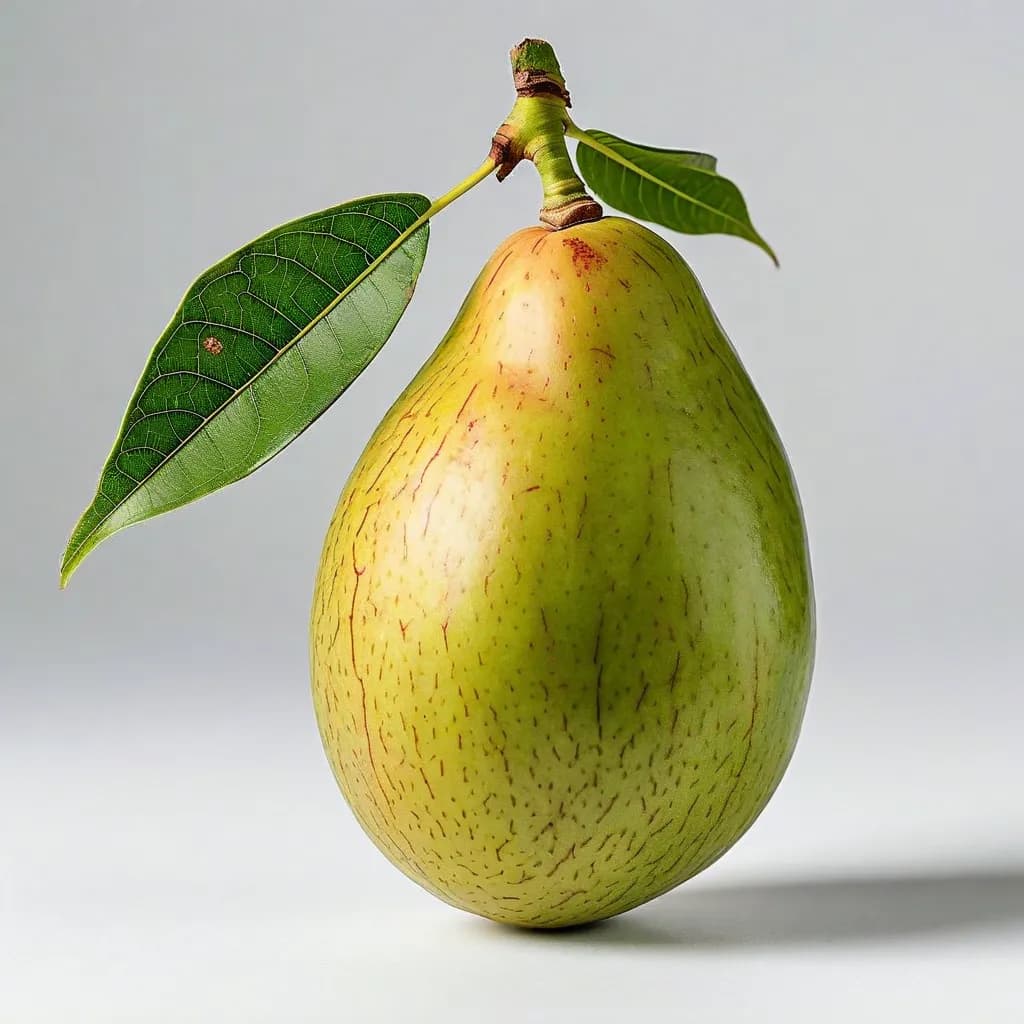
Spondias dulcis
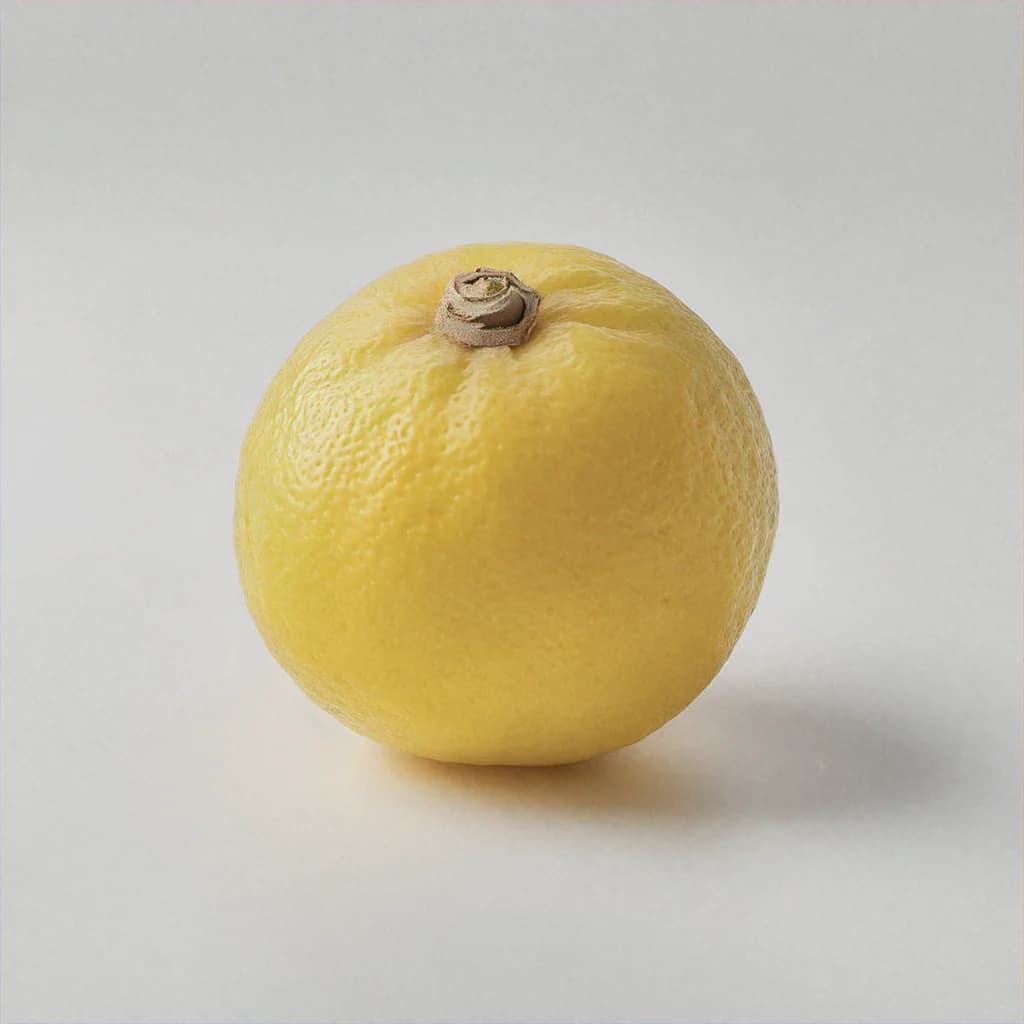
Ambarella, scientifically known as Spondias dulcis, is a vibrant tropical fruit celebrated for its unique combination of flavors and textures. When unripe, the fruit is firm, crisp, and tart, reminiscent of a green apple or underripe pineapple, making it a popular choice for savory salads and pickles. As it ripens, the skin transitions from green to a golden-yellow hue, and the flesh softens, developing a complex, sweet-tart profile with notes of pineapple and mango, and a fibrous, juicy texture. The fruit grows in clusters on a fast-growing tree, producing oval or ellipsoid drupes with a thin, leathery skin and a single, large, spiny seed at its core. Its aroma is subtly floral and tropical. Also known regionally as June plum, golden apple, or Otaheite apple, Ambarella is a versatile culinary ingredient across Southeast Asia, the Caribbean, and the Pacific Islands. Its high vitamin C content and rich antioxidant profile make it not only a delicious treat but also a nutritious addition to a balanced diet, offering a refreshing taste of the tropics.
Explore Ambarella in stunning detail
Ambarella - Main View
Per 100g
Per 100g
Nutrition breakdown for one serving
Polynesia and Melanesia (likely originating in the Society Islands)
Ambarella has a fascinating history of human-assisted dispersal. While native to Polynesia, it was spread by early Austronesian voyagers throughout Southeast Asia. European explorers, including Captain Bligh, later transported it from Tahiti (Otaheite) to Jamaica in the late 18th century, which is why it's often called the Otaheite apple. Its ease of cultivation from large cuttings, rapid growth, and prolific fruiting made it a popular dooryard tree across the tropics. It became naturalized in the Caribbean and parts of South America, where it integrated into local cuisines, used in everything from refreshing drinks to savory chutneys.
Tropical regions typically have a main harvest season during the summer and early autumn months.
Each variety offers unique flavors, textures, and culinary applications
Keep your fruit fresh and delicious for longer
For tart, crisp uses: Select firm fruits with smooth, bright green skin free of major blemishes.
For sweet, juicy eating: Look for fruits that have turned a uniform golden-yellow color and yield slightly to gentle pressure.
Avoid fruits with deep bruises, cuts, or excessive soft spots, which indicate over-ripeness or damage.
Choose fruits that feel heavy for their size, signaling good moisture content.
A fragrant, sweet tropical aroma at the stem end is a good indicator of ripeness for immediate consumption.
Store unripe, green Ambarella at room temperature away from direct sunlight until they develop a yellow color.
Once ripe, transfer to the refrigerator's crisper drawer to slow further ripening; they will keep for 3-5 days.
Place ripe fruits in a paper bag with a banana to accelerate ripening if needed.
Keep cut fruit in an airtight container in the refrigerator and consume within 1-2 days to prevent browning and texture loss.
Preserve freshness for months
Peel and slice the fruit, removing the large central seed. Blanch slices in boiling water for 1-2 minutes to preserve color and texture, then plunge into ice water.
Pat slices dry and arrange in a single layer on a parchment-lined baking sheet. Freeze until solid (2-3 hours) before transferring to airtight freezer bags.
Frozen Ambarella is best used within 8-10 months and is ideal for smoothies, cooked sauces, or jams where texture is less critical.
Label frozen items with the date to track freshness. Most fruits maintain quality for 2-3 months when properly frozen. For best results, use airtight containers or freezer bags to prevent freezer burn.
Discover delicious possibilities
Allergies to Ambarella are rare but possible, particularly in individuals with Oral Allergy Syndrome (OAS) who are sensitive to pollen. Cross-reactivity with mango or pistachio (all in the Anacardiaceae family) is theoretically possible but not commonly reported.
As a dooryard tree often grown with minimal inputs, conventionally farmed Ambarella may have lower pesticide residues than intensively cultivated fruits. However, it is always advisable to wash thoroughly or choose organic when possible.
Surprising trivia you'll love!
In the Caribbean, the tree is often called 'June Plum' not just for its fruit, but because a common propagation method is to plant large branches, or 'plumbs,' which readily take root and grow.
The wood of the Ambarella tree is soft and light, making it unsuitable for construction but traditionally used for making canoes and floats for fishing nets in some Pacific islands.
The leaves of the Ambarella tree are compound and fragrant; when crushed, they emit a pleasant, resinous aroma and are sometimes used in traditional medicine for skin ailments.
Captain William Bligh of HMS Bounty fame is credited with introducing the fruit to Jamaica from Tahiti in 1793, following his infamous voyage.
In Sri Lanka, a popular street food is 'Ambula,' which is sliced green Ambarella served with a mixture of salt, chili, and powdered shrimp paste for an umami kick.
The tree is incredibly fast-growing and can bear fruit within just 2-3 years of planting, much sooner than many other fruit trees.
Ambarella offers a fascinating taste journey depending on its ripeness. When green and unripe, it is remarkably tart, crisp, and slightly astringent, similar to a Granny Smith apple or a very underripe pineapple, making it perfect for savory applications. As it ripens to a golden yellow, the flesh softens and the flavor transforms into a complex, sweet-tart profile with distinct notes of pineapple and mango. The texture becomes juicier but also more fibrous, especially near the large seed. The overall experience is refreshing and uniquely tropical, often described as a cross between a mango, a pineapple, and an apple with its own distinctive character.
Preparing Ambarella is straightforward. First, rinse the fruit under cool water. You can eat the thin skin when ripe, but many prefer to peel it with a vegetable peeler or paring knife. Slice the fruit vertically around the large, spiny central seed—it's not a pit you can easily remove like in a mango, so you'll cut the flesh away from it. The seed is inedible. For green fruit, slice or grate it for salads, or cut into chunks for pickling. For ripe fruit, you can slice it for eating fresh, blend it for juices, or chop it for cooking. A popular snack in many cultures is to simply sprinkle slices with a little salt or a mix of salt and chili powder.
No, Ambarella is not considered a high-sugar fruit. Per 100-gram serving, it contains approximately 6.5 grams of sugar, which is relatively low compared to many other tropical fruits like mangoes (14g) or bananas (12g). Its glycemic index is also low, estimated around 40, meaning it causes a slow, gradual rise in blood sugar levels. This favorable profile is due to its significant dietary fiber content (over 3g per serving), which slows digestion and sugar absorption. Therefore, Ambarella can be a excellent fruit choice for those monitoring their sugar intake, including individuals with diabetes, when consumed in moderation as part of a balanced meal.
Ambarella is a valuable source of several antioxidant compounds that combat oxidative stress in the body. Its most prominent antioxidant is Vitamin C (ascorbic acid), a powerful water-soluble antioxidant that protects cells from free radical damage. It also contains beta-carotene, a precursor to Vitamin A, which acts as a fat-soluble antioxidant important for eye and skin health. Furthermore, Ambarella provides various phytonutrients like flavonoids (including quercetin) and phenolic acids (such as gallic acid), which have demonstrated anti-inflammatory and antioxidant properties in studies. The fruit also contains tannins, which contribute to its slight astringency when unripe and possess antioxidant capabilities. Together, this mix helps support overall cellular health.
Sustainability insights
Ambarella trees are generally considered sustainable. They are fast-growing, require minimal irrigation once established, and are often grown in mixed agroforestry systems or home gardens with little to no chemical fertilizers or pesticides. Their deep roots can help prevent soil erosion.
The carbon footprint is typically low, especially for locally consumed fruit. When grown and sold within tropical regions, transportation emissions are minimal. Importing to temperate zones increases the footprint significantly.
Water usage is relatively low compared to thirsty crops like almonds or avocados. The tree is drought-tolerant and thrives in tropical climates with seasonal rainfall, rarely requiring intensive irrigation.
Choosing locally grown Ambarella within its tropical cultivation regions is the most environmentally friendly option. Imported fruit, often air-freighted to maintain freshness, carries a much higher carbon cost. Supporting local growers also preserves agricultural biodiversity.
We aim to keep this Ambarella profile accurate and easy to understand. Nutrition values and % Daily Value figures are based on established reference databases and standard daily value guidance.
Last updated: September 20, 2026
Medical disclaimer
This page is for general educational purposes and does not replace professional medical advice.
Found an issue? Contact us.