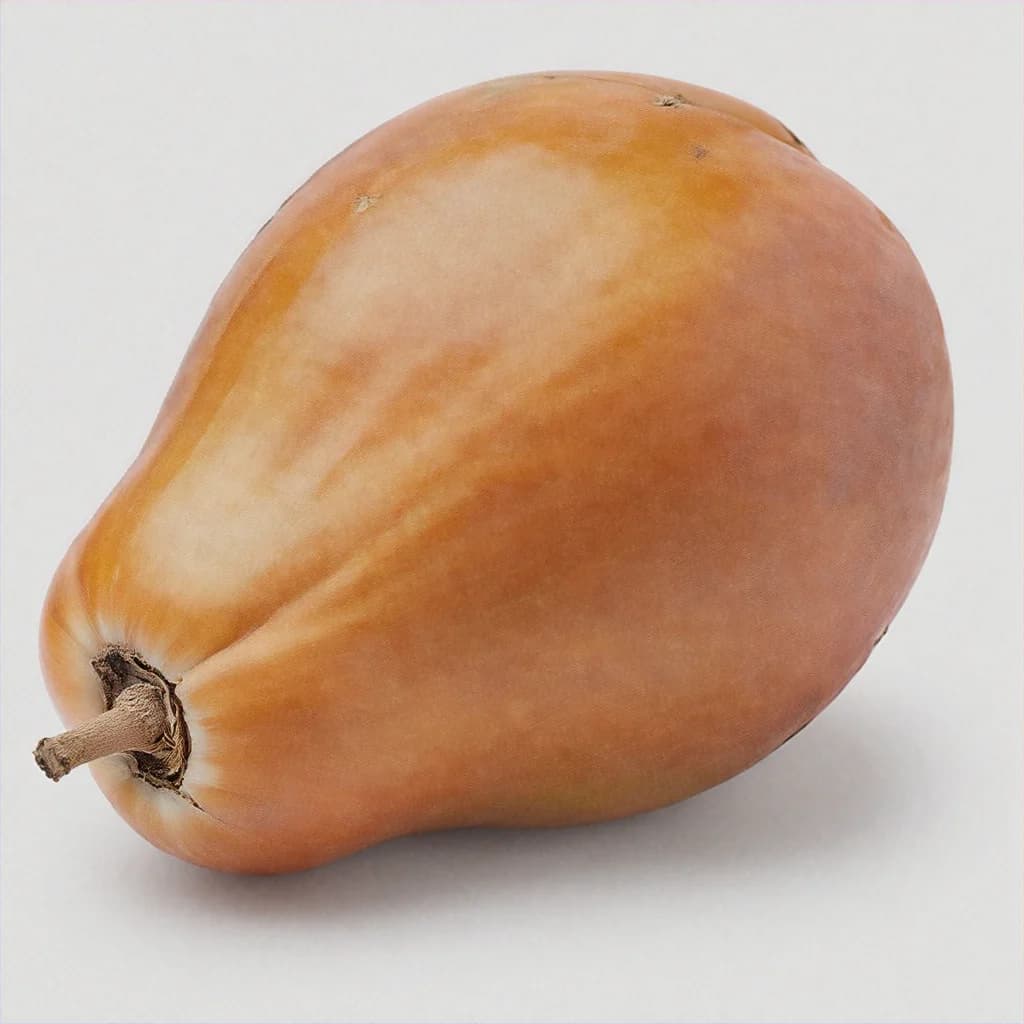
Loading Fruit Details...
Please wait while we fetch nutritional information and health benefits
Please wait while we fetch nutritional information and health benefits
Recommended Products
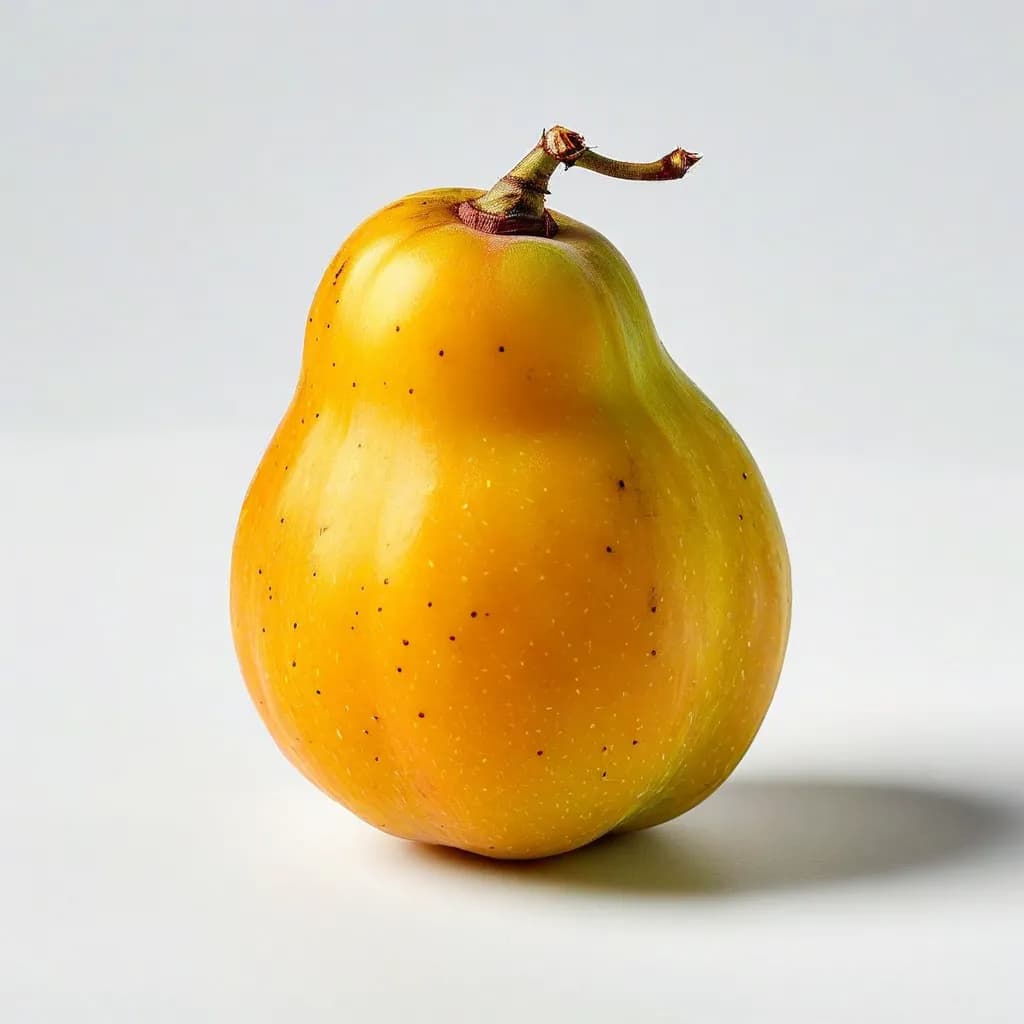
Garcinia humilis
The Achacha, scientifically known as Garcinia humilis, is a tropical fruit native to the Amazonian regions of South America. This fruit is celebrated for its unique flavor profile, which combines sweet, sour, and slightly astringent notes. The Achacha fruit is small, round, and typically yellow to orange in color when ripe. Its flesh is juicy and segmented, similar to citrus fruits, and encases small seeds. Rich in vitamins, minerals, and antioxidants, Achacha is not only a delicious treat but also a nutritious addition to any diet. The fruit's vibrant taste and health benefits make it a popular ingredient in various culinary applications, from fresh fruit salads to exotic beverages.
Explore Achacha in stunning detail
Achacha - Main View
Per 100g
Per 100g
Nutrition breakdown for one serving
Amazonian regions of South America
The Achacha fruit has been a staple in Amazonian diets for centuries. Indigenous communities have traditionally used it not only as a food source but also for its medicinal properties. The fruit was introduced to other parts of South America through trade and has since gained popularity for its unique flavor and health benefits.
Year-round
Each variety offers unique flavors, textures, and culinary applications
Keep your fruit fresh and delicious for longer
Select fruits that are firm yet slightly yielding to pressure.
Look for a bright, uniform color without blemishes or soft spots.
Avoid fruits with cracks or signs of mold.
Choose fruits with a fragrant aroma, indicating ripeness.
Check for a natural sheen on the skin, which suggests freshness.
Store at room temperature if the fruit is unripe.
Refrigerate ripe Achacha to extend its shelf life.
Keep the fruit in a perforated plastic bag to maintain humidity.
Avoid storing near strong-smelling foods to prevent flavor absorption.
Consume within a few days of ripening for the best taste and nutritional value.
Preserve freshness for months
Peel and segment the fruit before freezing.
Place segments on a baking sheet and freeze until solid.
Transfer frozen segments to an airtight container or freezer bag.
Use within 6 months for best quality.
Label frozen items with the date to track freshness. Most fruits maintain quality for 2-3 months when properly frozen. For best results, use airtight containers or freezer bags to prevent freezer burn.
Discover delicious possibilities
Individuals with citrus allergies may also be allergic to Achacha.
Choose organic Achacha when possible to avoid pesticide residues.
Surprising trivia you'll love!
Achacha trees can grow up to 15 meters tall.
The fruit is also known as 'achachairu' in some regions.
Achacha has been used traditionally for its medicinal properties.
The fruit's segments are similar to those of citrus fruits.
Achacha is often used in Amazonian rituals and ceremonies.
The fruit's vibrant color and unique flavor make it a favorite among chefs for creating exotic dishes.
Achacha has a unique flavor profile that combines sweet, sour, and slightly astringent notes. It's often described as a cross between a citrus fruit and a tropical fruit, with a juicy and refreshing taste.
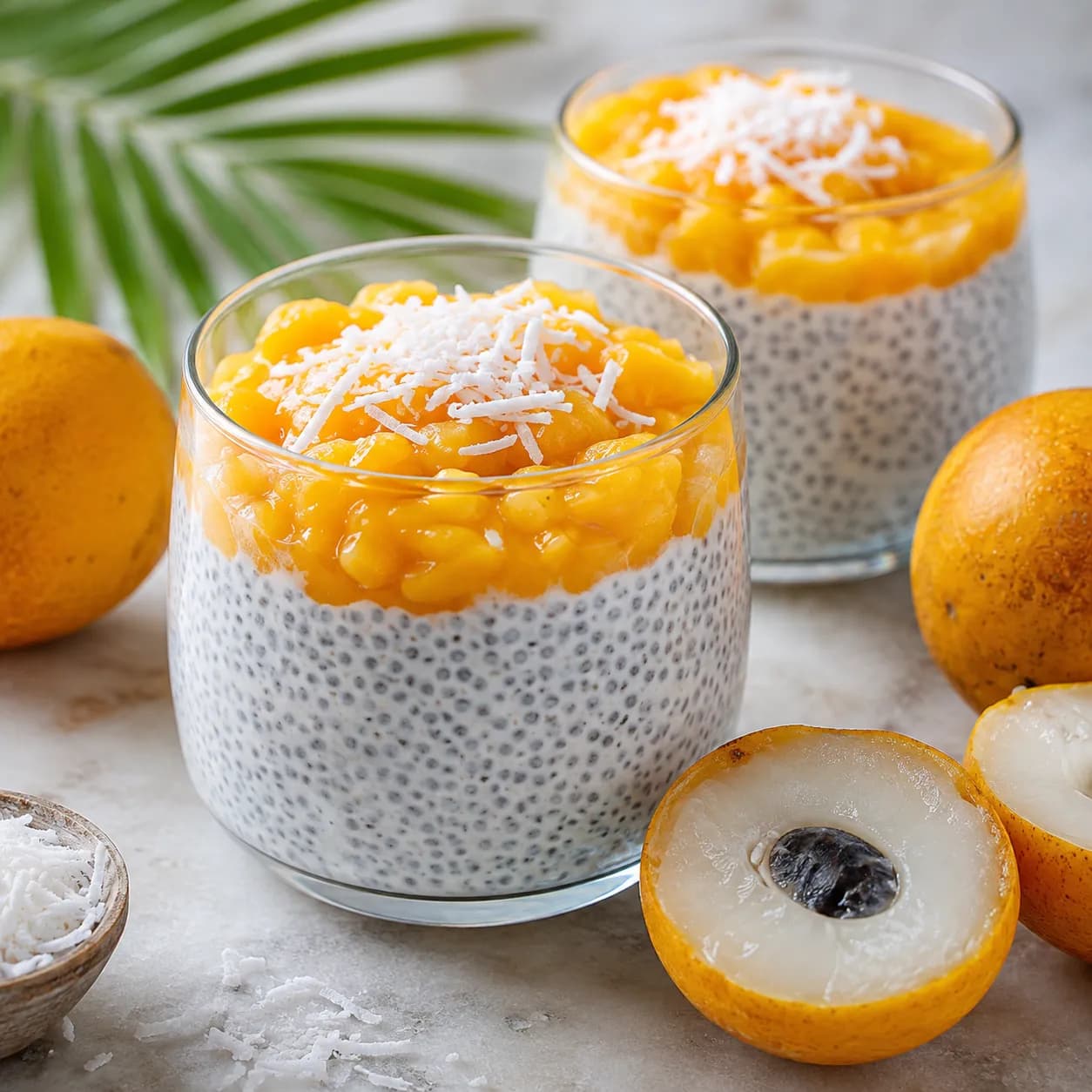
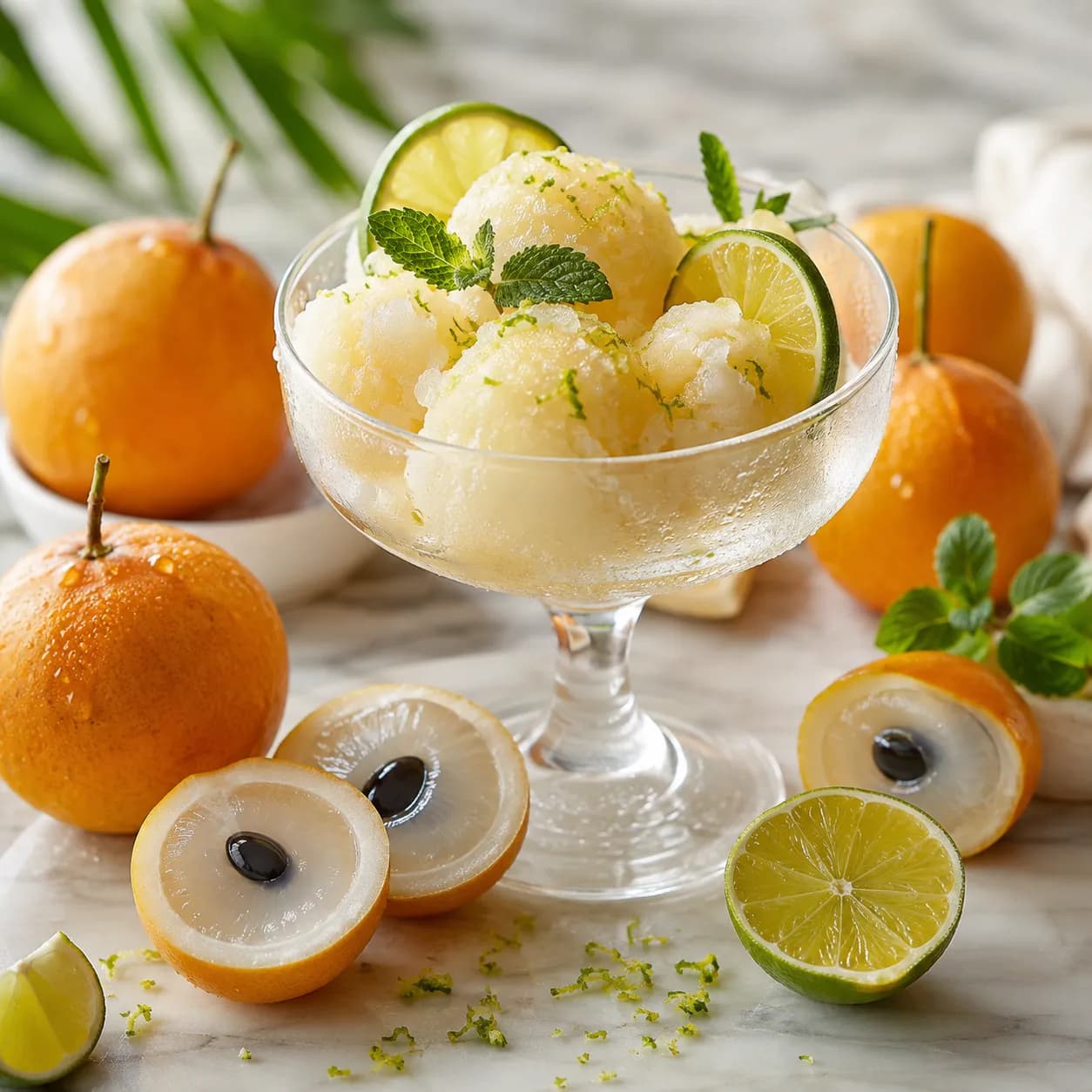
Achacha can be eaten fresh as a snack, added to fruit salads, blended into smoothies, or used in various culinary applications like jams, jellies, desserts, and savory dishes. Simply cut the fruit in half, remove the seeds, and enjoy the juicy segments.
Achacha is rich in antioxidants, vitamins, and minerals. It boosts the immune system, aids in digestion, supports heart health, and helps manage blood sugar levels. Its high Vitamin C content promotes skin health, and its fiber content supports a healthy gut.
Achacha trees can be grown at home in tropical and subtropical climates. They require well-draining soil, regular watering, and full sun. However, they may take several years to start producing fruit.
Sustainability insights
Achacha trees are relatively low-maintenance and can thrive in diverse soil types, making them a sustainable crop.
Locally sourced Achacha has a lower carbon footprint compared to imported varieties.
Achacha trees require moderate water, making them suitable for regions with adequate rainfall.
Supporting local farmers and choosing seasonal Achacha can reduce the environmental impact of transportation.
We aim to keep this Achacha profile accurate and easy to understand. Nutrition values and % Daily Value figures are based on established reference databases and standard daily value guidance.
Last updated: September 21, 2026
Medical disclaimer
This page is for general educational purposes and does not replace professional medical advice.
Found an issue? Contact us.