Loading Fruit Details...
Please wait while we fetch nutritional information and health benefits
Please wait while we fetch nutritional information and health benefits
Recommended Products
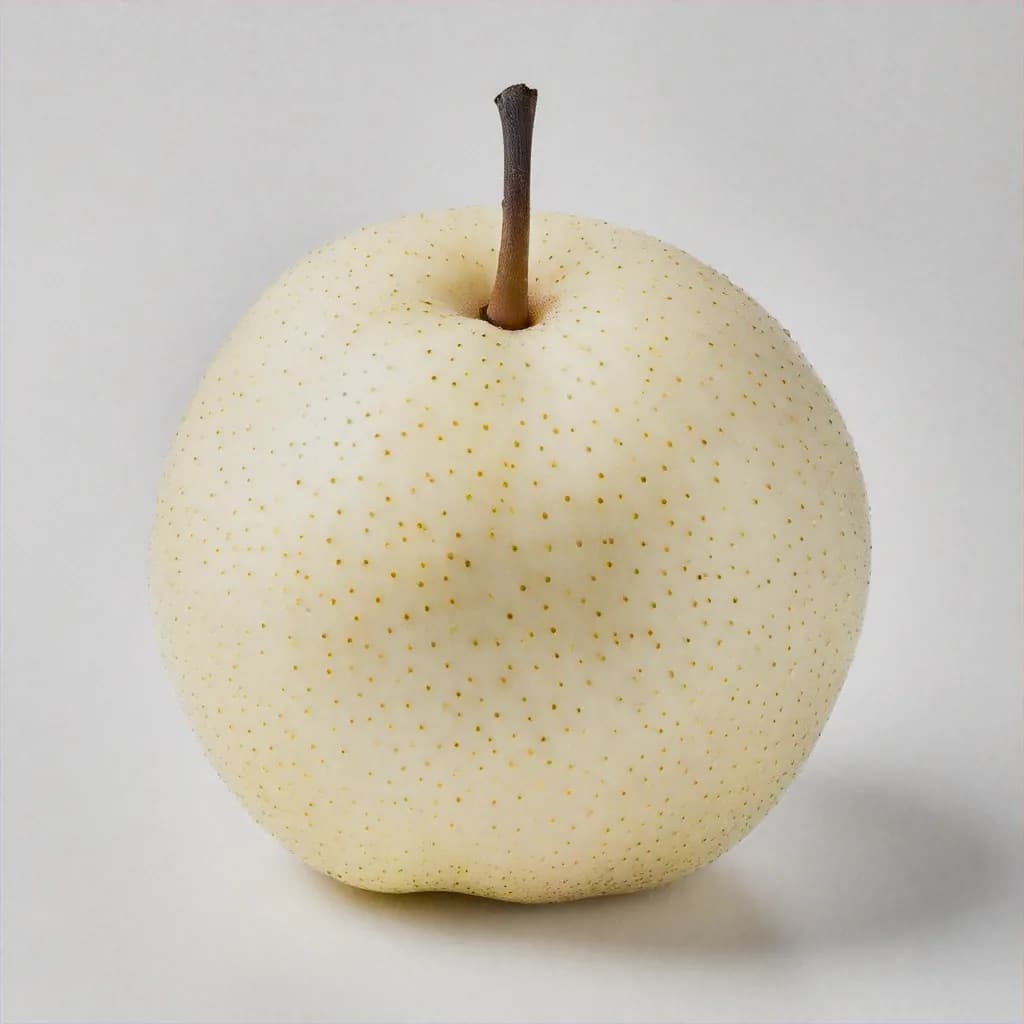
Pyrus pyrifolia
Asian pear is a crisp, juicy, and refreshing fruit prized for its apple-like crunch and pear-like sweetness. Also known as Nashi pear, apple pear, or sand pear, Asian pear is low in calories yet rich in hydration, dietary fiber, and vitamin C. With over 88% water content, it supports hydration, digestion, and metabolic wellness. Asian pear delivers natural antioxidants, gentle sweetness, and a very low glycemic load, making it ideal for weight management, blood sugar balance, and daily wellness nutrition. Popular across East Asia for both fresh consumption and traditional remedies, Asian pear is valued for its cooling properties, digestive support, and refreshing taste.
Explore Asian Pear in stunning detail
Asian Pear - Main View
Per 100g
Per 100g
Nutrition breakdown for one serving
East Asia (China, Korea, Japan)
Asian pear has been cultivated in East Asia for over 3,000 years. Revered in traditional Chinese culture for its cooling and hydrating properties, it has long been used both as a fresh fruit and in herbal remedies for throat and lung health. Asian pear spread globally in the 19th century and is now widely grown for its crisp texture, long shelf life, and refreshing flavor.
Late summer to winter
Each variety offers unique flavors, textures, and culinary applications
Keep your fruit fresh and delicious for longer
Choose firm pears with smooth, unblemished skin
Heavier fruit indicates higher juice content
Avoid bruises, wrinkles, or soft spots
Store in refrigerator for extended freshness
Keep unwashed until ready to eat
Store separately from strong-smelling foods
Preserve freshness for months
Peel and slice before freezing
Best used for smoothies or cooking after thawing
Label frozen items with the date to track freshness. Most fruits maintain quality for 2-3 months when properly frozen. For best results, use airtight containers or freezer bags to prevent freezer burn.
Discover delicious possibilities
Asian pear allergies are rare but possible in individuals with pollen allergies.
Wash thoroughly or choose organic when possible.
Surprising trivia you'll love!
Asian pears are often called apple pears due to their crunch
They contain over 88% water
Traditionally used in East Asia for throat relief
Can stay fresh for over a month when refrigerated
Often given as premium gifts in Korea and Japan
Asian pear is a crisp, juicy fruit native to East Asia, known for its apple-like crunch and pear-like sweetness.
Yes, its high fiber and water content support digestive health and regular bowel movements.
Asian pears are mildly sweet, extremely juicy, and crunchy, similar to apples but with a pear aroma.
Yes, Asian pears are round and crunchy, while regular pears are softer and become mushy when ripe.
Yes, Asian pears are low in calories and rich in fiber, vitamin C, and antioxidants.
Yes, the skin is edible and contains additional fiber and nutrients.
Asian pears are typically harvested from late summer to early autumn.
Asian pears should be stored in the refrigerator to maintain their crisp texture and freshness.
Yes, their high water content makes them excellent for hydration.
Yes, Asian pears are most commonly eaten raw due to their refreshing crunch.
Yes, Asian pears are used in salads, desserts, and Asian dishes, especially as meat tenderizers.
Yes, it is low in calories and high in fiber, helping promote fullness.
Asian pears are widely grown in China, Japan, Korea, and other temperate regions.
Yes, Asian pears contain small seeds located in the core.
Sustainability insights
Supports orchard farming economies in East Asia.
Lower when consumed locally and seasonally.
Moderate water requirement.
Local produce reduces environmental impact.
We aim to keep this Asian Pear profile accurate and easy to understand. Nutrition values and % Daily Value figures are based on established reference databases and standard daily value guidance.
Last updated: September 8, 2026
Medical disclaimer
This page is for general educational purposes and does not replace professional medical advice.
Found an issue? Contact us.