Loading Fruit Details...
Please wait while we fetch nutritional information and health benefits
Please wait while we fetch nutritional information and health benefits
Recommended Products
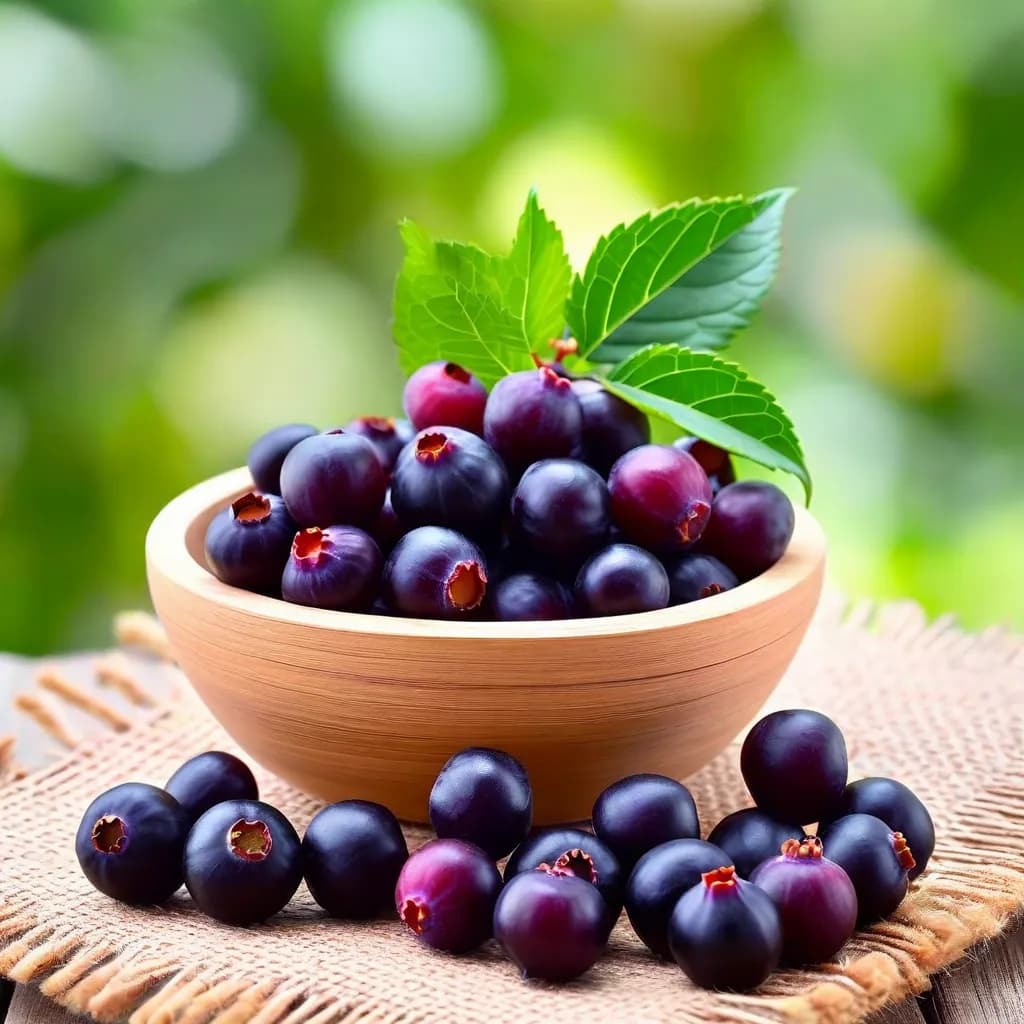
Euterpe oleracea
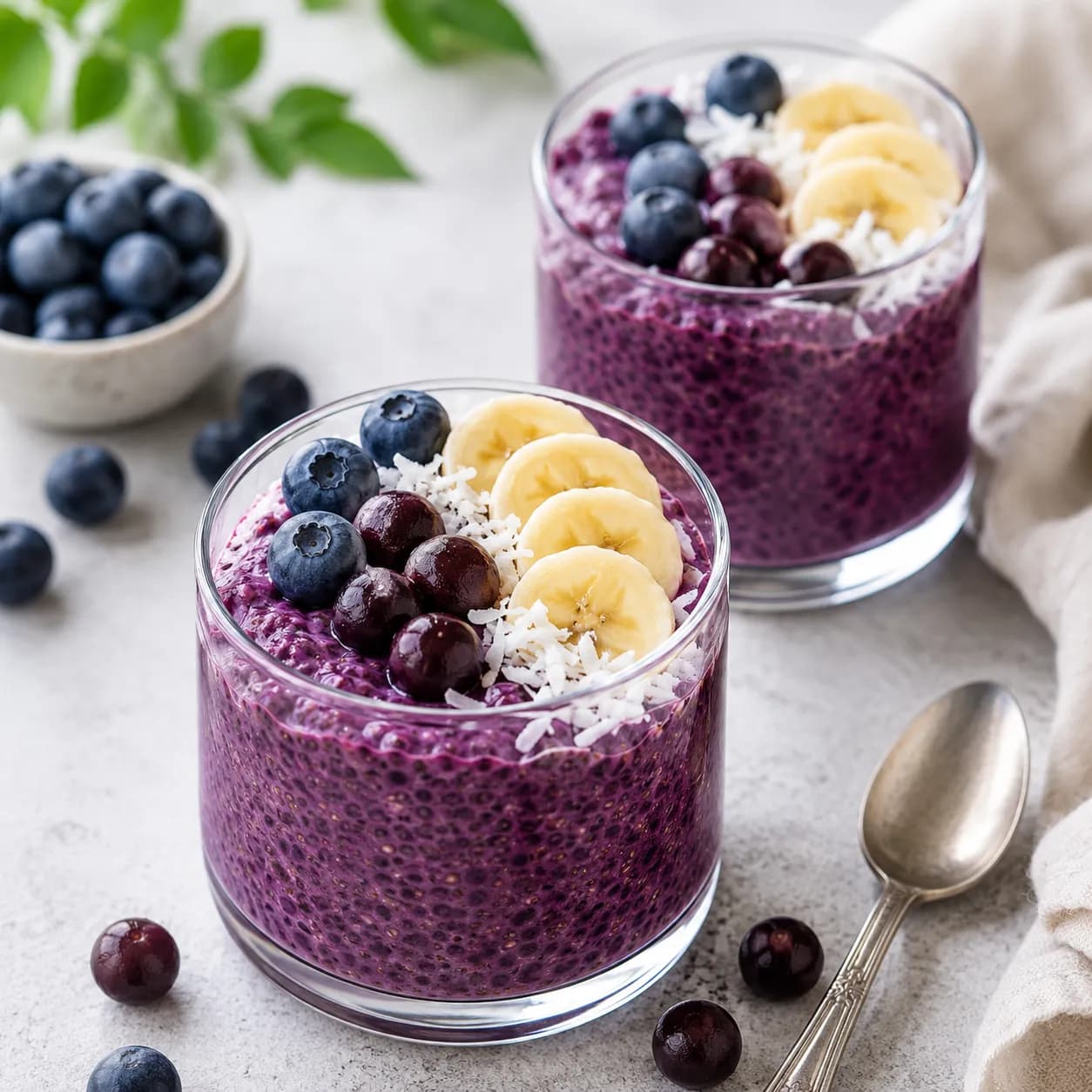
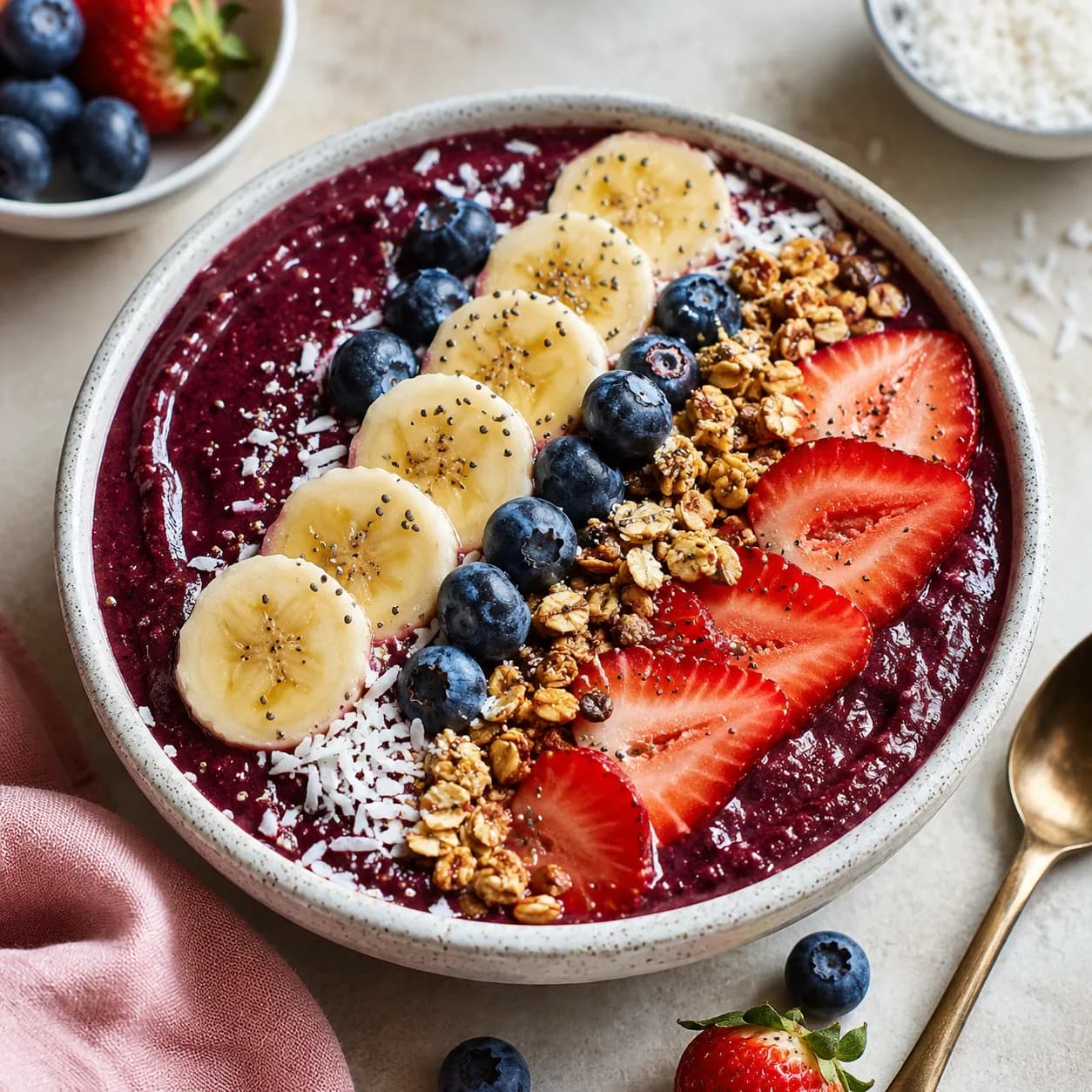
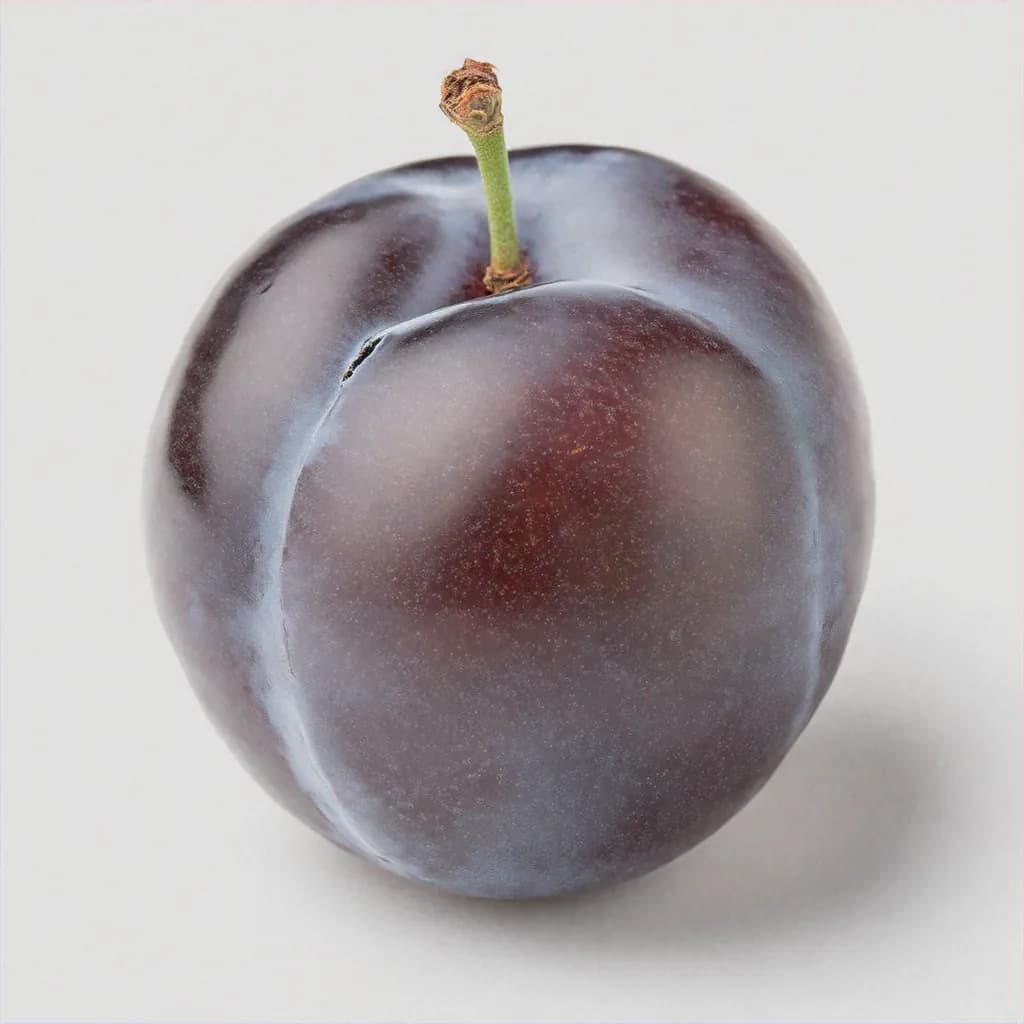
The Acai Berry, scientifically known as Euterpe oleracea, is a small, round fruit that grows in clusters on the acai palm tree, native to the Amazon rainforest. This deep purple berry is renowned for its rich antioxidant content and has been a staple in the diets of indigenous Amazonian people for centuries. The acai berry has a unique taste, often described as a blend of chocolate and berries with a slight earthy undertone. Its texture is creamy, making it an excellent ingredient for smoothies, bowls, and various culinary applications. The acai berry is not only celebrated for its taste but also for its numerous health benefits, making it a popular superfood worldwide.
Explore Acai Berry in stunning detail
Acai Berry - Main View
Per 100g
Per 100g
Nutrition breakdown for one serving
Amazon rainforest
The acai berry has been a vital part of the diet for indigenous Amazonian people for centuries. It was traditionally used for its nutritional benefits and as a natural energy source. The cultivation and commercialization of acai berries began in the late 20th century, with Brazil being the leading producer. The global popularity of acai as a superfood has grown significantly in recent years, leading to increased cultivation and export.
Year-round
Each variety offers unique flavors, textures, and culinary applications
Keep your fruit fresh and delicious for longer
Select acai berries that are deep purple in color.
Avoid berries with any signs of mold or softness.
Choose berries that are firm to the touch.
Look for acai products that are labeled as organic and sustainably sourced.
Check the expiration date on packaged acai products.
Store fresh acai berries in the refrigerator.
Keep acai berries in an airtight container to maintain freshness.
Use fresh acai berries within a few days of purchase.
Frozen acai berries can be stored in the freezer for up to six months.
Preserve freshness for months
Freeze fresh acai berries in a single layer on a baking sheet before transferring to a freezer bag.
Label the freezer bag with the date of freezing.
Thaw frozen acai berries in the refrigerator before use.
Label frozen items with the date to track freshness. Most fruits maintain quality for 2-3 months when properly frozen. For best results, use airtight containers or freezer bags to prevent freezer burn.
Discover delicious possibilities
Some individuals may be allergic to acai berries. Symptoms can include itching, swelling, and digestive issues. If you experience any adverse reactions, discontinue use and consult a healthcare professional.
Choose organic and sustainably sourced acai products to avoid potential pesticide exposure.
Surprising trivia you'll love!
Acai berries are often referred to as a'superfood' due to their high nutrient content.
The acai palm tree can grow up to 25 meters tall and produces fruit year-round.
Acai berries have been used in traditional Amazonian medicine for centuries.
The deep purple color of acai berries comes from anthocyanins, powerful antioxidants.
Acai berries are a staple food for indigenous Amazonian people, who use them in various culinary applications.
The global popularity of acai berries has led to increased cultivation and export, particularly from Brazil.
Acai berries are rich in antioxidants, which help protect the body from oxidative stress and inflammation. They support cardiovascular health, aid in digestion, and are a good source of healthy fats, fiber, and essential vitamins and minerals. Acai berries also have anti-cancer properties and can help manage blood sugar levels.
Fresh acai berries should be stored in the refrigerator in an airtight container. They are best used within a few days of purchase. For longer storage, freeze the berries in a single layer on a baking sheet before transferring them to a freezer bag.
While acai berries themselves are not a magic weight loss solution, they can be a part of a healthy diet. Their high fiber content can help you feel full, and their low glycemic index can help manage blood sugar levels. Incorporating acai berries into a balanced diet and active lifestyle can support weight management goals.
Acai berries are generally safe for most people when consumed in moderation. However, some individuals may experience allergic reactions or digestive issues. It's always a good idea to start with a small amount and monitor your body's response. If you have any concerns, consult with a healthcare professional.
Sustainability insights
Acai cultivation can have a positive environmental impact if managed sustainably. Practices such as agroforestry and organic farming help preserve the Amazon rainforest and support local communities.
The carbon footprint of acai berries can vary depending on cultivation and transportation methods. Choosing locally sourced or frozen acai products can help reduce the carbon footprint.
Acai palm trees require a significant amount of water, particularly in dry seasons. Sustainable water management practices are essential for acai cultivation.
Supporting local acai producers and choosing sustainably sourced products can help reduce the environmental impact of transportation and support local economies.
We aim to keep this Acai Berry profile accurate and easy to understand. Nutrition values and % Daily Value figures are based on established reference databases and standard daily value guidance.
Last updated: September 20, 2026
Medical disclaimer
This page is for general educational purposes and does not replace professional medical advice.
Found an issue? Contact us.