Loading Fruit Details...
Please wait while we fetch nutritional information and health benefits
Please wait while we fetch nutritional information and health benefits
Recommended Products
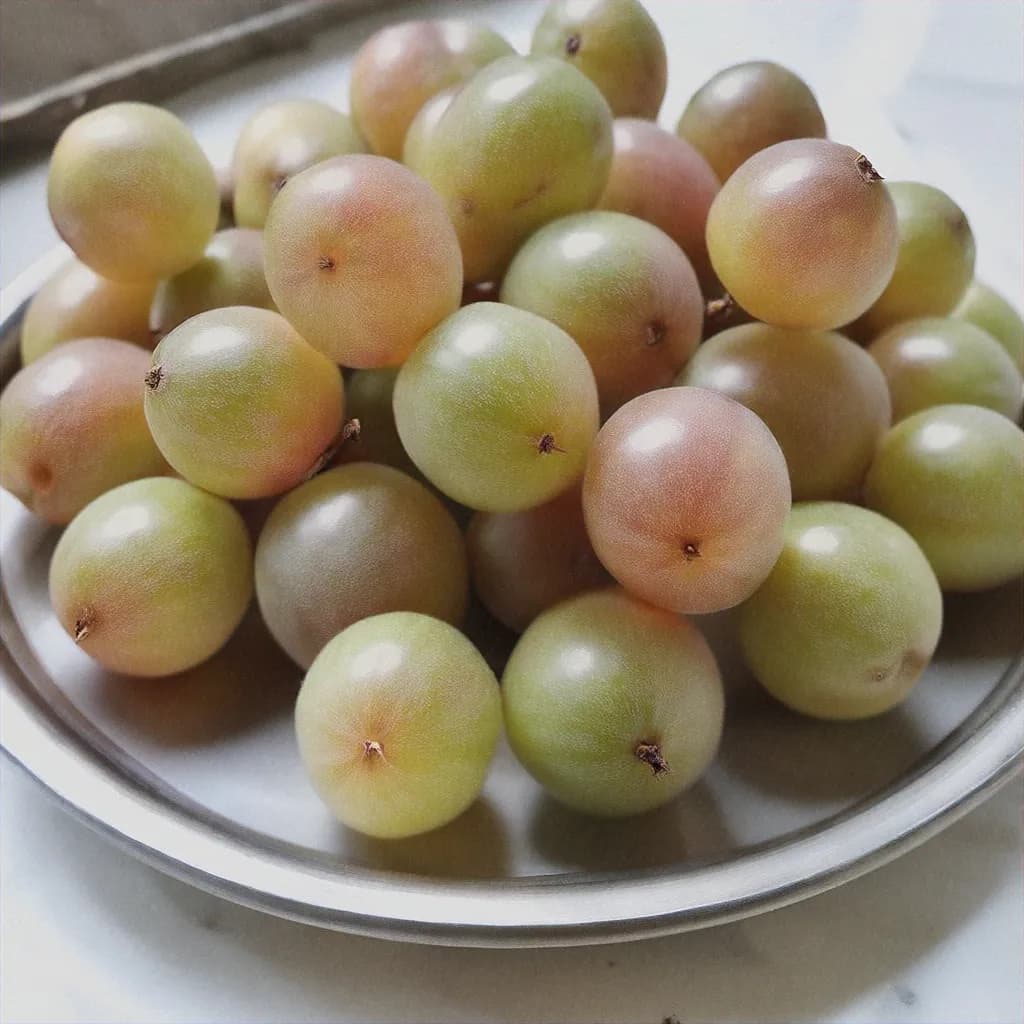
Clausena lansium
The wampee, scientifically known as Clausena lansium, is a small, round fruit native to Southeast Asia, particularly popular in China, Vietnam, and Thailand. This fruit, often referred to as wampi, has a thin, golden-yellow rind that encases translucent, juicy flesh. The taste is unique, offering a blend of sweet and tart flavors with a slight bitterness, reminiscent of a citrus fruit. Wampee is typically consumed fresh, but its versatility allows it to be used in various culinary applications, from salads to desserts. Rich in vitamins and antioxidants, wampee is not only a delicious treat but also a nutritious addition to any diet.
Explore Wampee in stunning detail
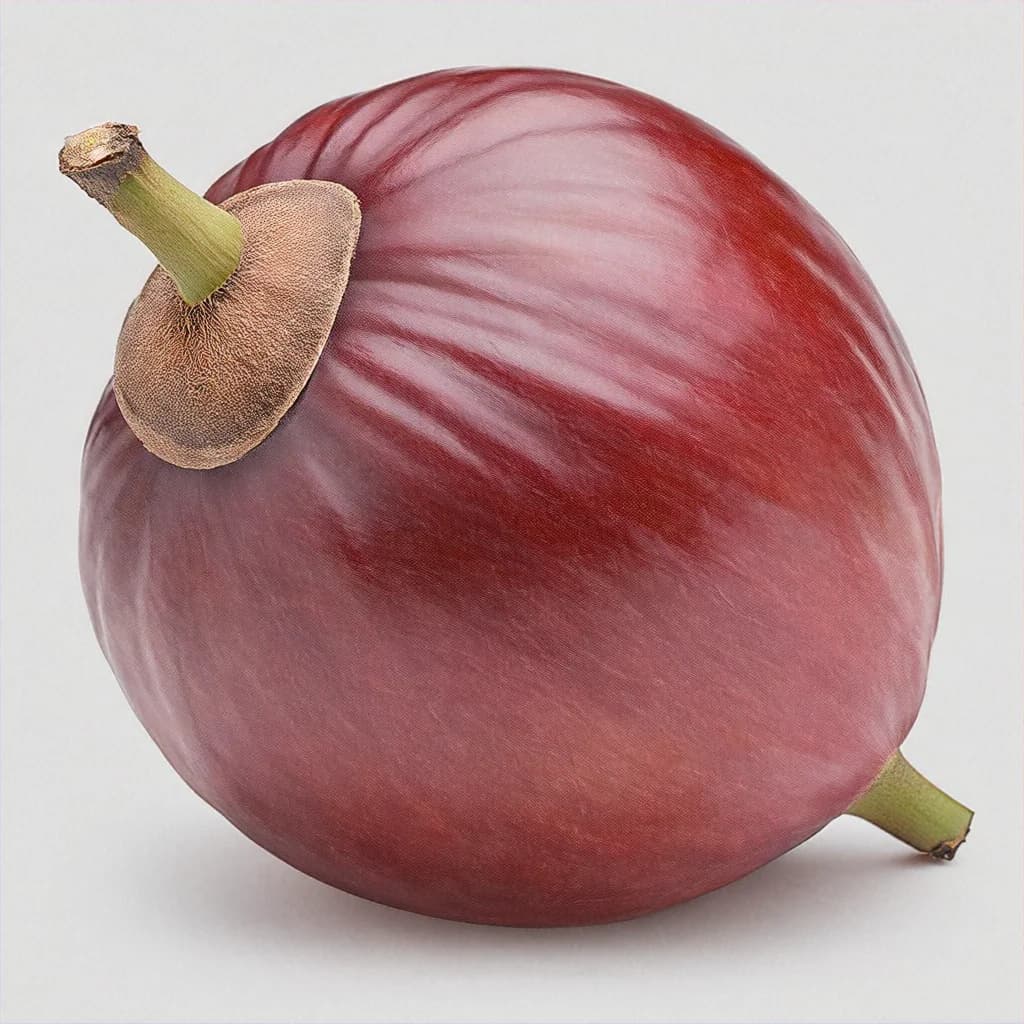
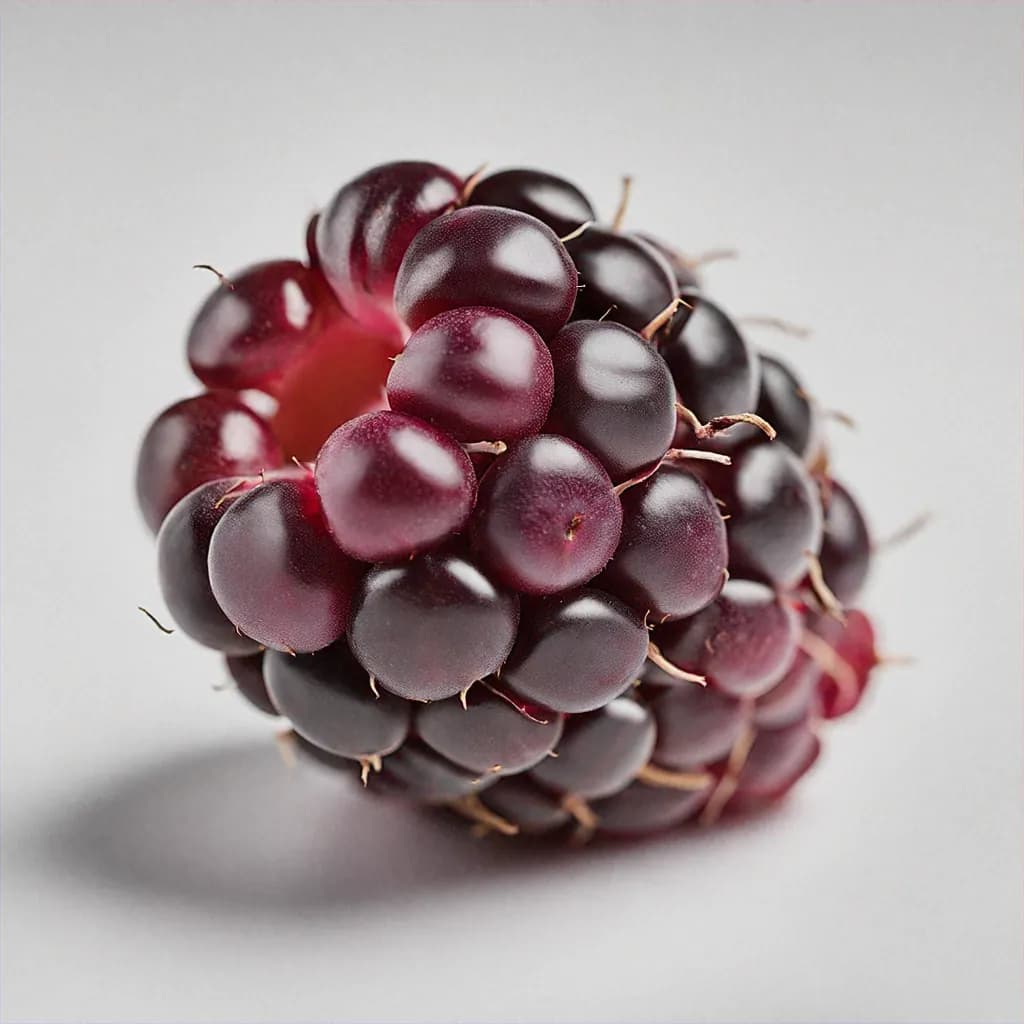
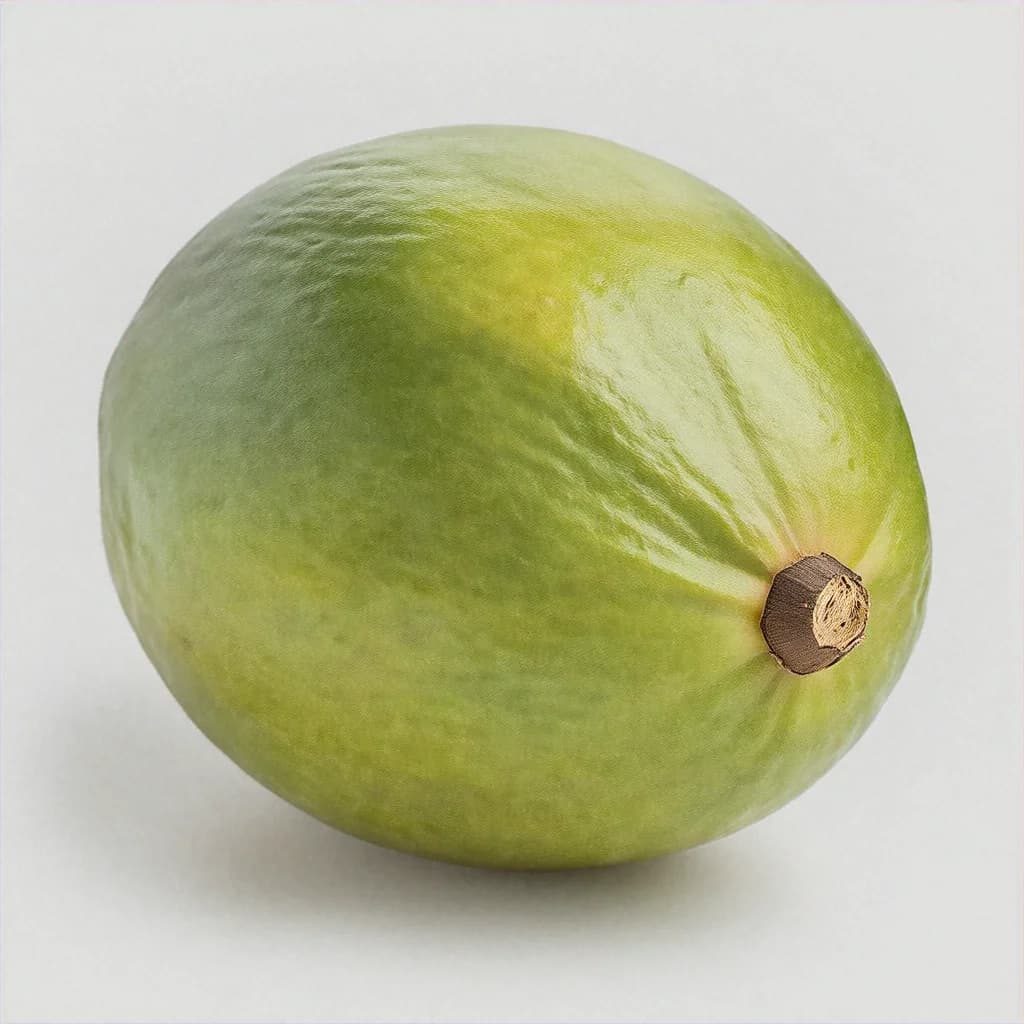
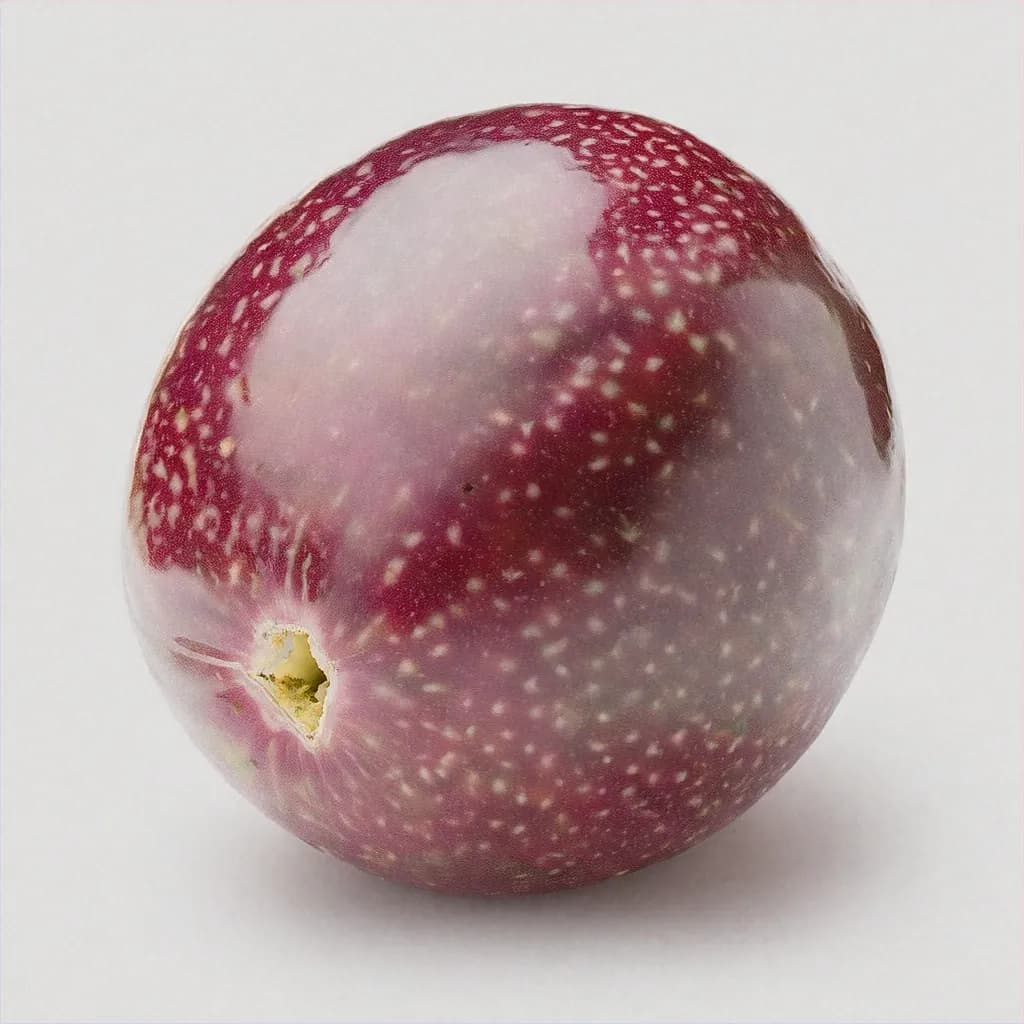
Wampee - Main View
Per 100g
Per 100g
Nutrition breakdown for one serving
Southeast Asia
Wampee has been cultivated in Southeast Asia for centuries, with China being its primary producer. It has been a staple in local diets and traditional medicine, valued for its nutritional benefits and unique flavor. The fruit was introduced to other parts of Asia and the world through trade routes, gaining popularity for its refreshing taste and health properties.
Year-round
Each variety offers unique flavors, textures, and culinary applications
Keep your fruit fresh and delicious for longer
Select wampees with a bright, even color.
Avoid fruits with soft spots or wrinkles.
Choose fruits that feel slightly firm but yield to gentle pressure.
Look for a glossy appearance, indicating freshness.
Smell the fruit; it should have a pleasant, citrus-like aroma.
Store at room temperature for immediate consumption.
Refrigerate to extend shelf life up to one week.
Keep in a perforated plastic bag to maintain humidity.
Avoid storing with strong-smelling foods to prevent flavor absorption.
Wash just before eating to preserve freshness.
Preserve freshness for months
Peel and segment the wampee before freezing.
Place segments on a baking sheet and freeze until solid.
Transfer frozen segments to an airtight container or freezer bag.
Can be stored in the freezer for up to 6 months.
Label frozen items with the date to track freshness. Most fruits maintain quality for 2-3 months when properly frozen. For best results, use airtight containers or freezer bags to prevent freezer burn.
Discover delicious possibilities
Wampee is generally safe for consumption, but individuals with citrus allergies should exercise caution.
Choose organic wampee when possible to avoid pesticide exposure.
Surprising trivia you'll love!
Wampee has been cultivated in Southeast Asia for over a thousand years.
The fruit is often referred to as the 'Chinese lemon' due to its citrus-like flavor.
Wampee contains a unique blend of antioxidants and phytonutrients not commonly found in other fruits.
The rind of the wampee is edible and can be candied for a sweet treat.
Wampee is used in traditional medicine for its digestive and immune-boosting properties.
The fruit is often used in festive celebrations in Southeast Asia.
Wampee has a unique taste that is a blend of sweet and tart with a slight bitterness, similar to citrus fruits. The flesh is juicy and translucent, making it a refreshing snack.
Wampee can be eaten fresh by peeling the thin rind and consuming the juicy segments inside. It can also be used in various culinary applications such as salads, desserts, and beverages.
Wampee is rich in Vitamin C, antioxidants, and dietary fiber. It supports immune function, aids in digestion, and provides various phytonutrients that offer anti-inflammatory and anti-cancer properties.
Wampee is native to Southeast Asia, with China being its primary producer. It is also found in countries like Vietnam, Thailand, and Malaysia.
Yes, wampee can be frozen. Peel and segment the fruit, then place the segments on a baking sheet and freeze until solid. Transfer to an airtight container or freezer bag for storage.
Popular recipes using wampee include wampee sorbet, wampee and mint salad, wampee smoothie, wampee chicken stir-fry, and wampee chocolate tart.
Sustainability insights
Wampee is a sustainable fruit as it requires minimal water and can be grown in various soil types.
The carbon footprint of wampee is relatively low due to its local production and consumption in Southeast Asia.
Wampee requires moderate water usage, making it a sustainable choice for regions with adequate rainfall.
Locally produced wampee has a lower environmental impact compared to imported varieties due to reduced transportation emissions.
We aim to keep this Wampee profile accurate and easy to understand. Nutrition values and % Daily Value figures are based on established reference databases and standard daily value guidance.
Last updated: September 19, 2026
Medical disclaimer
This page is for general educational purposes and does not replace professional medical advice.
Found an issue? Contact us.