Loading Fruit Details...
Please wait while we fetch nutritional information and health benefits
Please wait while we fetch nutritional information and health benefits
Recommended Products
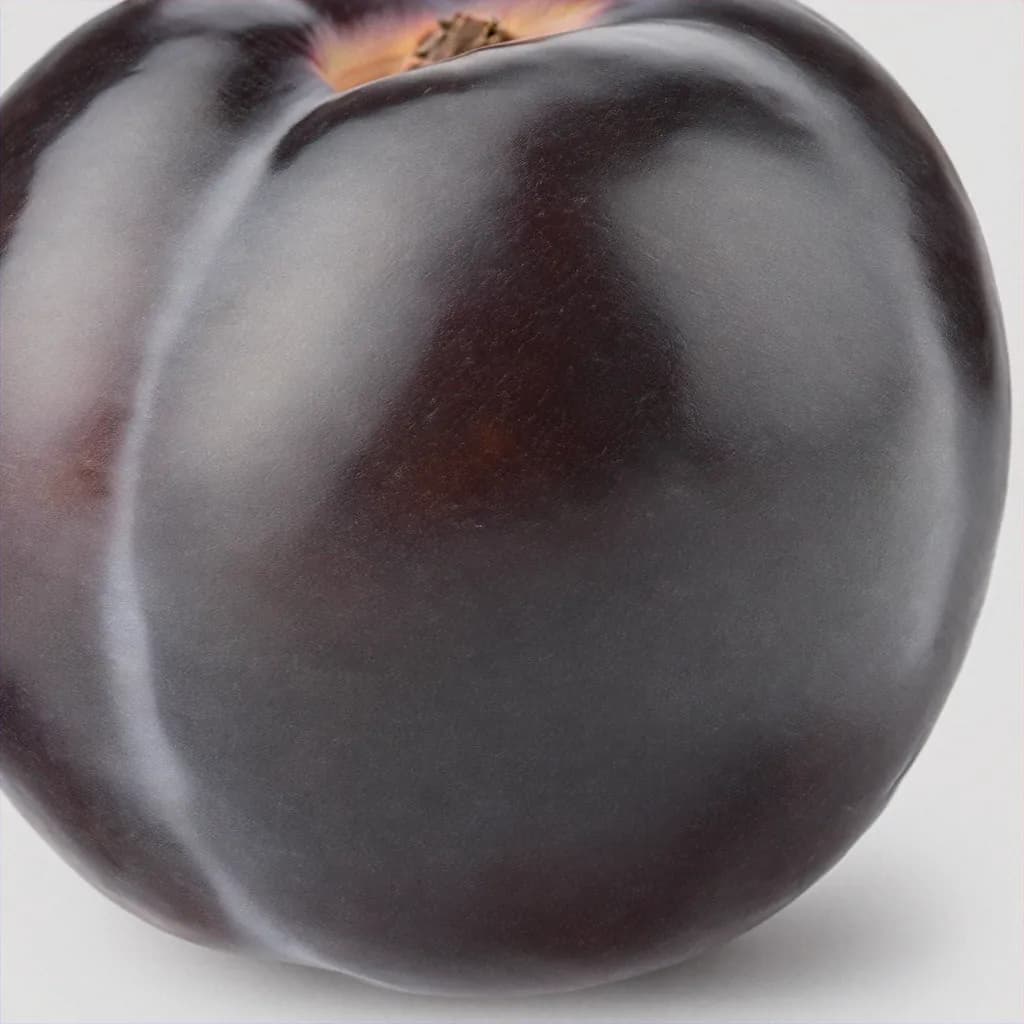
Prunus armeniaca (black apricot cultivar)
Black apricot is a rare and visually striking apricot variety distinguished by its deep purple to nearly black skin and rich, aromatic flesh. Known for its concentrated antioxidants, anthocyanins, beta-carotene, and vitamin C, black apricot delivers powerful cellular protection alongside natural sweetness and balanced acidity. With approximately 48 calories per 100g, good fiber content, and a low glycemic load, black apricot supports immune health, heart wellness, skin vitality, and digestive balance. Traditionally cultivated in parts of Central Asia and the Middle East, black apricot is prized today in gourmet nutrition and functional wellness diets.
Explore Black Apricot in stunning detail
Black Apricot - Main View
Per 100g
Per 100g
Nutrition breakdown for one serving
Central Asia and the Caucasus region
Black apricot is an ancient apricot cultivar believed to have originated in Central Asia and the Caucasus. Valued historically for its rich color and medicinal properties, it was traditionally used in dried form and herbal preparations. Today, black apricot is considered a specialty fruit, appreciated for its high anthocyanin content and unique flavor profile.
Late spring to early summer
Each variety offers unique flavors, textures, and culinary applications
Keep your fruit fresh and delicious for longer
Choose fruits with deep purple or black skin
Slight softness indicates ripeness
Avoid wrinkled skin or mold spots
Store unwashed in refrigerator
Consume ripe fruits within a few days
Bring to room temperature before eating
Preserve freshness for months
Slice and remove pit before freezing
Freeze on tray before transferring to containers
Best used in smoothies or baking after thawing
Label frozen items with the date to track freshness. Most fruits maintain quality for 2-3 months when properly frozen. For best results, use airtight containers or freezer bags to prevent freezer burn.
Discover delicious possibilities
Apricot allergies are uncommon but possible
Wash thoroughly before consumption; organic sources preferred
Surprising trivia you'll love!
Black apricot gets its color from anthocyanins
It has been cultivated for centuries in Central Asia
Often used in traditional medicine
Rarer than common orange apricots
Highly prized in dried fruit form
Black apricot is a rare apricot variety with dark purple skin, known for its high antioxidant and anthocyanin content.
Yes, black apricot contains additional anthocyanins, providing stronger antioxidant benefits compared to standard apricots.
Black apricots have a rich, slightly tangy sweetness with deeper flavor notes than regular apricots.
Yes, black apricot is a naturally occurring apricot variety and not genetically modified.
Its dark purple color comes from anthocyanins, powerful plant pigments with antioxidant properties.
Yes, antioxidants and potassium in black apricot support heart health and circulation.
Yes, the skin is edible and contains a high concentration of antioxidants.
Black apricots are typically harvested in early to mid-summer, depending on the region.
Yes, their antioxidants and vitamin A help protect skin cells from oxidative damage.
Ripe black apricots should be refrigerated and consumed within a few days for best quality.
Yes, they are excellent for jams, desserts, sauces, and baked goods.
Yes, black apricots are considered rare and are not widely available in regular markets.
Yes, like other apricots, black apricots have a single pit in the center.
Yes, they are low in calories and rich in fiber, helping promote fullness.
Sustainability insights
Black apricot trees support perennial orchard ecosystems
Lower when consumed locally
Moderate irrigation requirement
Local fruits reduce transportation emissions
We aim to keep this Black Apricot profile accurate and easy to understand. Nutrition values and % Daily Value figures are based on established reference databases and standard daily value guidance.
Last updated: September 18, 2026
Medical disclaimer
This page is for general educational purposes and does not replace professional medical advice.
Found an issue? Contact us.