Loading Fruit Details...
Please wait while we fetch nutritional information and health benefits
Please wait while we fetch nutritional information and health benefits
Recommended Products
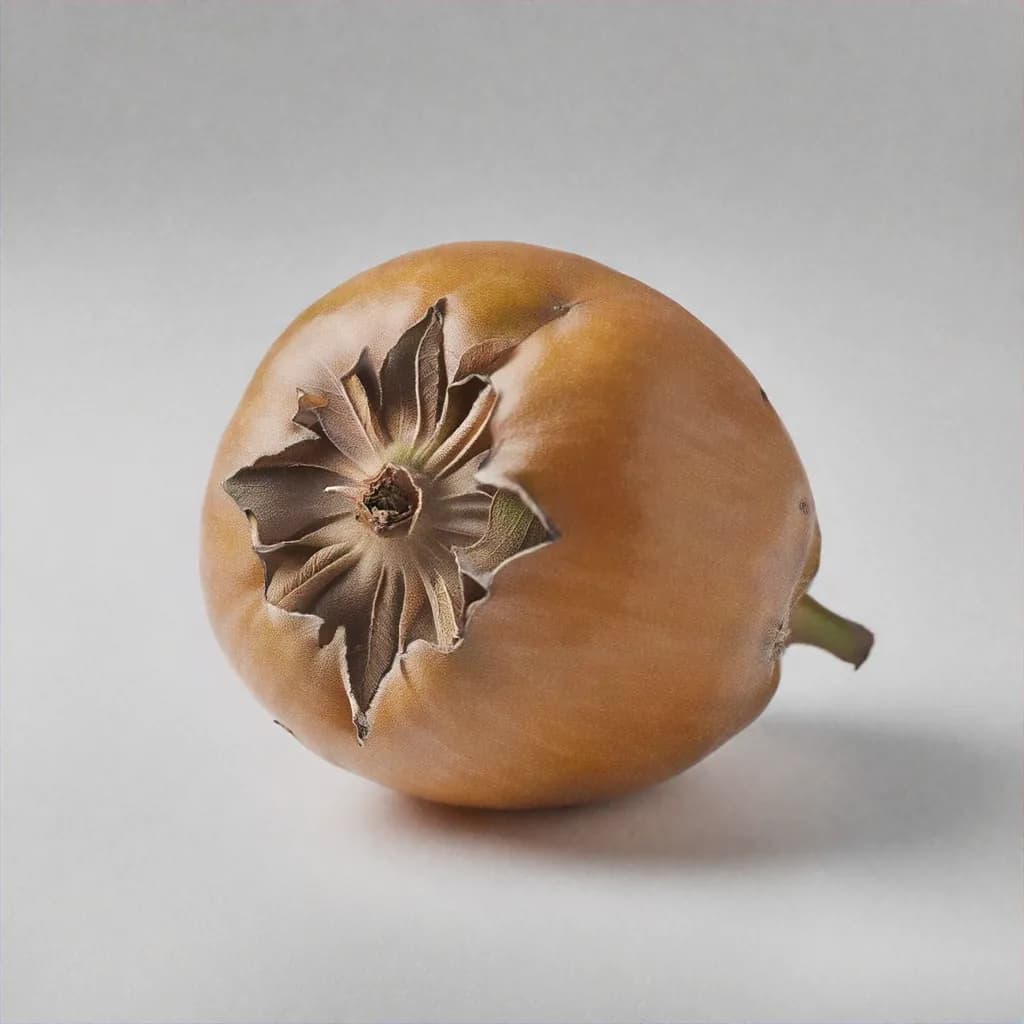
Mespilus germanica
Medlar is a Mediterranean temperate fruit renowned for its unique bletted texture and distinctive tangy-sweet flavor. Good source of vitamin C (15% DV) supporting immune function and antioxidant defense. Rich in dietary fiber (6.4g) supporting digestive health and regular bowel function. Contains polyphenols and tannins with powerful anti-inflammatory and antimicrobial benefits. Very low in calories (47 per 100g) ideal for weight management. Requires traditional bletting process for optimal palatability. Contains copper supporting collagen synthesis and immune function. Historical fruit with centuries of European culinary tradition. Medlar gaining contemporary recognition as specialty ingredient supporting wellness.
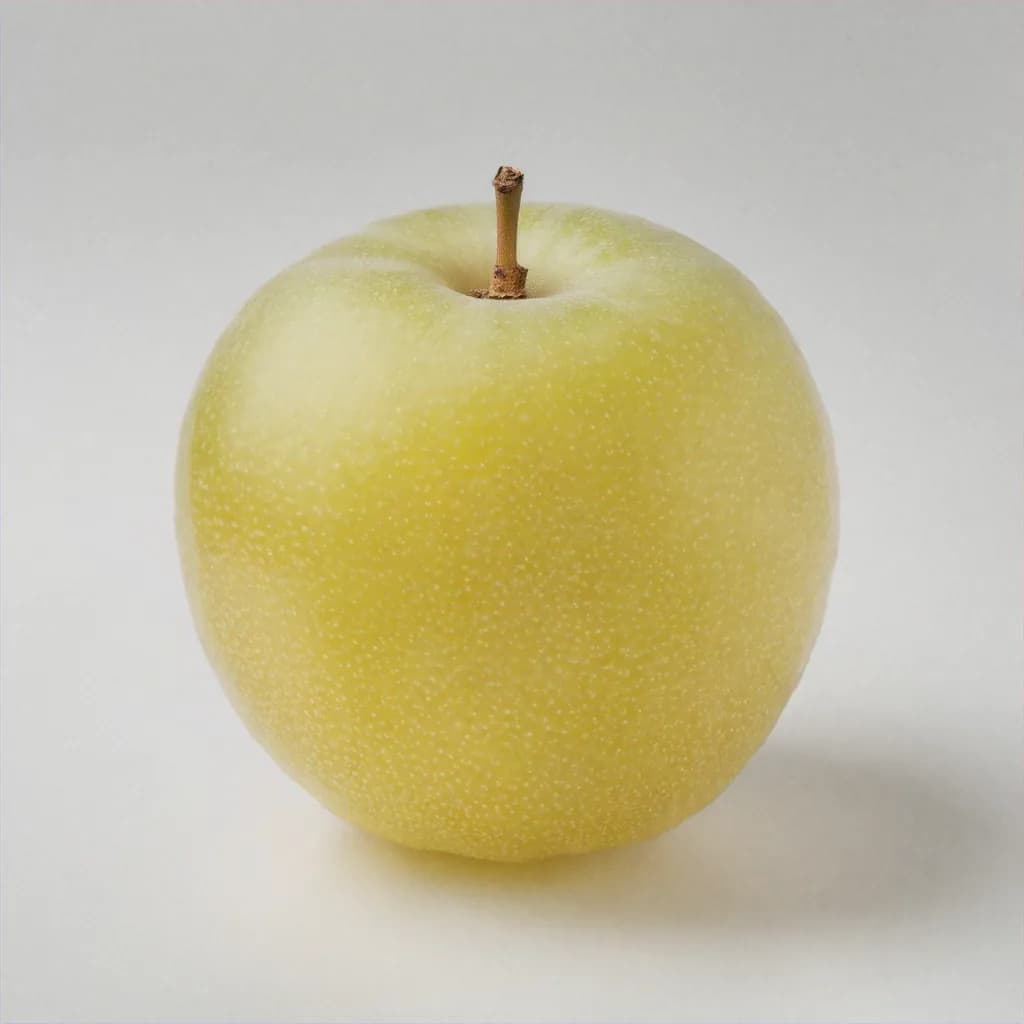
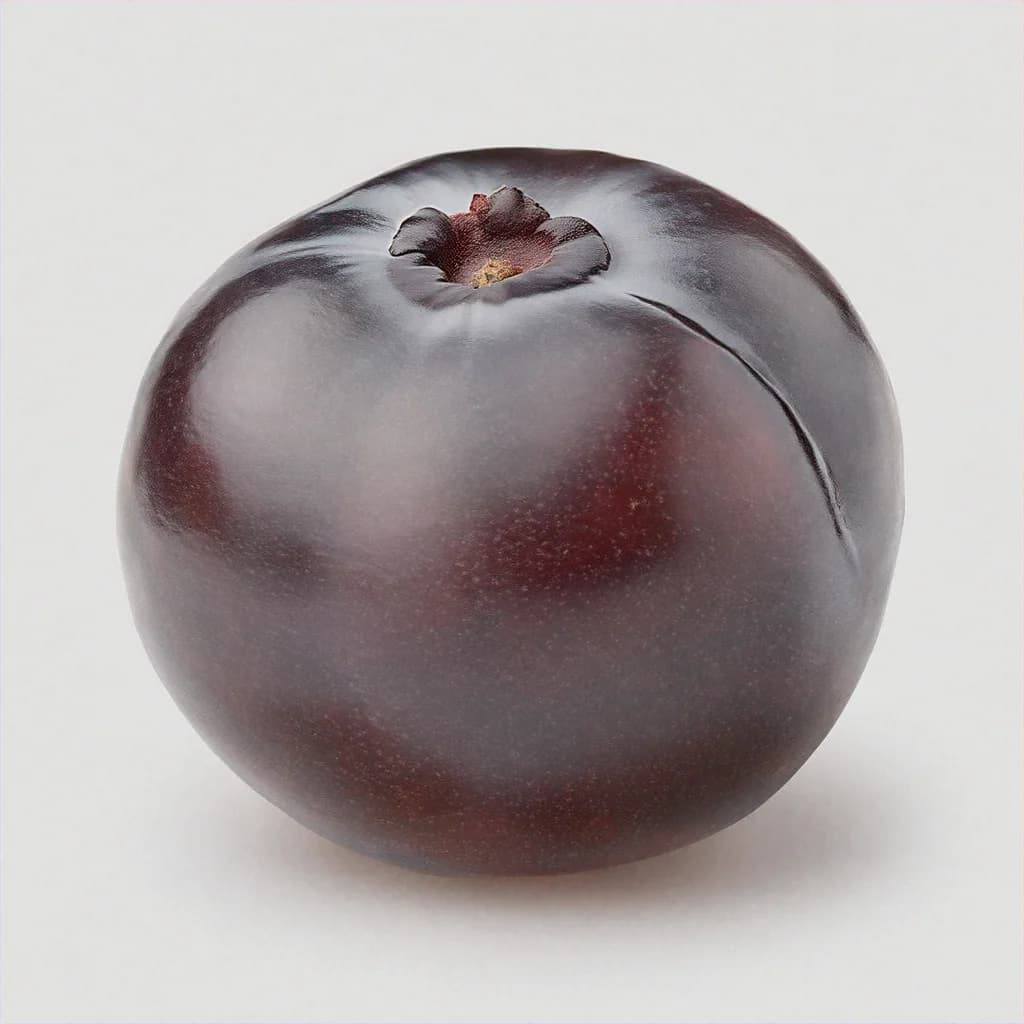
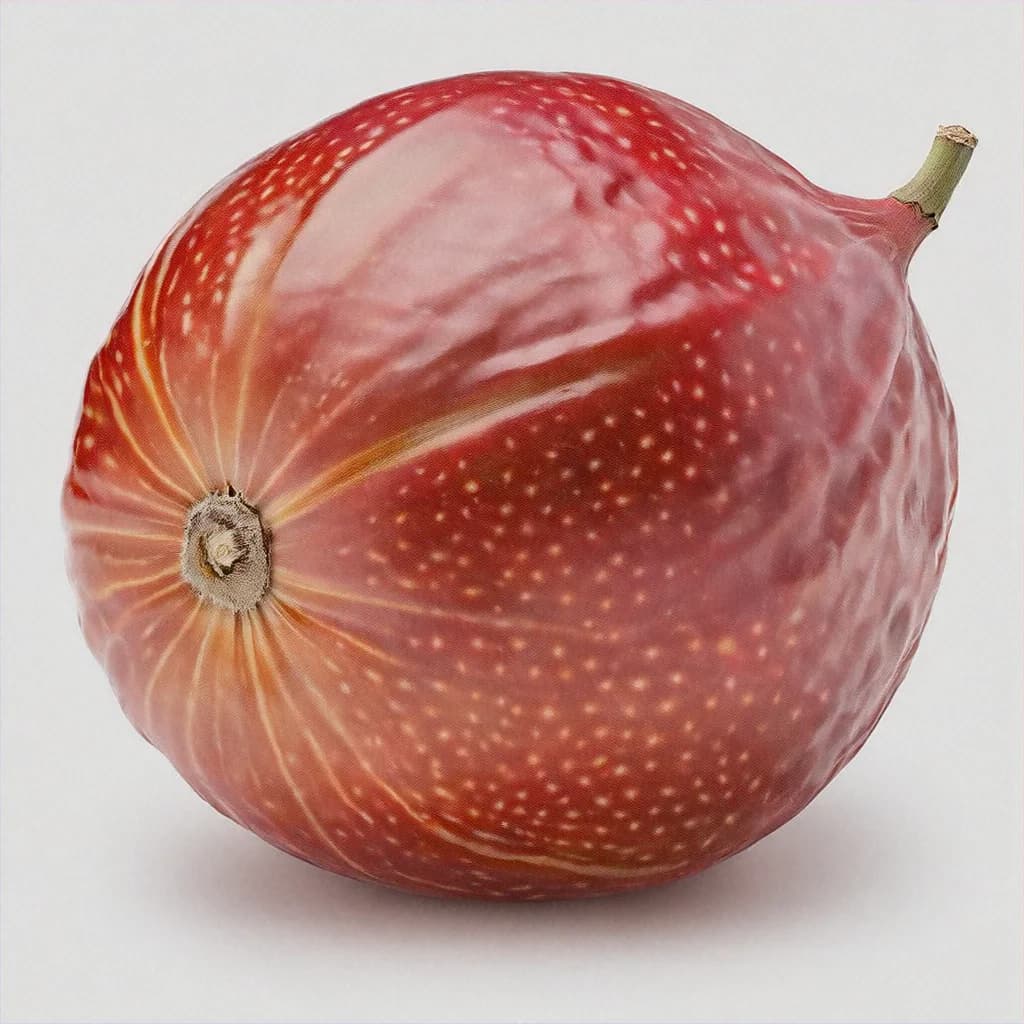
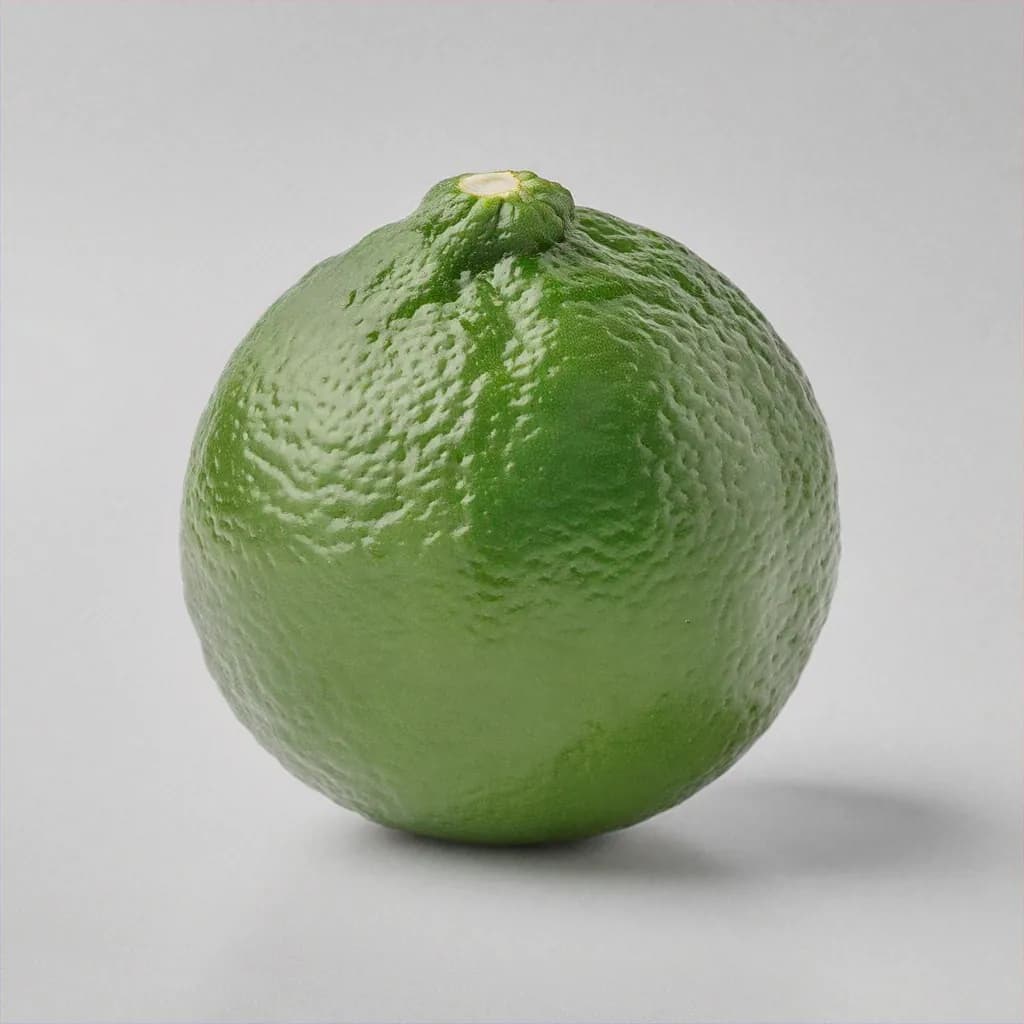
Explore Medlar in stunning detail
Medlar - Main View
Per 100g
Per 100g
Nutrition breakdown for one serving
Mediterranean, Western Asia, Europe
Medlar native to Mediterranean and Western Asia with centuries of European cultivation. Ancient European cuisine foundation. Medieval texts documenting cultivation. Renaissance documentation expanding knowledge. Traditional European harvest practice. Modern cultivation expanding to specialty orchards. Health benefit research validating traditional digestive benefits. Culinary tradition continuing as specialty preserves and jams ingredient.
Peak season October-November in Northern Hemisphere
Each variety offers unique flavors, textures, and culinary applications
Keep your fruit fresh and delicious for longer
Select firm medlar without soft spots or bruises
Choose brownish color indicating maturity
Look for slight aroma indicating ripeness
Press gently - should be firm, not mushy
Avoid green unripe specimens
Check for uniform color and appearance
Purchase from specialty grocers or farmers markets
Select consistent size for even bletting
Store at room temperature up to 2 days before bletting
Refrigerate for extended storage up to 10 days before bletting
Keep in produce drawer away from ethylene-producing fruits
Do not wash before storing to preserve shelf life
Can be frozen whole up to 3 months before bletting
Best consumed after traditional bletting process
Avoid plastic wrap - allow air circulation
Bletting process requires 1-2 weeks at room temperature
Preserve freshness for months
Medlar best consumed after bletting
Can freeze whole fruit up to 3 months
Thaw before bletting process
Frozen fruit excellent for preserves
Bletting process works with frozen fruit
Frozen fruit maintains fiber content
Preserves freeze indefinitely when sealed
Label frozen items with the date to track freshness. Most fruits maintain quality for 2-3 months when properly frozen. For best results, use airtight containers or freezer bags to prevent freezer burn.
Discover delicious possibilities
Medlar allergies extremely rare with minimal documented cases. Temperate fruit allergies uncommon. Allergic reactions very uncommon. Generally safe for most individuals after bletting. Those with fruit sensitivities should consult allergist. Possible cross-reactivity with apple/pear family but rare.
Medlar cultivated with varying pesticide practices in Europe. Organic medlar available from certified orchards. Conventional fruit acceptable with water rinsing. European suppliers often emphasizing traditional and sustainable cultivation practices.
Surprising trivia you'll love!
Medlar native to Mediterranean region with centuries of European cultivation documented in medieval texts
Exceptional fiber (6.4g) among highest of temperate fruits supporting superior digestive health
Unique bletting requirement transforms inedible raw fruit to edible custard-like texture over 1-2 weeks
High tannin content in raw fruit dramatically reduces through bletting process enabling palatability
Rich polyphenols and tannins provide antimicrobial benefits validating traditional digestive remedy use
Low glycemic index (25) and load (3) ideal for diabetic-friendly and blood sugar management
Medieval European cuisine staple with historical significance documented in ancient texts and royal courts
Very low calorie (47/100g) making it one of lowest-calorie temperate fruits for weight management
Frost naturally accelerates bletting process making winter harvest traditional European practice
Modern scientific research beginning to validate centuries of European traditional digestive and medicinal knowledge
Medlar unique fruit requiring traditional bletting process for palatability. BLETTING DEFINITION: Natural softening process. Over-ripening transformation. Tannin breakdown. Flavor development. Traditional preparation. BLETTING NECESSITY: Raw medlar inedible. High tannin content. Astringent properties strong. Bletting essential. Cultural requirement. BLETTING PROCESS: Medlar hardened fruit. Room temperature placement. 1-2 weeks duration. Softening occurs. Brown color develops. Aromatic aroma appears. Tannin reduction. Flavor transformation. Edible consistency. BLETTING TIMELINE: 1-2 weeks typical. Temperature dependent. Cooler climates longer. Warmer climates shorter. Frost accelerates bletting. Ripeness indicators. TEXTURE CHANGE: Raw fruit firm hard. Bletted fruit soft custard-like. Flesh becomes creamy. Edible consistency achieved. Flavor accessible. FLAVOR DEVELOPMENT: Raw fruit highly astringent. Bletted fruit tangy-sweet. Complex flavors emerge. Pleasant aroma develops. Traditional taste. TANNIN BREAKDOWN: Raw fruit high tannins. Bletting reduces tannins. Digestive friendliness improves. Palatability increases. Traditional transformation. FROST ACCELERATION: Frost hastens bletting. Winter harvest common. Traditional practice. Natural acceleration. Temperature effect. DIGESTIVE BENEFITS: Bletting aids digestion. Tannin reduction beneficial. Fiber accessibility improved. Traditional medicine foundation. Health benefit. BOTTOM LINE: Medlar requires traditional bletting process essential for transformation from inedible firm raw fruit to soft creamy custard-like texture, reducing high astringent tannins over 1-2 weeks at room temperature, developing complex tangy-sweet flavor and aromatic aroma, improving digestive friendliness and palatability, with frost naturally accelerating process making winter harvest traditional European practice.
Medlar versatile temperate fruit ingredient with traditional applications emphasizing preserves, jams, and historical European dishes. PRESERVES PREPARATION: Traditional jams. Spread ingredient. Shelf-stable preparation. Long-term storage. Cultural tradition. MEDLAR PRESERVES RECIPE: Bletted medlar 2kg, sugar 1kg, lemon juice 100ml, simmer 45 minutes, jar hot. MEDLAR JELLY: Fruit juice strained. Sugar combined. Gel formation. Premium presentation. Traditional preparation. JELLY RECIPE: Medlar juice 1 liter, sugar 800g, lemon juice, simmer until set, jar hot. MEDLAR CHEESE: Fruit puree. Sugar combined. Solid consistency. Slicing texture. Historic preparation. CHEESE RECIPE: Bletted medlar 1kg, sugar 500g, cook until thick, spread on parchment, cut into shapes. FRESH EATING: After bletting complete. Spoon scooped. Custard-like consistency. Simple enjoyment. Traditional method. SAUCE PREPARATION: Bletted fruit base. Sugar sweetening. Spice addition. Meat complement. Culinary application. BAKING APPLICATION: Preserve base. Pastry filling. Cake ingredient. Dessert preparation. Flavor enhancement. MEDLAR TART: Pastry shell, medlar preserve filling, baked until golden, serve with cream. DIGESTIVE TONIC: Traditional remedy. Digestive support. Health tonic. Culinary medicine. Historic application. SPICED MEDLAR: Sugar, cinnamon, clove, ginger addition, preserve preparation, warming spice. BOTTOM LINE: Medlar quintessential European temperate fruit ingredient with traditional preserves and jams as signature applications, medlar cheese as historic specialty, fresh eating after bletting as simple preparation, sauce and baking applications emphasizing distinctive tangy-sweet flavor, digestive tonic traditional remedy, and recipes highlighting distinctive complex flavor profile, exceptional fiber content, antimicrobial tannins, and culinary versatility central to European culinary heritage.
Medlar safe for consumption after bletting with minimal documented safety concerns. Generally well-tolerated by most populations when properly prepared. ALLERGY INFO: Medlar allergies extremely rare. Temperate fruit allergies uncommon. Allergic reactions very uncommon. Generally safe for most individuals. Those with fruit sensitivities should consult allergist. Cross-reactivity with apple/pear possible but rare. BLETTING REQUIREMENT: Raw medlar not recommended. High tannin content problematic. Astringent properties strong. Digestive irritation possible if raw. Bletting essential. DIGESTIVE CONSIDERATIONS: Fiber content exceptional. High fiber beneficial. Some experiencing digestive changes initially. Introduce gradually. Adequate hydration important. Digestive adaptation natural. TANNIN CONTENT: Raw fruit high tannins. Bletting reduces significantly. Safe levels after bletting. Generally well-tolerated. Moderation recommended for raw consumption. PREGNANCY CONSIDERATIONS: Medlar safe during pregnancy. Vitamin C beneficial. Fiber helpful. Tannin reduction beneficial. Moderation recommended. Consult healthcare provider. CHILDREN CONSIDERATIONS: Medlar safe for children after bletting. Complex flavor child-acceptance variable. Fiber beneficial. Nutritious food option. Age-appropriate consumption. ORAL HEALTH: Minimal acidity after bletting. Soft texture gentle. Fiber content protective. Generally protective. Moderation important. MEDICATION INTERACTIONS: Medlar unlikely to interact with medications. High fiber note for specific medications. Consult healthcare provider if concerns. Tannin interactions minimal after bletting. SIDE EFFECTS: Minimal side effects documented after bletting. Some experiencing digestive adjustment from fiber. Rare allergic reactions if sensitive. Most individuals tolerating well when properly prepared. STORAGE SAFETY: Bletting ensures safety. Use before deterioration. Proper handling important. Fresh consumption optimal. Preserves maintain safety. PESTICIDE CONCERNS: Medlar cultivated with varying practices in Europe. Organic medlar available. Conventional fruit acceptable. Wash before consuming. European suppliers often sustainable. BOTTOM LINE: Medlar safe for consumption after traditional bletting with minimal documented safety concerns, extremely rare allergies with possible pome fruit cross-reactivity if sensitive, high tannin content in raw fruit requiring bletting for safety, exceptional fiber beneficial with gradual introduction recommended, vitamin C and fiber beneficial during pregnancy with moderation, high palatability and safety for children after bletting, minimal medication interactions except fiber considerations, and consultation with healthcare provider appropriate for specific individual concerns.
Medlar profound cultural significance in European culinary tradition and traditional wellness practices spanning centuries. HISTORICAL ORIGINS: Native to Mediterranean and Western Asia. Ancient European cultivation foundation. Medieval documentation. Medieval cuisine staple. Historical food. EUROPEAN HERITAGE: Traditional European fruit. Regional agricultural heritage. Regional economic importance. Cultural symbol. Local pride. MEDIEVAL CUISINE: Medieval food staple. Historical significance documented. Culinary tradition foundation. Social importance. Noble courts. ANCIENT TEXTS: Classical documentation. Medieval references. Culinary documentation. Health references. Traditional knowledge. TRADITIONAL USES: Medicinal food foundation. Digestive remedy traditional. Health benefit emphasis. Therapeutic application. Wellness tradition. PRESERVE TRADITION: Preserve making traditional. Jam preparation centuries-old. Shelf storage important. Winter preparation. Seasonal significance. AUTUMN HARVEST: Autumn fruit tradition. Harvest season significant. October-November peak. Seasonal cycle. Agricultural calendar. MODERN EXPANSION: Contemporary specialty interest growing. Heirloom variety recognition. Heritage agriculture revival. Local food movement. Regional pride. HEALTH TRENDS: Contemporary superfruit recognition. Fiber emphasis. Digestive health focus. Scientific validation. Wellness community interest. DIASPORA SIGNIFICANCE: European communities maintaining traditions. Cultural heritage preservation. Identity connection. Intergenerational transmission. AUTHENTIC SOURCING: European medlar appreciation. Authentic experience seeking. Heritage varieties. Quality emphasis. Cultural authenticity. CULINARY REVIVAL: Contemporary chef interest. Modern applications. Heritage ingredient revival. Culinary artistry. Specialty market. SUSTAINABILITY FOCUS: Traditional cultivation methods. Orchard preservation. Biodiversity support. Heritage preservation. Environmental stewardship. BOTTOM LINE: Medlar profound cultural significance as centuries-old Mediterranean temperate fruit native to region, medieval European cuisine foundation and historical food staple, traditional European agricultural heritage and cultural identity, traditional preserve and jam making spanning centuries central to European culinary heritage, medicinal remedy and digestive health emphasis in traditional wellness, autumn harvest and seasonal significance in agricultural calendar, contemporary heirloom variety revival and heritage agriculture movement, modern superfruit recognition emphasizing fiber and digestive benefits, culinary revival among contemporary chefs and specialty markets, and emerging global interest as authentic European heritage culinary ingredient.
Sustainability insights
Medlar cultivation represents European agricultural practice with environmental benefits. Advantages include tree cultivation in temperate regions, traditional orchard practices, biodiversity support, and heritage preservation. Challenges include deforestation for expansion, pesticide use in conventional cultivation, limited cultivation reducing genetic diversity, and habitat loss. Sustainable practices include organic farming, supporting traditional European orchards, heirloom variety preservation, and regional consumption.
Medlar carbon footprint varies by cultivation region and transportation method. Primary cultivation in France, Germany, United Kingdom, and Mediterranean region. Long-distance international shipping increasing carbon impact. Organic cultivation reducing overall environmental footprint. Supporting European local production reducing transportation. Seasonal purchasing when available.
Medlar cultivation adapted to temperate rainfall patterns. Tree cultivation supporting biodiversity. Moderate water requirements. Sustainable water management integrated. Rainfed cultivation supporting natural growth. Minimal irrigation supplementation needed.
Supporting European medlar producers maximizes environmental benefit. Direct European sourcing. Sustainable farming practices preferred. Heritage orchard supporting. Traditional cultivation supporting. Local processing reducing carbon footprint. Supporting European agricultural heritage. BEST PRACTICES: Choose European-sourced medlar, support heritage orchards, source from sustainable suppliers, purchase seasonally when available, minimize processing and packaging.
We aim to keep this Medlar profile accurate and easy to understand. Nutrition values and % Daily Value figures are based on established reference databases and standard daily value guidance.
Last updated: September 16, 2026
Medical disclaimer
This page is for general educational purposes and does not replace professional medical advice.
Found an issue? Contact us.