Loading Fruit Details...
Please wait while we fetch nutritional information and health benefits
Please wait while we fetch nutritional information and health benefits
Recommended Products
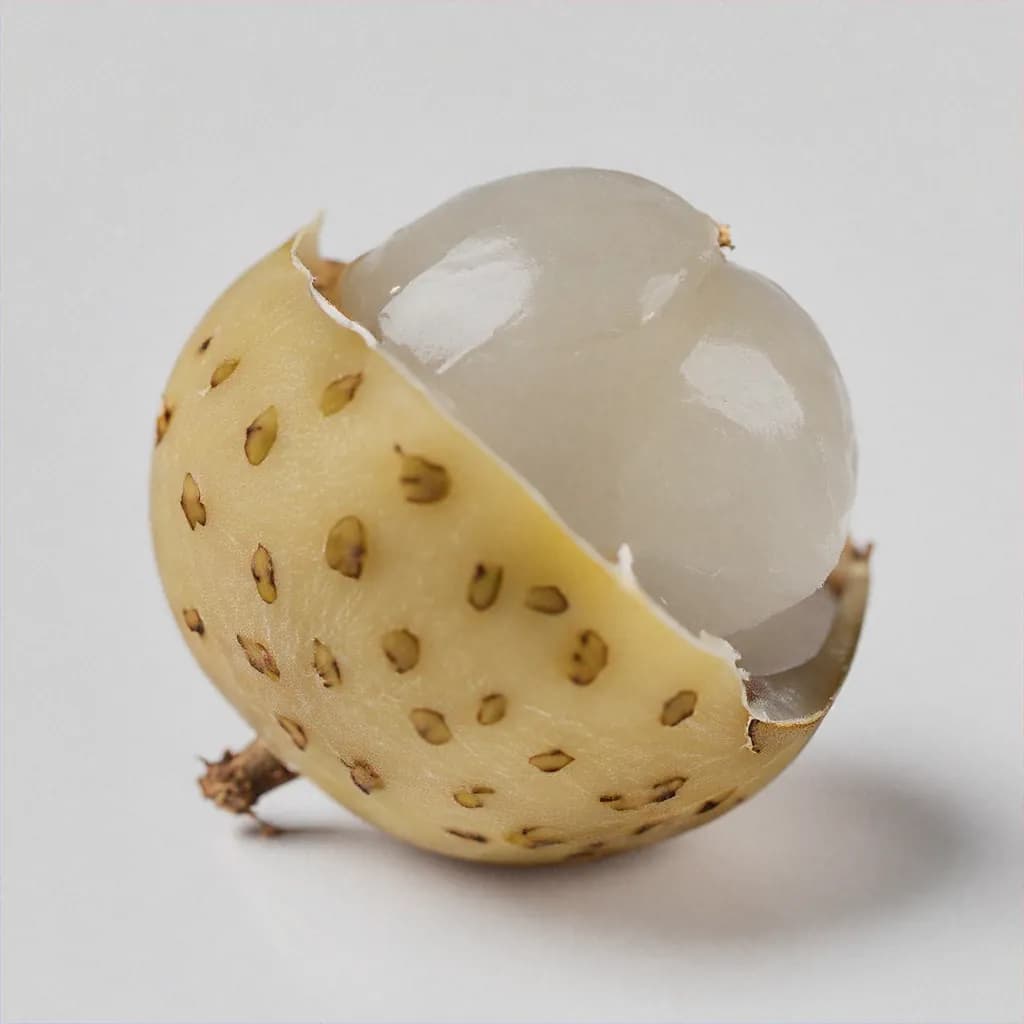
Dimocarpus longan
Longans are small, round tropical fruits native to Southeast Asia, often called 'dragon's eye' due to distinctive translucent white flesh with black seed resembling eye appearance - creating memorable visual and eating experience. These brown-shelled, golf ball-sized fruits offer delicate sweet flavor with subtle musky aromatics distinct from lychees despite family relationship and visual similarity. Longans originate from South China and Southeast Asia where cultivation spans thousands of years integrated into traditional cultures, cuisines, and traditional medicine practices. The distinctive feature of longans is combination of delicate sweetness, tender juicy flesh, smooth texture, and unique flavor profile creating memorable eating experience different from lychees or other tropical fruits. Longans provide impressive nutritional profile - exceptional copper content (17% DV per 100g), significant vitamin C (11% DV), fiber supporting digestive health, and antioxidants including polyphenols and flavonoids with potential health benefits. Traditional Chinese medicine recognizes longans as heart-supporting, sleep-promoting, and stress-reducing fruit with applications in herbal remedies and wellness practices. The tree provides ornamental beauty combined with productive fruit bearing making longans valuable for home gardens and tropical landscaping. Longans represent sophisticated, delicate tropical fruit combining distinctive flavor, unique appearance, nutritional value, and cultural significance while providing accessible introduction to Southeast Asian fruit treasures deserving greater recognition and appreciation.
Explore Longan in stunning detail
Longan - Main View
Per 100g
Per 100g
Nutrition breakdown for one serving
South China, particularly Guangdong and Yunnan provinces
Longans originate from South China, particularly Guangdong and Yunnan provinces, where cultivation predates written history. Ancient Chinese texts reference longans in traditional medicine and cuisine - the fruit was valued by emperors and nobility. Chinese name 'longan' derives from 'long yan' meaning 'dragon's eye' - reflecting the distinctive appearance of the seed. Traditional Chinese medicine integrated longans into wellness practices recognizing heart-supporting and sleep-promoting properties. Southeast Asian cultivation expanded through trade and cultural exchange - Thailand, Vietnam, Myanmar developed significant production. Portuguese traders encountered longans during 16th-17th century expeditions, documenting the fruit for European knowledge. British colonial expansion brought longans to diverse tropical regions establishing cultivation in suitable climates. Modern cultivation spread to Hawaii, California, Australia, and other tropical/subtropical regions. Scientific interest in longan's copper content and antioxidants has increased modern research. Today longans remain prominent in Asian cultures while gaining recognition globally through exotic fruit appreciation.
Summer in Northern Hemisphere (June-September); year-round in tropical regions
Each variety offers unique flavors, textures, and culinary applications
Keep your fruit fresh and delicious for longer
Select firm longans with tan to light brown shell color
Longans should feel slightly firm without excessive softness
Skin should be smooth, unblemished, and free from cracks or dark spots
Fragrant aroma indicates ripeness and quality
Avoid greenish longans (underripe and less sweet)
Look for heavy longans for their size - indicates juiciness
Shell should have no mold or soft deterioration
Choose fresh longans with intact shell
Cluster selection indicates quality - avoid detached or damaged individual fruits
Fresh longans keep refrigerated 1-2 weeks in breathable container
Room temperature storage acceptable 3-5 days in cool location
Do not wash longans until ready to eat - moisture accelerates spoilage
Store in paper bag rather than plastic to prevent moisture accumulation
Frozen longans preserve quality excellently for 6-12 months
Flash freeze on baking sheet before bagging to prevent clumping
Dried longans keep several months to 1+ year in airtight containers
Traditional dried longan preparation popular in Asian cuisine
Can be vacuum-sealed for extended storage
Separate damaged longans to prevent mold spread
Preserve freshness for months
Fresh longans freeze excellently for 6-12 months
Flash freeze whole on baking sheet before bagging
Frozen longans can be eaten as frozen snack
Thaw before eating for fresh fruit experience or eat frozen for icy treat
Frozen longans work well for smoothies and beverages
Dried longans can be frozen 12+ months
Consider shelling before freezing for convenient use
Label frozen items with the date to track freshness. Most fruits maintain quality for 2-3 months when properly frozen. For best results, use airtight containers or freezer bags to prevent freezer burn.
Discover delicious possibilities
Longan allergies are uncommon but documented in individuals with sensitivities to certain tropical fruits or plant compounds. Allergic reactions typically present as oral allergy syndrome - itching, tingling, or swelling of mouth, lips, tongue, and throat. Some individuals experience generalized allergic reactions including hives, urticaria, or skin rashes. Severe reactions including respiratory symptoms are rare but documented. SEED TOXICITY (PRIMARY CONCERN): Longan seeds contain cyclopropyl compounds (saponins and related compounds) toxic to humans and animals. Intentional seed consumption poses genuine health risk. Individual sensitivity varies - some individuals tolerate seed exposure better than others.
Conventionally grown longans may contain pesticide residues from orchard treatment. Proper washing: Rinse longans gently under cool running water for 10-15 seconds before eating. Pat dry with clean towel. This removes surface pesticides and contaminants. Organic longans eliminate synthetic pesticide concerns. The shell protects interior from most contamination. Supporting organic production promotes sustainable farming.
Surprising trivia you'll love!
Longan name derives from Chinese 'long yan' meaning 'dragon's eye' - the distinctive appearance of the seed surrounded by white flesh creates eye-like appearance creating memorable visual identity
Traditional Chinese medicine has used longans for thousands of years - recognized as heart-supporting, sleep-promoting, stress-reducing fruit with applications in herbal remedies
Longans are called 'dragon's eye' in English but 'longan' (桂圓) or 'gui yuan' meaning 'round as the moon' in Chinese - reflecting different cultural perspectives on the fruit
Longan trees are highly ornamental as well as productive - making them valuable for tropical landscaping while simultaneously producing edible harvest
Dried longans are traditional preparation in Asian cuisines - commonly featured in herbal soups, teas, and traditional wellness preparations spanning centuries
Longan's exceptional copper content (17% DV) makes them nutritionally notable among fruits - particularly valuable for vegetarians and copper-deficient individuals
Longans have significantly higher copper content than similar-sized lychees - the nutritional distinction makes them preferred in traditional diets
Fresh longan consumption is most popular in Southeast Asia where cultural connection runs deep - the fruit represents summer, seasonal transition, and cultural heritage
Longan trees can produce fruit for 50+ years - making them long-term productive investment in tropical regions
Modern interest in longans has grown significantly in Western markets - exotic fruit appreciation and global trade have made longans increasingly available beyond traditional Asian markets
Eating longan is simple, intuitive, and creates memorable experience - the distinctive dragon's eye appearance makes the eating process memorable. BASIC PREPARATION: Rinse longan gently under cool water to remove any debris. Pat dry with towel. Hold longan in your hand (similar to grape size). SHELL REMOVAL: Gently squeeze longan applying moderate pressure - the brittle shell will crack. Many people pop shell with thumbnail. The shell is thin and easy to break. Remove shell pieces and discard. EATING: Pop the translucent white flesh into your mouth similar to eating grape or lychee. The flesh separates easily from shell. The distinctive tender, juicy consistency creates pleasant eating experience. The flavor is delicate and subtly sweet. SEED: The center contains a large shiny black seed. The seed is not edible but creates the distinctive 'dragon's eye' appearance. Simply spit out the seed or remove before eating. Some people enjoy peeling flesh from seed piece by piece. TEXTURE EXPERIENCE: The smooth, tender, juicy flesh provides pleasant textural contrast to the brittle shell. The translucent appearance is distinctive and memorable. VARIATIONS: Some people prefer chilling longans before eating - the cold temperature enhances the refreshing quality. Frozen longans can be eaten directly as icy snack. EFFICIENCY: Eating longans requires minimal technique - the natural structure guides eating. No special preparation needed. SHARED EATING: Longans are excellent social fruit - the modest size and simple eating process make them convenient for sharing or group consumption. BOTTOM LINE: Eating longan is intuitive, simple, and creates distinctive experience. The dragon's eye appearance and easy eating process make longans memorable and accessible tropical fruit.
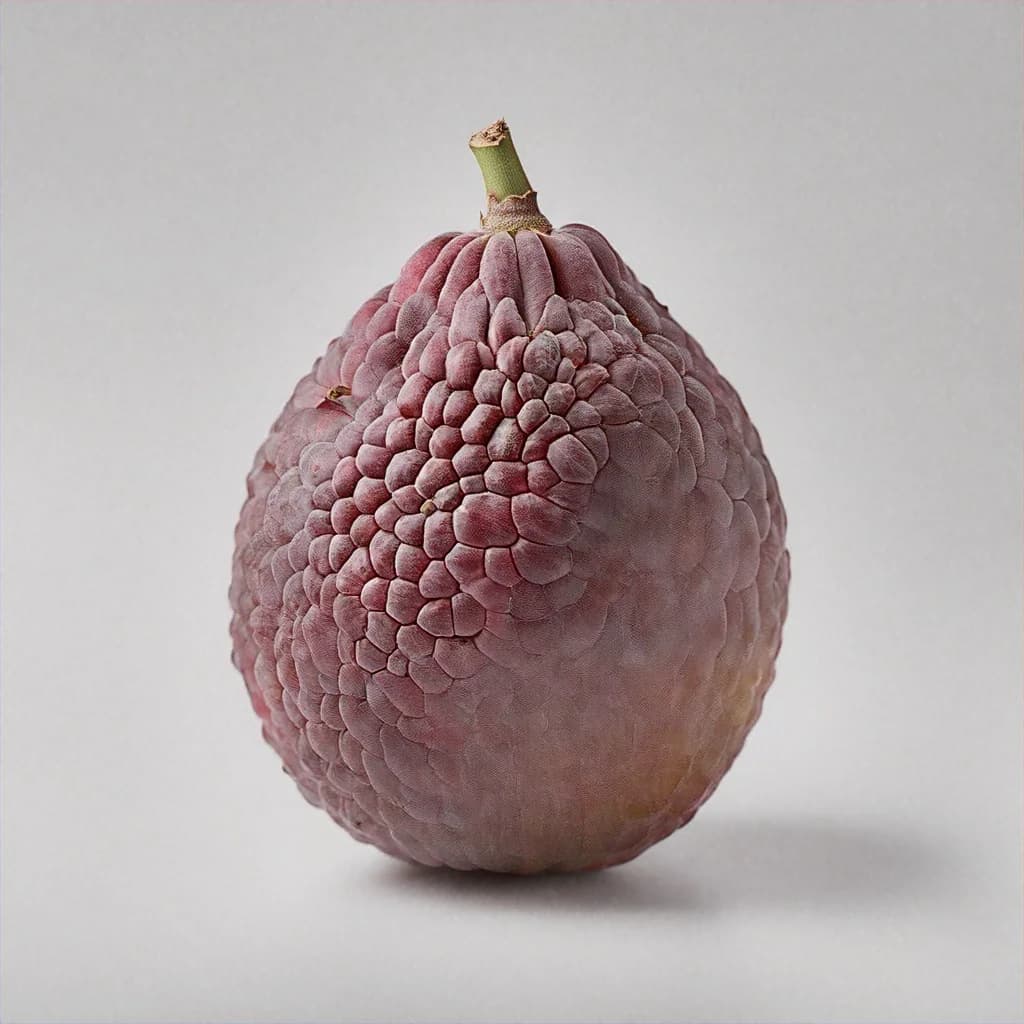
Longans and lychees are related tropical fruits often confused due to visual similarity, similar origin, and family relationship - though they differ significantly in taste, texture, appearance, and culinary profile. APPEARANCE: Longans have smooth tan/brown shell, smaller size (golf ball), translucent white flesh. Lychees have bumpy/bumpy red/pink shell, similar size, white or pinkish flesh. The shell difference is most obvious visual distinction. COLOR: Longan shell is uniformly tan/brown. Lychee shell is bumpy with red/pink coloring. TASTE PROFILE: Longan flavor is delicate, sweet, subtle, with musky aromatics. Lychee flavor is flowery, more pronounced, more dramatic. Longan is understated; lychee is assertive. TEXTURE: Longan flesh is tender, juicy, smooth, and delicate. Lychee flesh is firmer, crunchier, and slightly more substantial. CULTURAL ORIGIN: Both originate from South China and Southeast Asia. Both have similar cultivation history. Traditional uses overlap partially but differ in specific applications. NUTRITIONAL DIFFERENCES: Longan: Higher copper (17% DV), moderate vitamin C (10% DV), good potassium. Lychee: Lower copper (4% DV), higher vitamin C (40% DV), similar potassium. Longan has more copper; lychee has more vitamin C. CULINARY APPLICATIONS: Longans more commonly dried or in herbal preparations. Lychees more commonly fresh eating and in some Asian desserts. Both work in smoothies and beverages. TRADITIONAL MEDICINE: Longans recognized in Traditional Chinese Medicine as heart and sleep-supporting fruit. Lychees also valued but different applications. AVAILABILITY: Both seasonal in Northern Hemisphere (summer). Both available fresh and dried year-round. PRICE: Similar price range, slight variation by region. SHELF LIFE: Longan: 1-2 weeks refrigerated. Lychee: Similar 1-2 weeks refrigerated. FLAVOR PAIRING: Longan pairs with subtle complementary flavors (honey, ginger). Lychee pairs with more assertive flavors (citrus, florals). SUBSTITUTION: Not perfect substitutes despite similarity. Each has distinctive profile requiring separate recognition. BOTTOM LINE: Longans and lychees are related but distinct fruits. Longans are subtle, delicate, copper-rich. Lychees are flowery, pronounced, vitamin C-rich. Each deserves individual appreciation for unique characteristics.
Dried longans are genuinely healthy traditional preparation concentrated with nutrients and antioxidants - the drying process intensifies beneficial compounds. NUTRITIONAL CHANGES: Drying concentrates nutrients and antioxidants - dried longans provide more concentrated mineral and polyphenolic content than fresh. Copper becomes more concentrated (higher percentage). Sugars become more concentrated through water loss. Water content decreases significantly (82.5% in fresh to ~10-20% in dried). HEALTH BENEFITS: Concentrated antioxidants provide enhanced cellular protection. Polyphenolic compounds concentrated through drying process. Copper content highly concentrated - exceptional source of copper mineral. Fiber concentrated through drying. Traditional preparation with recognized health applications. SUGAR CONCENTRATION: Drying concentrates natural sugars - dried longans are sweeter and more calorie-dense than fresh. Higher glycemic impact than fresh (despite same fruit). Consider moderation in consumption. CULINARY USES: Traditional Asian herbal soups - dried longans featured in warming, nourishing soups. Direct snacking - eat dried longans as healthy snack similar to raisins. Herbal tea - steep dried longans in hot water for tea preparation. Dessert applications - incorporate into desserts and baking. Rehydration - soak in water to partially rehydrate and restore some texture. Candy applications - candied dried longans available in some markets. PREPARATION FOR SOUP: Rinse dried longans. Add to soup ingredient list (typically with ginger, jujubes, other warming ingredients). Simmer in broth for 20-30 minutes allowing flavors to extract. Consume with soup and consume softened longans. TASTE PROFILE: Dried longans intensify the subtle sweetness - the concentrated natural sugars become more pronounced. The flavor is rich and concentrated. STORAGE: Dried longans keep several months to 1+ year in airtight containers. Store in cool, dry location. Protect from moisture and humidity. COMPARISON TO FRESH: Fresh: Delicate, subtle flavor, hydrating, lower glycemic impact. Dried: Concentrated, sweeter, warming preparation, higher nutrient density. Both valuable in different contexts. CULTURAL SIGNIFICANCE: Dried longans are traditional East Asian preparation - common in Chinese, Vietnamese, and other Southeast Asian cuisines. The preparation method has cultural heritage spanning centuries. PURCHASING: Available in Asian markets, specialty stores, and online retailers. Quality varies - choose dried longans without mold or damage. BOTTOM LINE: Dried longans are healthy, nutrient-concentrated preparation offering traditional culinary applications. The concentrated antioxidants, copper, and nutrients provide genuine health benefits. Use in herbal soups, teas, and traditional preparations recognizing the increased sugar concentration.
Longans provide legitimate health benefits through comprehensive antioxidant profile, exceptional copper content, and traditional use in wellness practices - though benefits are meaningful rather than miraculous. COPPER SIGNIFICANCE: Exceptional copper content (17% DV per 100g) is primary nutritional standout. Copper supports iron metabolism, collagen formation, energy production, and antioxidant enzyme function. Particularly valuable for vegetarians and those with copper deficiency risk. Few fruits provide such concentrated copper. ANTIOXIDANT PROFILE: Polyphenolic compounds provide powerful cellular protection. Ellagic acid demonstrates potential cancer-preventive properties in research. Flavonoids support anti-inflammatory function. Comprehensive antioxidant system supports disease prevention and anti-aging. HEART HEALTH: Traditional Chinese medicine recognizes longans as heart-supporting fruit. Modern research on antioxidants and potassium validates cardiovascular benefit. The copper content supports heart enzyme function. BLOOD SUGAR MANAGEMENT: Moderate glycemic index (55) and load (8) support stable blood sugar. Fiber content supports glucose metabolism. Suitable for diabetics in moderation. DIGESTIVE SUPPORT: Fiber content (1.1g per 100g) supports digestive health, regular bowel movements, and beneficial gut bacteria. Water content supports overall digestion. SLEEP AND STRESS: Traditional use recognizes longans as sleep-promoting and stress-reducing fruit. Modern research on antioxidants and magnesium supports mood and relaxation benefits. Traditional preparations use longans specifically for these applications. NUTRIENT DENSITY: Small size provides significant nutritional concentration - high nutrient density relative to calories. Efficient nutrition source. IMMUNE SUPPORT: Vitamin C (10% DV) and antioxidants support immune function. Folate supports immune cell production. Traditional use aligned with immune support. ANTI-AGING: Comprehensive antioxidant profile supports cellular protection and longevity mechanisms. The multiple antioxidant compounds work synergistically. MINERAL SUPPORT: Potassium (6% DV), magnesium, phosphorus provide comprehensive mineral contribution supporting multiple bodily functions. LIMITATIONS: Benefits are real but not miraculous. Longans are supportive component of comprehensive health approach, not medical treatment. Individual response varies. TRADITIONAL VALIDATION: Thousands of years of traditional use across Asian cultures validates basic health benefits - modern science increasingly confirms traditional wisdom. BOTTOM LINE: Longans provide genuine health benefits through copper, antioxidants, minerals, and fiber. The exceptional copper content alone makes them nutritionally notable. Benefits are meaningful when consumed regularly as part of balanced diet.
No, longan seeds are not edible and should not be consumed - they are toxic to humans and animals if ingested in significant quantity. SEED IDENTIFICATION: Large, shiny black seed in center of fruit. Distinctive appearance making it easy to identify. Round shape, smooth surface. Obvious when eating fresh longan. TOXICITY: Longan seeds contain cyclopropyl compounds (saponins and other compounds) that are toxic if ingested in significant amounts. The seeds are not safe for human or animal consumption. Toxicity is dose-dependent - small accidental exposure less problematic than intentional consumption. SYMPTOMS OF TOXICITY: Gastrointestinal upset, nausea, vomiting, diarrhea, abdominal pain may result from ingestion. Serious toxicity occurs with substantial seed consumption (multiple seeds or large amounts). In extreme cases, more severe symptoms possible. PET SAFETY: Dogs and cats should avoid longan seeds - toxicity risk applies to pets. Ensure pets do not consume seeds during longan consumption. Supervise children with longans to prevent seed ingestion. EATING TECHNIQUE: Simply spit out the seed after eating flesh. Do not attempt to crack or break seed. Do not swallow seed. Discard seed with trash. Remove seed before giving longan to children. ACCIDENTAL INGESTION: Small accidental exposure (swallowing single seed) typically causes no serious problems. Monitor for any adverse reactions. Multiple seeds or large amounts warrant medical attention. PREPARATION: If desiring to remove seed before eating, gently squeeze longan to separate flesh from seed. Remove seed and discard before consuming flesh. CHILDREN: Supervise children eating longans to ensure seeds are not consumed. Explain that seeds are not edible. Small seed size warrants precaution. BOTTOM LINE: Longan seeds are toxic and should not be eaten. Simply discard seeds during eating process. Accidental single seed exposure is typically not serious, but intentional consumption of multiple seeds poses genuine toxicity risk. Keep longans away from children and pets without supervision.
Longans grow on attractive ornamental trees in clusters creating visually distinctive appearance - the combination of foliage, flowers, and fruit-laden branches makes longan trees beautiful landscape elements. TREE CHARACTERISTICS: Medium-sized deciduous tree (30-40 feet typical height). Feathery compound foliage creates attractive appearance. Smooth bark with distinctive color. Trees can live 50+ years producing continuously. Ornamental appeal makes longans valuable for landscaping. FLOWERING: Small cream-colored fragrant flowers appear in clusters (panicles). Flowers are attractive and fragrant. Flowering indicates upcoming fruit production. The flowering period is essential for pollination and fruit set. FRUIT DEVELOPMENT: Flowers develop into small green fruits. Fruits grow in clusters creating distinctive appearance. Individual fruits are golf ball-sized. The clustering creates visual abundance - a single cluster contains dozens of fruits. RIPENING PROCESS: Fruits mature through summer months. Color changes from green to tan/brown indicating ripeness. Skin color is primary ripeness indicator. Sugar content develops as fruits mature. Optimal ripeness requires patience - harvesting too early results in underripe fruit. HARVEST SEASON: Northern Hemisphere: June-September (primarily July-September peak). Southern Hemisphere: December-February. Tropical regions: Extended season or year-round depending on specific location. Multiple harvests possible in optimal conditions. HARVEST METHOD: Fruits do not detach easily from tree - require hand-picking. Entire clusters can be harvested or individual fruits selected. Gentle handling prevents bruising. Commercial harvest typically involves hand-picking and careful handling. YIELD: Mature trees produce significant quantity - 100-200 pounds possible in optimal conditions. Productivity varies by variety, care, and climate. ENVIRONMENTAL FACTORS: Temperature affects production - trees require warm tropical conditions. Water availability affects yield. Proper pruning affects next season's production. Climate variability affects seasonal yield. LABOR INTENSITY: Harvest requires hand labor - relatively labor-intensive for careful harvest. Commercial production in Asia involves significant harvesting effort. This labor intensity affects pricing. STORAGE POST-HARVEST: After harvest, longans require careful handling to prevent damage. Cool storage extends shelf life. Commercial harvest involves quick cooling and transport. SEASONAL AVAILABILITY: Limited season in non-tropical regions (summer in Northern Hemisphere). Year-round availability in tropical production regions. Dried longans available year-round. BOTTOM LINE: Longans grow in clusters on attractive ornamental trees. Harvest season in Northern Hemisphere is June-September with peak July-September. Tropical regions have extended or year-round seasons. Hand-harvesting is labor-intensive, affecting availability and pricing.
Fresh longans require proper storage for optimal preservation - understanding storage methods extends enjoyment and maintains quality throughout available period. REFRIGERATION (BEST METHOD): Longans keep refrigerated 1-2 weeks in breathable container (paper bag or perforated plastic). Do not use sealed plastic bags - moisture accumulation causes rapid deterioration. Store in crisper drawer if available. Temperature should be 40-50°F (4-10°C) for optimal preservation. Check regularly for any signs of deterioration. Refrigeration is recommended storage method for maximum shelf life. ROOM TEMPERATURE (SHORT-TERM): Room temperature storage acceptable 3-5 days in cool location (68-72°F / 20-22°C). Warm conditions accelerate spoilage significantly. Cool room temperature extends time compared to warm conditions. Room temperature appropriate for immediate consumption plans. NOT RECOMMENDED FOR EXTENDED STORAGE: Avoid freezing fresh longans at room temperature for extended periods. Deterioration accelerates rapidly in warm conditions. Mold development likely if stored improperly. PRE-STORAGE PREPARATION: Do not wash longans before storage - moisture accelerates spoilage. Wash only immediately before eating. Remove any damaged fruit (prevents mold transmission to others). Ensure good air circulation around stored longans. STORAGE CONTAINERS: Paper bags preferred - allow air circulation while protecting from light. Mesh bags acceptable - provide good air circulation. Perforated plastic acceptable if holes are sufficient for air flow. Sealed plastic bags - NOT RECOMMENDED (moisture accumulation causes problems). FREEZING (LONG-TERM PRESERVATION): Fresh longans freeze excellently for 6-12 months. Flash freeze on baking sheet before bagging to prevent clumping. Transfer to freezer bags after freezing. Label with date for tracking. Frozen longans can be eaten directly as frozen snack or thawed for fresh experience. Thawed longans become softer - texture less ideal than fresh. DRYING (TRADITIONAL PRESERVATION): Dry longans for several months to 1+ year storage. Air-dry or use dehydrator. Dried longans have concentrated flavor and different culinary applications. Traditional Asian preparation. SHELF LIFE SUMMARY: Refrigerated: 1-2 weeks (optimal). Room temperature: 3-7 days (shorter in warm conditions). Frozen: 6-12 months. Dried: Several months to 1+ year. SPOILAGE INDICATORS: Mold development (discard immediately). Soft or deteriorated shell. Unpleasant odor. Visible deterioration or seeping liquid. When in doubt, discard to prevent foodborne illness. PURCHASING STRATEGY: Buy quantity you'll consume within 1-2 weeks (refrigerated) or freeze for extended storage. Frozen longans work well for smoothies and beverages if fresh storage not feasible. Dried longans provide year-round availability. BOTTOM LINE: Refrigeration (1-2 weeks) is optimal for fresh longan storage. Freezing extends availability 6-12 months. Room temperature appropriate only for 3-5 days. Proper storage method significantly affects longevity and quality preservation.
Longans are toxic to dogs and other pets - the seeds contain compounds harmful to animals and the fruit itself presents choking risk and digestive concerns. SEED TOXICITY: Longan seeds contain cyclopropyl compounds and saponins toxic to dogs. Seeds are the primary toxicity concern. Significant seed ingestion poses genuine health risk to dogs. Small accidental exposure less problematic than intentional consumption. Toxins affect gastrointestinal system primarily. FRUIT FLESH TOXICITY: Flesh itself is less toxic than seeds but still problematic for dogs. The fruit is high in natural sugars - inappropriate for dog consumption. Fiber content may cause digestive upset in dogs. Combination of toxin exposure and digestive disruption makes longans unsuitable for dogs. CHOKING RISK: Whole longans present choking hazard for dogs - the size and structure risk lodging in throat. Removing shell first doesn't eliminate choking risk entirely. Dogs may swallow without adequate chewing. DIGESTIVE UPSET: Sugar content and fiber can cause gastrointestinal upset, diarrhea, vomiting in dogs. Upset digestion may require veterinary attention. Individual dogs vary in tolerance. SYMPTOMS OF TOXICITY: Vomiting, diarrhea, abdominal pain, lethargy, loss of appetite may result from longan ingestion. More severe symptoms possible with substantial seed consumption. Symptoms usually appear 1-12 hours after ingestion. CATS AND OTHER PETS: Cats typically show less interest in longans than dogs. If ingested, similar toxicity concerns apply. Other pets (rabbits, hamsters, birds) should avoid longans - individual toxicity varies. ACCIDENTAL INGESTION: Small accidental exposure (single seed or small amount of flesh) typically not immediately life-threatening. Monitor pet carefully for any symptoms. Contact veterinarian if significant ingestion occurs. When in doubt, seek professional veterinary advice. PREVENTION: Keep longans away from dogs and pets without supervision. Ensure pets do not have access to fallen fruit. Supervise children eating longans to prevent pet exposure. Educate family about longan hazards to pets. VETERINARY ATTENTION: If pet ingests longans or seeds, contact veterinarian immediately. Provide information about quantity consumed if known. Veterinarian may recommend monitoring or treatment depending on ingestion amount. SAFER ALTERNATIVES: Dog-safe fruits include watermelon (seedless), blueberries, apples (no seeds), bananas, pumpkin - all preferable to longans. These alternatives provide treats without toxicity concerns. BOTTOM LINE: Longans are toxic to dogs due to seed compounds and digestive irritation from fruit. Choking risk adds additional concern. Dogs should completely avoid longans. Keep fruits away from pets. Seek veterinary care if accidental ingestion occurs.
Sustainability insights
Longan cultivation represents established tropical agriculture with environmental considerations similar to other tree fruits. Benefits include perennial trees with 50+ year productive lifespan eliminating annual replanting, deep root systems requiring minimal supplemental irrigation once established, ornamental value providing dual landscape and production benefit, and integration into traditional agroforestry systems. Modern challenges include conventional agriculture's pesticide use requiring sustainable alternatives, water usage in marginal regions, and transportation carbon for global distribution. Sustainable practices include organic longan production, integrated pest management, water-efficient systems, regional production promoting local supply, and traditional cultivation methods.
Longan carbon footprint is moderate due to perennial cultivation, minimal processing for fresh consumption, and efficient tropical distribution. Fresh whole longans require minimal processing - carbon footprint primarily from cultivation and transportation. The perennial nature means no annual planting fuel costs. Tropical regions have natural climate advantages reducing heating/cooling requirements. Commercial production and long-distance transport generate moderate carbon. Per-serving carbon impact is low-moderate - longans provide concentrated nutrition in modest volume. To minimize carbon footprint: Purchase fresh longans during season when available, choose dried longans for off-season use, support local growers, and consider home cultivation if climate permits.
Longan cultivation requires moderate water with water footprint approximately 800-1,200 liters per kilogram - moderate for tree fruits and reasonable for tropical cultivation. Mature longan trees develop deep root systems allowing good drought tolerance once established, though young trees require consistent irrigation during establishment. Traditional cultivation in tropical regions with adequate rainfall minimizes supplemental irrigation. Modern sustainable practices include mulching reducing evaporation, soil moisture monitoring optimizing water use, and drip irrigation systems. Longans represent moderate water-use fruit for most tropical regions, more efficient than some water-intensive crops.
Supporting local longans maximizes sustainability and freshness. Longans are cultivated in China, Thailand, Vietnam, and other Southeast Asian regions, plus specialized producers in Hawaii, California, and Australia. For residents in longan-growing regions, local fruit provides minimal transportation carbon and superior freshness. For non-producing regions, imported fresh longans represent seasonal-appropriate supply. Dried longans provide year-round availability with lower transportation carbon than constant fresh import. BEST PRACTICES: Buy fresh local longans during season when available, purchase dried longans off-season for convenience and lower carbon, choose organic when available supporting sustainable farming, and appreciate longans' ornamental and productive dual-purpose value.
We aim to keep this Longan profile accurate and easy to understand. Nutrition values and % Daily Value figures are based on established reference databases and standard daily value guidance.
Last updated: September 8, 2026
Medical disclaimer
This page is for general educational purposes and does not replace professional medical advice.
Found an issue? Contact us.