Loading Fruit Details...
Please wait while we fetch nutritional information and health benefits
Please wait while we fetch nutritional information and health benefits
Recommended Products
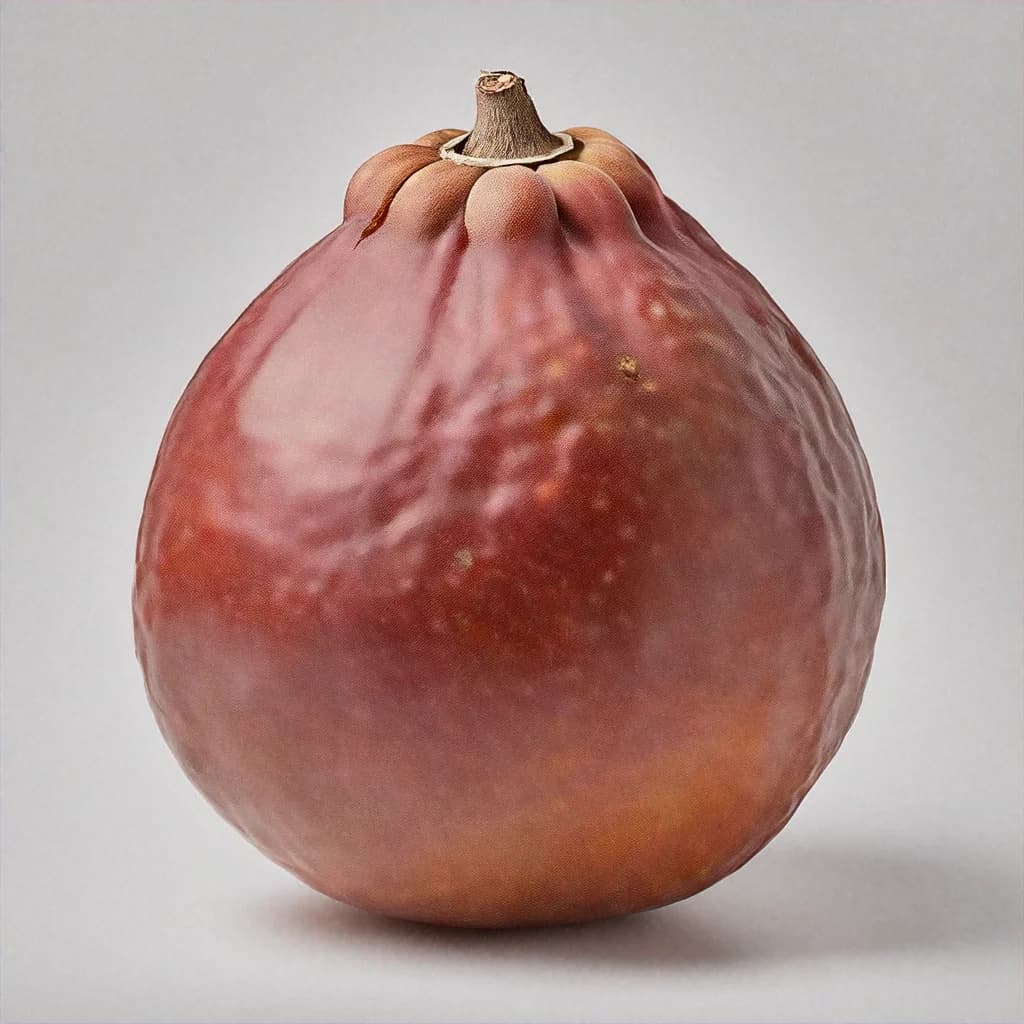
Voacanga thouarsii
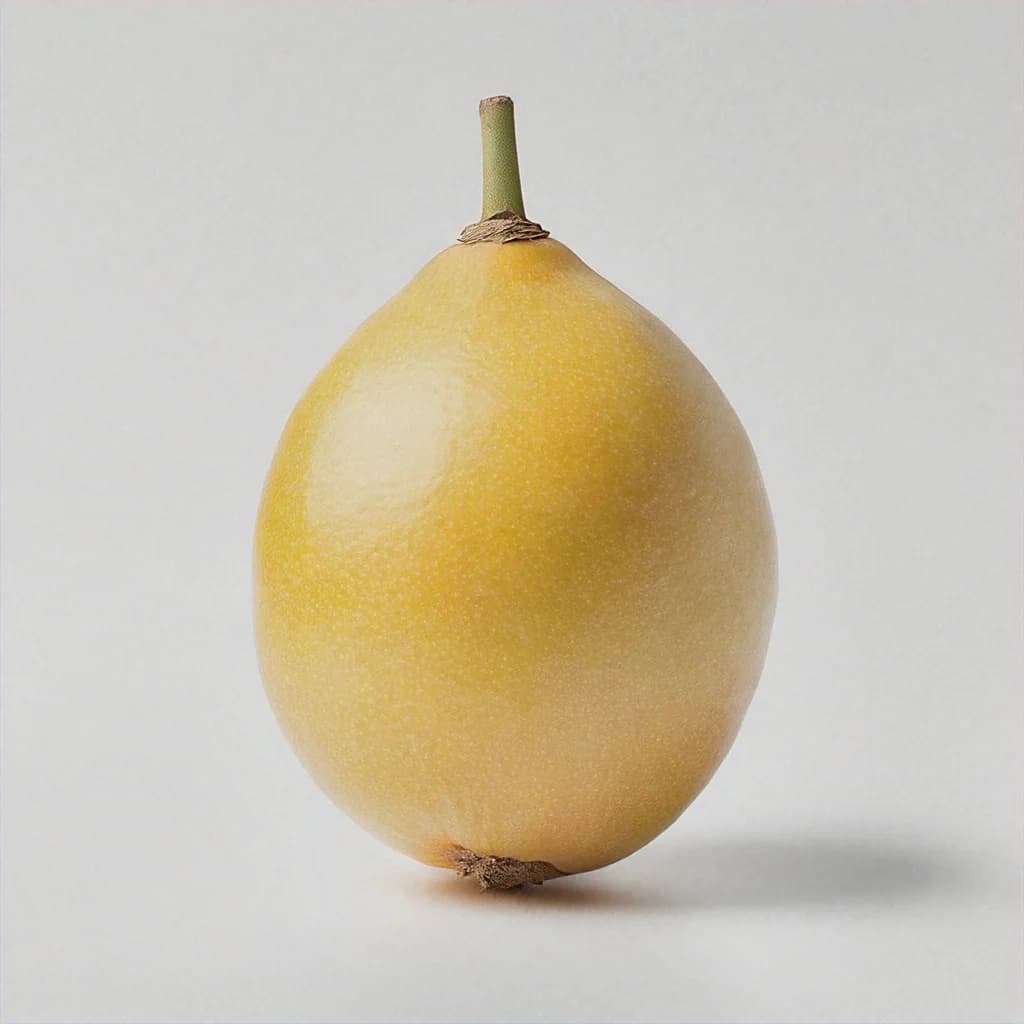
The Voacanga fruit, scientifically known as Voacanga thouarsii, is a tropical fruit native to West Africa. This fruit is part of the Apocynaceae family and is known for its medicinal properties rather than its culinary appeal. Voacanga fruits are typically round or oval, with a tough, woody exterior and a fibrous, pulpy interior. The seeds of the fruit are particularly valued in traditional medicine for their alkaloid content, which includes compounds like voacangine and voacamine. These alkaloids have been studied for their potential effects on the central nervous system and are used in some traditional practices to treat conditions like fever, pain, and mental health disorders. While the fruit itself is not widely consumed as food, its bioactive compounds make it an intriguing subject for pharmacological research.
Explore Voacanga Fruit in stunning detail
Voacanga Fruit - Main View
Per 100g
Per 100g
Nutrition breakdown for one serving
West Africa
Voacanga fruit has been used in traditional African medicine for centuries. Its seeds, rich in alkaloids, have been utilized for their medicinal properties in treating various ailments.
Year-round in tropical regions
Each variety offers unique flavors, textures, and culinary applications
Keep your fruit fresh and delicious for longer
Look for fruits with a firm, unblemished exterior.
Avoid fruits with soft spots or signs of mold.
Store in a cool, dry place away from direct sunlight.
Refrigerate for longer shelf life.
Preserve freshness for months
Freeze the pulp or seeds for long-term storage.
Use airtight containers to prevent freezer burn.
Label frozen items with the date to track freshness. Most fruits maintain quality for 2-3 months when properly frozen. For best results, use airtight containers or freezer bags to prevent freezer burn.
Discover delicious possibilities
Allergic reactions to Voacanga fruit are rare but possible. Always start with a small amount if consuming for the first time.
Generally low, as it is often grown traditionally without heavy pesticide use.
Surprising trivia you'll love!
Voacanga fruit is often referred to as the 'African Bitter Orange' due to its medicinal properties.
The seeds of Voacanga fruit have been used in traditional African medicine for centuries.
Voacanga fruit is primarily used for its medicinal properties, particularly the seeds, which contain beneficial alkaloids.
Look for fruits that are yellow or slightly soft to the touch, avoiding those with mold or bruises.
Yes, refrigeration can extend its shelf life to up to 2 weeks.
While not commonly used in cooking, the seeds can be dried and ground to make medicinal teas.
Voacanga fruit is rich in alkaloids, antioxidants, and dietary fiber, and it provides moderate amounts of vitamin C and potassium.
The fruit and seeds should be used cautiously, as excessive consumption of alkaloids can have adverse effects. Consult a healthcare professional before use.
Voacanga fruit is native to West Africa and is commonly found in countries like Nigeria, Cameroon, and Ghana.
Sustainability insights
Voacanga fruit is often sustainably harvested in its native regions, with minimal environmental impact.
Low, as it is primarily grown and consumed locally in West Africa.
Moderate, as it is a tropical fruit that requires regular rainfall.
Most Voacanga fruit is consumed locally, reducing the environmental impact of transportation.
We aim to keep this Voacanga Fruit profile accurate and easy to understand. Nutrition values and % Daily Value figures are based on established reference databases and standard daily value guidance.
Last updated: October 6, 2026
Medical disclaimer
This page is for general educational purposes and does not replace professional medical advice.
Found an issue? Contact us.