Loading Fruit Details...
Please wait while we fetch nutritional information and health benefits
Please wait while we fetch nutritional information and health benefits
Recommended Products
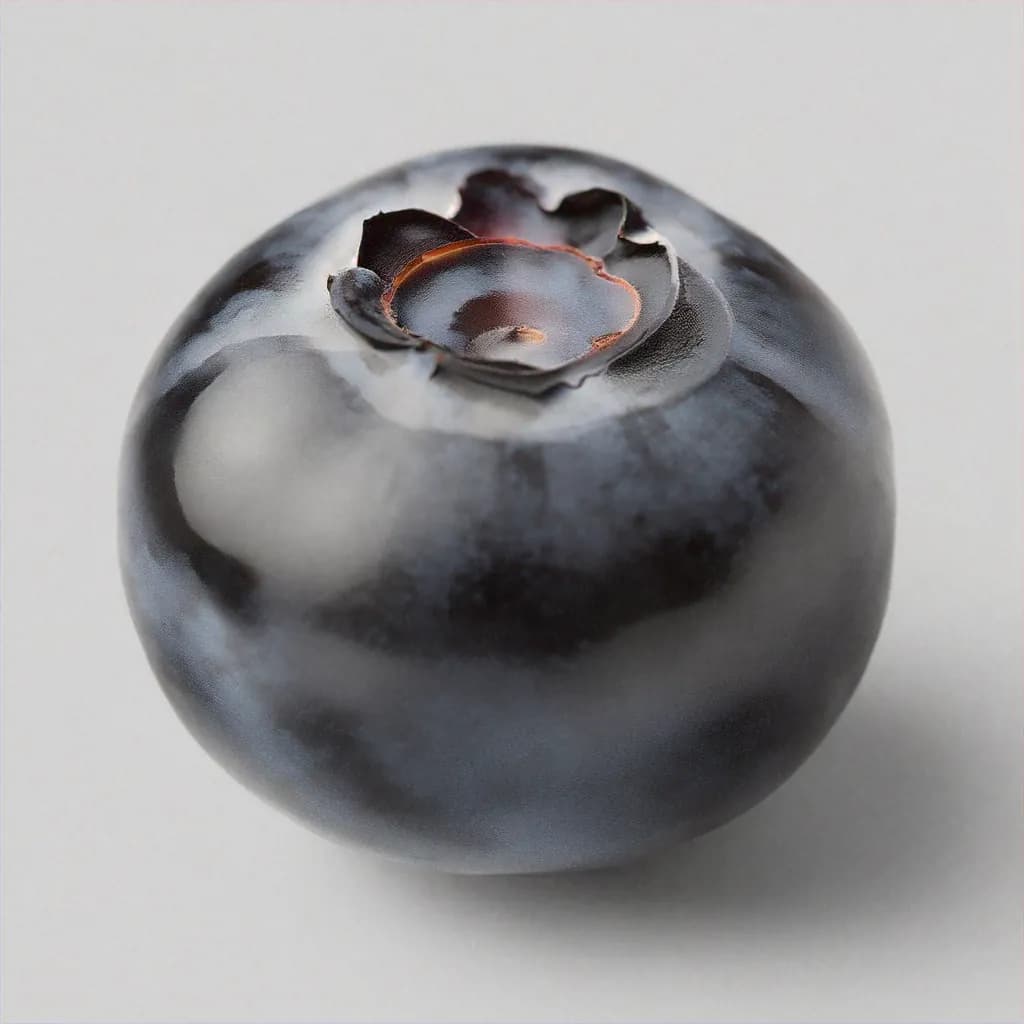
Vaccinium myrtillus
Bilberry is a small, dark purple berry native to Northern Europe with exceptional antioxidant power and distinctive tart flavor. Rich in anthocyanins and vitamin C (36% DV), bilberries support eye health, cognitive function, and cardiovascular wellness. At 57 calories per 100g with excellent fiber content (3.5g) and polyphenol density, bilberries are prized in traditional Scandinavian and European cuisines. Perfect for fresh eating, jams, beverages, and supplements.
Explore Bilberry in stunning detail
Bilberry - Main View
Per 100g
Per 100g
Nutrition breakdown for one serving
Northern and Central Europe
Bilberry has been foraged and cultivated throughout Northern Europe for centuries. Prized in Scandinavian and Eastern European traditions for both culinary use and traditional medicine supporting vision and vitality.
Peak season July-September
Each variety offers unique flavors, textures, and culinary applications
Keep your fruit fresh and delicious for longer
Select firm, dark purple bilberries without soft spots
Avoid mushy or moldy berries
Fresh bilberries have a dusty white bloom on skin
Refrigerate fresh bilberries for up to 2 weeks in breathable containers
Freeze whole bilberries for up to 1 year
Frozen bilberries maintain nutritional value and anthocyanins
Dried bilberries store for 1+ year in cool, dry conditions
Preserve freshness for months
Freeze whole berries in single layer before bagging
Frozen bilberries work best for smoothies and cooked preparations
Maintains anthocyanin content when frozen
Label frozen items with the date to track freshness. Most fruits maintain quality for 2-3 months when properly frozen. For best results, use airtight containers or freezer bags to prevent freezer burn.
Discover delicious possibilities
Bilberry allergies are rare. Some individuals may have sensitivity to berry family fruits.
Wild bilberries are pesticide-free. Cultivated varieties may have residues; purchase from reputable sources.
Surprising trivia you'll love!
Bilberries contain 3-4 times more anthocyanins than cultivated blueberries
They've been used in Northern European folk medicine for centuries
Scandinavian pilots were said to eat bilberry jam to improve night vision
Wild bilberries are smaller but more flavorful than cultivated varieties
Bilberry supplements are popular in Europe for eye health support
Bilberries are European wild berries (Vaccinium myrtillus) with higher anthocyanin content and more tart flavor than cultivated blueberries. They're smaller, darker, and more intensely flavored.
Yes, bilberries are exceptional for eye health due to their high anthocyanin content, which supports vision clarity, reduces eye strain, and may help prevent macular degeneration.
Fresh bilberries (July-September) are available at farmers markets in Northern Europe and specialty stores. Year-round availability as frozen, dried, jam, or supplements from health stores.
Rinse fresh bilberries and use in jams, pies, or smoothies. Frozen bilberries work well in cooked preparations. Dried bilberries can be steeped for tea or added to cereals.
Sustainability insights
Wild bilberry harvesting supports sustainable European forest ecosystems. Support organic and wild-harvested sources.
Local wild bilberries have minimal carbon footprint. Support European harvesters.
Wild bilberries require no irrigation; cultivated varieties need moderate water.
Support European wild harvesting to preserve traditional practices and forest biodiversity.
We aim to keep this Bilberry profile accurate and easy to understand. Nutrition values and % Daily Value figures are based on established reference databases and standard daily value guidance.
Last updated: September 6, 2026
Medical disclaimer
This page is for general educational purposes and does not replace professional medical advice.
Found an issue? Contact us.