Loading Fruit Details...
Please wait while we fetch nutritional information and health benefits
Please wait while we fetch nutritional information and health benefits
Recommended Products
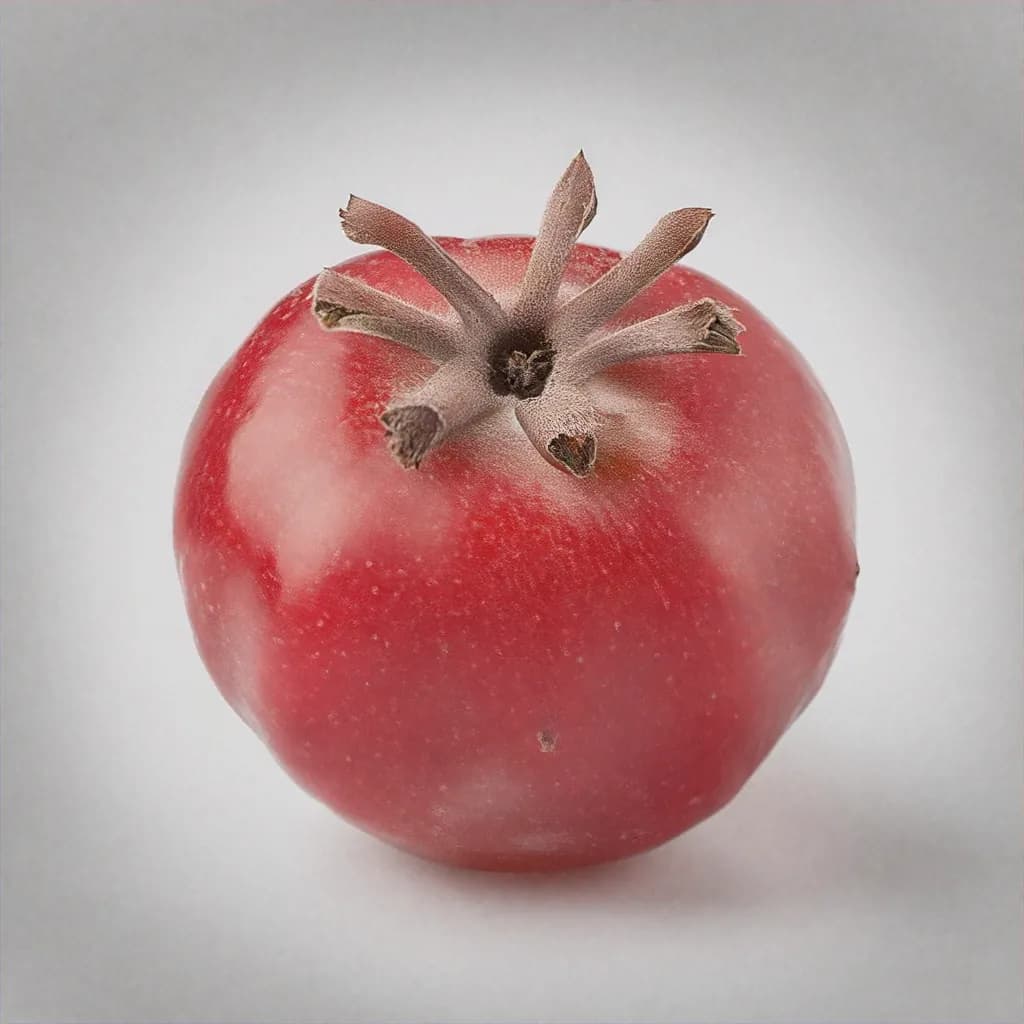
Crataegus spp.
Hawthorn berry is a small, tart, nutrient-rich fruit widely recognized for its powerful cardiovascular benefits and traditional medicinal use. Belonging to the genus Crataegus, hawthorn berries are packed with potent antioxidants, flavonoids, and polyphenols that support heart health, circulation, and overall metabolic wellness. Low in calories yet rich in fiber and vitamin C, hawthorn berry has been used for centuries in traditional European and Chinese medicine to promote healthy blood pressure, improve digestion, and enhance vitality. Its unique phytochemical profile makes hawthorn berry a prized functional fruit in modern wellness, herbal nutrition, and preventive health practices.
Explore Hawthorn Berry in stunning detail
Hawthorn Berry - Main View
Per 100g
Per 100g
Nutrition breakdown for one serving
Europe, Asia, and North America
Hawthorn berries have been used medicinally for over 1,000 years across Europe and Asia. In traditional Chinese medicine, hawthorn (Shan Zha) was used to aid digestion and circulation, while in European herbalism it became renowned as a heart tonic. Ancient Greek and Roman physicians documented hawthorn’s cardiovascular benefits. Today, hawthorn berry remains one of the most scientifically studied herbal fruits for heart health and circulatory support.
Late summer to autumn
Each variety offers unique flavors, textures, and culinary applications
Keep your fruit fresh and delicious for longer
Choose deep red, firm berries without shriveling
Avoid berries with mold or excessive softness
Fresh berries should have a slight sheen
Refrigerate fresh hawthorn berries in airtight container
Dry berries for long-term storage
Keep away from moisture to prevent spoilage
Preserve freshness for months
Wash and dry before freezing
Freeze in single layer before storing
Frozen berries retain quality for up to 6 months
Label frozen items with the date to track freshness. Most fruits maintain quality for 2-3 months when properly frozen. For best results, use airtight containers or freezer bags to prevent freezer burn.
Discover delicious possibilities
Hawthorn allergy is rare but possible in sensitive individuals.
Wash thoroughly or source from trusted herbal suppliers.
Surprising trivia you'll love!
Hawthorn is often called the ‘heart herb’ in traditional medicine
Used for over 1,000 years in Europe and Asia
Key ingredient in traditional Chinese hawthorn candy (Tanghulu)
Contains unique antioxidants called OPCs
Modern studies link hawthorn to improved circulation
Hawthorn berry is traditionally used to support heart health, circulation, digestion, and overall cardiovascular wellness.
Yes, hawthorn berry contains flavonoids and proanthocyanidins that support heart muscle strength, blood flow, and healthy blood pressure.
Hawthorn berries have a mildly sweet, tart, and slightly floral flavor.
Yes, hawthorn berries are safe to eat when consumed in moderation and properly prepared.
Yes, hawthorn berries have been used for centuries in traditional and herbal medicine systems.
Yes, they may support digestion by stimulating digestive enzymes and improving gut comfort.
Yes, they contain powerful antioxidants that help combat oxidative stress.
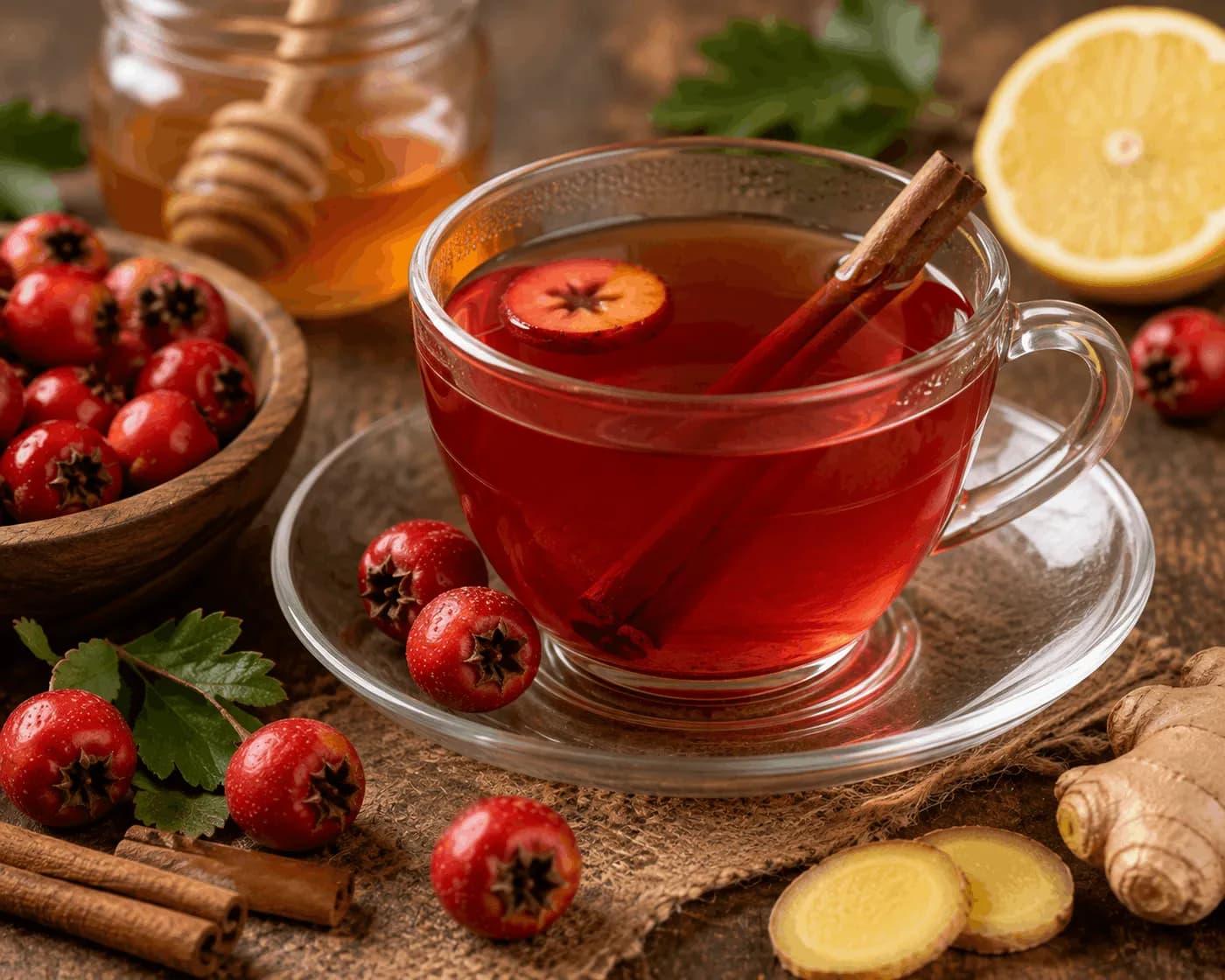
They are consumed as teas, extracts, syrups, jams, or dried berries.
Hawthorn berries are typically harvested in late summer to early autumn.
Yes, hawthorn berries contain small seeds that are usually removed during preparation.
Yes, their bioactive compounds help improve blood flow and vascular function.
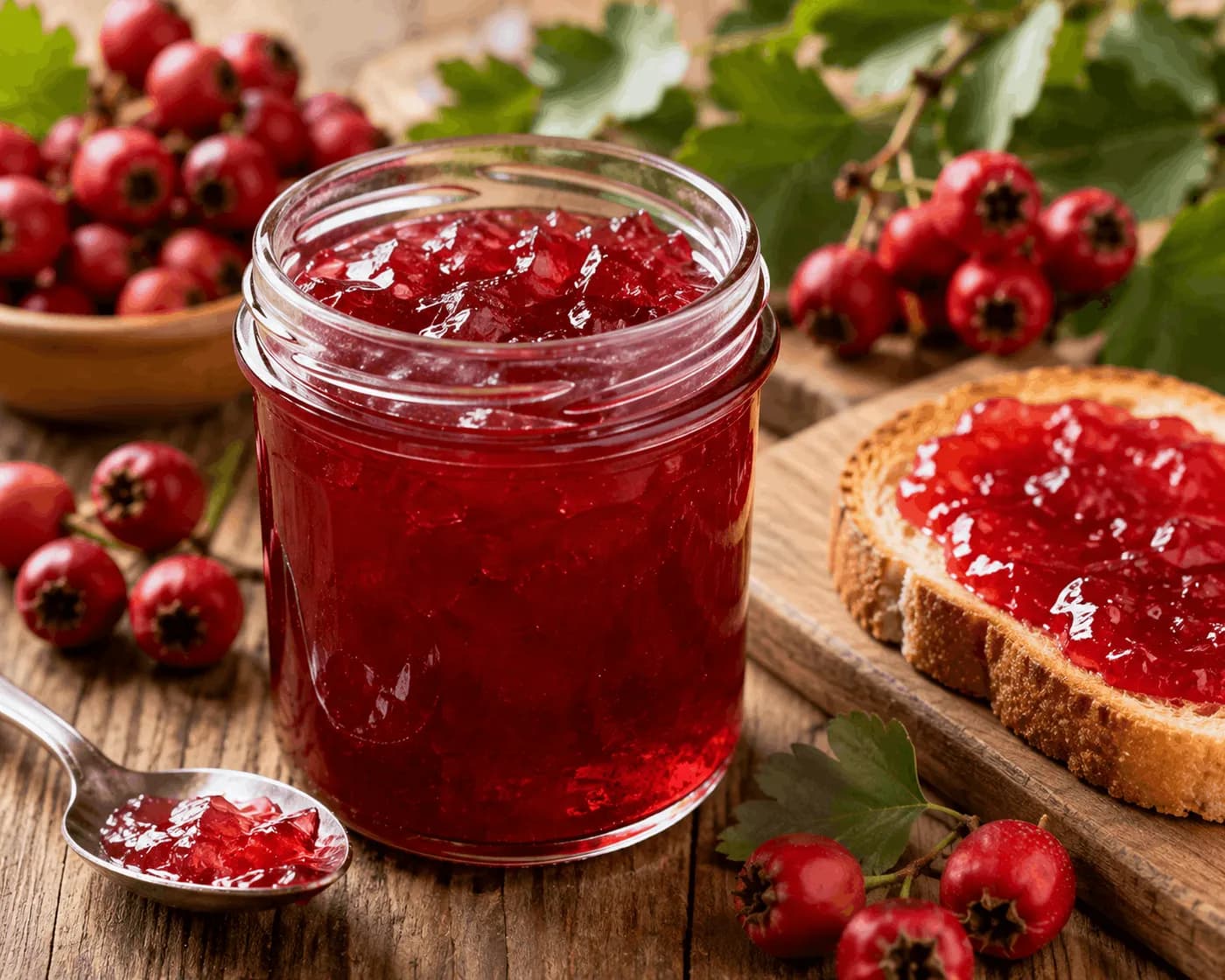
Yes, they are used in jellies, sauces, candies, and traditional recipes.
Yes, hawthorn berries are relatively low in calories while being nutrient-rich.
Hawthorn berries grow on hawthorn trees native to Europe, Asia, and North America.
Sustainability insights
Hawthorn trees support biodiversity and pollinators.
Low when locally foraged or cultivated.
Low water requirement compared to commercial fruits.
Local sourcing reduces environmental impact.
We aim to keep this Hawthorn Berry profile accurate and easy to understand. Nutrition values and % Daily Value figures are based on established reference databases and standard daily value guidance.
Last updated: September 8, 2026
Medical disclaimer
This page is for general educational purposes and does not replace professional medical advice.
Found an issue? Contact us.