Loading Fruit Details...
Please wait while we fetch nutritional information and health benefits
Please wait while we fetch nutritional information and health benefits
Recommended Products
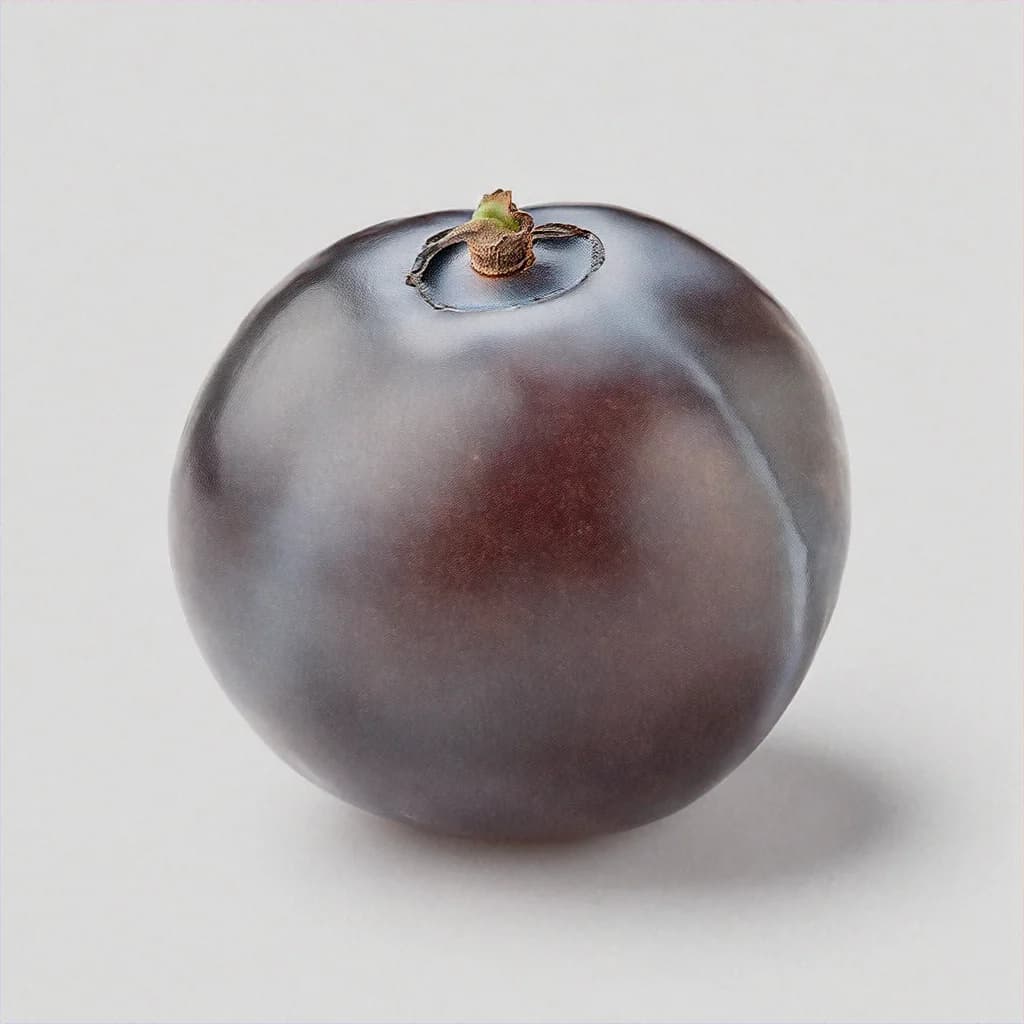
Coccoloba uvifera
Uva de Playa, also known as Seagrape, is a tropical fruit native to coastal regions of the Caribbean, Central America, and South America. This fruit grows on the Coccoloba uvifera tree, which thrives in sandy, saline soils near beaches. The fruit itself is small, round, and grows in clusters, resembling grapes. Its flesh is juicy and tart, with a flavor profile that combines notes of citrus and tart apples. Rich in antioxidants and vitamins, Uva de Playa is not only a delightful snack but also a nutritional powerhouse. Its culinary versatility makes it a favorite in jams, jellies, and even wines, while its ornamental value adds charm to coastal landscapes.
Explore Uva de Playa in stunning detail
Uva de Playa - Main View
Per 100g
Per 100g
Nutrition breakdown for one serving
Caribbean, Central America, South America
Uva de Playa has been a staple in coastal communities for centuries, valued for its edible fruit and its ability to stabilize sandy soils. Its resilience to saline conditions makes it a vital part of coastal ecosystems.
Summer to Early Fall
Each variety offers unique flavors, textures, and culinary applications
Keep your fruit fresh and delicious for longer
Look for firm, plump fruits with no signs of shriveling.
Select fruits with a deep, uniform color, ranging from purple to reddish-brown.
Store in a cool, dry place away from direct sunlight.
Refrigerate to extend shelf life.
Preserve freshness for months
Freeze whole or pureed for use in smoothies or jams.
Store in airtight containers to prevent freezer burn.
Label frozen items with the date to track freshness. Most fruits maintain quality for 2-3 months when properly frozen. For best results, use airtight containers or freezer bags to prevent freezer burn.
Discover delicious possibilities
Allergies to Uva de Playa are rare but possible, especially for those allergic to related fruits.
Uva de Playa is generally low in pesticide residues due to its natural growing conditions.
Surprising trivia you'll love!
Uva de Playa trees are often planted to stabilize sandy soils and prevent erosion.
The fruit’s name, 'Seagrape,' comes from its grape-like appearance and coastal habitat.
Uva de Playa has a tart, slightly sweet flavor similar to a blend of citrus and tart apples.
Ripe Uva de Playa will be firm, plump, and have a deep, uniform color, usually purple to reddish-brown.
Uva de Playa can last up to 2 weeks when refrigerated properly.
Yes, Uva de Playa can be used in baking, particularly in jams, jellies, and as a filling for pastries.
Uva de Playa contains about 12.8g of sugar per 100g, making it moderately sweet.
Uva de Playa is generally safe, but individuals with allergies to related fruits should exercise caution.
Uva de Playa trees are best grown outdoors in coastal regions with sandy, saline soils.
Sustainability insights
Uva de Playa is highly sustainable, as it helps prevent coastal erosion and requires minimal water and pesticides.
Low carbon footprint due to minimal processing and transportation needs.
Low water usage, as the trees are drought-tolerant.
Locally grown Uva de Playa is more environmentally friendly than imported varieties.
We aim to keep this Uva de Playa profile accurate and easy to understand. Nutrition values and % Daily Value figures are based on established reference databases and standard daily value guidance.
Last updated: October 6, 2026
Medical disclaimer
This page is for general educational purposes and does not replace professional medical advice.
Found an issue? Contact us.