Loading Fruit Details...
Please wait while we fetch nutritional information and health benefits
Please wait while we fetch nutritional information and health benefits
Recommended Products
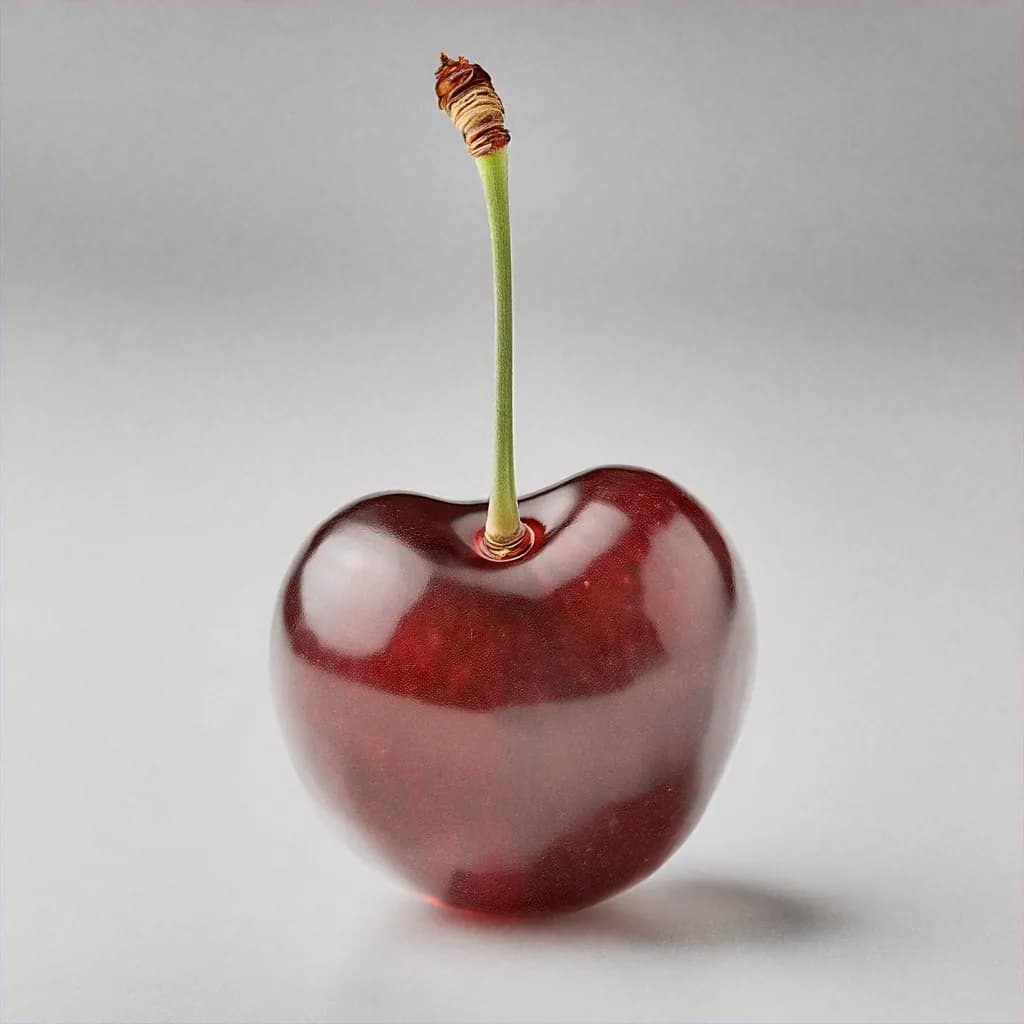
Prunus avium (sweet), Prunus cerasus (tart)
Cherries are vibrant stone fruits celebrated for their jewel-like appearance, sweet-tart flavor, and remarkable health benefits. These small, round fruits with smooth, glossy skin range from deep red to golden yellow and grow in clusters on ornamental trees that herald spring with stunning blossoms. Rich in antioxidants, particularly anthocyanins and melatonin, cherries support sleep quality, reduce inflammation, and aid post-exercise recovery. Sweet cherries are perfect for fresh eating, while tart cherries excel in cooking and medicinal applications. With origins in ancient Asia Minor and cultivation spanning millennia, cherries remain one of summer's most anticipated seasonal delights.
Explore Cherry in stunning detail
Cherry - Main View
Per 100g
Per 100g
Nutrition breakdown for one serving
Asia Minor (region between Black Sea and Caspian Sea, modern-day Turkey)
Cherries have been enjoyed for over 3,000 years, with cultivation beginning in Asia Minor around 1000 BCE. Ancient Greeks and Romans prized cherries, spreading cultivation throughout Europe. Roman general Lucullus introduced cherries to Rome from Anatolia in 72 BCE. European settlers brought cherry trees to North America in the 1600s. Washington State emerged as a premier cherry-growing region in the late 1800s. Sweet cherries (Prunus avium) and tart cherries (Prunus cerasus) evolved as distinct species. Today, Turkey leads global production, while Washington State dominates U.S. cultivation. Cherry blossoms hold profound cultural significance in Japan, symbolizing renewal and transience.
Late spring through summer in Northern Hemisphere
Each variety offers unique flavors, textures, and culinary applications
Keep your fruit fresh and delicious for longer
Select firm, plump cherries with glossy, taut skin and vibrant color
Look for green, fresh stems attached - brown, dry stems indicate age
Avoid soft, shriveled, bruised, or leaking cherries
Choose cherries that are heavy for their size indicating juiciness
Color should be deep and uniform - darker generally means riper and sweeter
Smell should be fresh and fruity without fermentation odor
Buy cherries still attached to stems when possible for longer freshness
Inspect container bottom for juice stains indicating damaged fruit
For tart cherries, look for bright red color and firm texture
Store unwashed cherries in refrigerator immediately after purchase
Keep in original container or shallow dish lined with paper towels
Do not wash until ready to eat - moisture promotes mold growth
Store in coldest part of refrigerator (32-35°F / 0-2°C)
Keep stems attached until consumption for extended freshness
Remove any damaged or moldy cherries immediately to prevent spread
Store away from strong-smelling foods as cherries absorb odors
Best consumed within 4-7 days of purchase for optimal flavor
Preserve freshness for months
Wash and dry cherries thoroughly before freezing
Remove stems and pits (optional - can freeze with pits)
Spread cherries in single layer on parchment-lined baking sheet
Flash freeze for 2-3 hours until solid
Transfer to freezer-safe bags or containers, removing excess air
Frozen cherries maintain quality for 10-12 months
Use frozen cherries in smoothies, baking, sauces without thawing
Thaw in refrigerator for fresh consumption applications
Label frozen items with the date to track freshness. Most fruits maintain quality for 2-3 months when properly frozen. For best results, use airtight containers or freezer bags to prevent freezer burn.
Discover delicious possibilities
Cherry allergies are uncommon but can occur, particularly in individuals with birch pollen allergies due to cross-reactivity (oral allergy syndrome). Reactions typically include itching or tingling of the mouth, lips, tongue, and throat. Some individuals experience more severe reactions including hives, digestive upset, or rarely anaphylaxis. People allergic to other stone fruits (peaches, plums, apricots, almonds) may react to cherries. Cooking usually destroys allergenic proteins, allowing some sensitive individuals to tolerate cooked cherries but not fresh.
Conventionally grown cherries typically have moderate pesticide residue levels. The USDA has detected multiple pesticide residues on cherry samples, though generally within acceptable limits. Sweet cherries may have higher residue than tart cherries due to different growing practices. Washing thoroughly under running water for 30-60 seconds removes surface residues. Consider organic cherries, especially for frequent consumers and children. Organic certification ensures no synthetic pesticides were used. Frozen and dried cherries concentrate any residues present, making organic options particularly important for processed products.
Surprising trivia you'll love!
A single cherry tree can produce up to 7,000 cherries in one season at peak maturity
Cherry trees typically don't bear fruit until they're 4-7 years old, requiring patience from growers
The world record for cherry pit spitting is 93 feet 6.5 inches, set in 2004
Japan's cherry blossom (sakura) season attracts millions of tourists annually, though these ornamental trees don't produce edible fruit
Cherries are one of the few fruits containing natural melatonin, making them unique sleep aids
George Washington's cherry tree story ('I cannot tell a lie') is a myth created by biographer Parson Weems
Cherry trees bloom for only about 2 weeks each spring, requiring perfect weather for successful pollination
Michigan produces 75% of America's tart cherries, earning the nickname 'Cherry Capital of the World'
Sweet cherries must be hand-picked to avoid bruising, making them labor-intensive and expensive
Rainier cherries require 2 years longer to develop than other varieties, contributing to their premium price
Yes, cherries are one of the few natural food sources of melatonin, the hormone that regulates sleep-wake cycles. Tart cherries (especially Montmorency variety) contain particularly high melatonin levels. Studies show drinking 8 oz of tart cherry juice twice daily (morning and evening) can increase sleep time by 84 minutes and improve sleep efficiency. The combination of melatonin, anthocyanins, and tryptophan in cherries supports natural sleep regulation. Effects typically appear within 1-2 weeks of regular consumption. Tart cherry juice 30-60 minutes before bed works best. This natural approach offers a gentler alternative to synthetic melatonin supplements without side effects.
Tart and sweet cherries offer different benefits. Tart cherries (Montmorency) contain higher concentrations of anthocyanins, melatonin, and anti-inflammatory compounds, making them superior for medicinal purposes like reducing inflammation, improving sleep, and aiding recovery. Studies on health benefits primarily use tart cherry juice. Sweet cherries (Bing, Rainier) are higher in natural sugars, making them better for fresh eating and desserts. Tart cherries have 20x more vitamin A but are too sour for most people to eat fresh - they're typically consumed as juice, dried, or cooked. For health benefits, choose tart cherry juice or supplements. For snacking and cooking, sweet cherries excel. Both are nutritious - choose based on your purpose.
Most adults can enjoy 1-2 cups of fresh cherries daily (about 21-42 cherries or 140-280g), providing excellent nutrition without excessive sugar. This amount delivers substantial antioxidants, fiber, and vitamins. For tart cherry juice (medicinal purposes), research supports 8-16 oz daily split into two doses. Dried cherries are more concentrated - limit to 1/4 cup (about 40g) daily due to higher sugar and calorie content. Children can eat 1/2 to 1 cup fresh cherries daily. Diabetics should monitor portions and pair with protein for stable blood sugar. More isn't necessarily better - moderation provides benefits without digestive upset or excessive sugar intake.
No, cherry stems are not typically eaten and offer no nutritional value. They're woody, fibrous, and unpalatable. However, stems indicate freshness - green, flexible stems mean cherries are fresh, while brown, brittle stems suggest age. Always remove stems before eating cherries. Some cultures use cherry stems to make herbal tea (cherry stem tea) claimed to have diuretic properties, though scientific evidence is limited. The fruit itself provides all the nutritional benefits. Cherry pits should absolutely never be eaten as they contain cyanogenic compounds that produce cyanide when crushed or chewed.
Yes, cherry pits contain amygdalin, a compound that converts to cyanide when crushed, chewed, or broken. Swallowing whole pits accidentally is generally harmless as they pass through intact. However, crushing or chewing pits releases cyanide which is toxic. Symptoms of cyanide poisoning include headache, dizziness, confusion, difficulty breathing, and in severe cases, seizures or death. Children are particularly vulnerable due to smaller body size. Always remove pits before eating or cooking cherries. Never give whole cherries to young children due to choking and poisoning risks. Commercial cherry products (juice, jam, pie filling) have pits removed. If you accidentally bite a pit, spit it out immediately - don't chew or swallow.
Fresh cherry season runs late May through August in the Northern Hemisphere, with peak availability varying by region and variety. California cherries arrive earliest (late May-June), followed by Washington State (June-August), the nation's largest producer. Oregon and Michigan harvest mid-June through July. Sweet cherries typically peak June-July, while tart cherries (primarily Michigan) peak in July. Southern Hemisphere countries (Chile, Australia, New Zealand) provide fresh cherries December-February, extending availability during winter. Frozen, dried, and canned cherries are available year-round. For best flavor and value, buy fresh cherries at peak season from local farmers markets. Imported cherries available year-round but lack peak-season flavor and cost significantly more.
Yes, scientific evidence supports tart cherry juice's anti-inflammatory effects. Studies show Montmorency tart cherry juice reduces inflammation markers (C-reactive protein, inflammatory cytokines) by up to 25%. Athletes using tart cherry juice experience reduced muscle soreness, faster recovery (24-48 hours faster), and decreased inflammation after intense exercise. Research also shows benefits for arthritis, reducing pain and stiffness by lowering inflammatory compounds. The mechanism involves anthocyanins and other polyphenols inhibiting inflammatory enzymes (COX-1 and COX-2, similar to NSAIDs but natural). Effective doses are typically 8-12 oz twice daily. Effects appear within 1-2 weeks of regular consumption. While not a cure, tart cherry juice offers natural anti-inflammatory support comparable to some medications without side effects.
Dogs can eat cherry flesh in very small amounts, but cherries are NOT recommended due to serious risks. The flesh is technically safe, but cherry pits, stems, and leaves contain cyanogenic compounds producing cyanide when crushed. Even small amounts can cause cyanide poisoning in dogs with symptoms including dilated pupils, difficulty breathing, bright red gums, and shock. Whole cherries pose choking hazards and intestinal blockage risks. The effort to pit cherries safely isn't worth the minimal nutritional benefit for dogs - many safer fruit alternatives exist (apples without seeds, blueberries, watermelon). If your dog accidentally eats a cherry or two, monitor for symptoms and contact your vet if concerns arise. Never intentionally feed cherries to dogs.



Sustainability insights
Cherry cultivation has moderate environmental impact. Cherry trees are perennial, living 20-30 years, reducing replanting frequency compared to annual crops. They support biodiversity, providing habitat for pollinators and beneficial insects. However, conventional cherry orchards use synthetic pesticides and fungicides to prevent diseases like brown rot and cherry fruit fly. Organic cherry farming is growing but represents a small percentage of production. Sweet cherries require significant labor for hand-harvesting, supporting rural employment. Cherry trees need adequate chilling hours, making them climate-sensitive and vulnerable to climate change. Supporting organic, local cherry production promotes sustainability.
Fresh cherries from local sources during peak season (June-August) have minimal carbon footprint due to short transportation distances. Off-season fresh cherries require long-distance shipping (Chile to North America/Europe), significantly increasing emissions. Air-freighted cherries have extremely high carbon footprint - 10-20x higher than sea freight. Frozen cherries require energy for freezing and storage but eliminate spoilage waste. Dried cherries are energy-intensive to produce but lightweight for shipping. Choosing seasonal, locally-grown fresh cherries or domestic frozen/dried cherries minimizes environmental impact. Washington State cherries for North American consumers represent a more sustainable choice than imported varieties.
Cherry trees have moderate water requirements compared to many fruit crops. Mature sweet cherry trees need approximately 600-800mm annual water, concentrated during fruit development (May-July). Tart cherry trees are slightly more drought-tolerant. Modern orchards increasingly use drip irrigation systems, reducing water waste by 30-50% compared to traditional sprinklers. Water footprint is approximately 180-250 liters per kilogram of fresh cherries. Regions with natural rainfall (Pacific Northwest, Michigan) require less irrigation than arid areas (California). Sustainable farms implement rainwater harvesting, soil moisture monitoring, and mulching to optimize water efficiency.
Buying local cherries during peak season (June-August in Northern Hemisphere) maximizes sustainability and supports regional farmers. Washington State, Oregon, California, and Michigan produce excellent cherries for North American markets. Farmers markets offer freshest cherries with minimal transportation. European consumers benefit from local production in Turkey, Greece, Spain, and Italy. Avoid air-freighted cherries during off-season - carbon footprint is excessive. During winter, frozen or dried cherries from domestic sources are more sustainable than fresh imports from Chile. Choose organic and sustainably certified cherries when possible to support environmentally responsible farming practices.
We aim to keep this Cherry profile accurate and easy to understand. Nutrition values and % Daily Value figures are based on established reference databases and standard daily value guidance.
Last updated: September 9, 2026
Medical disclaimer
This page is for general educational purposes and does not replace professional medical advice.
Found an issue? Contact us.