Loading Fruit Details...
Please wait while we fetch nutritional information and health benefits
Please wait while we fetch nutritional information and health benefits
Recommended Products
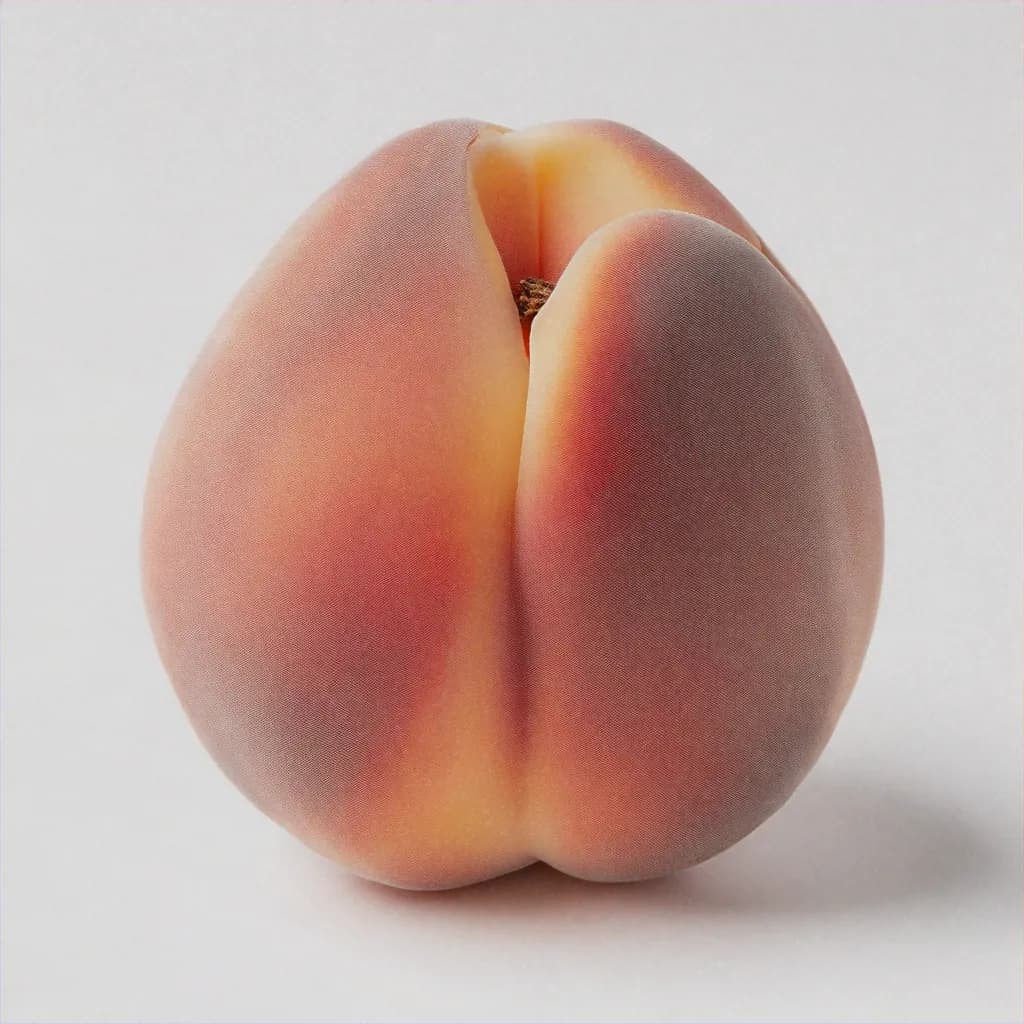
Bactris gasipaes
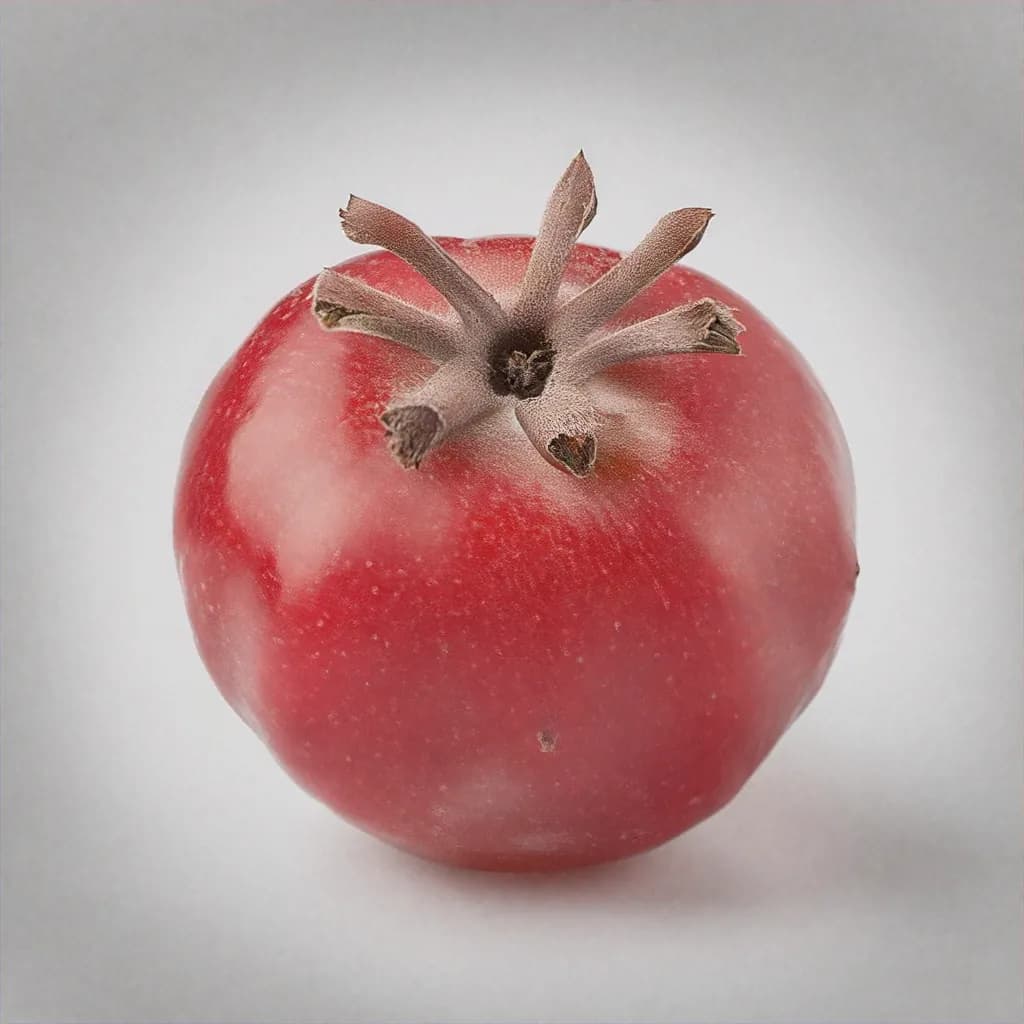
Peach palm fruit is a nutrient-rich tropical fruit native to Central and South America, widely valued for its starchy texture, vibrant orange-to-red color, and exceptional carotenoid content. Unlike most sweet fruits, peach palm is typically consumed cooked and provides sustained energy along with significant vitamin A (beta-carotene), vitamin C, potassium, and dietary fiber. With approximately 165 calories per 100g when cooked, peach palm supports eye health, immune function, digestive wellness, and long-lasting satiety. Traditionally consumed across Amazonian cultures, peach palm fruit is prized in contemporary nutrition for its unique combination of complex carbohydrates, antioxidants, and essential micronutrients.
Explore Peach Palm Fruit in stunning detail
Peach Palm Fruit - Main View
Per 100g
Per 100g
Nutrition breakdown for one serving
Central and South America (Amazon Basin)
Peach palm fruit (Bactris gasipaes) has been cultivated for over 5,000 years by Indigenous peoples of the Amazon. Traditionally boiled and eaten with salt or honey, the fruit served as a major energy source long before the introduction of modern crops. Today, peach palm remains culturally and nutritionally significant across Latin America and is increasingly recognized globally for its dense nutrition and sustainable cultivation.
Year-round in tropical regions
Each variety offers unique flavors, textures, and culinary applications
Keep your fruit fresh and delicious for longer
Choose firm fruits with vibrant orange or red color
Avoid fruits with cracks, mold, or sour odor
Uniform size and color indicate maturity
Store raw fruits in a cool, dry place
Refrigerate cooked fruit for short-term storage
Consume shortly after cooking for best quality
Preserve freshness for months
Boil and peel before freezing
Freeze in airtight containers
Best used within 2–3 months
Ideal for soups and purees after thawing
Label frozen items with the date to track freshness. Most fruits maintain quality for 2-3 months when properly frozen. For best results, use airtight containers or freezer bags to prevent freezer burn.
Discover delicious possibilities
Allergies are rare but possible
Wash thoroughly before cooking; organically grown fruits preferred
Surprising trivia you'll love!
Peach palm has been cultivated for over 5,000 years
The fruit is traditionally boiled and eaten with salt
It is one of the richest natural sources of beta-carotene among palm fruits
Peach palm flour is used as a gluten-free alternative
The same palm species also produces hearts of palm
Peach palm fruit is a tropical fruit from the palm species Bactris gasipaes, traditionally eaten cooked and valued for its fiber, vitamin A, and sustained energy.
No, peach palm fruit must be cooked before consumption as raw fruit can be difficult to digest.
Cooked peach palm fruit has a mildly sweet, nutty flavor similar to sweet potato or chestnut.
Yes, it is rich in complex carbohydrates, fiber, vitamin A, and antioxidants that support overall health.
Yes, its high fiber content supports digestion and gut health when properly cooked.
Yes, it provides slow-releasing carbohydrates that help maintain sustained energy levels.
It is usually boiled or steamed and eaten with salt, honey, or used in traditional dishes.
Peach palm fruit is widely consumed in Central America, South America, and parts of the Amazon region.
Yes, the fruit contains a large hard seed that is removed before eating.
Yes, its fiber content helps promote fullness, though portion control is recommended due to its starch content.
Peach palm fruit is typically harvested during the rainy season, depending on the region.
Yes, peach palm fruit is naturally gluten-free.
Yes, dried peach palm fruit can be ground into flour for baking and cooking.
Yes, it has been a staple food in indigenous diets of the Amazon for centuries.
Sustainability insights
Peach palm cultivation supports agroforestry and sustainable farming systems
Low when consumed locally in producing regions
Relatively low compared to annual crops
Local consumption greatly reduces environmental impact
We aim to keep this Peach Palm Fruit profile accurate and easy to understand. Nutrition values and % Daily Value figures are based on established reference databases and standard daily value guidance.
Last updated: September 15, 2026
Medical disclaimer
This page is for general educational purposes and does not replace professional medical advice.
Found an issue? Contact us.