Loading Fruit Details...
Please wait while we fetch nutritional information and health benefits
Please wait while we fetch nutritional information and health benefits
Recommended Products
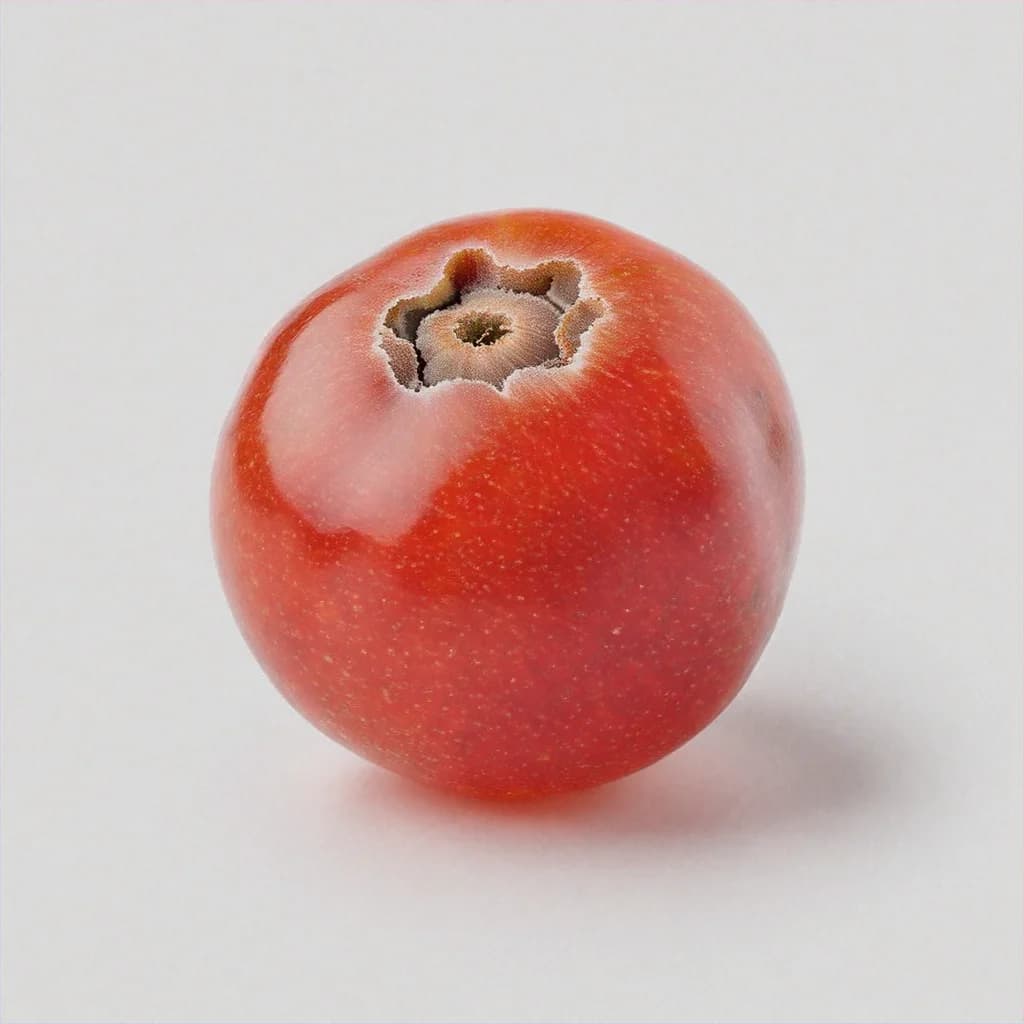
Sorbus aucuparia
The Rowan Berry, also known as Mountain Ash, is a small, vibrant red berry native to cooler regions of the Northern Hemisphere. Botanically classified as Sorbus aucuparia, it belongs to the rose family (Rosaceae). These berries have a tart, slightly bitter flavor and are rich in vitamins and antioxidants. Historically, Rowan Berries have been used in traditional medicine and folk remedies due to their potent health benefits. They are often used in jams, jellies, and liqueurs, and their unique taste adds depth to culinary creations. Despite their astringent nature, Rowan Berries are a valuable addition to both culinary and nutritional worlds, offering a blend of flavor and wellness.
Explore Rowan Berry in stunning detail
Rowan Berry - Main View
Per 100g
Per 100g
Nutrition breakdown for one serving
Northern Europe, Asia, and North America
Rowan Berries have been used for centuries in traditional medicine, particularly in Nordic and Celtic cultures. They were believed to ward off evil spirits and were often planted near homes for protection. Their medicinal properties were valued for treating respiratory ailments and digestive issues.
Late summer to early fall
Each variety offers unique flavors, textures, and culinary applications
Keep your fruit fresh and delicious for longer
Look for bright red, firm berries with no signs of shriveling or mold.
Avoid berries that are overly soft or have blemishes.
Store fresh Rowan Berries in a sealed container in the refrigerator.
Freeze berries in an airtight bag for long-term storage.
Preserve freshness for months
Wash and dry berries thoroughly before freezing.
Store in a freezer-safe bag or container to maintain freshness.
Label frozen items with the date to track freshness. Most fruits maintain quality for 2-3 months when properly frozen. For best results, use airtight containers or freezer bags to prevent freezer burn.
Discover delicious possibilities
Rowan Berries are generally safe for most people, but individuals with allergies to fruits in the rose family (Rosaceae) should exercise caution.
Rowan Berries are generally low in pesticide residue, but it is always advisable to wash them thoroughly before consumption.
Surprising trivia you'll love!
Rowan Berries were traditionally planted near homes to ward off evil spirits in Celtic and Nordic cultures.
The wood of the Rowan tree is highly valued for its strength and is often used in woodworking and tool-making.
Rowan Berries have a tart, slightly bitter flavor with a hint of sweetness. They are often described as astringent.
Ripe Rowan Berries are bright red and firm to the touch. Avoid berries that are shriveled or soft.
Yes, Rowan Berries can be frozen for long-term storage. Wash and dry them thoroughly before freezing in an airtight container.
Rowan Berries are commonly used in jams, jellies, liqueurs, and syrups. They pair well with game meats and cheeses.
Yes, Rowan Berries are rich in antioxidants like quercetin and anthocyanins, which help combat oxidative stress.
Traditionally, Rowan Berries have been used to treat respiratory ailments due to their anti-inflammatory properties.
While Rowan Berries are safe to eat, their raw, bitter taste makes them more palatable when cooked or processed into jams and syrups.
Sustainability insights
Rowan Berries are often harvested from wild trees, making them a sustainable food source with minimal environmental impact.
Low, as they are typically harvested locally and require minimal processing.
Minimal, as Rowan trees are drought-tolerant and require little irrigation.
Rowan Berries are often sourced locally in regions where they grow naturally, reducing the need for long-distance transportation.
We aim to keep this Rowan Berry profile accurate and easy to understand. Nutrition values and % Daily Value figures are based on established reference databases and standard daily value guidance.
Last updated: October 3, 2026
Medical disclaimer
This page is for general educational purposes and does not replace professional medical advice.
Found an issue? Contact us.