Loading Fruit Details...
Please wait while we fetch nutritional information and health benefits
Please wait while we fetch nutritional information and health benefits
Recommended Products
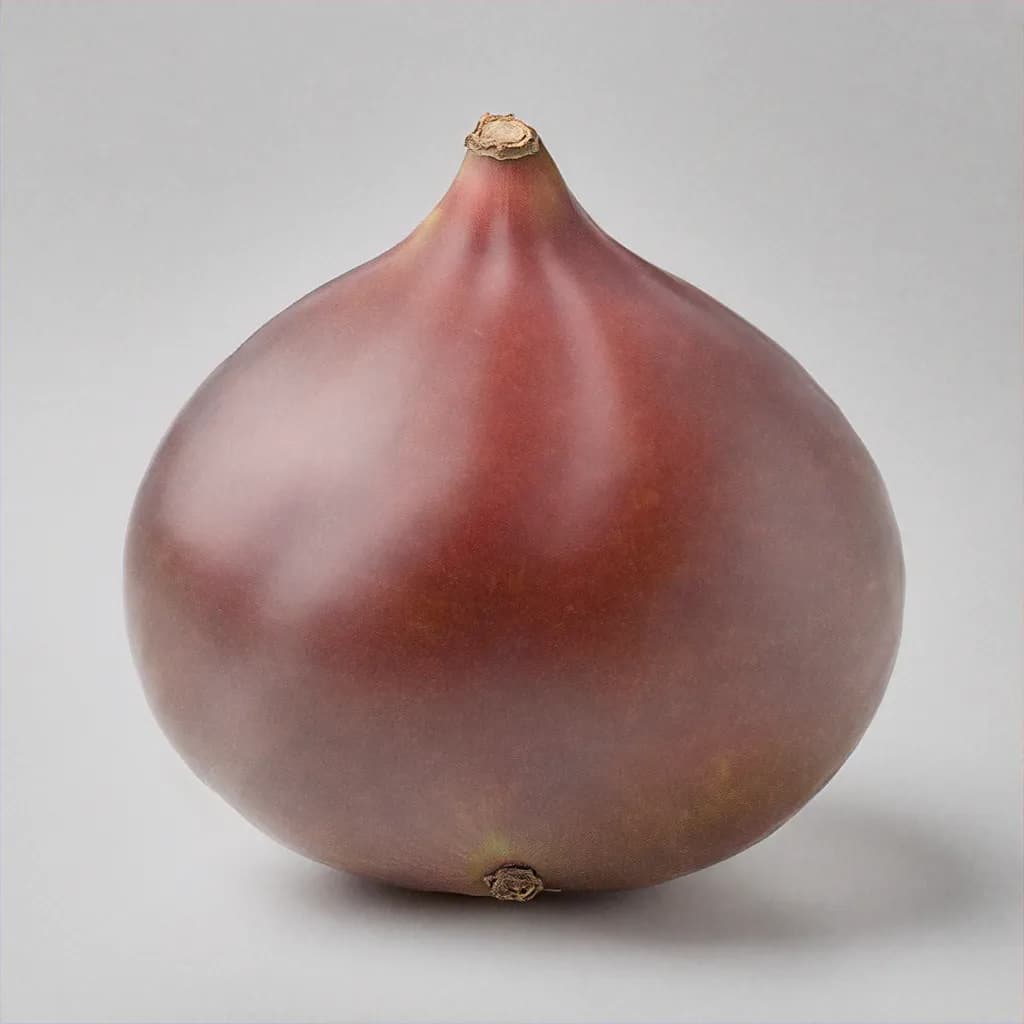
Ugni molinae
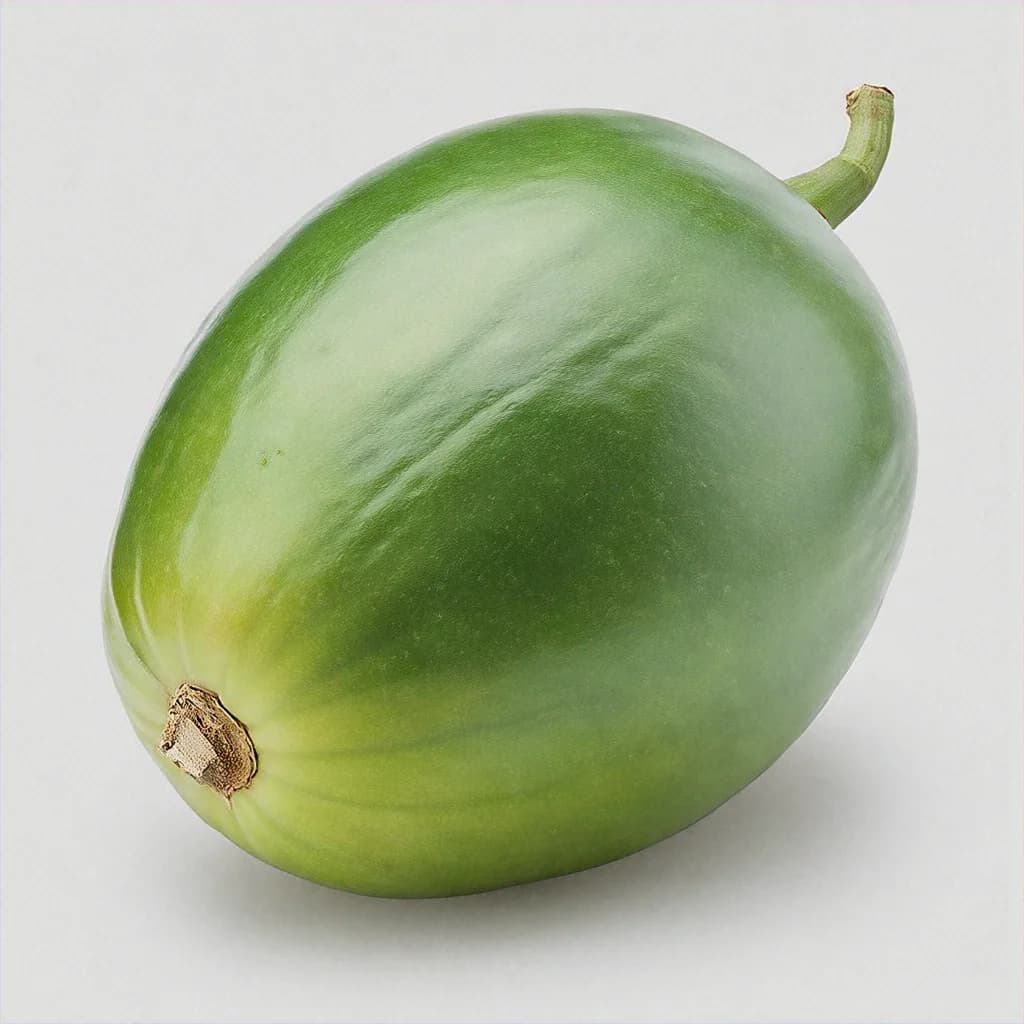
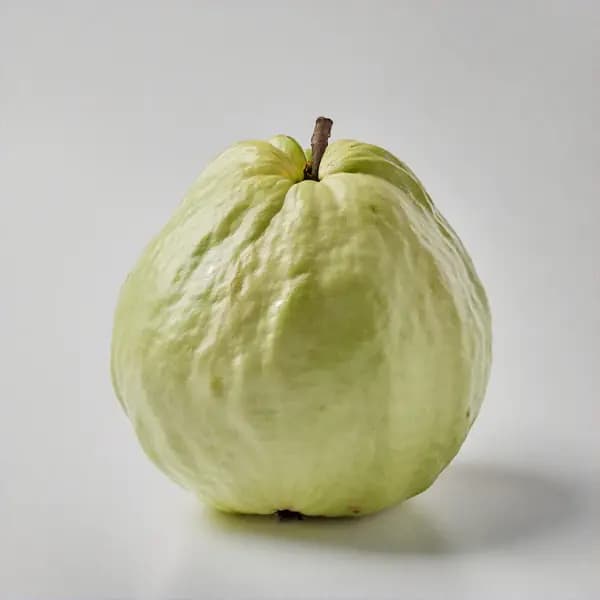
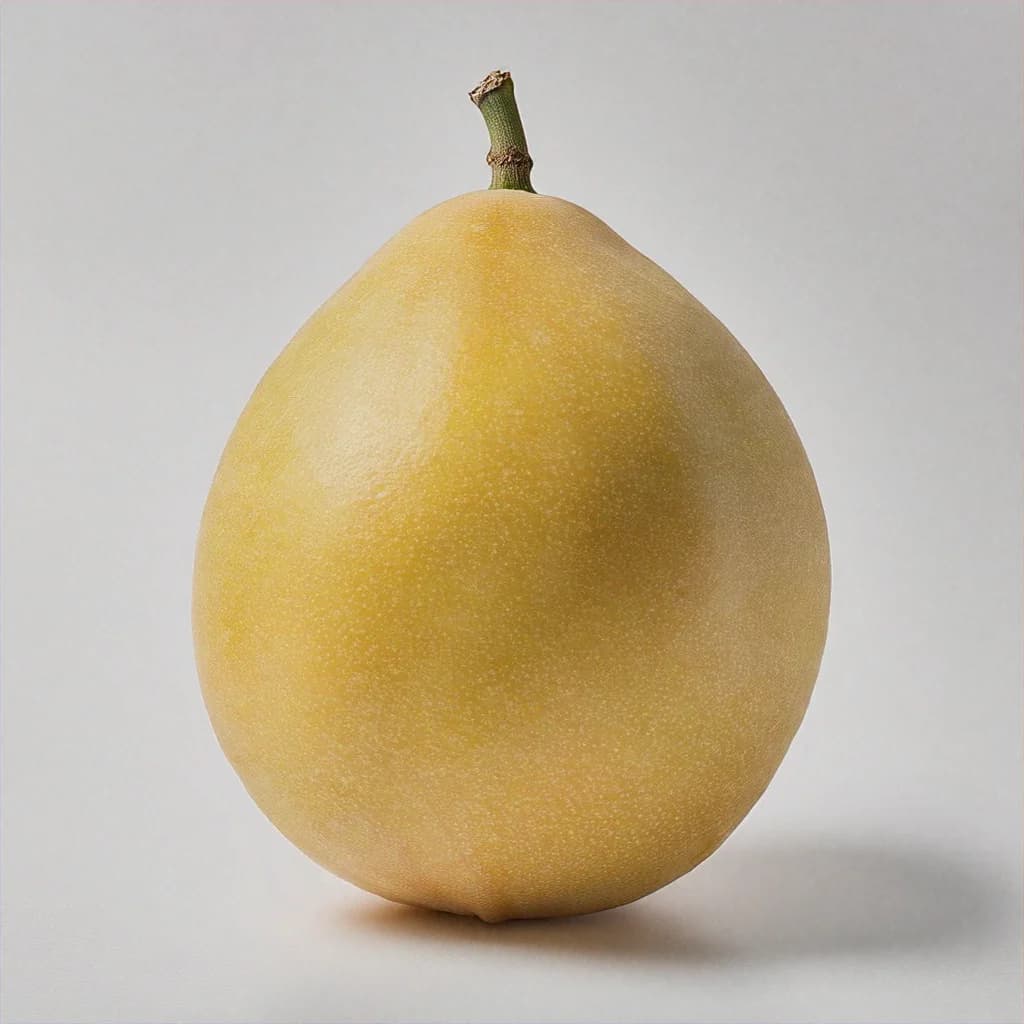
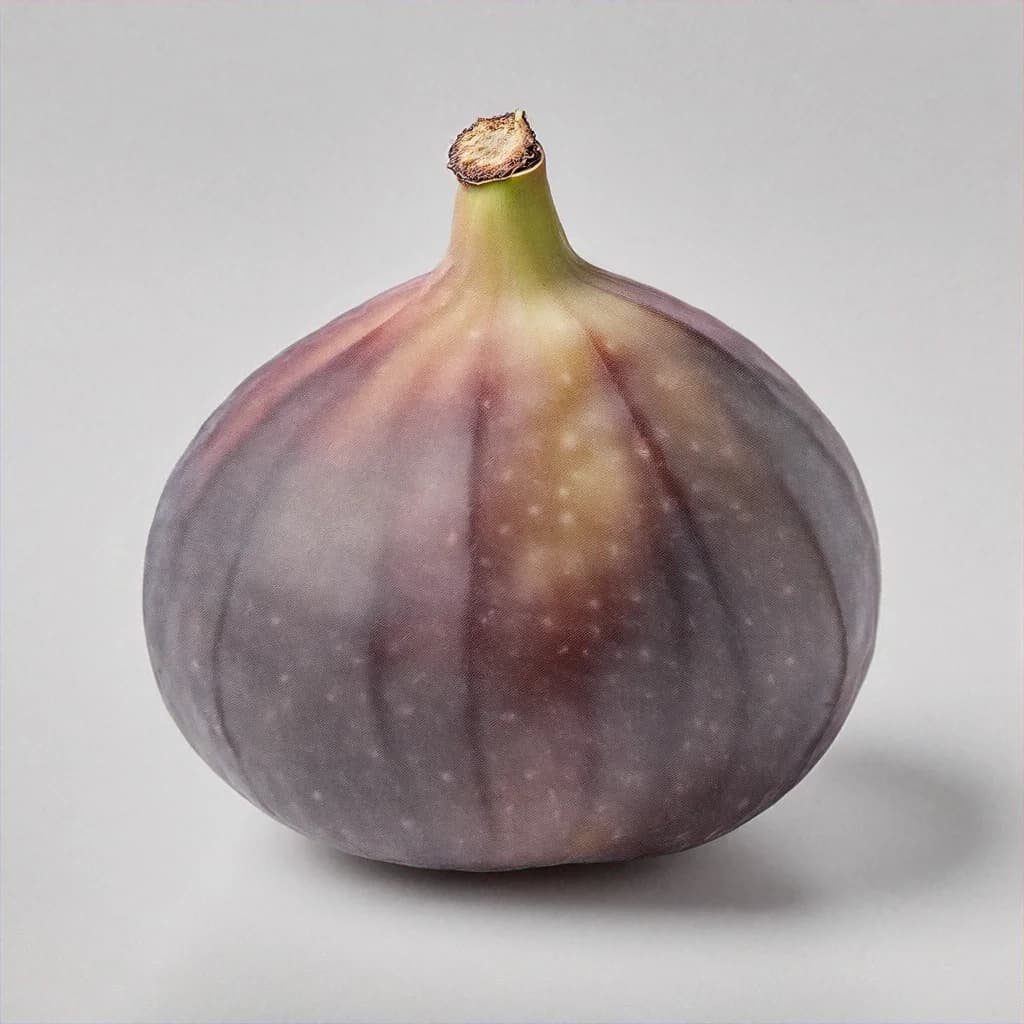
Ugni, scientifically known as Ugni molinae, is a small, evergreen shrub native to the Valdivian forests of Chile and Argentina. This delightful fruit, also known as Chilean guava or murtilla, captivates with its aromatic, sweet-tart flavor and juicy, tender flesh. The Ugni fruit is small, round, and ranges in color from deep purple to dark blue when ripe. Its unique taste, reminiscent of a blend between guava and blueberry, makes it a prized ingredient in various culinary applications. Ugni fruits are not only delicious but also packed with nutrients, offering a rich source of antioxidants, vitamins, and minerals. The Ugni plant itself is an attractive addition to gardens, boasting glossy green leaves and delicate white flowers that precede the fruit. This versatile fruit can be enjoyed fresh, used in desserts, jams, or even infused in beverages for a burst of flavor and health benefits.
Explore Ugni in stunning detail
Ugni - Main View
Per 100g
Per 100g
Nutrition breakdown for one serving
Valdivian forests of Chile and Argentina
Ugni molinae, or murtilla, has been cherished by indigenous cultures in Chile and Argentina for centuries. The Mapuche people used it in traditional medicine and as a food source. European settlers brought it to other parts of the world, where it has gained popularity for its unique flavor and health benefits. Today, Ugni is cultivated in various temperate regions and is celebrated for its gastronomic and medicinal properties.
Year-round in native regions, seasonal in other areas
Each variety offers unique flavors, textures, and culinary applications
Keep your fruit fresh and delicious for longer
Select Ugni fruits that are firm yet slightly yielding to the touch.
Choose fruits with a deep, uniform color, indicating ripeness.
Avoid fruits with visible mold, bruises, or soft spots.
Smell the fruit; a sweet, aromatic scent indicates ripeness.
Opt for organically grown Ugni to minimize pesticide exposure.
Store Ugni fruits in the refrigerator to extend their shelf life.
Place the fruits in a perforated plastic bag to maintain humidity.
Keep Ugni away from ethylene-producing fruits like apples and bananas to prevent premature ripening.
Consume Ugni within a week for the best flavor and nutritional value.
Check fruits regularly for any signs of spoilage.
Preserve freshness for months
Wash and dry Ugni fruits thoroughly before freezing.
Spread the fruits in a single layer on a baking sheet and freeze until solid.
Transfer frozen Ugni to airtight containers or freezer bags.
Label and date the containers for easy identification.
Frozen Ugni can be stored for up to 6 months.
Label frozen items with the date to track freshness. Most fruits maintain quality for 2-3 months when properly frozen. For best results, use airtight containers or freezer bags to prevent freezer burn.
Discover delicious possibilities
Ugni fruit is generally safe for consumption, but individuals with berry allergies should exercise caution.
Choose organically grown Ugni to minimize pesticide exposure.
Surprising trivia you'll love!
Ugni fruit is also known as 'superfruit' due to its high antioxidant content.
The Mapuche people of Chile used Ugni in traditional medicine for its healing properties.
Ugni plants are attractive garden additions, boasting glossy green leaves and delicate white flowers.
Ugni fruit is sometimes called 'the blueberry of the south' due to its similar appearance and taste.
Ugni is used in New Zealand to make a unique type of wine called 'Murtilla wine'.
The fruit's scientific name, Ugni molinae, honors the French botanist Claudio Gay Molina, who first described the plant.
Ugni, also known as Chilean guava or murtilla, is a small, round fruit native to the Valdivian forests of Chile and Argentina. It has a sweet-tart flavor and is rich in antioxidants, vitamins, and minerals.
Ugni fruit can be eaten fresh as a snack, added to fruit salads, used in desserts, made into jams and preserves, or incorporated into smoothies and beverages.
Ugni fruit is rich in antioxidants, vitamins, and minerals. It supports immune function, aids in digestive health, helps manage blood sugar levels, and may have anti-inflammatory and cancer-preventive properties.
Store Ugni fruit in the refrigerator in a perforated plastic bag to maintain humidity. Consume within a week for the best flavor and nutritional value.
Yes, Ugni fruit can be frozen. Wash and dry the fruits, spread them in a single layer on a baking sheet, freeze until solid, then transfer to airtight containers or freezer bags. Frozen Ugni can be stored for up to 6 months.
Ugni fruit has a unique sweet-tart flavor, reminiscent of a blend between guava and blueberry. The taste is aromatic and juicy, making it a delightful addition to various culinary applications.
Sustainability insights
Ugni plants are relatively low-maintenance and can thrive in various temperate climates.
Locally sourced Ugni has a lower carbon footprint compared to imported varieties.
Ugni plants require moderate water, making them suitable for sustainable agriculture.
Supporting local Ugni producers helps reduce transportation emissions and supports the local economy.
We aim to keep this Ugni profile accurate and easy to understand. Nutrition values and % Daily Value figures are based on established reference databases and standard daily value guidance.
Last updated: August 24, 2026
Medical disclaimer
This page is for general educational purposes and does not replace professional medical advice.
Found an issue? Contact us.