Loading Fruit Details...
Please wait while we fetch nutritional information and health benefits
Please wait while we fetch nutritional information and health benefits
Recommended Products
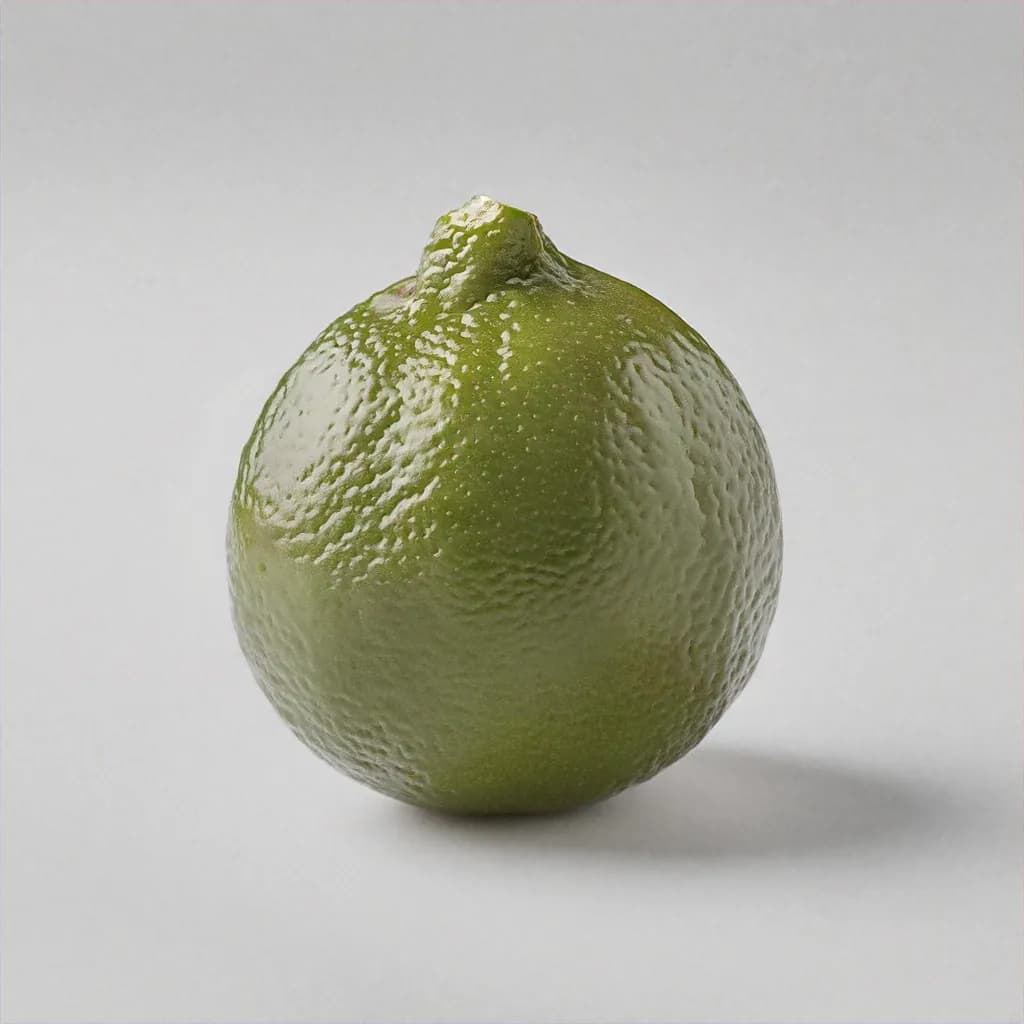
Citrus glauca
Desert lime is a uniquely Australian native citrus superfruit with exceptional vitamin C (52% DV per 100g), distinctive tart-sweet character, and rich Aboriginal heritage spanning thousands of years. Also known as Australian desert lime or native lime, desert lime delivers comprehensive nutritional benefits with remarkable resilience in arid environments. At 42 calories per 100g with 88% water content and potent antioxidant profile, desert lime is prized in contemporary Australian cuisine, indigenous food traditions, and sustainable agriculture applications. Perfect for culinary innovation, premium beverages, gourmet cooking, and comprehensive wellness optimization.
Explore Desert Lime in stunning detail
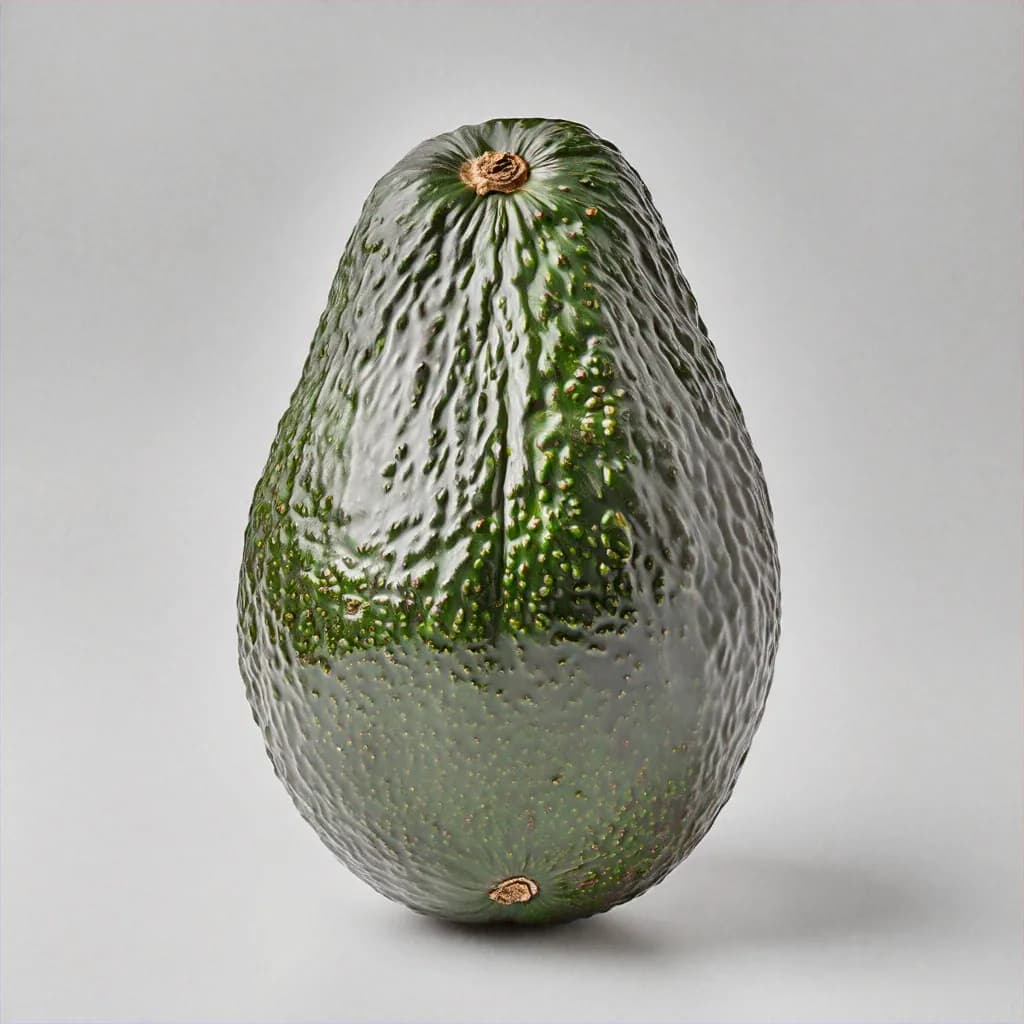
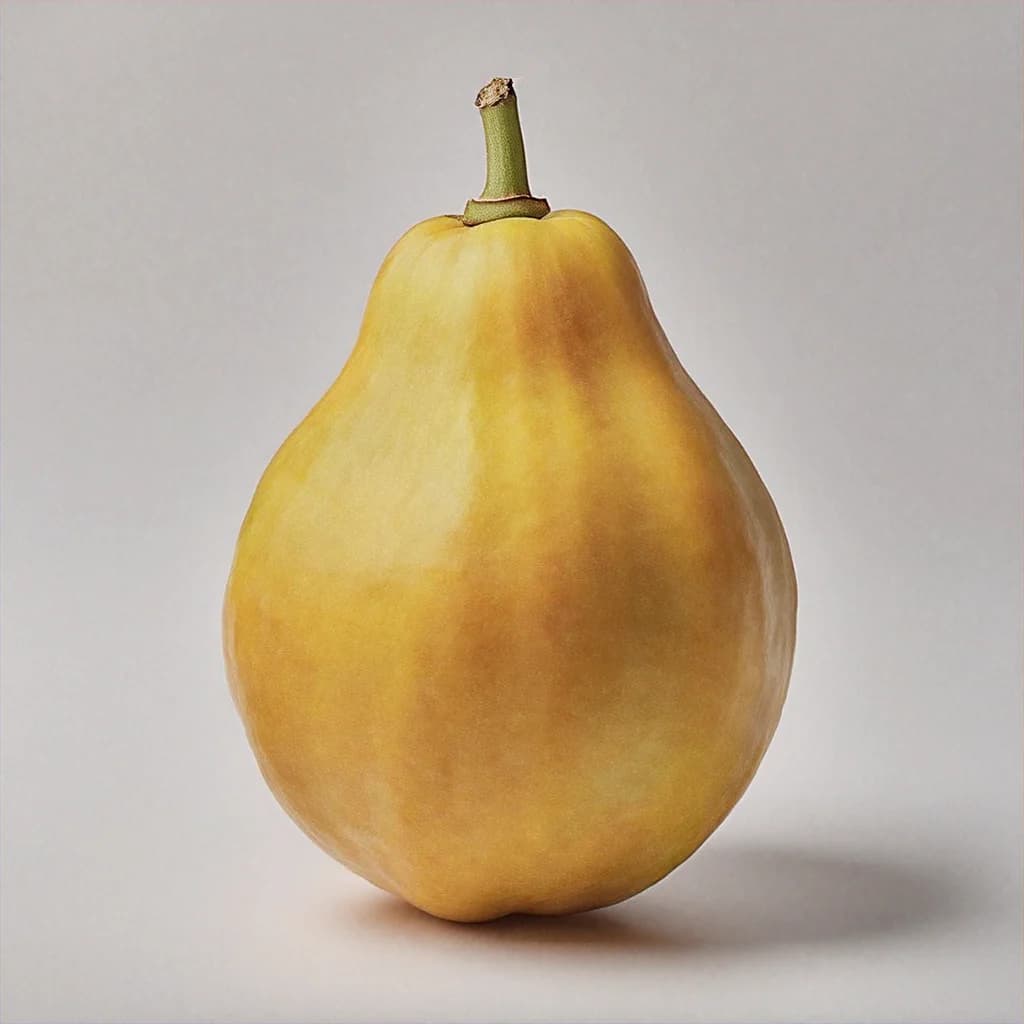
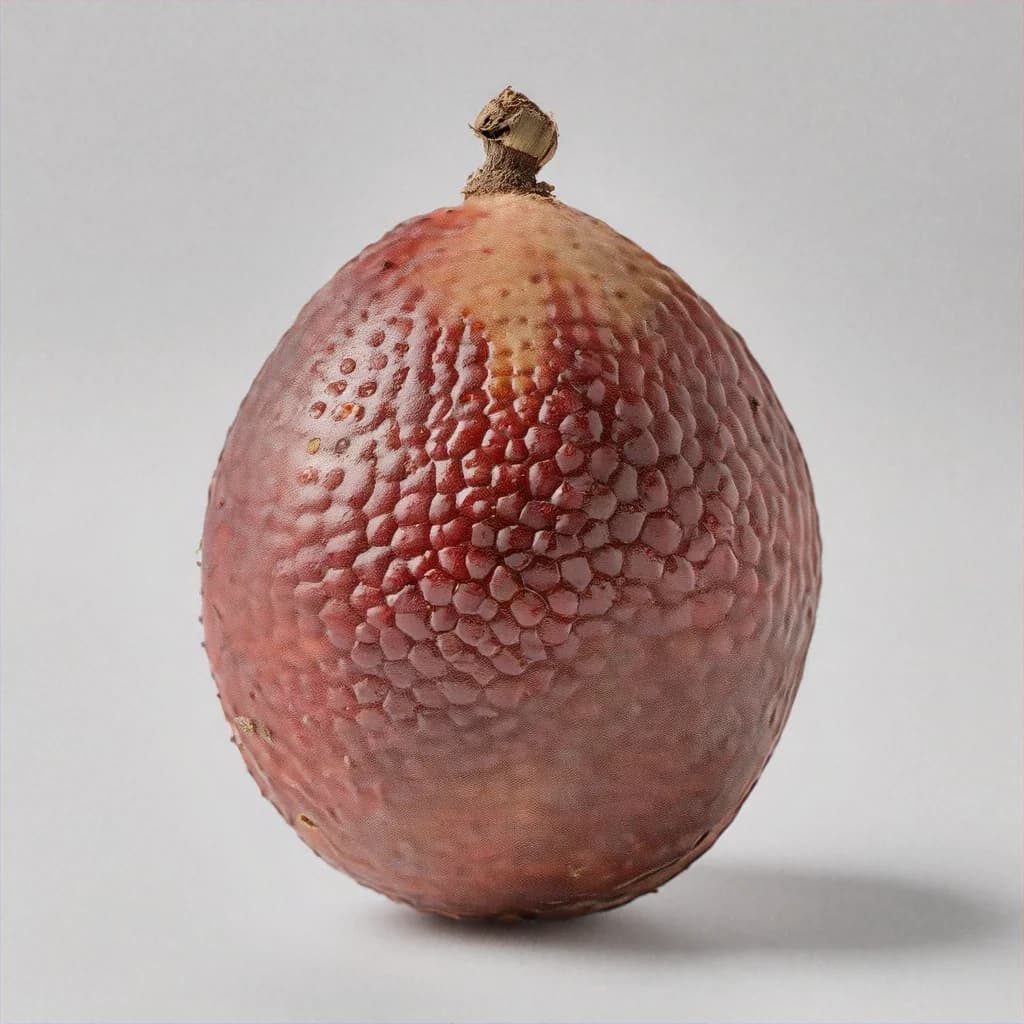
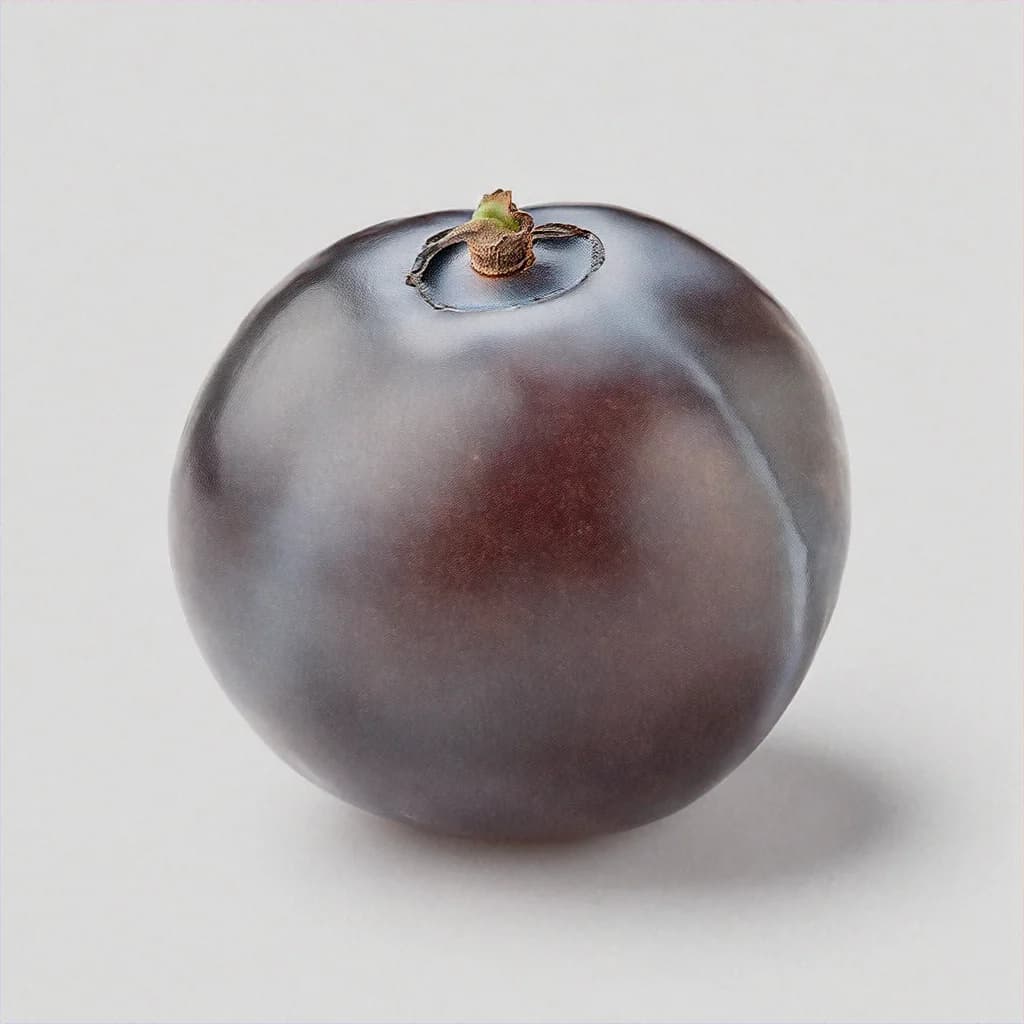
Desert Lime - Main View
Per 100g
Per 100g
Nutrition breakdown for one serving
Australia
Desert lime (Citrus glauca) is a native Australian citrus fruit with ancient Aboriginal heritage spanning thousands of years. Known as native lime or Australian desert lime, desert lime has been fundamental to indigenous Australian food traditions, bush tucker practices, and sustainable land use across arid and semi-arid regions. The fruit's exceptional resilience in harsh desert conditions made it a vital food source in Australian interior. Today, desert lime is experiencing renaissance in contemporary Australian cuisine, gourmet cooking, and sustainable agriculture practices as chefs and producers recognize its unique flavor profile and nutritional excellence.
Peak season August-October
Each variety offers unique flavors, textures, and culinary applications
Keep your fruit fresh and delicious for longer
Select desert lime fruits that are small, round, and firm indicating ripeness
Choose fruits that have transitioned from green to golden-yellow color
Look for thin skin without soft spots, blemishes, or damage
Ripe desert lime should emit distinctive tart citrus aroma
Select fruits that feel slightly heavy indicating good juice content
Avoid fruits that are too soft or show signs of decay
Store desert lime at room temperature for up to 1 week
Refrigerate fruits in produce drawer for up to 3 weeks
Keep in cool location to preserve vitamin C and flavonoids
Avoid storing in plastic bags which can trap excess moisture
Keep away from direct sunlight to maintain nutritional integrity
Store at consistent temperature to optimize shelf life
Preserve freshness for months
Juice desert lime and freeze in ice cube trays for convenient portions
Freeze whole fruit segments in freezer bags for smoothie ingredients
Freeze zest in airtight containers for culinary use
Frozen desert lime juice maintains quality for 4-6 months
Thaw at room temperature or use directly in cooking applications
Frozen zest can be used directly without thawing for cooking
Label frozen items with the date to track freshness. Most fruits maintain quality for 2-3 months when properly frozen. For best results, use airtight containers or freezer bags to prevent freezer burn.
Discover delicious possibilities
Desert lime allergies are rare. Some individuals may have sensitivity to citrus fruits or specific plant families. Citrus sensitivity affects a small percentage of the population.
Desert lime cultivation in Australia traditionally uses minimal to no pesticides. Purchase from Australian native food suppliers and specialty retailers ensuring sustainable, pesticide-free cultivation practices.
Surprising trivia you'll love!
Desert lime (Citrus glauca) is native to Australia and has been used by Aboriginal peoples for thousands of years
Desert lime is one of the few citrus species adapted to arid Australian interior conditions
The fruit is significantly smaller than standard limes, roughly the size of a marble
Desert lime has excellent vitamin C content at 52% DV per 100g, higher than standard limes
The fruit grows wild across Northern Territory and Western Australia in harsh desert conditions
Desert lime requires virtually no irrigation once established, making it exceptionally sustainable
Contemporary Australian chefs are increasingly recognizing desert lime for gourmet culinary applications
The fruit's tartness and distinctive flavor make it ideal for premium beverages and cocktails
Desert lime juice is traditionally used in Aboriginal bush tucker recipes and contemporary Australian cuisine
The fruit's exceptional resilience and nutrient density reflect adaptation to harsh Australian environments over millennia
Desert lime (Citrus glauca) is a native Australian citrus superfruit with excellent vitamin C (52% DV per 100g), distinctive tart flavor, and thousands of years of Aboriginal heritage. Also called native lime or Australian desert lime, desert lime delivers potent flavonoids, polyphenols, and limonoids alongside comprehensive nutritional benefits.
Desert lime delivers excellent vitamin C (52% DV per 100g) for immune support, potent flavonoids and polyphenols for antioxidant protection, folate (6% DV) for metabolism, thiamine (6% DV) for energy, and exceptional fiber (10% DV). At 42 calories per 100g with very low glycemic index (32), desert lime provides excellent nutritional benefits.
Desert lime has distinctive intensely tart flavor with subtle sweetness and complex citrus character. The tartness is more pronounced than standard limes with unique aromatic qualities. Different varieties offer varying tartness levels and flavor nuances. The flavor profile is ideal for culinary applications, beverages, and gourmet cooking.
Desert lime has been used in Aboriginal food traditions and bush tucker practices for thousands of years. Traditional applications include juice extraction, flavor enhancement, medicinal uses for digestive health, and comprehensive wellness support. The fruit's exceptional resilience made it a vital food source in Australian interior regions.
Yes, desert lime is excellent for immune support with excellent vitamin C (52% DV per 100g), comprehensive flavonoid content, potent polyphenols, and limonoids. The antioxidant profile makes desert lime highly effective for robust immune wellness and cellular protection.
Desert lime is ideal for juice extraction, making cordials, glazes, and sauces due to its distinctive tartness. Zest adds authentic Australian character to fine cuisine. Juice is used in beverages, marinades, cocktails, and culinary preparations. The tart flavor complements seafood, barbecued meats, and native Australian ingredients.
Fresh desert lime is increasingly available at Australian farmer's markets, specialty produce retailers, native food suppliers, and online retailers specializing in Australian ingredients. Peak season is August-October. Processed products include desert lime juice, cordial, and marmalade from Australian specialty producers.
Desert lime thrives in arid and semi-arid Australian climates with minimal irrigation needs, making it exceptionally sustainable. The fruit requires no pesticides in traditional cultivation and supports Australian native ecosystems. Growing desert lime promotes sustainable agriculture, supports indigenous communities, and maintains traditional food security.
Sustainability insights
Desert lime cultivation supports Australian native ecosystem preservation and Aboriginal food traditions. Support sustainably harvested desert lime from certified Australian sources honoring traditional harvesting practices and biodiversity.
Locally grown desert lime in Australia has minimal carbon footprint. Prioritize Australian-sourced desert lime to minimize transportation impact while supporting native producers and indigenous communities.
Desert lime cultivation in arid Australian regions utilizes minimal water resources. Once established, desert lime requires no irrigation, making it exceptionally water-efficient and sustainable for harsh climates.
Purchase from Australian producers to support native Australian agriculture, maintain indigenous food traditions, preserve traditional knowledge, and minimize global carbon footprint while supporting local communities.
We aim to keep this Desert Lime profile accurate and easy to understand. Nutrition values and % Daily Value figures are based on established reference databases and standard daily value guidance.
Last updated: September 21, 2026
Medical disclaimer
This page is for general educational purposes and does not replace professional medical advice.
Found an issue? Contact us.