Loading Fruit Details...
Please wait while we fetch nutritional information and health benefits
Please wait while we fetch nutritional information and health benefits
Recommended Products
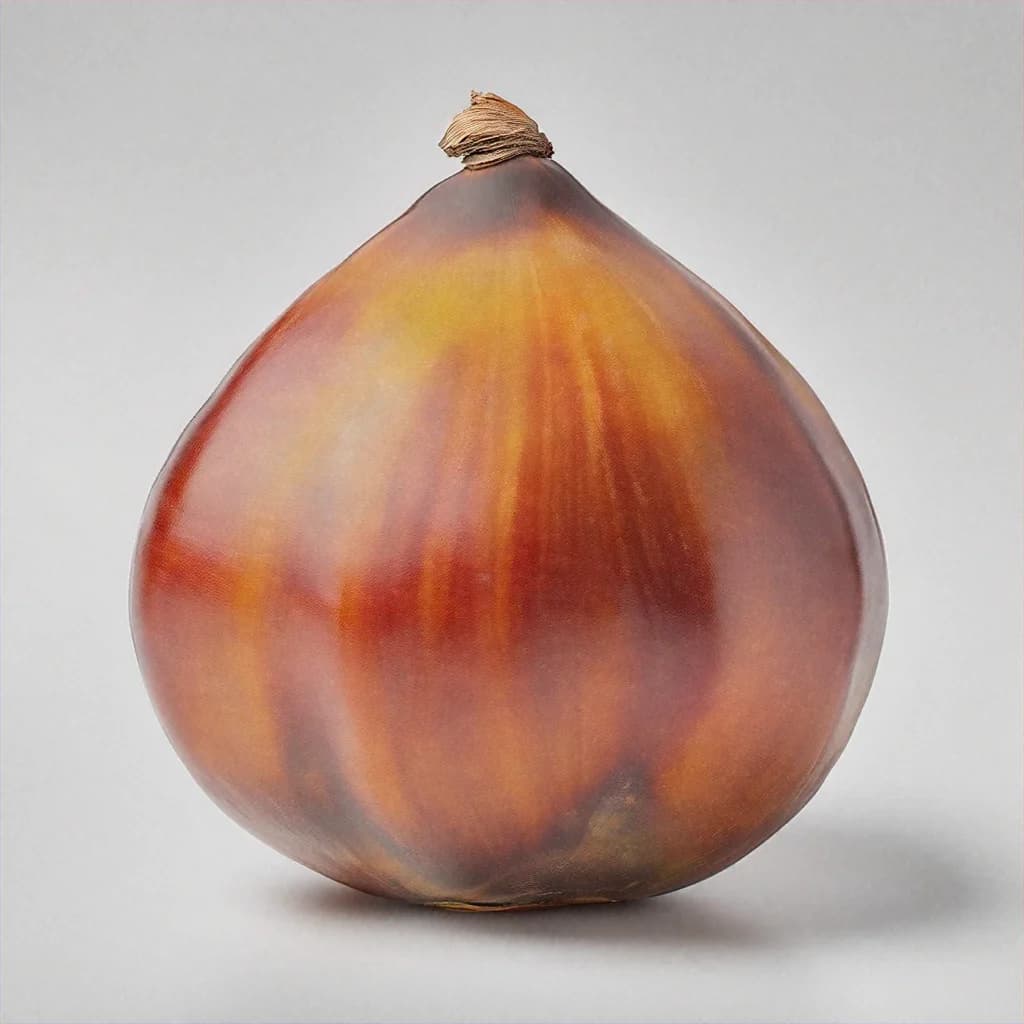
Arenga pinnata
Sugar palm fruit, derived from the Arenga pinnata tree, is a tropical delight known for its sweet, fibrous flesh and versatile culinary applications. Native to Southeast Asia, this fruit is celebrated for its unique flavor profile, which combines a mild sweetness with a slightly tangy undertone. The fruit's texture is firm yet tender, making it ideal for both raw consumption and cooking. Rich in essential vitamins, minerals, and dietary fiber, sugar palm fruit offers numerous health benefits, including improved digestion, enhanced immune function, and sustained energy levels. Its outer husk, while inedible, protects the delicate inner fruit, which can be enjoyed fresh, dried, or processed into sugary syrups and beverages. Whether incorporated into traditional desserts or modern culinary creations, sugar palm fruit is a nutritious and delicious addition to any diet.
Explore Sugar Palm Fruit in stunning detail
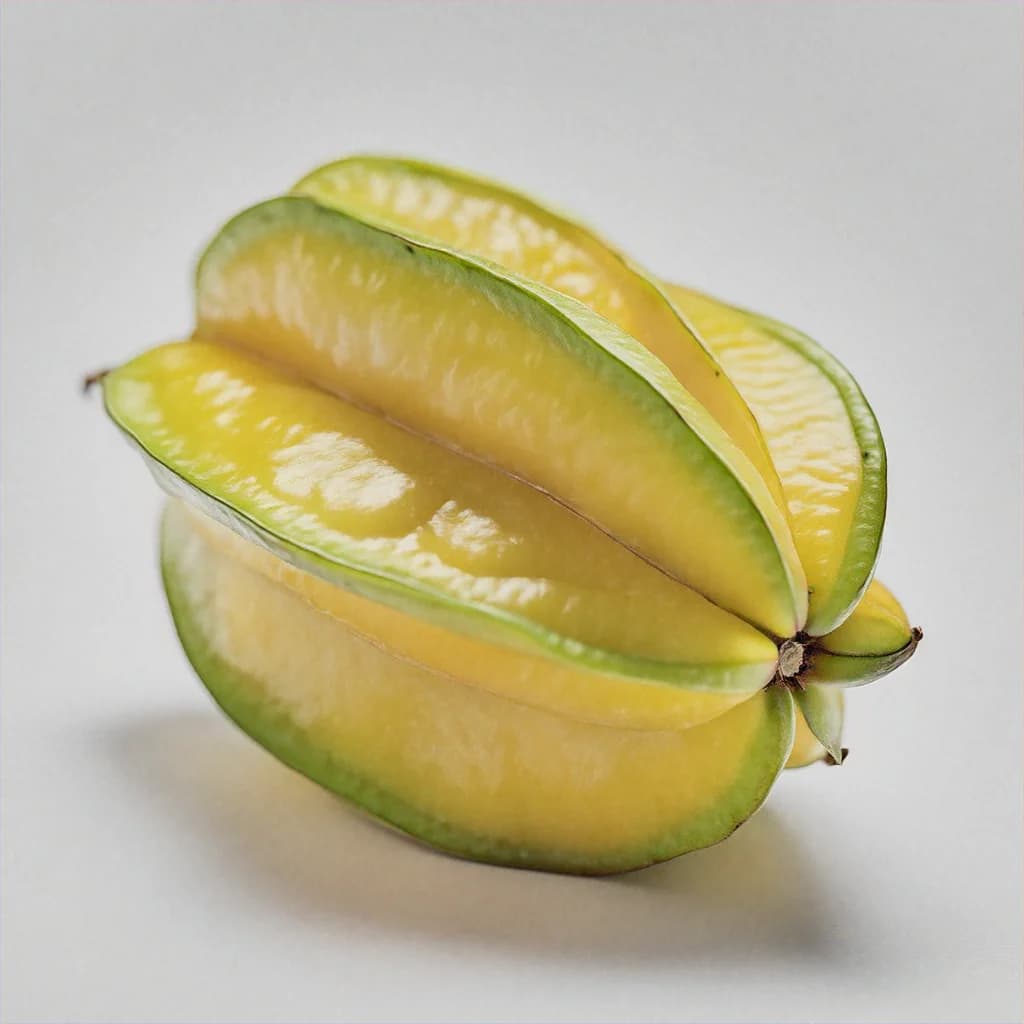
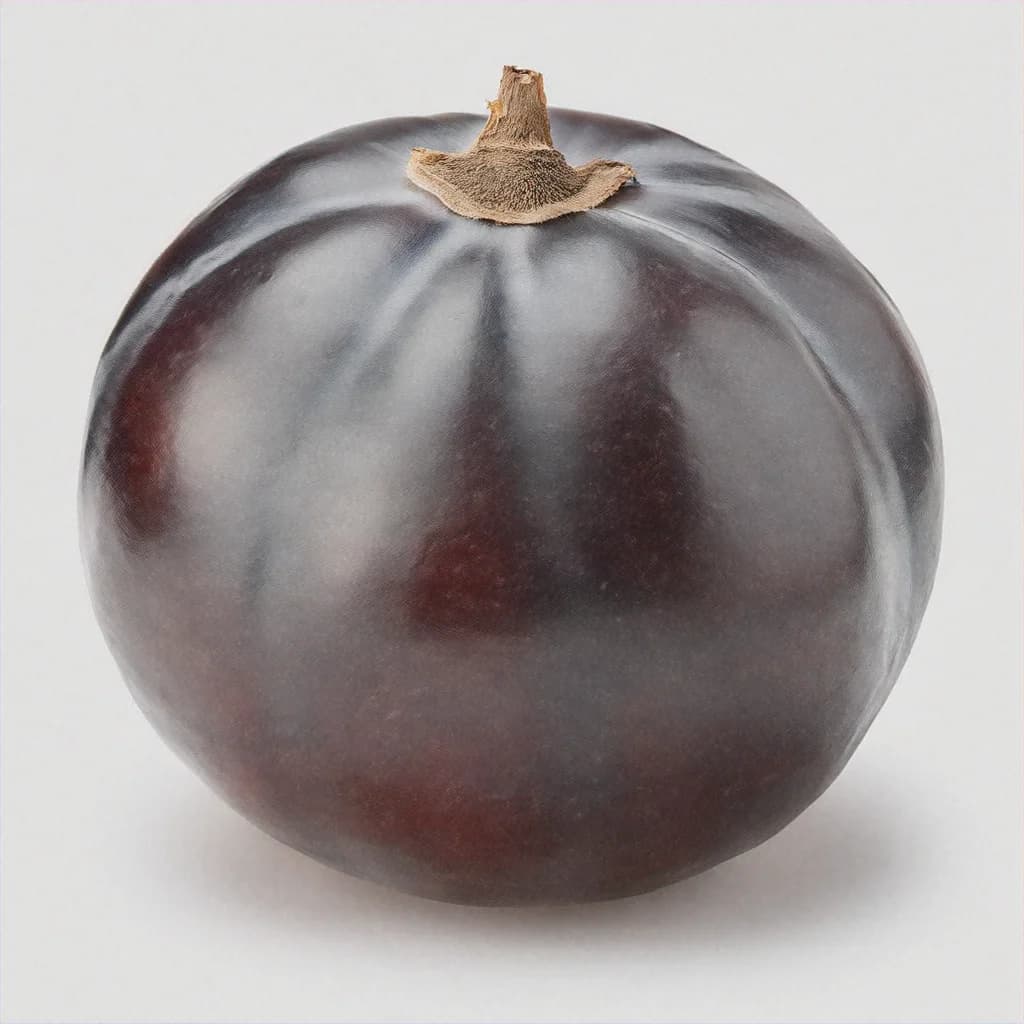
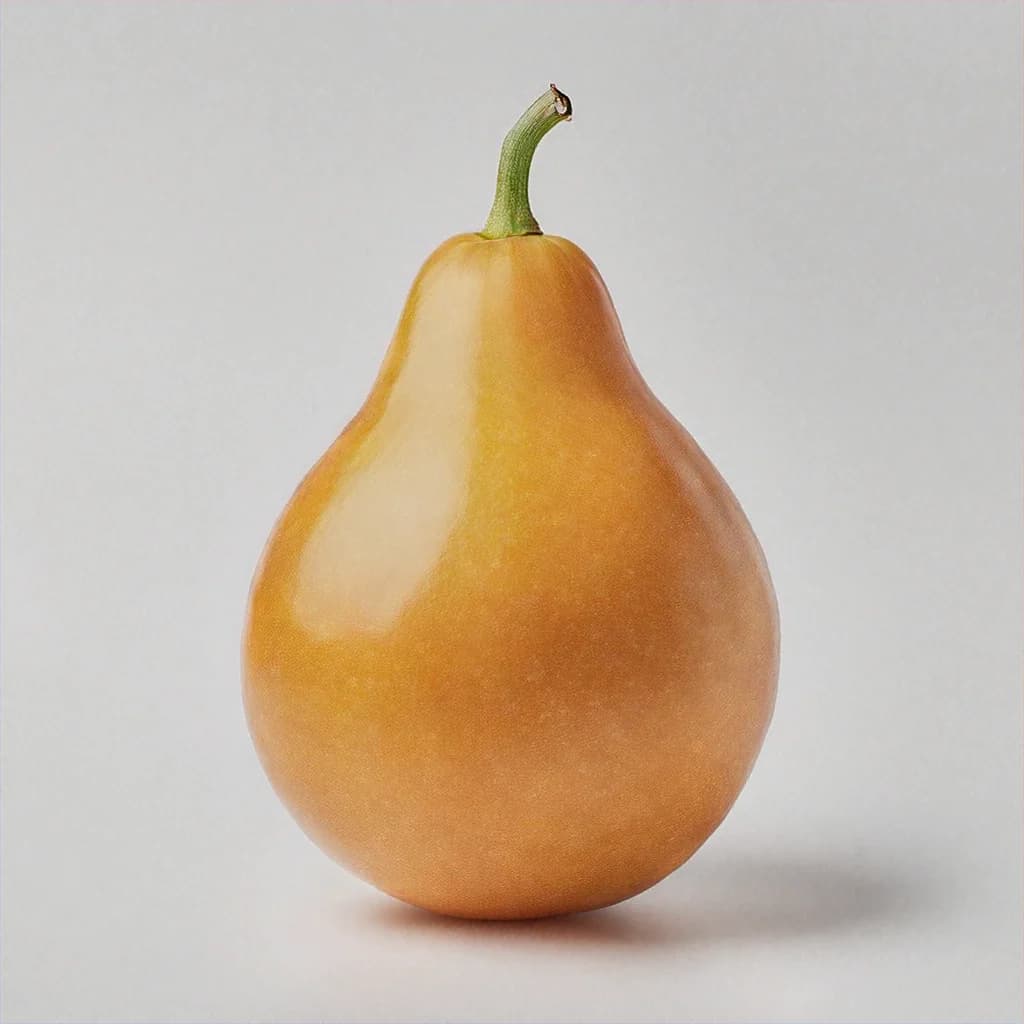
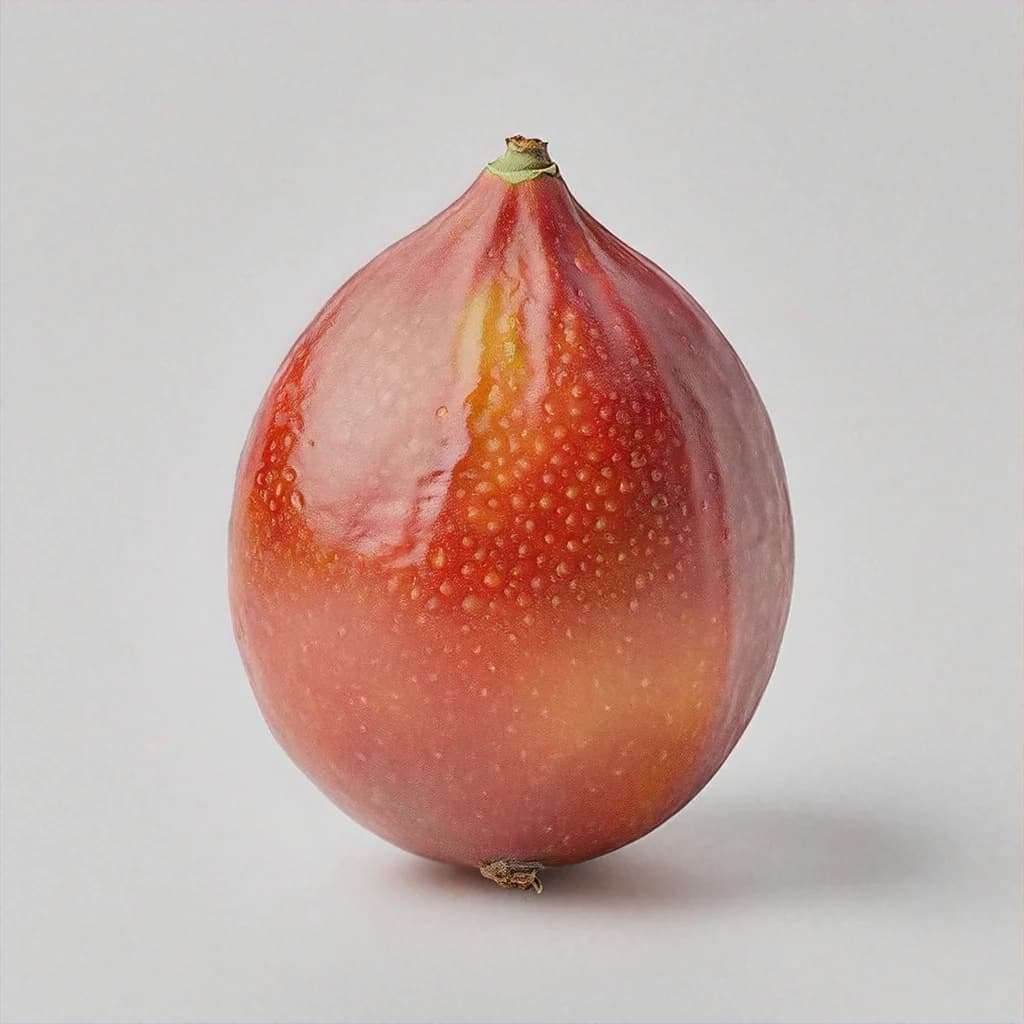
Sugar Palm Fruit - Main View
Per 100g
Per 100g
Nutrition breakdown for one serving
Southeast Asia
Sugar palm fruit has been cultivated for centuries in Southeast Asia, valued for its nutritional content and versatility in traditional cuisines.
Year-round in tropical regions
Each variety offers unique flavors, textures, and culinary applications
Keep your fruit fresh and delicious for longer
Look for firm, unblemished fruits.
Select fruits with a slightly sweet aroma.
Store in a cool, dry place.
Refrigerate if cut or peeled.
Preserve freshness for months
Freeze peeled and sliced fruit in airtight containers.
Use frozen fruit within 3 months.
Label frozen items with the date to track freshness. Most fruits maintain quality for 2-3 months when properly frozen. For best results, use airtight containers or freezer bags to prevent freezer burn.
Discover delicious possibilities
While rare, some individuals may experience allergic reactions to sugar palm fruit.
Generally low, as sugar palm fruit is often grown organically.
Surprising trivia you'll love!
Sugar palm fruit is often referred to as the 'tree of life' in Southeast Asia due to its numerous uses.
The sap from the sugar palm tree is used to make palm wine and sugar.
Sugar palm fruit has a mildly sweet and slightly tangy flavor, with a firm yet tender texture.
A ripe sugar palm fruit will have a slightly sweet aroma and a firm, unblemished outer husk.
Yes, you can freeze peeled and sliced sugar palm fruit in airtight containers for up to 3 months.
Sugar palm fruit can be eaten fresh, used in desserts, jams, syrups, and beverages.
Sugar palm fruit contains about 20g of sugar per 100g, making it moderately sweet.
Yes, sugar palm fruit is rich in fiber, Vitamin C, potassium, and magnesium, offering benefits for digestion, immune function, and overall health.
In some cultures, sugar palm fruit is used in traditional remedies for digestive issues and immune support.
Sustainability insights
Sugar palm fruit is considered a sustainable crop due to its low water usage and minimal environmental impact.
Low, due to minimal processing and local cultivation.
Low, as the tree is drought-resistant.
Locally grown sugar palm fruit is preferable for environmental and economic reasons.
We aim to keep this Sugar Palm Fruit profile accurate and easy to understand. Nutrition values and % Daily Value figures are based on established reference databases and standard daily value guidance.
Last updated: October 5, 2026
Medical disclaimer
This page is for general educational purposes and does not replace professional medical advice.
Found an issue? Contact us.