Loading Fruit Details...
Please wait while we fetch nutritional information and health benefits
Please wait while we fetch nutritional information and health benefits
Recommended Products
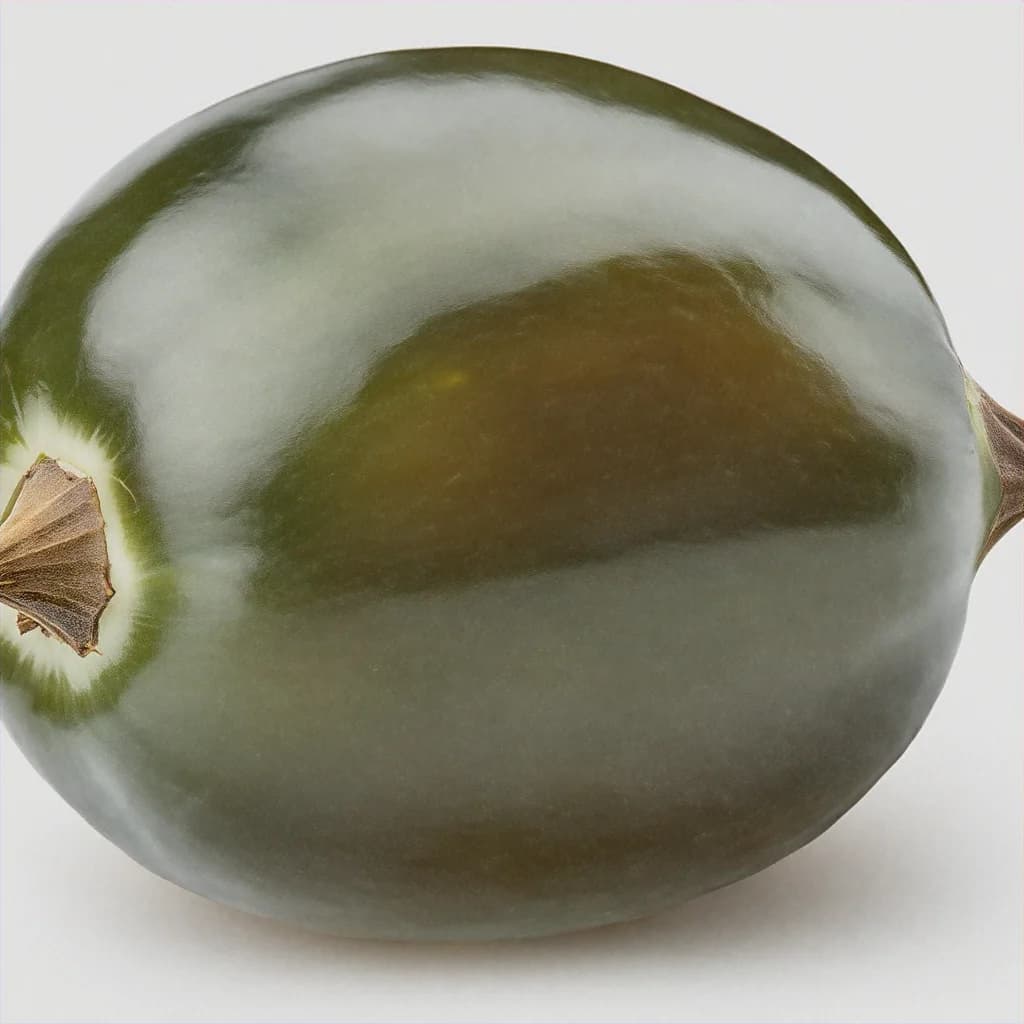
Capparis spinosa
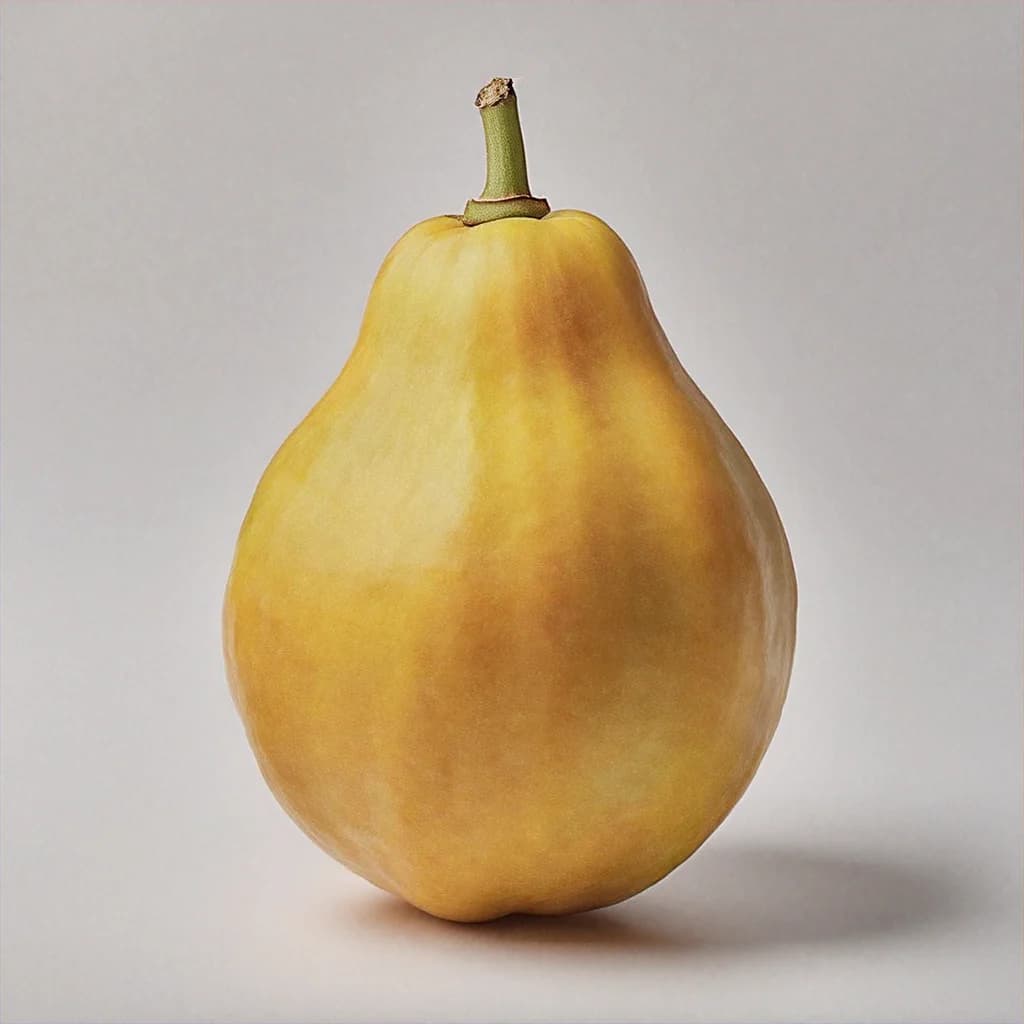
The caper berry is a unique fruit derived from the caper bush (Capparis spinosa), a perennial plant native to the Mediterranean region. Unlike the more commonly known capers, which are the plant's immature flower buds, caper berries are the fully ripened fruit. These berries are oval-shaped, typically 2-3 cm in length, and have a glossy, deep green to reddish-brown color. They possess a tangy, slightly sweet flavor with a hint of mustardy undertones, making them a popular ingredient in Mediterranean and Middle Eastern cuisines. Rich in antioxidants, vitamins, and minerals like vitamin C and potassium, caper berries are not only a culinary delight but also offer significant health benefits, including anti-inflammatory properties and support for cardiovascular health.
Explore Caper Berry in stunning detail
Caper Berry - Main View
Per 100g
Per 100g
Nutrition breakdown for one serving
Mediterranean region
Caper berries have been cultivated in the Mediterranean region for thousands of years, with their use dating back to ancient civilizations like Greece and Rome. They were valued for both their culinary and medicinal properties.
Spring to early summer
Each variety offers unique flavors, textures, and culinary applications
Keep your fruit fresh and delicious for longer
Look for firm, unblemished caper berries with a glossy appearance.
Avoid berries that are shriveled, moldy, or have a dull color.
Store fresh caper berries in a sealed container in the refrigerator.
Pickled caper berries can be stored in their brine solution in a cool, dark place.
Preserve freshness for months
Caper berries are not typically frozen, as their texture and flavor may degrade.
Pickled caper berries can be stored in the refrigerator for extended periods.
Label frozen items with the date to track freshness. Most fruits maintain quality for 2-3 months when properly frozen. For best results, use airtight containers or freezer bags to prevent freezer burn.
Discover delicious possibilities
Caper berries may cause allergic reactions in individuals sensitive to capers or related plants. Symptoms can include itching, swelling, and digestive issues.
Caper berries are generally low in pesticide residues, but it is always best to choose organic or locally grown varieties when possible.
Surprising trivia you'll love!
Caper berries have been used in traditional medicine for centuries to treat various ailments, including rheumatism and inflammation.
In ancient Rome, caper berries were considered an aphrodisiac and were often served at banquets.
Capers are the immature flower buds of the caper bush, while caper berries are the fully ripened fruit. Caper berries are larger, have a milder flavor, and are often pickled.
Fresh caper berries should be firm, glossy, and free of blemishes. Avoid berries that are shriveled or moldy.
Caper berries are not typically frozen, as their texture and flavor may degrade. Pickled caper berries can be stored in the refrigerator for extended periods.
Caper berries are commonly pickled and used as a garnish for salads, charcuterie boards, and cocktails. They can also be chopped and added to sauces, dressings, and dips.
Caper berries are rich in antioxidants, vitamin C, fiber, and potassium. They support immune function, digestion, and cardiovascular health.
Caper berries are generally safe, but individuals with known allergies to capers or related plants should avoid them. Consult a healthcare provider if you have concerns.
Yes, caper bushes can be grown in warm, sunny climates with well-drained soil. They are drought-tolerant and thrive in Mediterranean-like conditions.
Sustainability insights
Caper bushes are drought-tolerant and require minimal water, making them a sustainable crop in arid regions.
Low, as caper bushes are typically grown in their native Mediterranean climate with minimal intervention.
Low, as caper bushes are adapted to dry conditions and require little irrigation.
Locally grown caper berries are more sustainable due to reduced transportation emissions. However, imported varieties from Mediterranean countries are also common.
We aim to keep this Caper Berry profile accurate and easy to understand. Nutrition values and % Daily Value figures are based on established reference databases and standard daily value guidance.
Last updated: October 6, 2026
Medical disclaimer
This page is for general educational purposes and does not replace professional medical advice.
Found an issue? Contact us.