Loading Fruit Details...
Please wait while we fetch nutritional information and health benefits
Please wait while we fetch nutritional information and health benefits
Recommended Products
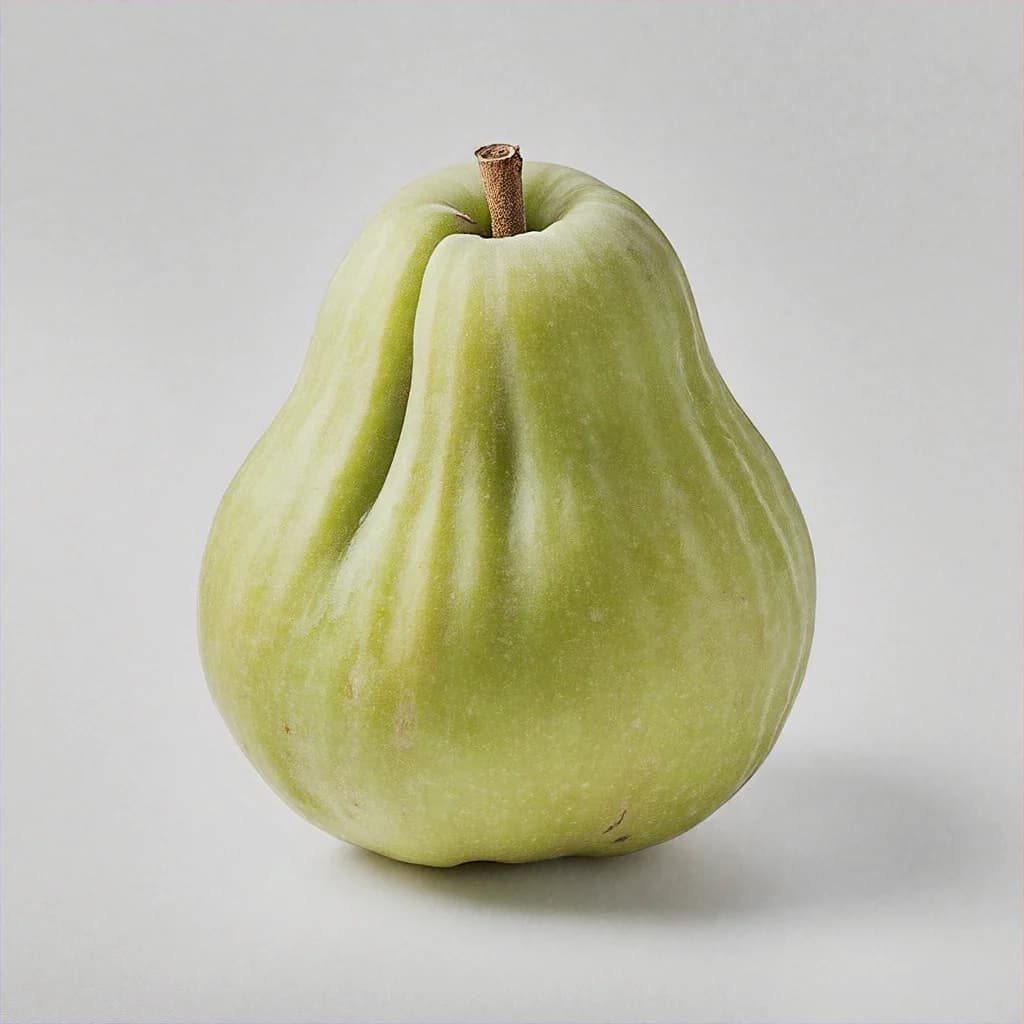
Dillenia indica
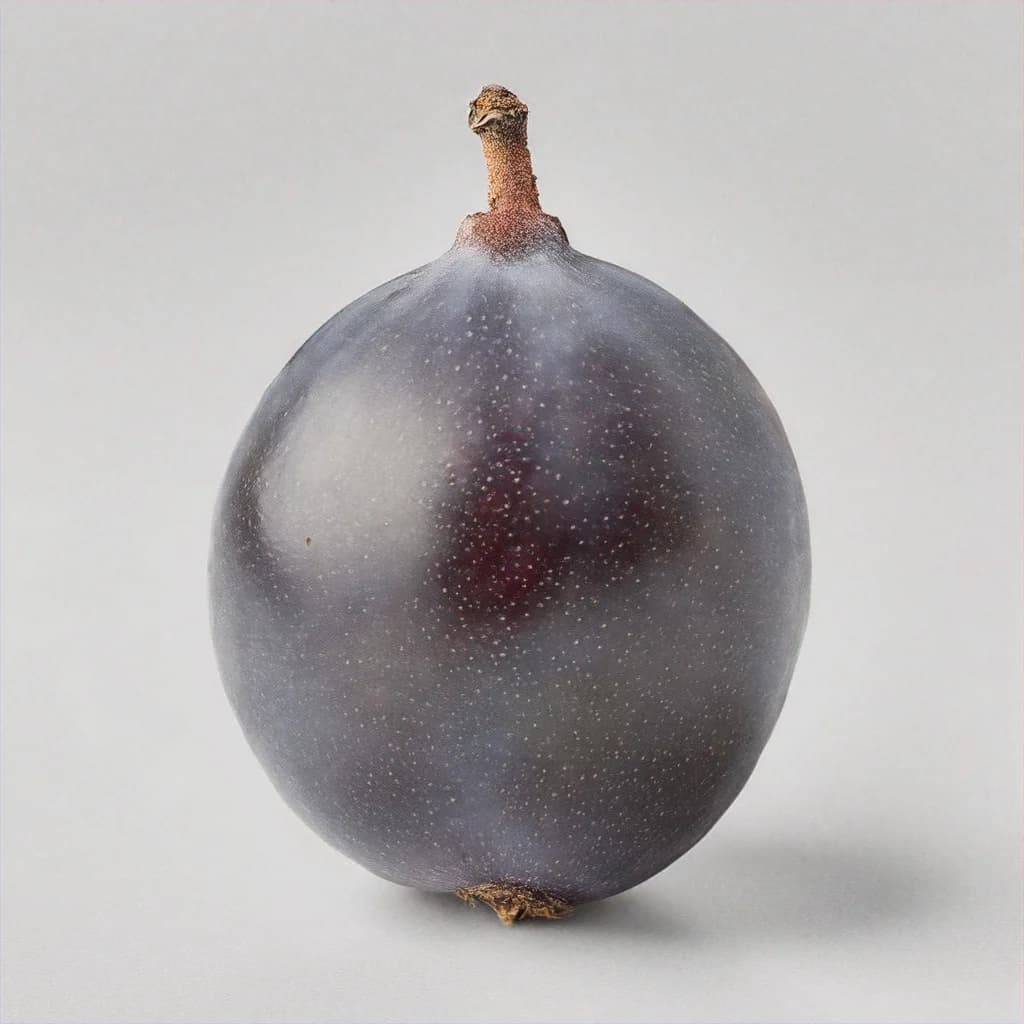
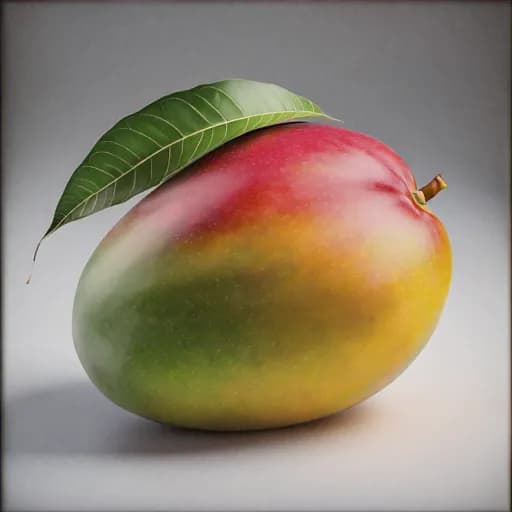
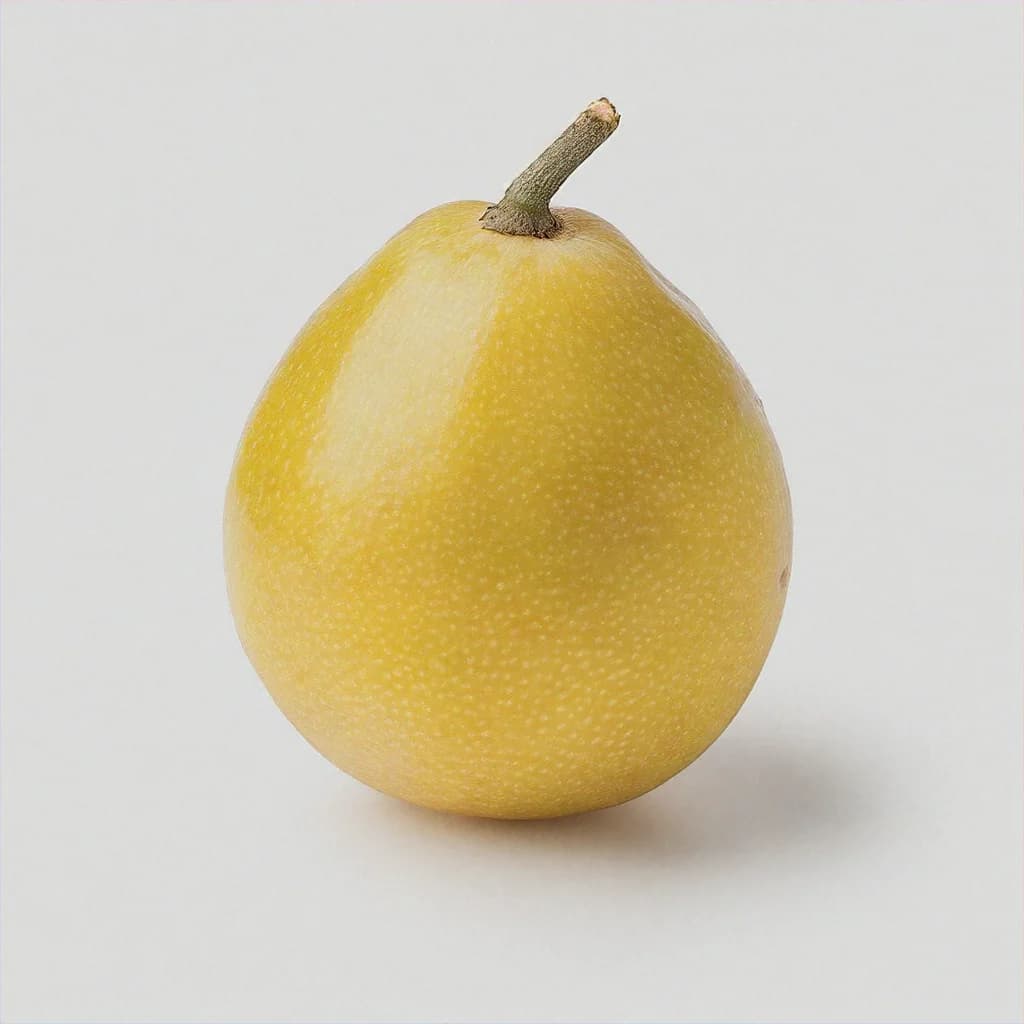
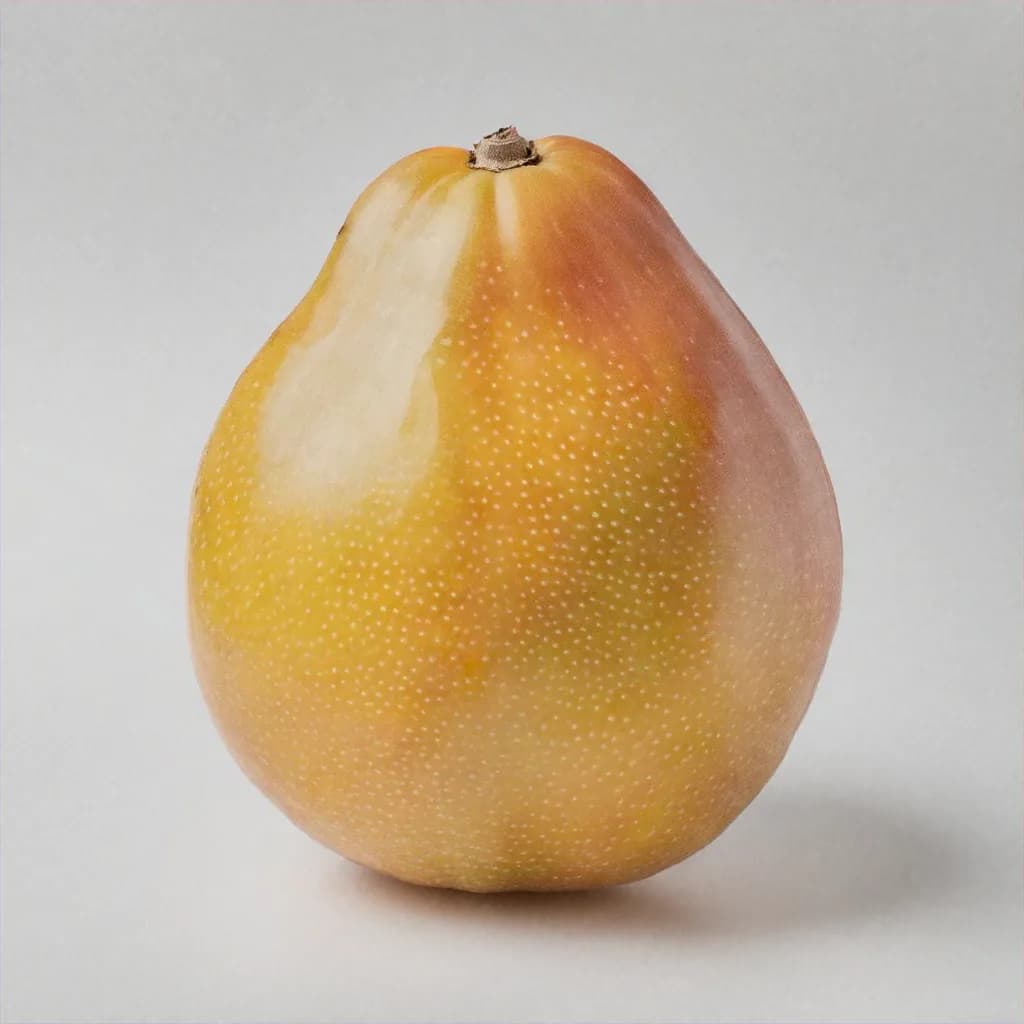
The Elephant Apple, scientifically known as Dillenia indica, is a unique and intriguing tropical fruit native to Southeast Asia. Its name is derived from its large size and the fact that elephants are known to enjoy consuming it. The fruit has a tough, leathery outer skin, which encases a pulpy, fibrous flesh filled with small, edible seeds. While the outer rind is not typically consumed, the sweet-tart flesh is often used in culinary preparations, particularly in jams, jellies, and chutneys. Rich in antioxidants and vitamins, the Elephant Apple offers a blend of tangy and sweet flavors, making it a versatile ingredient in both sweet and savory dishes. Its nutritional profile, combined with its cultural significance, makes it a prized fruit in traditional medicine and culinary traditions.
Explore Elephant Apple in stunning detail
Elephant Apple - Main View
Per 100g
Per 100g
Nutrition breakdown for one serving
Southeast Asia
The Elephant Apple has been cultivated for centuries in Southeast Asia, where it holds cultural and medicinal significance. It is often used in traditional Ayurvedic medicine and is revered for its unique taste and nutritional benefits.
Late summer to early autumn
Each variety offers unique flavors, textures, and culinary applications
Keep your fruit fresh and delicious for longer
Select fruits with firm, unblemished skin.
Avoid overly soft or cracked fruits.
Store in a cool, dry place away from direct sunlight.
Refrigerate to extend shelf life.
Preserve freshness for months
Freeze the pulp for up to 3 months.
Thaw before using in recipes.
Label frozen items with the date to track freshness. Most fruits maintain quality for 2-3 months when properly frozen. For best results, use airtight containers or freezer bags to prevent freezer burn.
Discover delicious possibilities
Some individuals may be allergic to Elephant Apples. Symptoms can include itching, swelling, or digestive discomfort.
Always wash the fruit thoroughly to remove any residual pesticides.
Surprising trivia you'll love!
Elephant Apples are named for their large size and popularity among elephants.
In traditional medicine, the fruit is used to treat coughs and respiratory issues.
Elephant Apple has a tangy, slightly sweet flavor with a fibrous texture.
Ripe Elephant Apples have a firm, unblemished skin and a slight give when pressed.
Store in a cool, dry place or refrigerate to extend shelf life.
Yes, they are commonly used in jams, chutneys, and curries.
They are rich in antioxidants, fiber, and Vitamin C.
Some individuals may be allergic to the fruit. Always consult a healthcare provider if you experience adverse reactions.
Yes, the pulp can be frozen for up to 3 months.
Sustainability insights
Elephant Apples are typically grown sustainably in their native regions.
Low, as they are often sourced locally in Southeast Asia.
Moderate, as they are adapted to tropical climates with regular rainfall.
Locally sourced Elephant Apples are more environmentally friendly than imported varieties.
We aim to keep this Elephant Apple profile accurate and easy to understand. Nutrition values and % Daily Value figures are based on established reference databases and standard daily value guidance.
Last updated: October 2, 2026
Medical disclaimer
This page is for general educational purposes and does not replace professional medical advice.
Found an issue? Contact us.