Loading Fruit Details...
Please wait while we fetch nutritional information and health benefits
Please wait while we fetch nutritional information and health benefits
Recommended Products
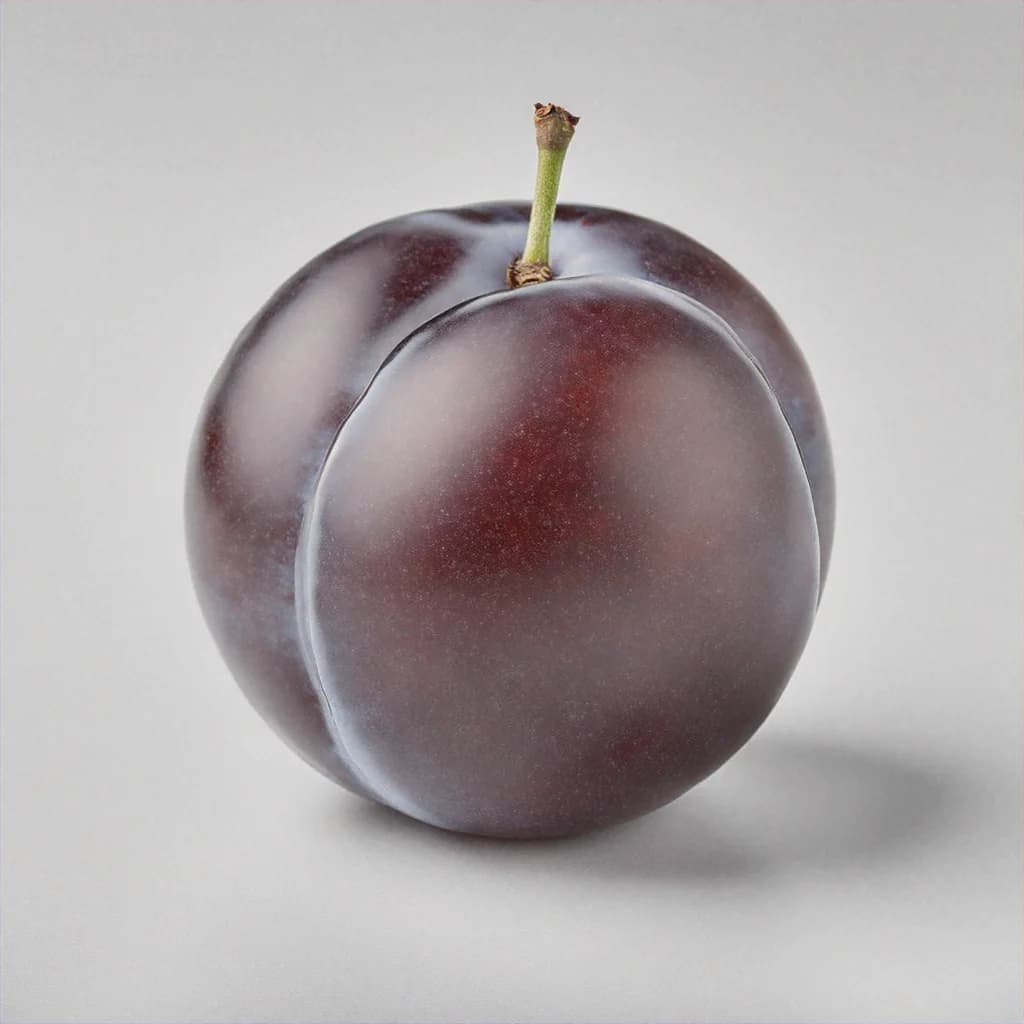
Ximenia caffra
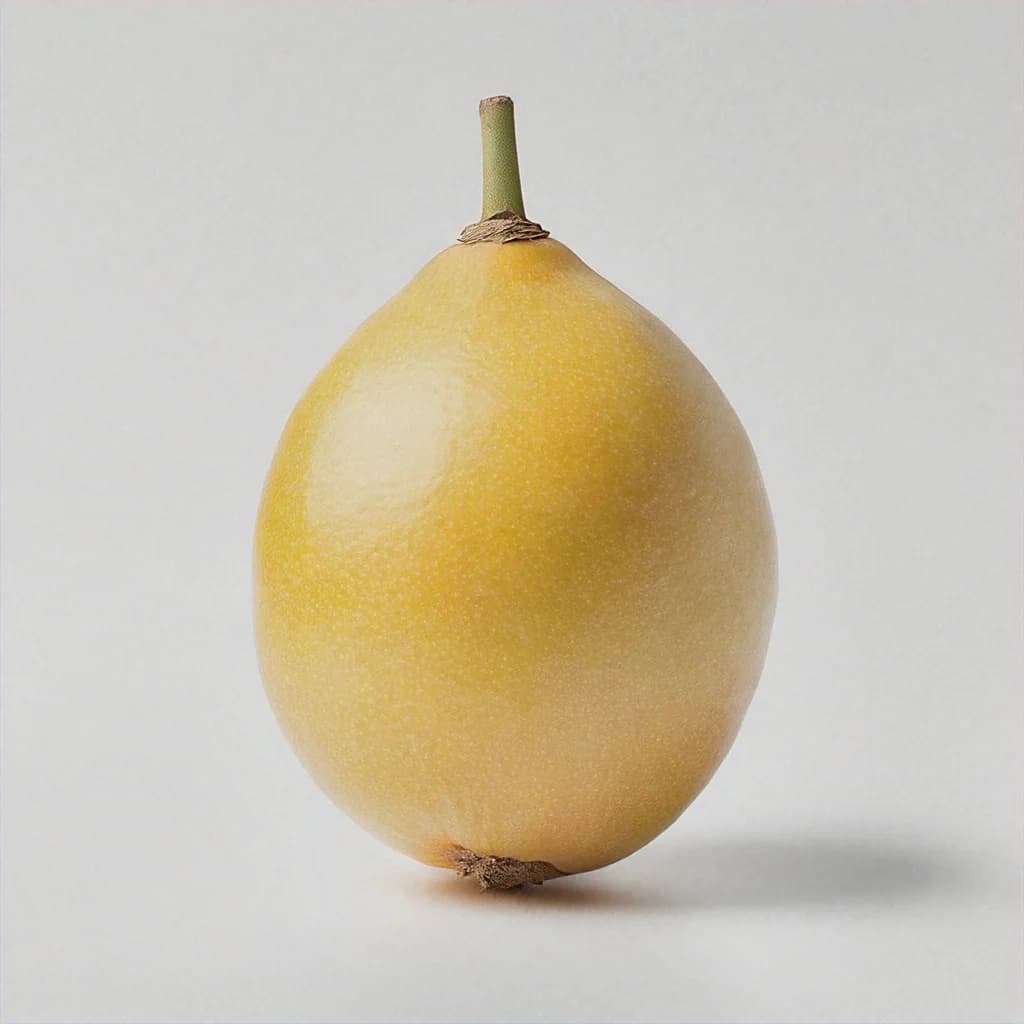
The Sour Plum, scientifically known as Ximenia caffra, is a unique and tart fruit native to sub-Saharan Africa. This small, round fruit boasts a vibrant yellow to orange hue when ripe and is known for its distinctively sour taste, which is often described as a blend of citrus and green apple notes. Rich in antioxidants, vitamins, and minerals, the Sour Plum is not only a culinary delight but also offers significant health benefits. Its edible skin and juicy pulp make it a versatile ingredient in both sweet and savory dishes, while its seeds are traditionally used for their medicinal properties. Whether enjoyed fresh, dried, or in jams and beverages, the Sour Plum is a nutritional powerhouse that adds a tangy twist to any meal.
Explore Sour Plum in stunning detail
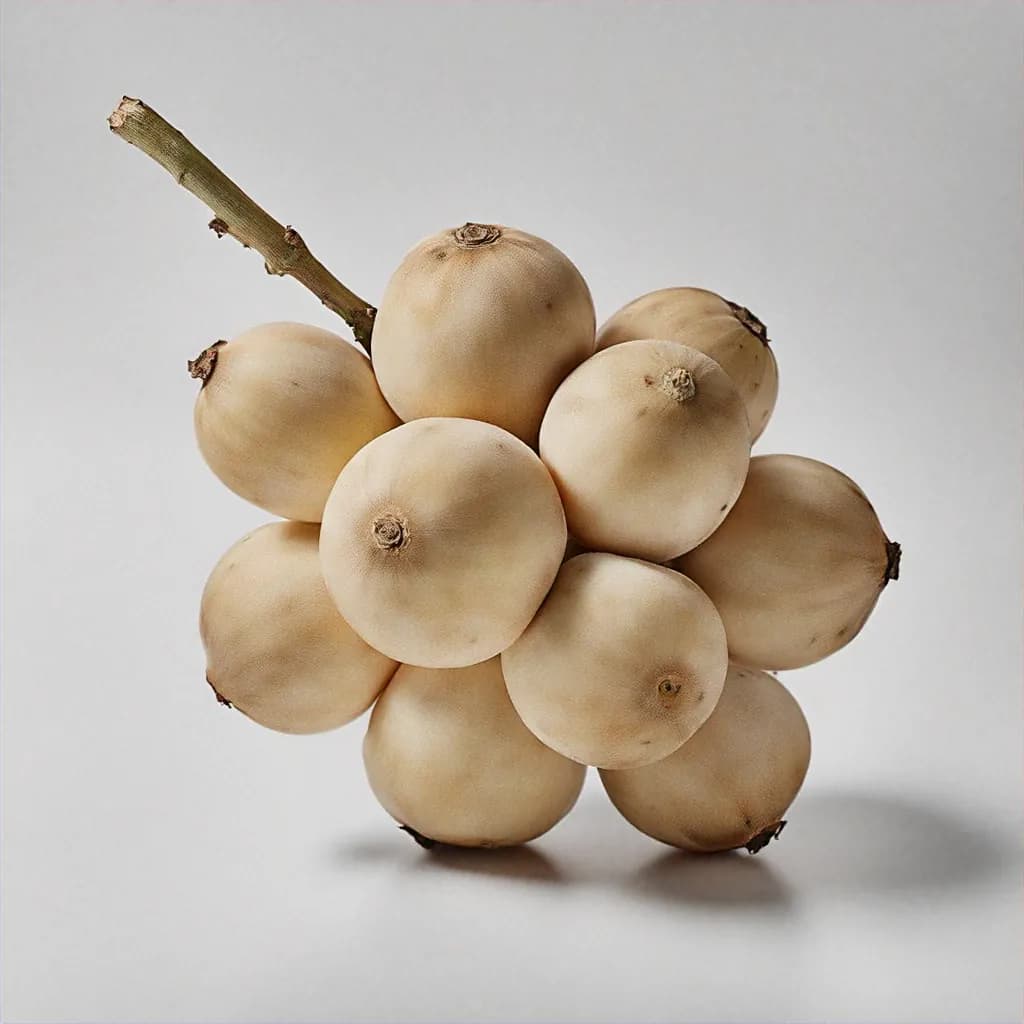
Sour Plum - Main View
Per 100g
Per 100g
Nutrition breakdown for one serving
Sub-Saharan Africa
The Sour Plum has been a staple in African traditional medicine and cuisine for centuries. Its tart flavor and nutritional value have made it a popular ingredient in local dishes and remedies.
Late summer to early autumn
Each variety offers unique flavors, textures, and culinary applications
Keep your fruit fresh and delicious for longer
Look for plums with a vibrant yellow to orange hue, free of blemishes.
Select firm fruits with a slight give when gently pressed.
Store Sour Plums in a cool, dry place for up to 5 days.
Refrigerate for extended freshness, lasting up to 2 weeks.
Preserve freshness for months
Freeze whole or sliced Sour Plums in an airtight container for up to 6 months.
Thaw and use in smoothies, jams, or baked goods.
Label frozen items with the date to track freshness. Most fruits maintain quality for 2-3 months when properly frozen. For best results, use airtight containers or freezer bags to prevent freezer burn.
Discover delicious possibilities
Sour Plums are generally considered hypoallergenic, but individuals with oral allergy syndrome may experience mild reactions.
Minimal, as Sour Plums are often grown organically in their native regions.
Surprising trivia you'll love!
The Sour Plum is often referred to as the 'monkey plum' due to its popularity among primates in its native habitats.
Traditional African medicine uses Sour Plum seeds to treat skin conditions and digestive issues.
The Sour Plum has a distinctively tart flavor, similar to a blend of citrus and green apples, with a hint of sweetness in ripe fruits.
A ripe Sour Plum will have a vibrant yellow to orange color and a slight give when gently pressed.
Yes, Sour Plums can be frozen whole or sliced in an airtight container for up to 6 months.
Sour Plums are commonly used in jams, jellies, sauces, and marinades, as well as in desserts like tarts and crumbles.
Sour Plums contain moderate amounts of natural sugars, with about 10.5g per 100g, and have a low glycemic index of 35.
Yes, Sour Plums are rich in vitamin C, antioxidants, and fiber, which support immune function, digestive health, and overall well-being.
Yes, Sour Plums can be used to make juices, teas, and smoothies, adding a refreshing tartness to drinks.
Sustainability insights
Sour Plums are typically grown sustainably in their native regions, with minimal environmental impact.
Low, as they are often locally sourced and minimally processed.
Moderate, as Sour Plums are drought-tolerant and require less water than many other fruits.
Local Sour Plums are more sustainable and fresher than imported varieties.
We aim to keep this Sour Plum profile accurate and easy to understand. Nutrition values and % Daily Value figures are based on established reference databases and standard daily value guidance.
Last updated: October 5, 2026
Medical disclaimer
This page is for general educational purposes and does not replace professional medical advice.
Found an issue? Contact us.