Loading Fruit Details...
Please wait while we fetch nutritional information and health benefits
Please wait while we fetch nutritional information and health benefits
Recommended Products
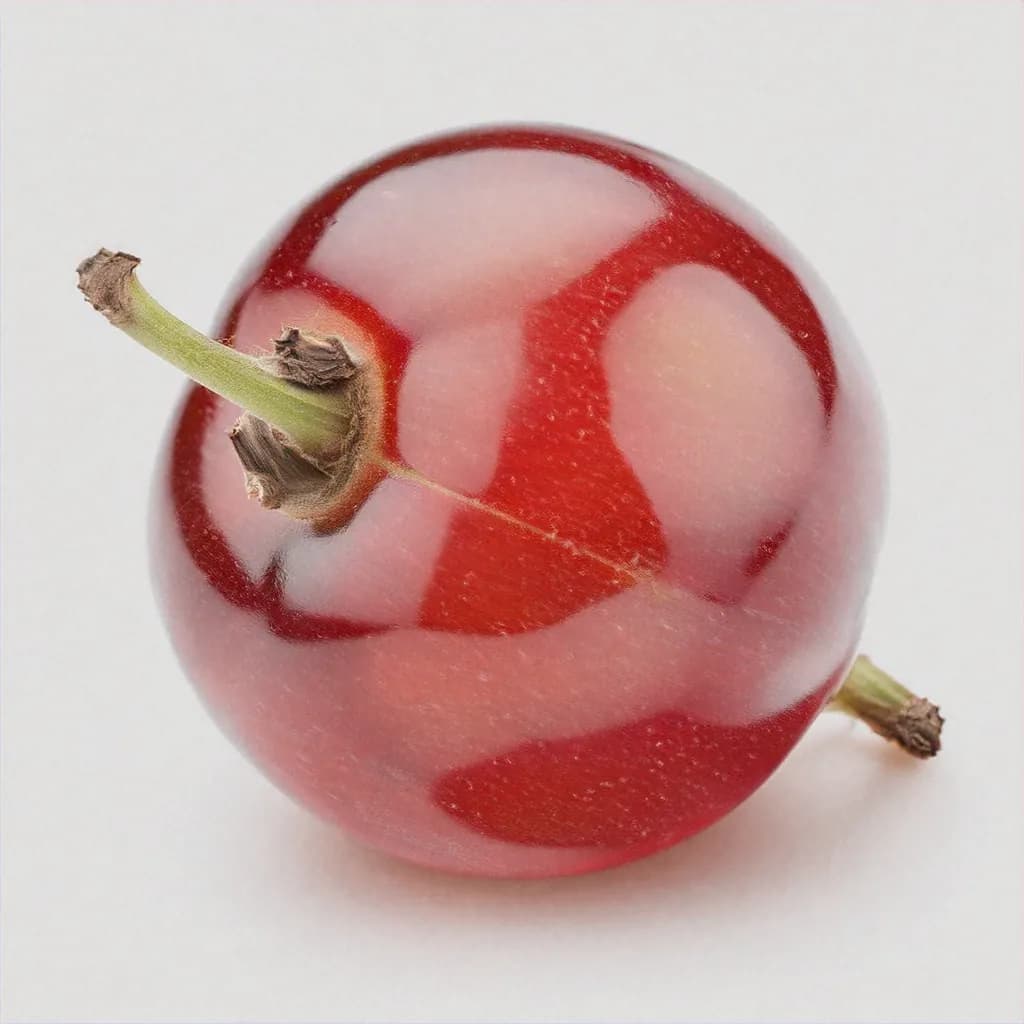
Ribes rubrum
Red currant is a vibrant, tangy berry renowned for its exceptional vitamin C content, high antioxidant capacity, and digestive-supporting fiber. Characterized by its bright red translucent berries and refreshing tart flavor, red currant delivers powerful immune support, cardiovascular protection, and skin health benefits. Providing approximately 41 mg of vitamin C (46% DV per 100g), abundant polyphenols, and excellent dietary fiber (16% DV), red currants are widely valued in nutrition science, traditional European diets, and modern wellness applications. With low calorie density and low glycemic load, red currants are ideal for antioxidant-rich diets, summer nutrition, and functional culinary uses.
Explore Red Currant in stunning detail
Red Currant - Main View
Per 100g
Per 100g
Nutrition breakdown for one serving
Europe and Western Asia
Red currants (Ribes rubrum) have been cultivated in Europe for centuries and were historically used in traditional medicine for digestive health, fever reduction, and immune support. Widely grown in Northern and Central Europe, red currants became staples in preserves, sauces, and desserts due to their high acidity, natural pectin content, and nutritional density.
Late June–August
Each variety offers unique flavors, textures, and culinary applications
Keep your fruit fresh and delicious for longer
Choose bright red, firm berries in intact clusters
Avoid shriveled, leaking, or moldy fruits
Look for glossy skins and fresh aroma
Select evenly colored berries
Refrigerate immediately after purchase
Store unwashed in breathable container
Wash gently just before use
Use within a few days for best quality
Preserve freshness for months
Freeze berries in single layer before storage
Frozen red currants last up to 6 months
Ideal for baking, sauces, and smoothies
No thawing needed for cooking
Label frozen items with the date to track freshness. Most fruits maintain quality for 2-3 months when properly frozen. For best results, use airtight containers or freezer bags to prevent freezer burn.
Discover delicious possibilities
Red currant allergies are rare.
Wash thoroughly before consumption or choose organic when possible.
Surprising trivia you'll love!
Red currants are naturally high in pectin
Used traditionally in European medicinal remedies
Their bright red color comes from anthocyanins
Often grown in home gardens across Europe
Popular in gourmet sauces and desserts
Yes, red currants provide high vitamin C and antioxidant compounds that strongly support immune health.
Yes, red currants are relatively low in sugar and have a low glycemic load, making them suitable for balanced diets.
Red currants are small, bright red berries known for their tart flavor and high nutrient content.
Red currants have a sharp, tangy, and refreshing tart flavor.
Yes, red currants are rich in vitamin C, fiber, antioxidants, and polyphenols.
Yes, their fiber content supports digestion and gut health.
Yes, red currants can be eaten raw, though they are often enjoyed sweetened due to their tartness.
They are commonly used in jams, jellies, sauces, desserts, and baked goods.
Red currants are typically harvested in early to mid-summer.
Yes, their antioxidants and potassium help support cardiovascular health.
Red currants should be refrigerated and consumed within a few days or frozen for longer storage.
Yes, red currants are low in calories while being nutrient-dense.
Yes, red currants contain small edible seeds.
Red currants are commonly grown in Europe, North America, and temperate regions worldwide.
Sustainability insights
Red currant farming supports local and small-scale European agriculture.
Low when consumed locally during peak season.
Moderate water requirements compared to many fruits.
Local sourcing significantly reduces environmental impact.
We aim to keep this Red Currant profile accurate and easy to understand. Nutrition values and % Daily Value figures are based on established reference databases and standard daily value guidance.
Last updated: September 4, 2026
Medical disclaimer
This page is for general educational purposes and does not replace professional medical advice.
Found an issue? Contact us.