Loading Fruit Details...
Please wait while we fetch nutritional information and health benefits
Please wait while we fetch nutritional information and health benefits
Recommended Products
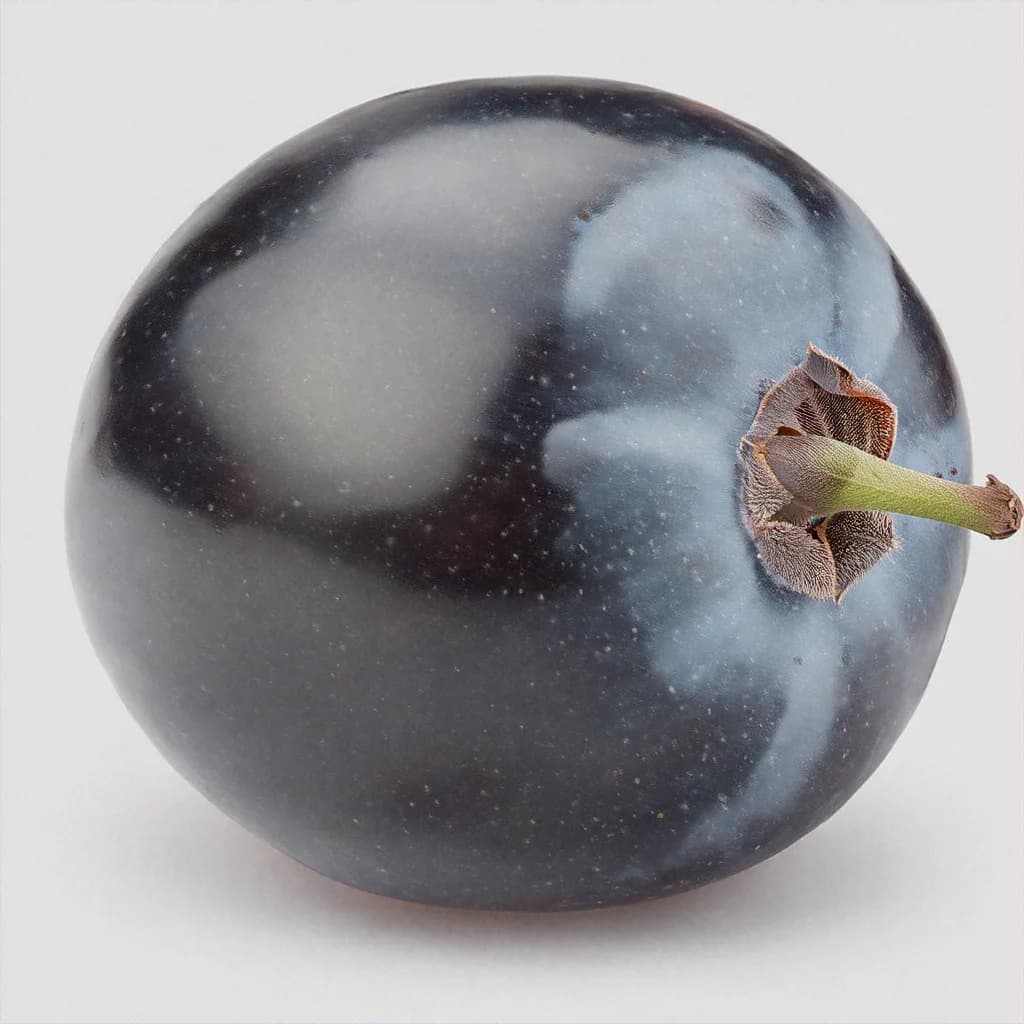
Prunus spinosa
The sloe, scientifically known as Prunus spinosa, is a small, tart fruit native to Europe, western Asia, and northwest Africa. Often overlooked in favor of its more popular relatives like plums and cherries, the sloe is a hidden gem in the culinary and nutritional world. Its deep blue-purple hue and astringent flavor make it a favorite for creating sloe gin, jams, and preserves. Rich in antioxidants, vitamins, and minerals, sloes offer a range of health benefits, from boosting immunity to aiding digestion. The fruit grows on thorny shrubs, making it a resilient and adaptable plant that thrives in varied environments.
Explore Sloe in stunning detail
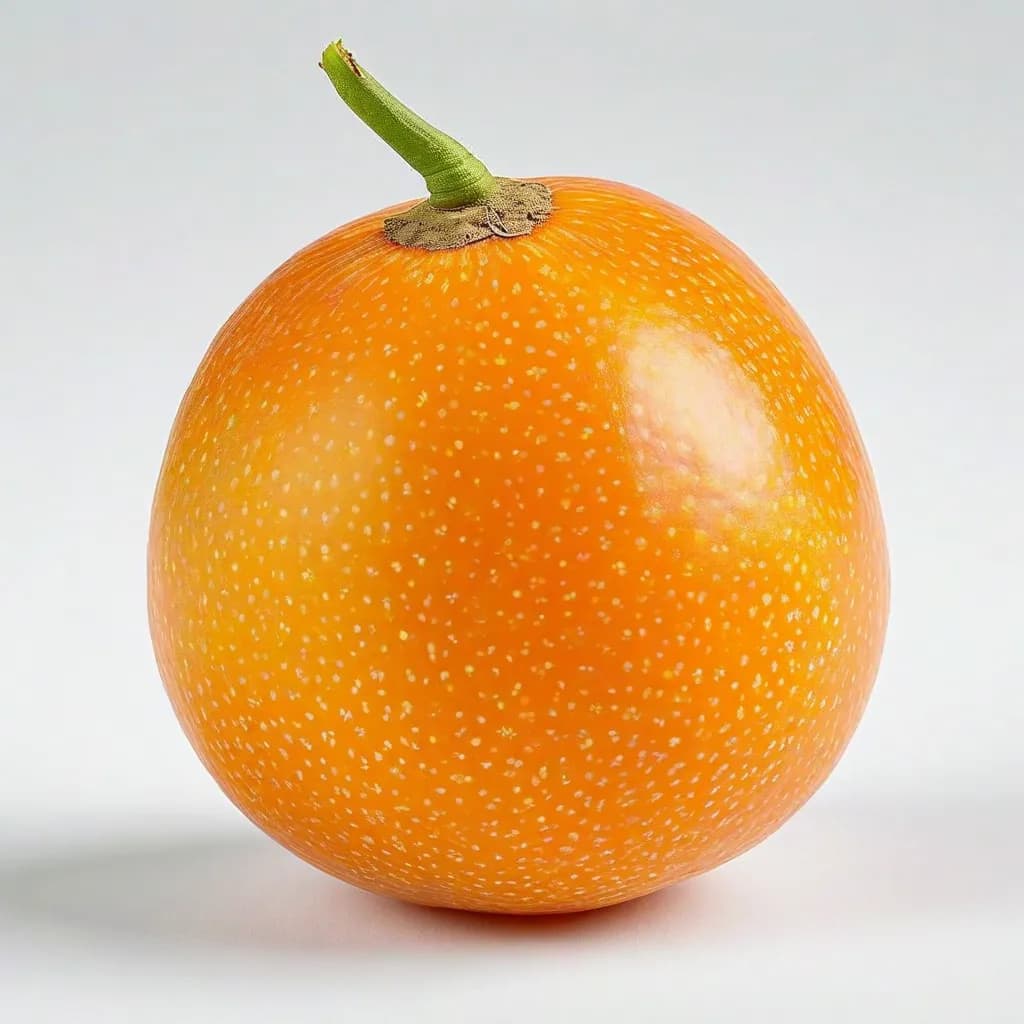
Sloe - Main View
Per 100g
Per 100g
Nutrition breakdown for one serving
Europe, western Asia, and northwest Africa
Sloes have been used for centuries in traditional European medicine and cuisine. They were often used to make jams, preserves, and the popular sloe gin, a liqueur infused with the fruit.
Late summer to early autumn
Each variety offers unique flavors, textures, and culinary applications
Keep your fruit fresh and delicious for longer
Select sloes that are firm, plump, and free of blemishes.
Look for a deep blue-purple color, which indicates ripeness.
Store sloes in a cool, dry place away from sunlight.
Refrigerate for longer shelf life.
Preserve freshness for months
Freeze sloes whole in an airtight container for up to 6 months.
Use frozen sloes in smoothies, jams, or baking.
Label frozen items with the date to track freshness. Most fruits maintain quality for 2-3 months when properly frozen. For best results, use airtight containers or freezer bags to prevent freezer burn.
Discover delicious possibilities
Sloes are generally safe for consumption, but individuals with tree nut allergies should exercise caution.
Sloes are often wild-harvested, reducing pesticide exposure, but commercially grown sloes may contain residues.
Surprising trivia you'll love!
Sloes are a key ingredient in the traditional British liqueur, sloe gin.
The sloe plant is also known as the blackthorn due to its dark bark and thorny branches.
Sloe is a small, tart fruit from the Prunus spinosa plant, commonly used in jams, preserves, and sloe gin.
Look for sloes that are deep blue-purple, firm, and free of blemishes.
Sloes can be stored for up to 1 week at room temperature or up to 2 weeks in the refrigerator.
Sloes are commonly used to make sloe gin, jams, preserves, and baked goods like pies and tarts.
Yes, sloes are rich in antioxidants, vitamin C, fiber, and potassium, offering numerous health benefits.
Sloes may interact with blood-thinning medications due to their vitamin K content. Consult a healthcare provider if you are on medication.
Yes, sloes can be frozen whole in an airtight container for up to 6 months.
Sustainability insights
Sloes are often wild-harvested, making them a sustainable fruit option.
Low, due to minimal cultivation and processing.
Moderate, as sloes are drought-tolerant but benefit from regular watering.
Sloes are commonly found in Europe and are often locally sourced in those regions.
We aim to keep this Sloe profile accurate and easy to understand. Nutrition values and % Daily Value figures are based on established reference databases and standard daily value guidance.
Last updated: October 2, 2026
Medical disclaimer
This page is for general educational purposes and does not replace professional medical advice.
Found an issue? Contact us.