Loading Fruit Details...
Please wait while we fetch nutritional information and health benefits
Please wait while we fetch nutritional information and health benefits
Recommended Products
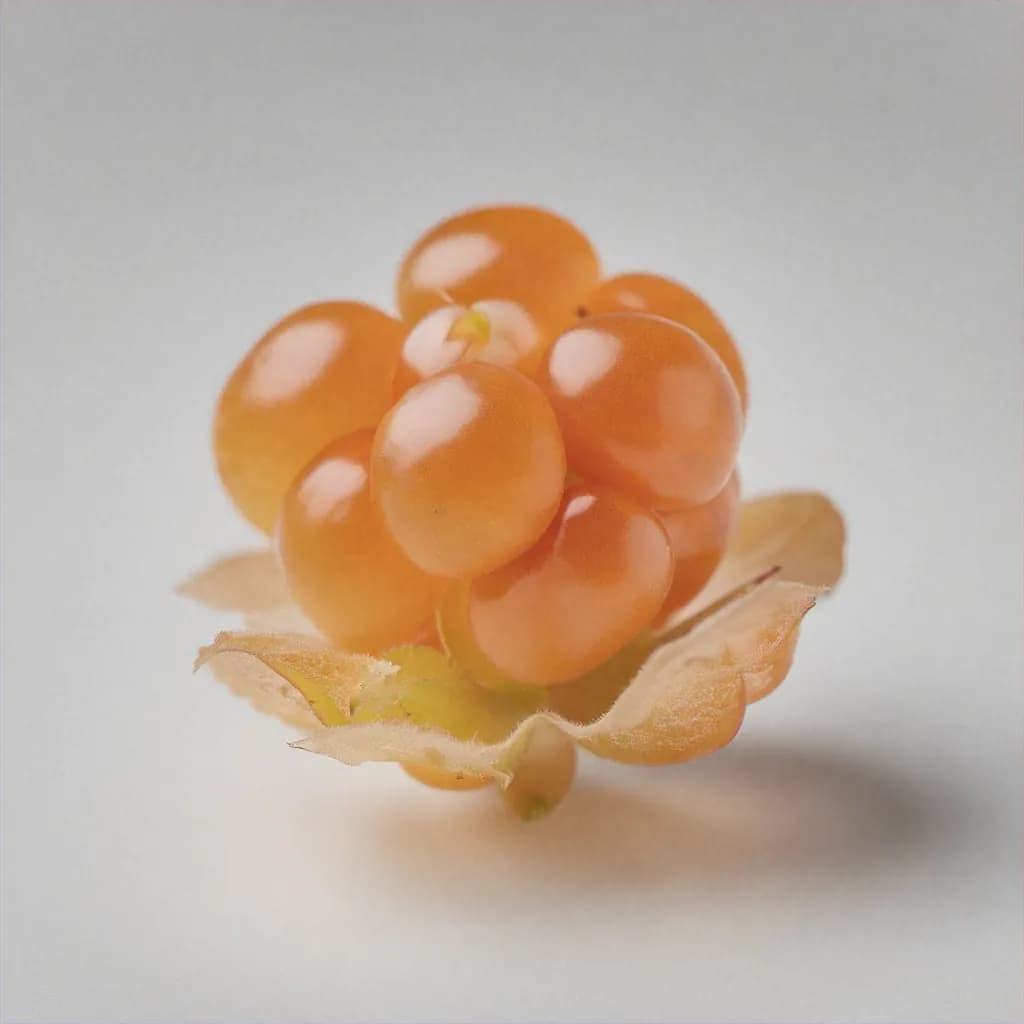
Rubus chamaemorus
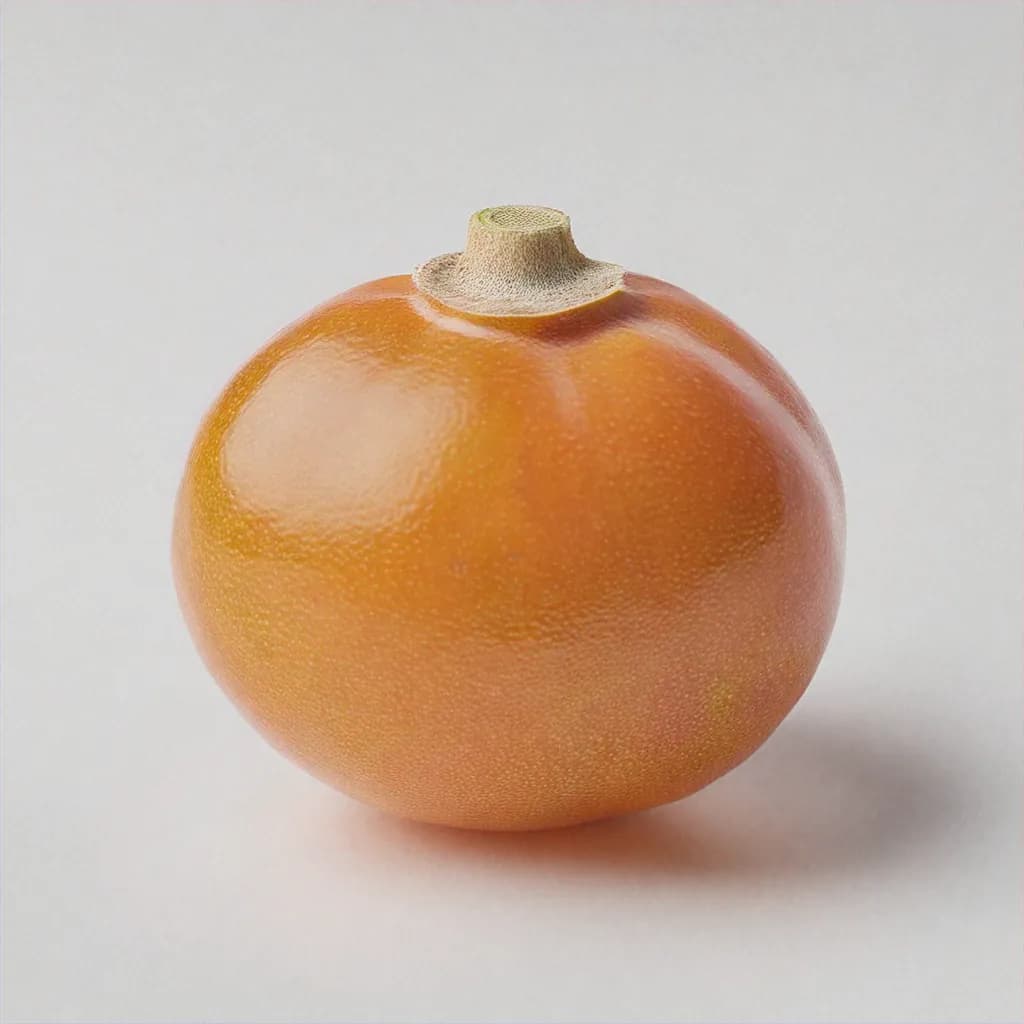
Cloudberries are rare, golden-orange berries native to Arctic and subarctic regions, prized for their unique tart-sweet flavor and exceptional antioxidants. Rich in vitamin C (44% DV), ellagic acid, and ellagitannins, cloudberries offer powerful anti-inflammatory and immune-supporting benefits. With only 34 calories per 100g and notable fiber content, they're perfect for jams, liqueurs, desserts, and fresh consumption. Their scarcity and distinctive taste make them a gourmet treasure. Perfect for those seeking premium Nordic flavors and superior antioxidant benefits.
Explore Cloudberry in stunning detail
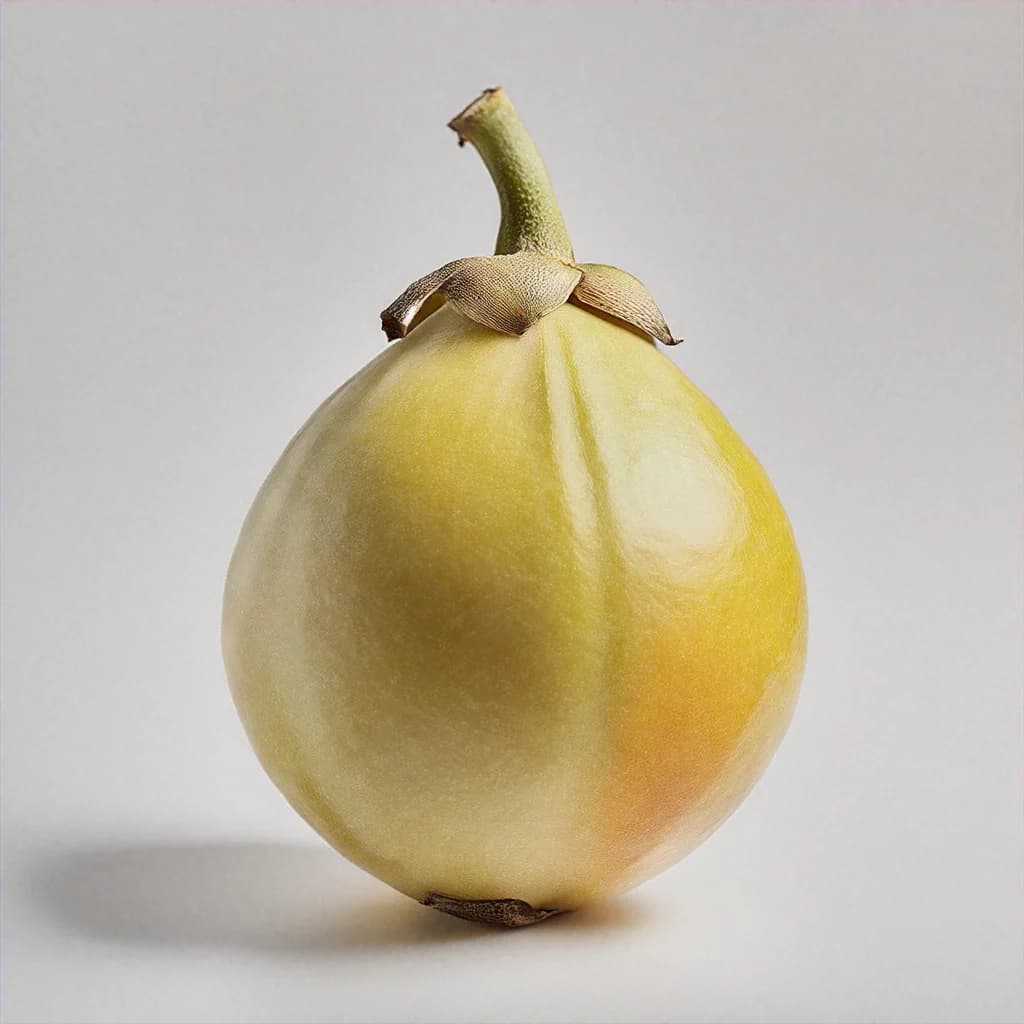
Cloudberry - Main View
Per 100g
Per 100g
Nutrition breakdown for one serving
Arctic and Subarctic regions, particularly Scandinavia
Cloudberries have been foraged for thousands of years in Nordic regions. Highly prized in Scandinavian cuisine, they're protected in some regions due to rarity. The delicacy commands premium prices in international markets.
Peak season July-August
Each variety offers unique flavors, textures, and culinary applications
Keep your fruit fresh and delicious for longer
Select fully ripe cloudberries with deep golden-orange color
Look for firm berries without soft spots or mold
Avoid red or unripe berries; they taste sour
Refrigerate fresh cloudberries for up to 5 days
Freeze fresh berries in airtight containers for up to 1 year
Cloudberry jam and preserve products store in cool, dark conditions
Frozen cloudberries work best for cooking and jams
Preserve freshness for months
Freeze whole berries in single layer, then transfer to containers
Frozen cloudberries last up to 1 year
Use frozen berries for jams, desserts, and sauces
Label frozen items with the date to track freshness. Most fruits maintain quality for 2-3 months when properly frozen. For best results, use airtight containers or freezer bags to prevent freezer burn.
Discover delicious possibilities
Cloudberry allergies are extremely rare. Some people may have sensitivity to berries in general.
Wild-foraged cloudberries have minimal pesticide concerns. Always forage from unpolluted areas.
Surprising trivia you'll love!
Cloudberries are protected in some Nordic regions due to rarity
They transform from red to golden-orange as they ripen
Cloudberries command premium prices, sometimes $50+ per pound fresh
They're called 'Hjortron' in Swedish and 'Lakka' in Finnish
Ancient Vikings valued cloudberries as a precious food source
Cloudberries are rare, growing only in Arctic and subarctic regions with short harvest seasons. They must be hand-foraged and cannot be commercially cultivated, making them a premium delicacy.
Cloudberries have a unique tart-sweet flavor with floral and slightly peachy notes. Ripe golden berries are sweeter than underripe red ones.
Cloudberries are extremely difficult to cultivate outside their natural Arctic habitat. Commercial cultivation has limited success; wild-foraged berries remain the primary source.
Fresh cloudberries are available July-August from Scandinavian suppliers and specialty markets. Jams, liqueurs, and frozen berries are available year-round online.
Sustainability insights
Cloudberries are wild-foraged. Sustainable harvesting practices preserve natural populations.
Imported fresh cloudberries have higher carbon footprint due to limited availability. Local foraged berries are most sustainable.
Wild cloudberries require no cultivation water; they thrive in natural Arctic wetland ecosystems.
Supporting local Nordic foragers and sustainable harvesting practices preserves Arctic ecosystems and traditional livelihoods.
We aim to keep this Cloudberry profile accurate and easy to understand. Nutrition values and % Daily Value figures are based on established reference databases and standard daily value guidance.
Last updated: September 8, 2026
Medical disclaimer
This page is for general educational purposes and does not replace professional medical advice.
Found an issue? Contact us.