Loading Fruit Details...
Please wait while we fetch nutritional information and health benefits
Please wait while we fetch nutritional information and health benefits
Recommended Products
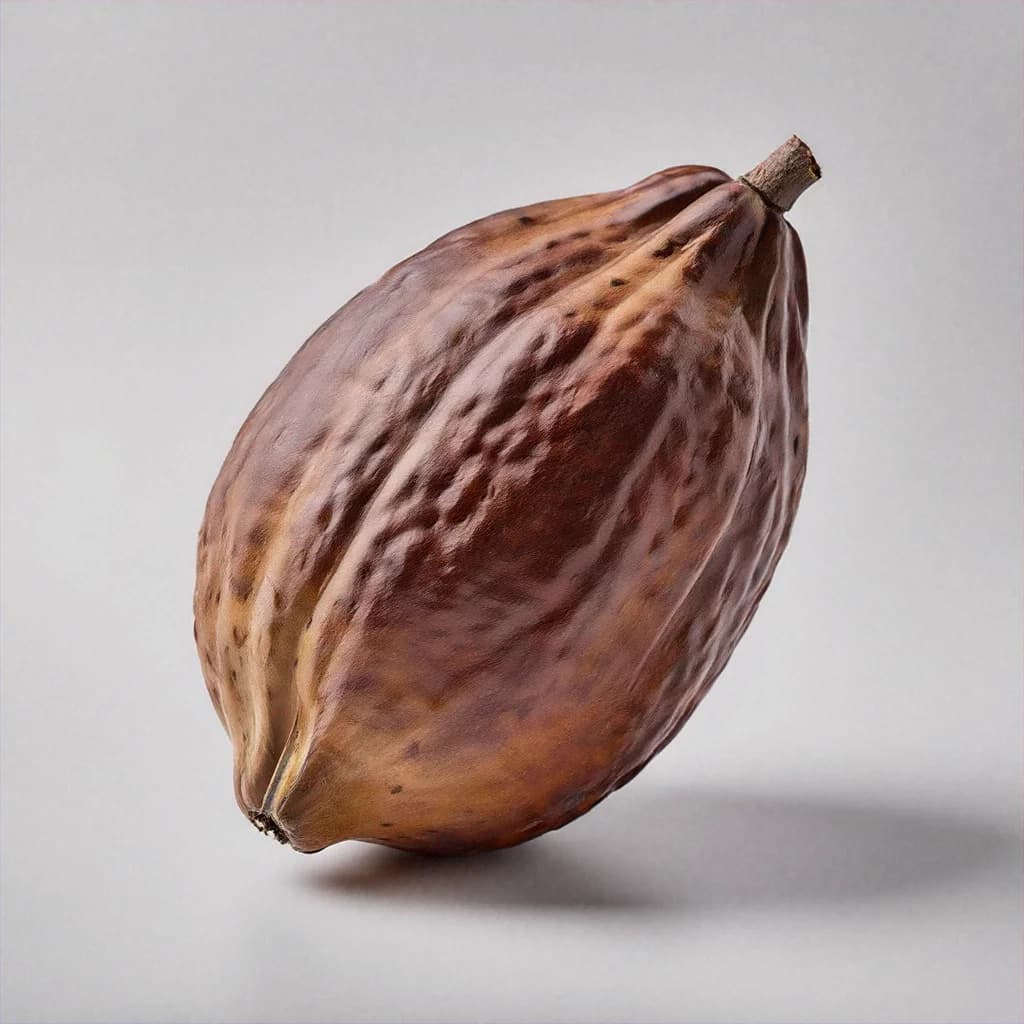
Caryodendron orinocense
Cacay, also known as Caryodendron orinocense, is a remarkable tropical fruit native to the Amazon rainforest. Its flesh is rich, creamy, and slightly acidic, encasing a large nut that is prized for its oil. Cacay nuts are renowned for their exceptionally high content of essential fatty acids, vitamin E, and antioxidants, making them a superfood in the world of health and wellness. The fruit itself is not widely consumed raw but is often processed into oils, butters, and extracts for culinary and cosmetic applications. Cacay's nutritional profile and versatility make it a valuable addition to diets, skincare routines, and sustainable agricultural practices.
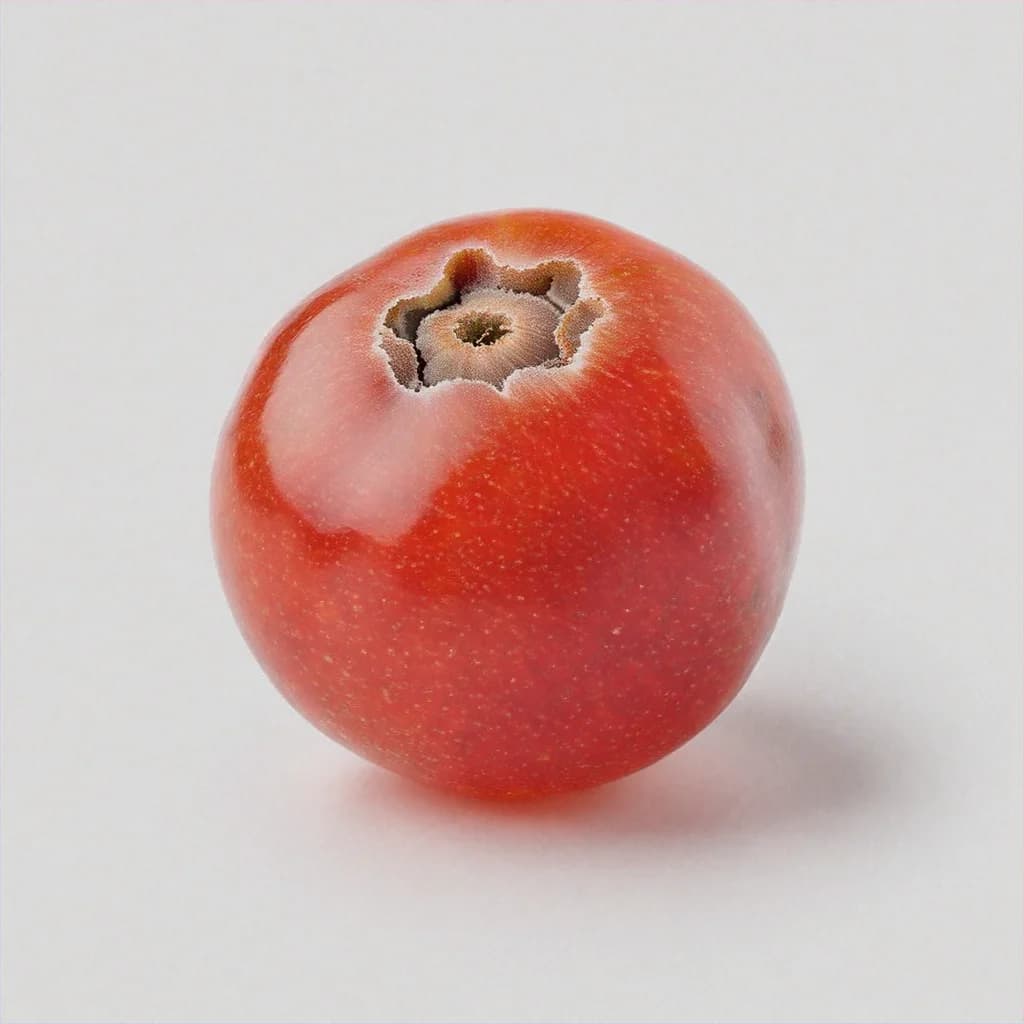
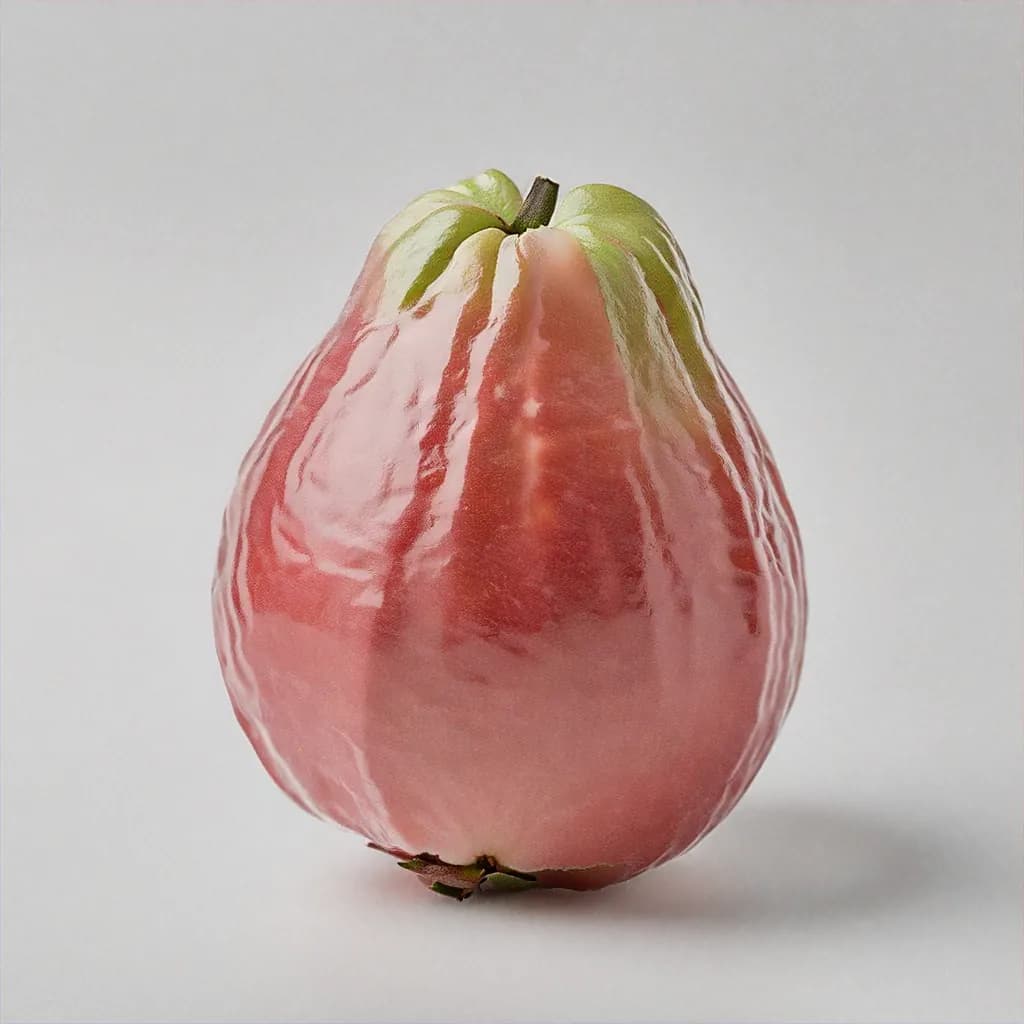
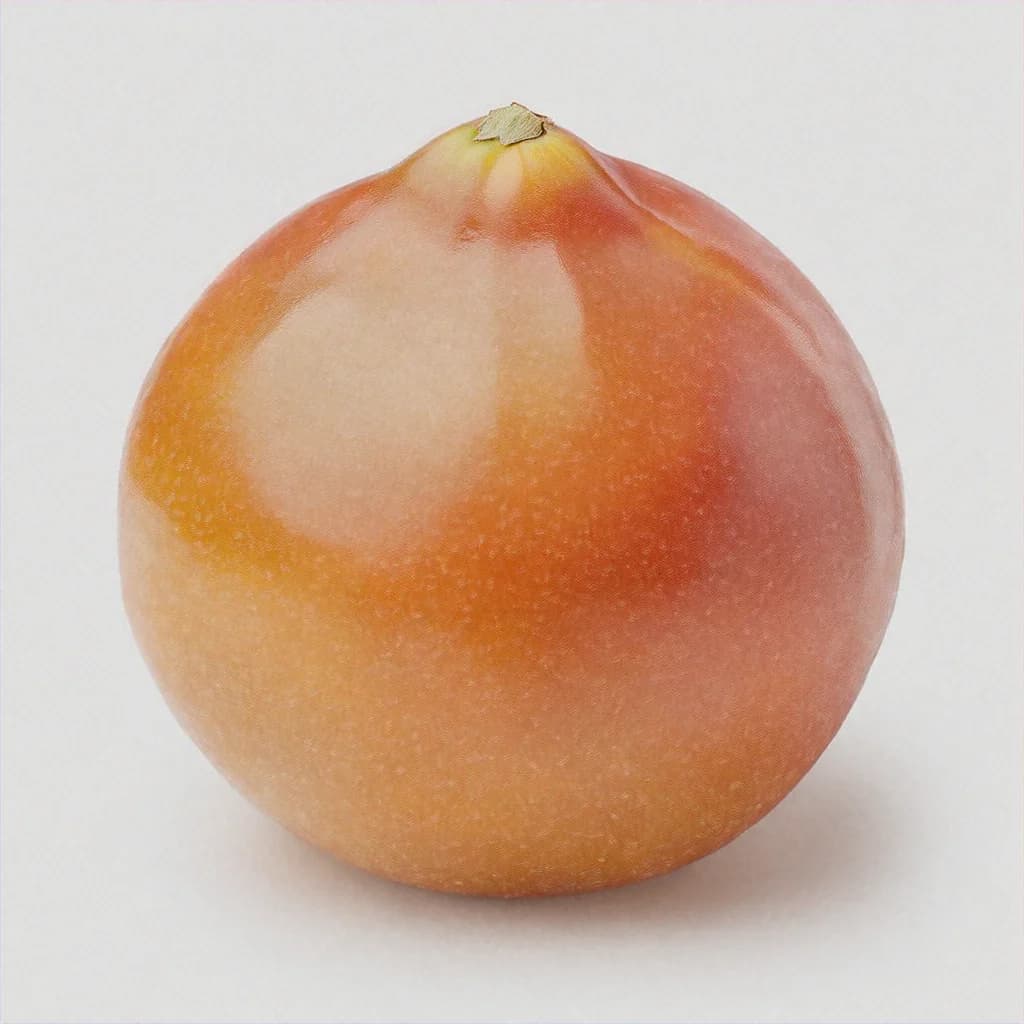
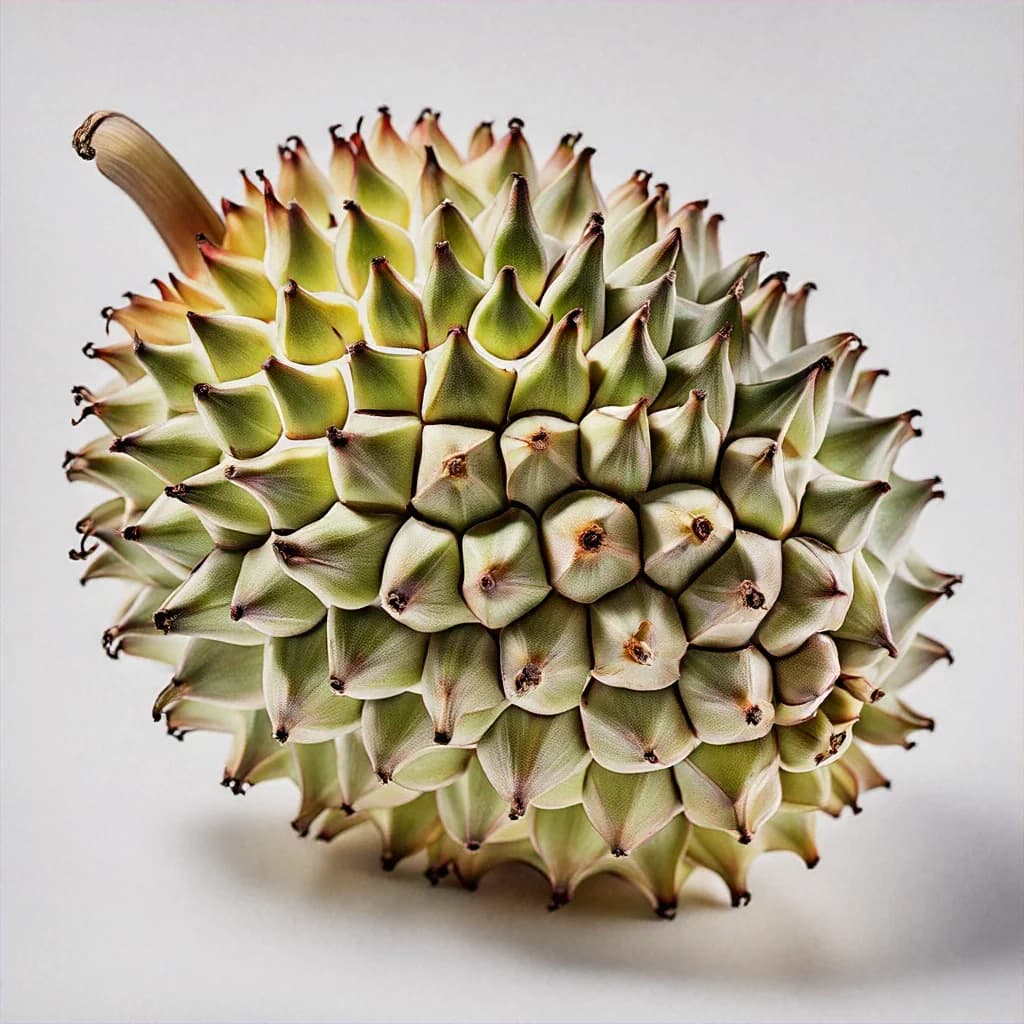
Explore Cacay in stunning detail
Cacay - Main View
Per 100g
Per 100g
Nutrition breakdown for one serving
Amazon Rainforest
Cacay has been cultivated by indigenous communities in the Amazon for centuries, valued for its nutritional and medicinal properties. Its recent rise in global popularity is due to its recognition as a superfood and its use in the cosmetics industry.
Year-round in tropical climates
Each variety offers unique flavors, textures, and culinary applications
Keep your fruit fresh and delicious for longer
Look for firm, uncracked nuts.
Avoid nuts with mold or soft spots.
Store in a cool, dry place.
Keep away from direct sunlight.
Preserve freshness for months
Freezing is not recommended for Cacay nuts.
Store extracted oil in the refrigerator to extend shelf life.
Label frozen items with the date to track freshness. Most fruits maintain quality for 2-3 months when properly frozen. For best results, use airtight containers or freezer bags to prevent freezer burn.
Discover delicious possibilities
Cacay nuts may cause allergic reactions in individuals sensitive to tree nuts.
Cacay is typically grown organically, minimizing pesticide exposure.
Surprising trivia you'll love!
Cacay oil contains three times more vitamin E than argan oil.
Indigenous communities in the Amazon have used Cacay for centuries in traditional medicine.
Cacay is a tropical fruit native to the Amazon, known for its nutritious nuts and oil.
Select firm, uncracked nuts with no signs of mold or damage.
Store in a cool, dry place away from sunlight. Refrigeration extends shelf life.
Cacay nuts and oil can be used in salads, dressings, baked goods, and chocolate.
Yes, Cacay is calorie-dense due to its high fat content, but it is also nutrient-rich.
While rare, some individuals may have allergic reactions to Cacay nuts.
Yes, Cacay oil is highly valued in skincare for its moisturizing and anti-aging properties.
Sustainability insights
Cacay cultivation supports biodiversity and sustainable agricultural practices in the Amazon.
Low carbon footprint due to minimal processing and local cultivation.
Moderate water usage, primarily relying on natural rainfall.
Local cultivation in the Amazon is preferred for sustainability.
We aim to keep this Cacay profile accurate and easy to understand. Nutrition values and % Daily Value figures are based on established reference databases and standard daily value guidance.
Last updated: September 29, 2026
Medical disclaimer
This page is for general educational purposes and does not replace professional medical advice.
Found an issue? Contact us.