Loading Fruit Details...
Please wait while we fetch nutritional information and health benefits
Please wait while we fetch nutritional information and health benefits
Recommended Products
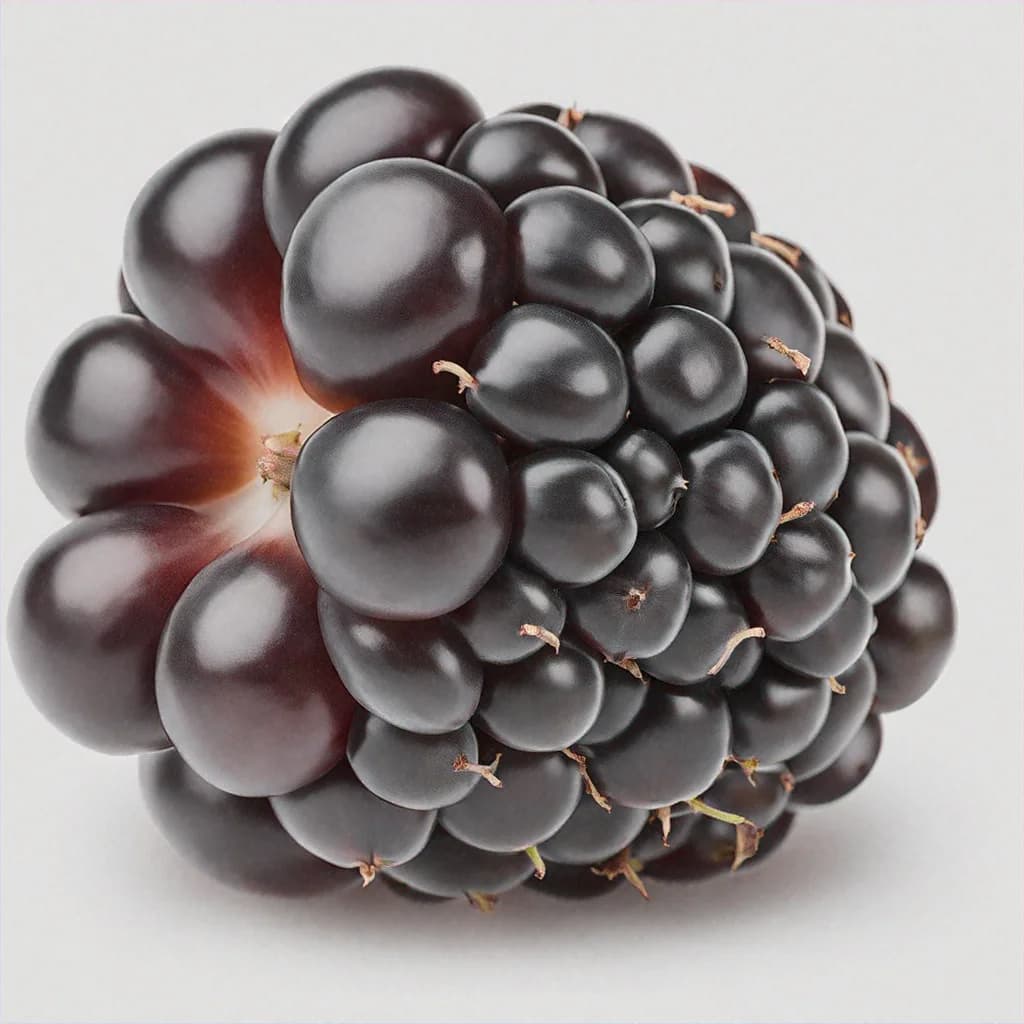
Elaeagnus commutata
Silverberry, scientifically known as Elaeagnus commutata, is a small, tart fruit native to North America. Often overlooked, this fruit is a powerhouse of nutrition, packed with vitamins, minerals, and antioxidants. Its silver-speckled skin gives it a distinctive appearance, while its flavor profile combines sweet and tart notes, making it a versatile ingredient in both sweet and savory dishes. Historically, Silverberry has been used for its medicinal properties, particularly its ability to support immune function and overall health. Its hardy nature allows it to thrive in diverse climates, making it a sustainable and nutrient-rich addition to diets worldwide.
Explore Silverberry in stunning detail
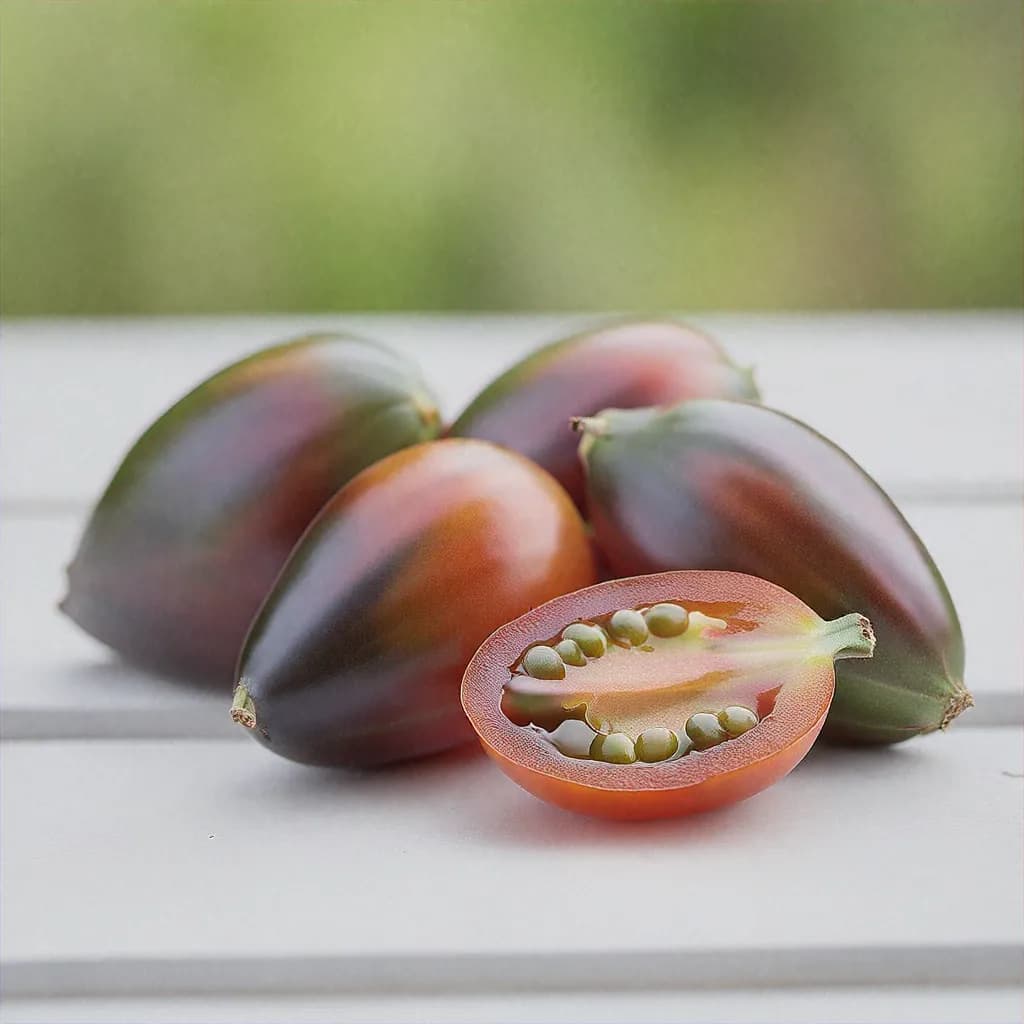
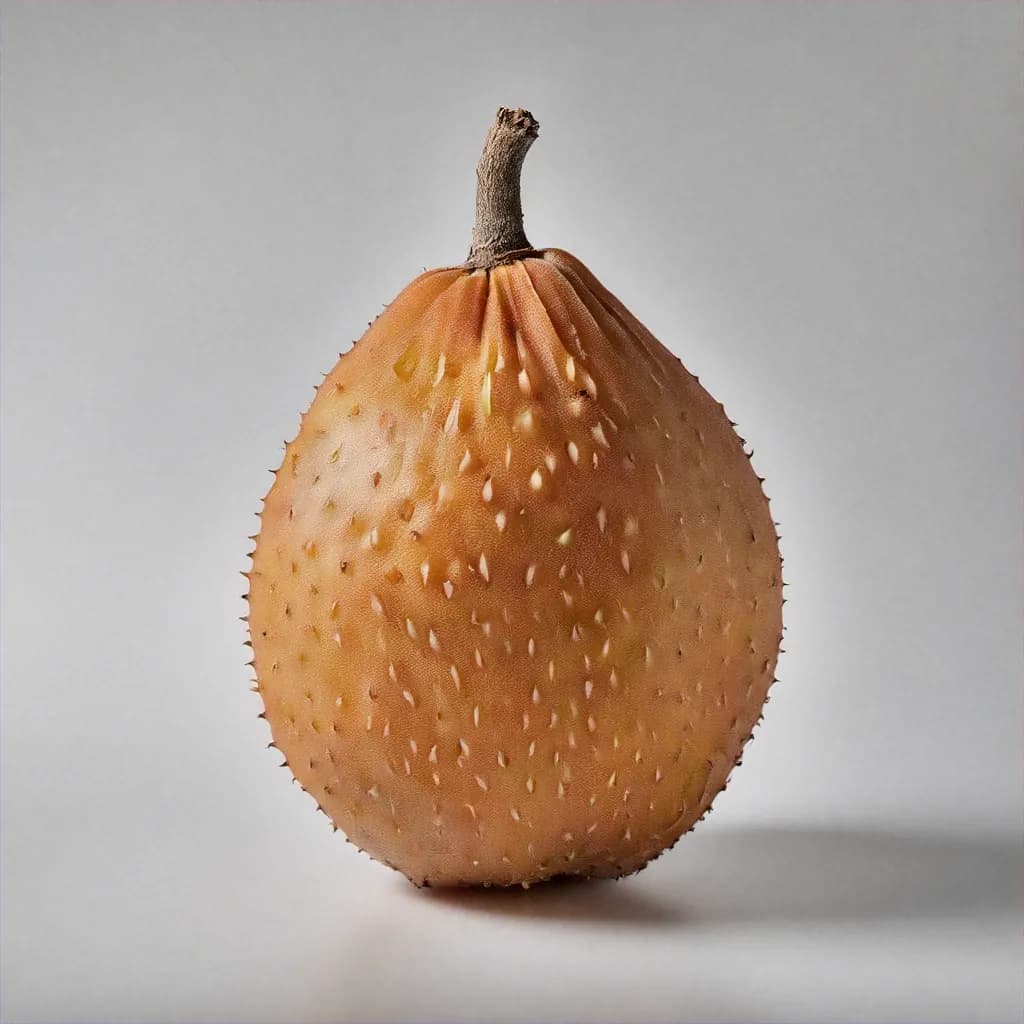
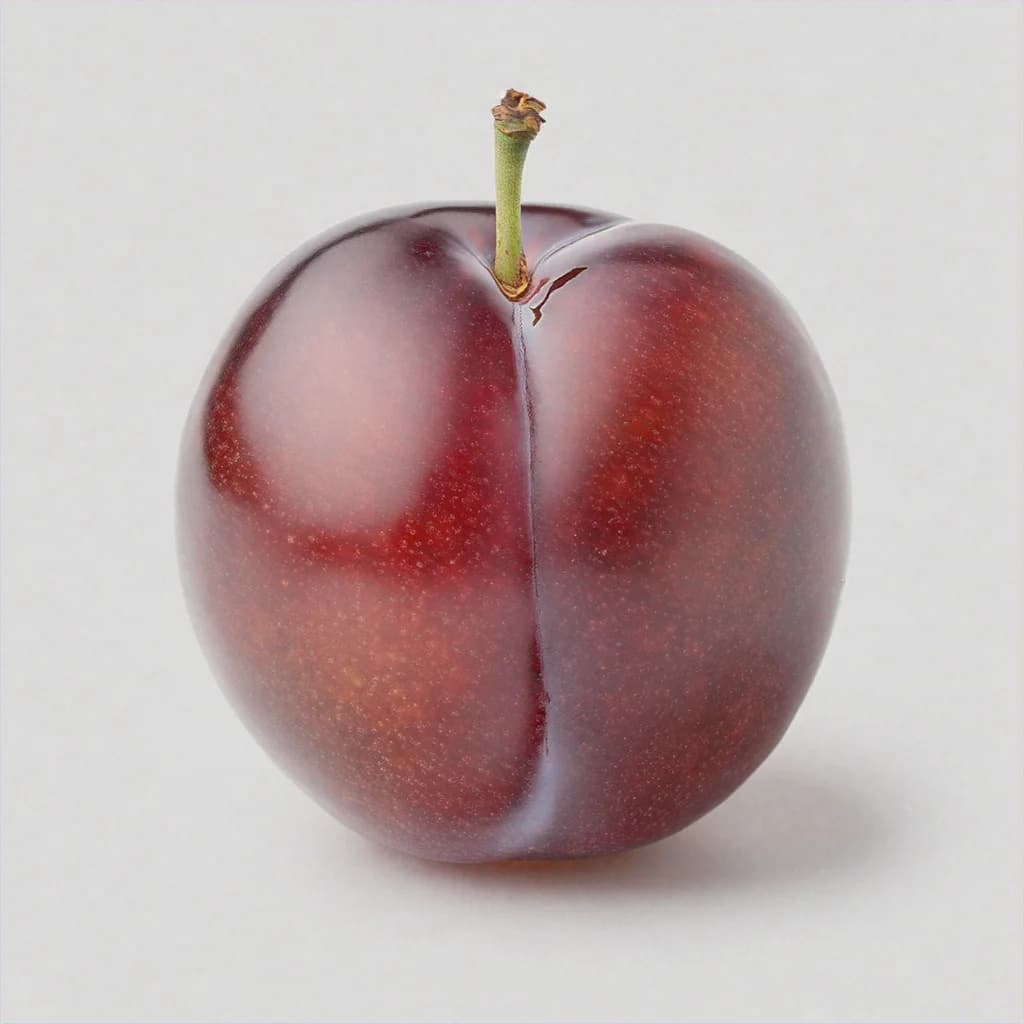
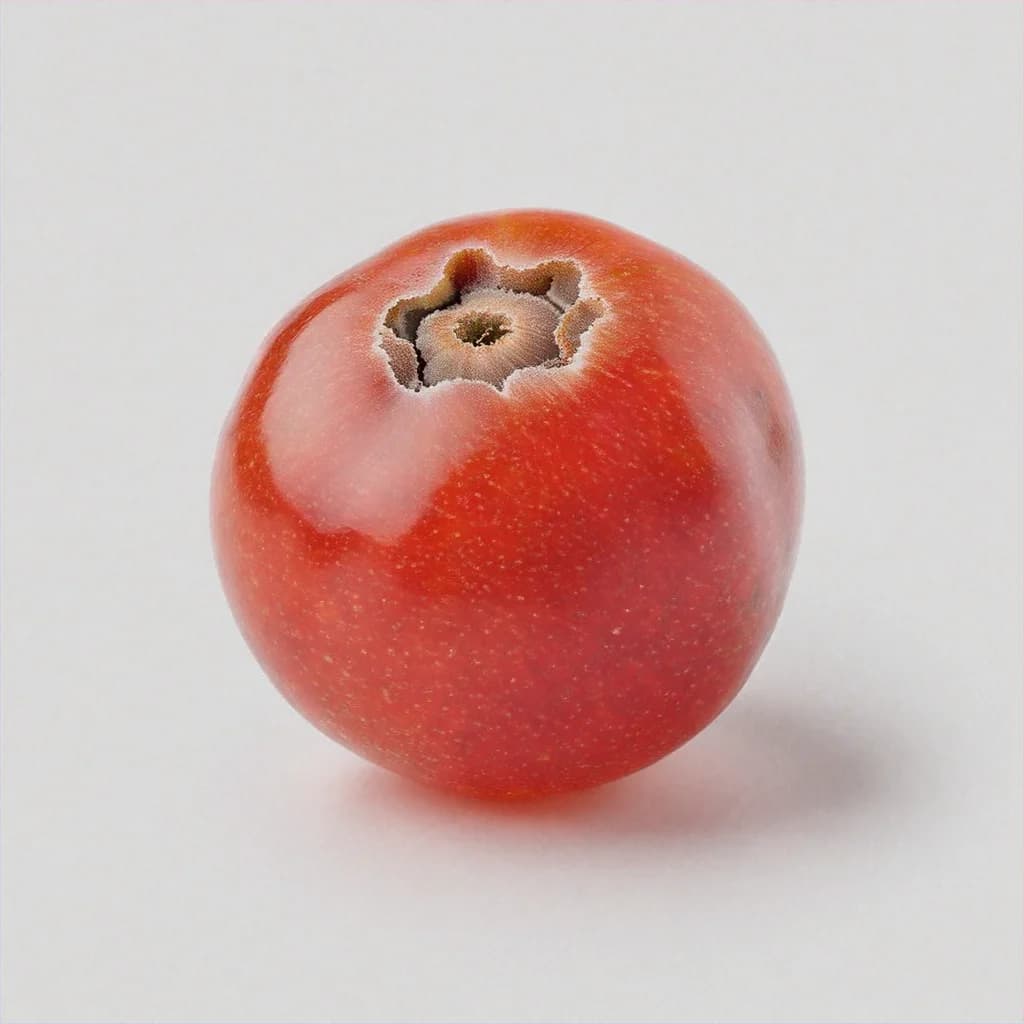
Silverberry - Main View
Per 100g
Per 100g
Nutrition breakdown for one serving
North America
Silverberry has been traditionally used by Native American tribes for its nutritional and medicinal properties. It has gained popularity in recent years due to its health benefits and unique flavor profile.
Late summer to early fall
Each variety offers unique flavors, textures, and culinary applications
Keep your fruit fresh and delicious for longer
Look for firm, plump berries with a silver-speckled appearance.
Avoid berries that are soft, bruised, or have mold.
Store in a cool, dry place away from direct sunlight.
Refrigerate for extended freshness.
Preserve freshness for months
Wash and dry berries thoroughly before freezing.
Store in an airtight container or freezer bag.
Label frozen items with the date to track freshness. Most fruits maintain quality for 2-3 months when properly frozen. For best results, use airtight containers or freezer bags to prevent freezer burn.
Discover delicious possibilities
Individuals with allergies to berries should exercise caution when consuming Silverberries.
Silverberries are generally low in pesticide residues due to their hardy nature.
Surprising trivia you'll love!
Silverberry is also known as 'Wolfberry' in some regions.
The silver-speckled appearance of the berries gives them their name.
Silverberries have been used in traditional medicine for centuries.
Silverberry has a tart flavor with a hint of sweetness, similar to a combination of cranberries and apples.
Ripe Silverberries are firm and have a silver-speckled appearance with a reddish hue. Avoid berries that are soft or bruised.
Store Silverberries in a cool, dry place or refrigerate them for extended freshness. They can also be frozen for long-term storage.
Silverberries can be used in jams, jellies, baked goods, sauces, and dressings. They pair well with meats, nuts, and dairy products.
Silverberries are rich in antioxidants, Vitamin C, dietary fiber, and essential minerals like potassium. They have a low glycemic index and glycemic load.
Silverberries are generally safe for consumption. However, individuals with allergies to berries should exercise caution. Consult a healthcare provider if you have concerns.
Yes, Silverberries can be grown at home in well-drained soil and full sun. They are hardy plants that thrive in diverse climates.
Sustainability insights
Silverberries are a sustainable fruit due to their hardy nature and ability to thrive in diverse climates.
Low carbon footprint compared to other fruits due to local cultivation.
Moderate water usage, as Silverberries are drought-tolerant.
Prefer locally grown Silverberries for freshness and reduced environmental impact.
We aim to keep this Silverberry profile accurate and easy to understand. Nutrition values and % Daily Value figures are based on established reference databases and standard daily value guidance.
Last updated: September 29, 2026
Medical disclaimer
This page is for general educational purposes and does not replace professional medical advice.
Found an issue? Contact us.