Loading Fruit Details...
Please wait while we fetch nutritional information and health benefits
Please wait while we fetch nutritional information and health benefits
Recommended Products
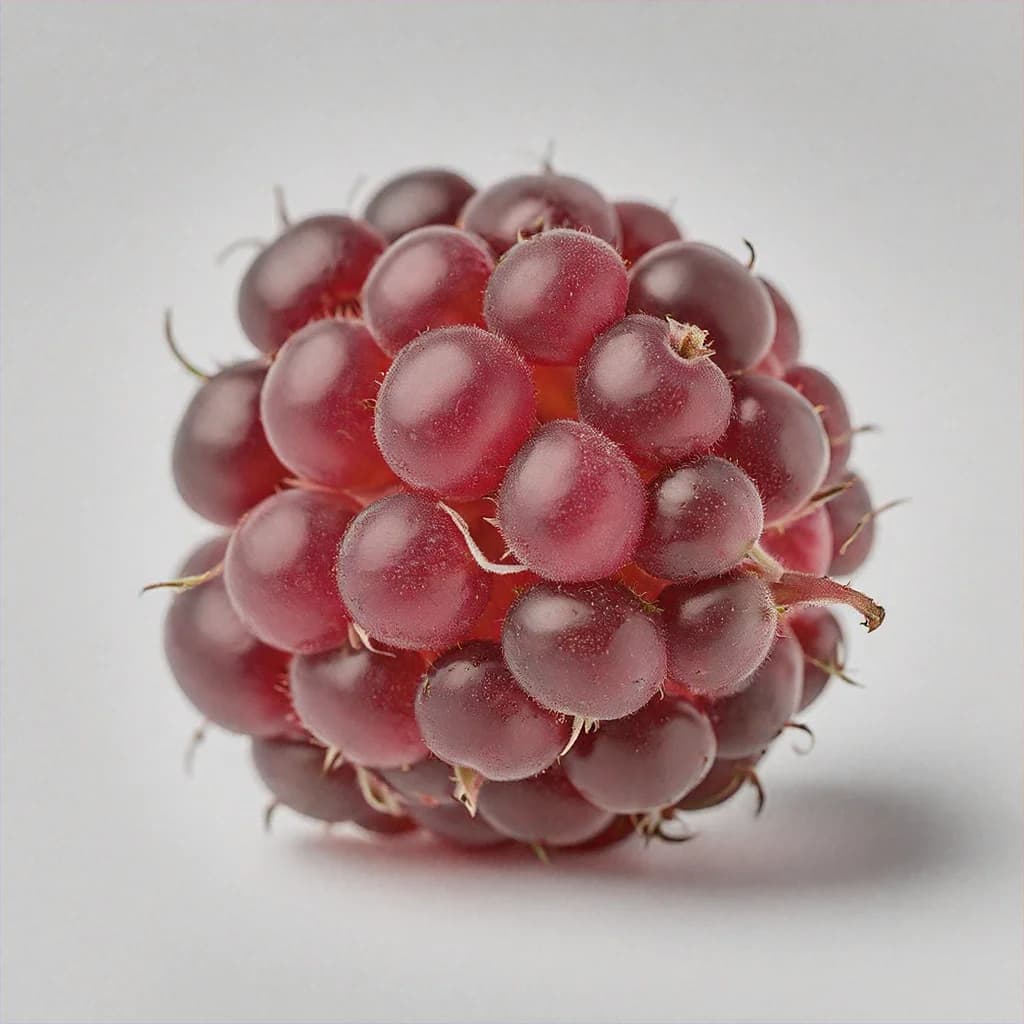
Rubus spectabilis
The salmonberry, also known as Rubus spectabilis, is a vibrant and nutritious fruit native to the Pacific Northwest. With its striking magenta-to-orange hues, it is a member of the rose family and closely related to raspberries and blackberries. Salmonberries thrive in moist, shady environments, often found along forest edges and streambanks. Their delicate, slightly tart flavor makes them a favorite for jams, jellies, and baked goods, while their high vitamin C and antioxidant content offers numerous health benefits. Traditionally, Indigenous communities have valued salmonberries for their medicinal properties and as a sustainable food source.
Explore Salmonberry in stunning detail
Salmonberry - Main View
Per 100g
Per 100g
Nutrition breakdown for one serving
Pacific Northwest (Northwestern United States and Western Canada)
Salmonberries have been a traditional food source for Indigenous peoples of the Pacific Northwest for centuries. They were often consumed fresh, dried, or used in traditional medicines for their nutritional and healing properties.
Spring to early summer
Each variety offers unique flavors, textures, and culinary applications
Keep your fruit fresh and delicious for longer
Select salmonberries that are plump, firm, and vibrant in color.
Avoid berries with signs of mold, bruising, or shriveling.
Store fresh salmonberries in the refrigerator for up to 3 days.
Keep them in a sealed container to maintain freshness.
Preserve freshness for months
Wash and dry salmonberries thoroughly before freezing.
Freeze in a single layer on a baking sheet, then transfer to an airtight container for long-term storage.
Label frozen items with the date to track freshness. Most fruits maintain quality for 2-3 months when properly frozen. For best results, use airtight containers or freezer bags to prevent freezer burn.
Discover delicious possibilities
Salmonberries are generally considered safe for most people, but individuals with allergies to other berries should exercise caution.
Salmonberries are often wild-harvested and may have lower pesticide exposure compared to commercially grown fruits.
Surprising trivia you'll love!
Salmonberries are named for their resemblance to the color of salmon flesh.
They are a favorite food of bears, birds, and other wildlife in the Pacific Northwest.
Salmonberries have a slightly tart flavor with a mild sweetness, similar to a raspberry but less intense.
A ripe salmonberry will be plump, vibrant in color (magenta to orange), and slightly soft to the touch.
Yes, salmonberries can be frozen for long-term storage. Wash, dry, and freeze them in a single layer before transferring to an airtight container.
Salmonberries are commonly used in jams, jellies, baked goods like muffins and pies, and as a topping for yogurt or oatmeal.
No, salmonberries have a low sugar content compared to other fruits, making them a good option for blood sugar management.
Yes, salmonberries have been traditionally used for their antioxidant and anti-inflammatory properties, which may support overall health.
Yes, salmonberries can be grown in moist, shady areas of your garden, but they thrive best in their native Pacific Northwest habitat.
Sustainability insights
Salmonberries are often sustainably harvested from the wild, reducing the need for commercial cultivation and its associated environmental impacts.
Low, as wild-harvested salmonberries require minimal transportation and processing.
Natural rainfall is typically sufficient for wild salmonberries, making them a water-efficient choice.
Local salmonberries are more sustainable and have a lower carbon footprint compared to imported varieties.
We aim to keep this Salmonberry profile accurate and easy to understand. Nutrition values and % Daily Value figures are based on established reference databases and standard daily value guidance.
Last updated: October 5, 2026
Medical disclaimer
This page is for general educational purposes and does not replace professional medical advice.
Found an issue? Contact us.
.webp&w=3840&q=75)