Loading Fruit Details...
Please wait while we fetch nutritional information and health benefits
Please wait while we fetch nutritional information and health benefits
Recommended Products
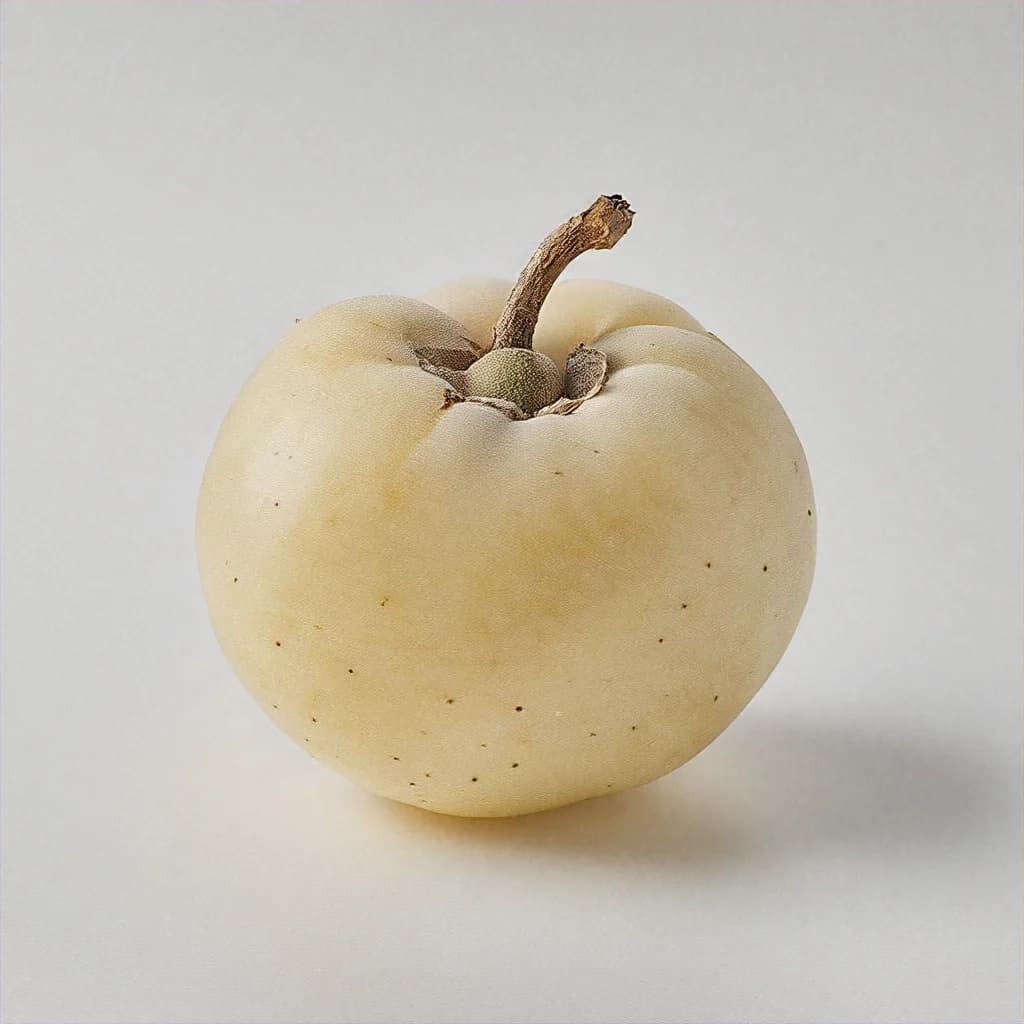
Acronychia oblongifolia
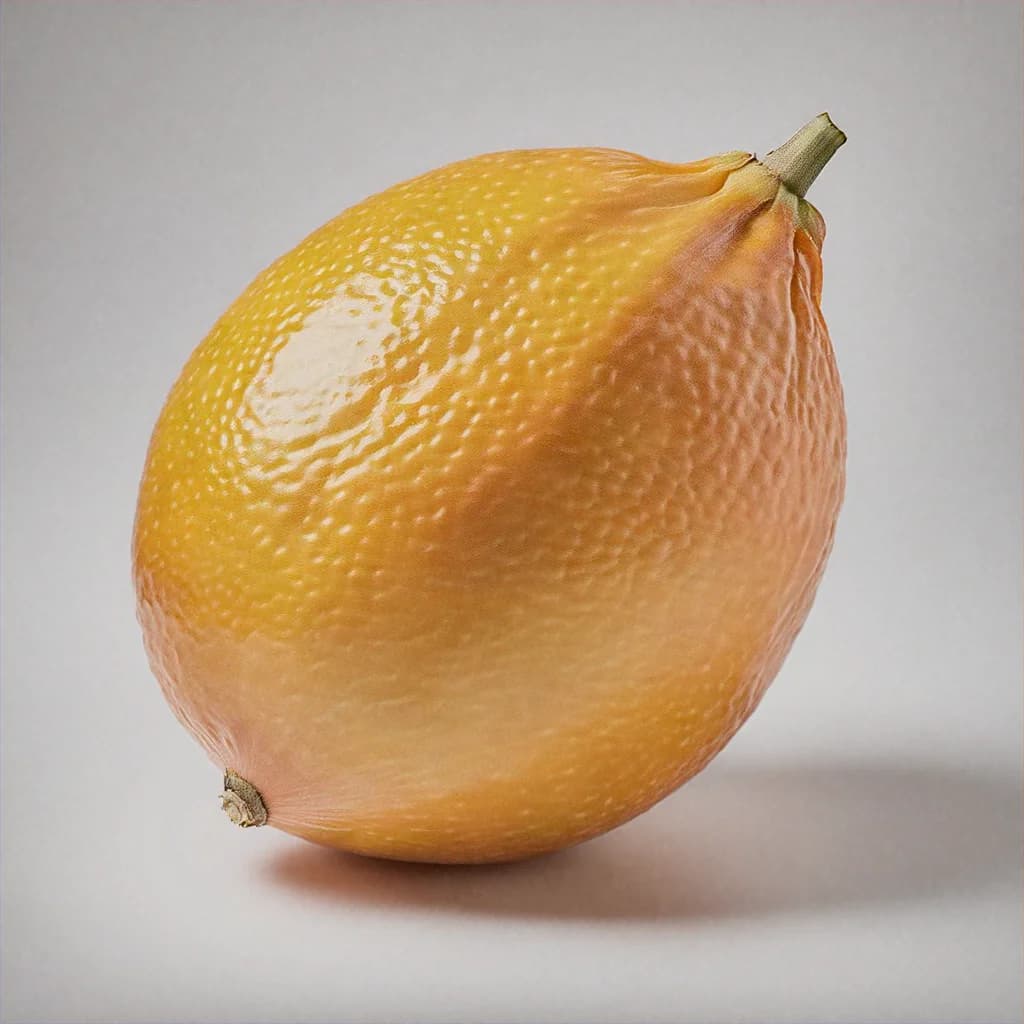
White Aspen, also known as Acronychia oblongifolia, is a delightful and underappreciated fruit native to Australia. This small, oval-shaped fruit features a smooth, glossy yellow-green skin that ripens to a vibrant golden hue, encasing a juicy, slightly tart, and aromatic pulp. Often compared to citrus fruits in flavor profile, White Aspen offers a refreshing balance of sweet and tangy notes, making it a versatile ingredient in both sweet and savory dishes. Its unique taste and aroma are attributed to its rich phytonutrient content, including essential oils and antioxidants. Beyond its culinary appeal, White Aspen is prized for its health benefits, which include a high concentration of vitamin C, dietary fiber, and minerals like potassium and magnesium. Whether enjoyed raw, juiced, or incorporated into desserts and beverages, White Aspen is a nutritional powerhouse that deserves a place in modern diets.
Explore White Aspen in stunning detail
White Aspen - Main View
Per 100g
Per 100g
Nutrition breakdown for one serving
Australia
White Aspen has been traditionally used by indigenous Australians for its medicinal properties and unique flavor. Its cultivation has remained relatively niche, but it is gaining attention in modern culinary circles for its health benefits and versatility.
Spring to early summer
Each variety offers unique flavors, textures, and culinary applications
Keep your fruit fresh and delicious for longer
Look for firm, unblemished fruit with bright, glossy skin.
Avoid soft or wrinkled fruits, as they may be overripe.
Store at room temperature for up to 3 days.
Refrigerate for extended freshness, up to 1 week.
Preserve freshness for months
Freeze whole or sliced in an airtight container for up to 3 months.
Thaw in the refrigerator before use.
Label frozen items with the date to track freshness. Most fruits maintain quality for 2-3 months when properly frozen. For best results, use airtight containers or freezer bags to prevent freezer burn.
Discover delicious possibilities
While rare, some individuals may experience allergic reactions to White Aspen, particularly those with citrus allergies.
White Aspen is generally grown with minimal pesticides, but it is recommended to wash the fruit thoroughly before consumption.
Surprising trivia you'll love!
White Aspen is often referred to as the 'Australian Lemon' due to its tangy flavor.
The fruit's essential oils have been traditionally used for their medicinal properties, including anti-inflammatory and antimicrobial effects.
White Aspen has a sweet and tangy flavor with citrus-like notes, similar to a cross between a lemon and a grapefruit.
A ripe White Aspen will have a bright, glossy yellow-green to golden skin and a slight give when gently pressed.
Yes, you can freeze White Aspen whole or sliced in an airtight container for up to 3 months.
White Aspen is excellent for juicing, adding to salads, or incorporating into desserts like sorbets and tarts.
White Aspen has a moderate sugar content of 8g per 100g, making it a balanced choice for those watching their sugar intake.
Yes, White Aspen is rich in dietary fiber, which promotes digestive health and supports regular bowel movements.
Yes, White Aspen has a low glycemic index and glycemic load, making it a suitable fruit for diabetics.
Sustainability insights
White Aspen is a relatively sustainable fruit, as it is often grown using eco-friendly practices and requires minimal water compared to other fruit crops.
Low, due to its local cultivation in Australia and minimal transportation needs.
Moderate, as it is adapted to the Australian climate and requires less irrigation than many other fruits.
White Aspen is primarily grown and consumed locally in Australia, reducing its environmental impact.
We aim to keep this White Aspen profile accurate and easy to understand. Nutrition values and % Daily Value figures are based on established reference databases and standard daily value guidance.
Last updated: October 2, 2026
Medical disclaimer
This page is for general educational purposes and does not replace professional medical advice.
Found an issue? Contact us.