Loading Fruit Details...
Please wait while we fetch nutritional information and health benefits
Please wait while we fetch nutritional information and health benefits
Recommended Products

Hylocereus costaricensis (blue-skinned variant)
Blue dragon fruit, a rare and visually striking variant of the more common red-fleshed dragon fruit (Hylocereus costaricensis), is a tropical delicacy prized for its vibrant blue-purple skin and mildly sweet, kiwi-like flavor. Unlike its red or white counterparts, the blue dragon fruit features a thicker, more textured rind with subtle blue hues, often tinged with pink or purple accents. The flesh inside ranges from deep magenta to violet, speckled with tiny edible black seeds that add a slight crunch. Native to Central and South America but now cultivated in tropical regions worldwide, this fruit thrives on climbing cacti that bloom only at night, earning it the nickname 'moonflower.' Its flavor profile is subtly sweet with a hint of tartness, making it a versatile ingredient in both raw and cooked dishes. Rich in antioxidants, fiber, and essential vitamins, blue dragon fruit is not only a feast for the eyes but also a nutritional powerhouse, offering benefits like improved digestion, immune support, and skin health. Its unique appearance and health properties have made it a popular choice in smoothie bowls, desserts, and exotic fruit platters, appealing to both gourmet chefs and health-conscious consumers.
Explore Blue Dragon Fruit in stunning detail
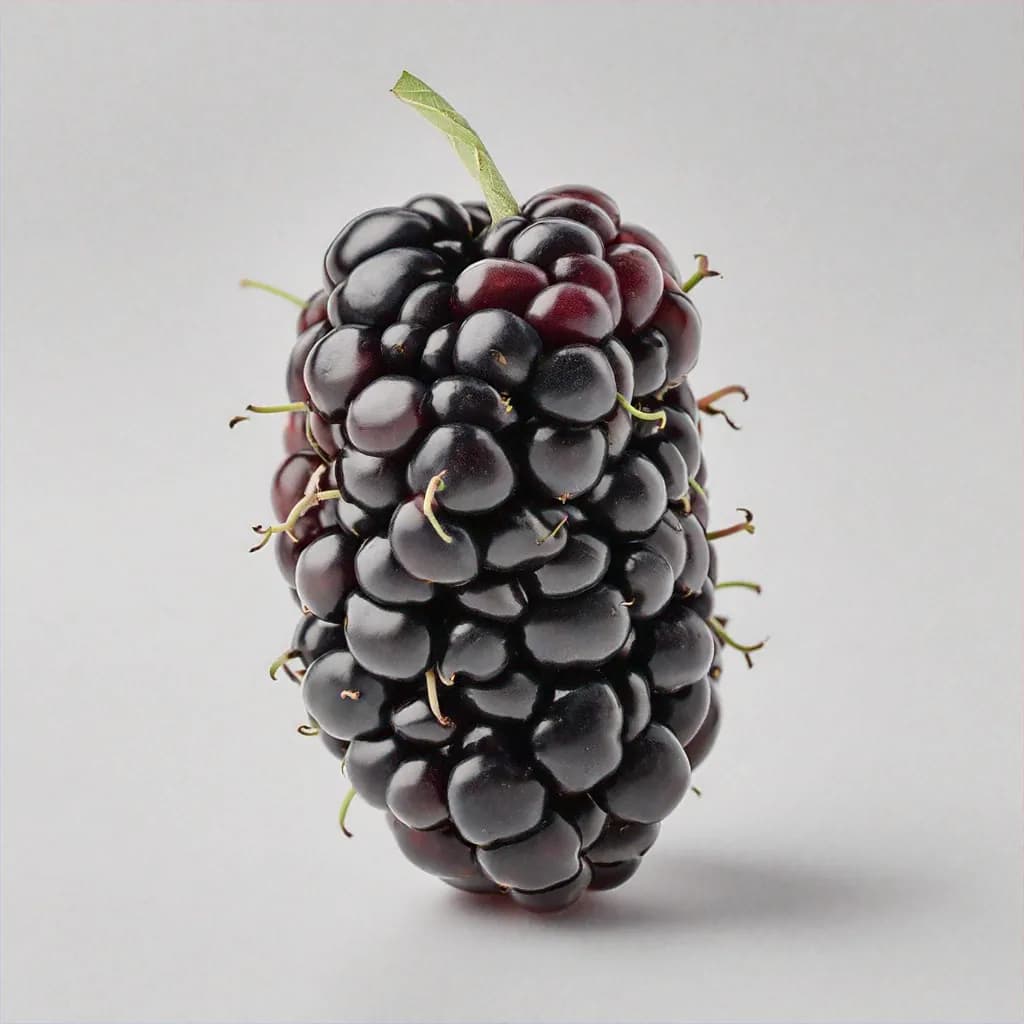
Blue Dragon Fruit - Main View
Per 100g
Per 100g
Nutrition breakdown for one serving
Central America (specifically Costa Rica and Nicaragua)
Blue dragon fruit, a variant of Hylocereus costaricensis, traces its origins to the tropical forests of Central America, where it was first cultivated by indigenous communities for its nutritional and medicinal properties. The fruit was later introduced to Southeast Asia in the early 20th century, where it gained popularity due to its adaptability to arid climates and high yield. Vietnam emerged as the world's leading producer in the 1980s, capitalizing on its ideal growing conditions and export-friendly policies. The blue-skinned variant, though rarer than its red or white counterparts, has gained traction in global markets due to its striking appearance and perceived health benefits. Today, it is a staple in exotic fruit markets, smoothie shops, and gourmet cuisine, symbolizing both culinary innovation and the globalization of tropical agriculture.
Year-round in tropical climates, with peak production during the summer and early fall months.
Each variety offers unique flavors, textures, and culinary applications
Keep your fruit fresh and delicious for longer
Select fruits with vibrant blue-purple skin, free of blemishes, bruises, or soft spots, which indicate overripeness or spoilage.
Gently press the fruit; it should yield slightly to pressure but not feel mushy. A firm fruit may need a day or two to ripen.
Look for fruits with bright, even-colored skin. Dull or discolored patches may indicate poor quality or age.
Check the stem end; it should be dry and free of mold. A moist or moldy stem suggests the fruit is past its prime.
Smell the fruit; a ripe blue dragon fruit should have a mild, sweet aroma. An off or sour smell indicates spoilage.
Store uncut blue dragon fruit at room temperature for 1-2 days if it needs to ripen further. Once ripe, refrigerate it in a plastic bag for up to 5 days.
Keep the fruit away from ethylene-producing fruits like bananas and apples, as this can accelerate ripening and spoilage.
If the fruit is cut, wrap the exposed flesh tightly in plastic wrap or store it in an airtight container to prevent oxidation and drying out.
For longer storage, scoop out the flesh and freeze it in a single layer on a baking sheet before transferring to a freezer-safe bag for up to 3 months.
Preserve freshness for months
Cut the fruit in half, scoop out the flesh, and discard the skin. Freeze the flesh in a single layer on a baking sheet to prevent clumping.
Once frozen solid, transfer the pieces to a freezer-safe bag or container, removing as much air as possible to prevent freezer burn.
Frozen blue dragon fruit is best used within 3 months for optimal flavor and texture, ideal for smoothies, sorbets, or thawed for fruit salads.
Label frozen items with the date to track freshness. Most fruits maintain quality for 2-3 months when properly frozen. For best results, use airtight containers or freezer bags to prevent freezer burn.
Discover delicious possibilities
Blue dragon fruit is not commonly associated with severe allergic reactions, but some individuals may experience mild allergic symptoms, particularly those with sensitivities to cactus plants or other tropical fruits. Symptoms may include itching, swelling, hives, or digestive discomfort. If you have a known allergy to plants in the Cactaceae family (e.g., prickly pear), exercise caution when trying dragon fruit for the first time. As with any new food, start with a small portion to monitor your body's response.
Conventionally grown dragon fruit may contain pesticide residues, particularly in regions with less stringent agricultural regulations. To minimize exposure, opt for organic dragon fruit when possible, or thoroughly wash the fruit under running water before consumption. Peeling the skin can also reduce pesticide residue, though the skin is not typically eaten.
Surprising trivia you'll love!
Blue dragon fruit is one of the few fruits that blooms at night, earning it the nickname 'moonflower' or 'queen of the night.' Its large, fragrant flowers open after sunset and wilt by morning, relying on nocturnal pollinators like bats and moths.
The vibrant blue-purple hue of the skin is due to betalains, the same pigments found in beets. These compounds are rare in the plant kingdom and are known for their potent antioxidant and anti-inflammatory properties.
Dragon fruit plants can live for up to 20 years and produce fruit multiple times a year under ideal conditions, making them a sustainable crop for tropical farmers.
In Vietnamese culture, dragon fruit is often gifted during the Lunar New Year (Tết) as a symbol of prosperity and good luck due to its vibrant color and association with dragons, mythical creatures revered in Asian folklore.
The tiny black seeds inside blue dragon fruit are not only edible but also rich in omega-3 and omega-6 fatty acids, contributing to heart health and skin hydration.
Despite its exotic appearance, blue dragon fruit is relatively low in calories (57 kcal per 100g) and fat (0.4g per 100g), making it a guilt-free snack for health-conscious consumers.
Yes, blue dragon fruit is a rare variant of Hylocereus costaricensis, distinguished by its blue-purple skin and deep magenta to violet flesh. While it shares the same scientific name as the red-fleshed variety, its skin color and slightly milder flavor set it apart. The blue variant is less common and often prized for its striking appearance, though its nutritional profile is similar to other dragon fruit types, offering antioxidants, fiber, and vitamin C. Both varieties grow on climbing cacti and thrive in tropical climates, but the blue dragon fruit is particularly sought after for its unique visual appeal in culinary applications.
Eating blue dragon fruit is simple and similar to its red or white counterparts. Start by rinsing the fruit under cool water to remove any dirt or residue. Slice the fruit in half lengthwise, then use a spoon to scoop out the flesh, discarding the skin. The flesh can be eaten as-is, added to fruit salads, or blended into smoothies. For a more creative approach, dice the flesh and mix it into yogurt, oatmeal, or chia pudding. You can also use it as a garnish for cocktails, desserts, or savory dishes like ceviche. The tiny black seeds are edible and add a slight crunch, similar to kiwi seeds. Avoid eating the skin, as it is tough and not palatable.
Blue dragon fruit has a mild, subtly sweet flavor with a hint of tartness, often described as a cross between kiwi and pear. Its texture is soft and slightly creamy, similar to ripe kiwi, with tiny edible seeds that add a slight crunch. Compared to red dragon fruit, the blue variant tends to be less sweet and more delicate in flavor, making it a versatile ingredient in both sweet and savory dishes. The taste can vary slightly depending on ripeness, with riper fruits being sweeter and softer. Its mild flavor profile makes it an excellent canvas for pairing with other ingredients, such as citrus, coconut, or berries, in smoothies, salads, or desserts.
Yes, blue dragon fruit can be a valuable addition to a weight loss diet due to its low calorie content (57 kcal per 100g) and high fiber content (3g per 100g, or 11% DV). Fiber promotes satiety, helping you feel full for longer and reducing overall calorie intake. Additionally, the fruit's low glycemic index (48) and glycemic load (6) help stabilize blood sugar levels, preventing spikes and crashes that can lead to cravings. Its high water content (84g per 100g) also contributes to hydration and fullness. While no single food can cause weight loss, incorporating blue dragon fruit into a balanced diet can support weight management by providing essential nutrients without excess calories or fat.
Yes, you can grow blue dragon fruit at home, though it requires specific conditions to thrive. The plant, Hylocereus costaricensis, is a climbing cactus that prefers warm, tropical climates with well-draining soil and plenty of sunlight. To grow it at home, start with a cutting from a mature plant or purchase a young plant from a nursery. Plant it in a large pot or directly in the ground in a sunny spot, using a trellis or support structure for the vines to climb. Water the plant moderately, allowing the soil to dry out between waterings to prevent root rot. Dragon fruit plants bloom at night and require pollination, often by bats or moths, though hand-pollination may be necessary in some regions. With proper care, the plant can produce fruit within 1-2 years, though the blue-skinned variant may be harder to find than the more common red or white varieties.
Blue dragon fruit is generally safe for most people when consumed in moderation, but some individuals may experience mild side effects. The high fiber content (3g per 100g) can cause digestive discomfort, such as bloating, gas, or diarrhea, especially if consumed in large quantities or by those with sensitive digestive systems. Additionally, the fruit's natural pigments (betalains) may cause harmless but noticeable changes in urine or stool color, turning them pink or reddish. While rare, some people may have an allergic reaction to dragon fruit, experiencing symptoms like itching, swelling, or hives. If you have a known allergy to cactus plants or other tropical fruits, exercise caution when trying dragon fruit for the first time. As with any new food, it's best to introduce it gradually to monitor your body's response.
Blue dragon fruit and acai are both rich in antioxidants, but they differ in their specific compounds and concentrations. Blue dragon fruit contains betalains, a group of pigments responsible for its deep magenta color, which exhibit strong anti-inflammatory and detoxifying properties. It also provides flavonoids, vitamin C (10% DV per 100g), and polyphenols, contributing to its antioxidant profile. Acai, on the other hand, is renowned for its high anthocyanin content, which gives it a deep purple hue and potent antioxidant effects, often measured by its ORAC (Oxygen Radical Absorbance Capacity) score. While acai generally has a higher ORAC score, blue dragon fruit offers a broader range of antioxidants, including betalains, which are unique to certain cacti and beets. Both fruits support cellular health, but blue dragon fruit may be more accessible and versatile in culinary applications due to its milder flavor and texture.
Sustainability insights
Dragon fruit is considered a relatively sustainable crop due to its low water requirements and ability to thrive in arid climates where other fruits may struggle. The plant's climbing cactus nature allows it to grow vertically, reducing land usage and making it an efficient crop for small-scale farmers. Additionally, dragon fruit plants have a long lifespan (up to 20 years) and produce multiple harvests per year, contributing to their sustainability. However, large-scale commercial production, particularly in regions like Vietnam, may involve monoculture farming practices, which can deplete soil nutrients and require synthetic fertilizers or pesticides. Opting for organic or locally grown dragon fruit can help mitigate these environmental concerns.
The carbon footprint of blue dragon fruit varies depending on its country of origin and transportation methods. Dragon fruit grown in tropical regions like Vietnam or Nicaragua has a lower carbon footprint for local consumers but may contribute significantly to emissions when exported to distant markets like North America or Europe. Air freight, in particular, has a high carbon cost compared to sea or land transport. Choosing dragon fruit grown in nearby regions or during peak season can help reduce its carbon footprint.
Dragon fruit is a drought-tolerant crop, requiring significantly less water than many other fruits, such as almonds or avocados. Its cactus-like nature allows it to store water efficiently and thrive in arid conditions, making it a water-wise choice for farmers in dry climates. However, commercial production may still require irrigation in regions with prolonged dry seasons, which can strain local water resources if not managed sustainably. Organic farming practices and efficient irrigation systems (e.g., drip irrigation) can further reduce water usage.
For consumers outside tropical regions, imported blue dragon fruit may be the only option, but it comes with a higher environmental cost due to transportation emissions. Locally grown dragon fruit, where available, is a more sustainable choice, as it supports regional farmers and reduces the carbon footprint associated with long-distance shipping. In tropical or subtropical climates, dragon fruit can often be grown year-round, making it a viable option for local markets. When purchasing imported dragon fruit, look for certifications like Fair Trade or organic to support more sustainable farming practices.
We aim to keep this Blue Dragon Fruit profile accurate and easy to understand. Nutrition values and % Daily Value figures are based on established reference databases and standard daily value guidance.
Last updated: September 20, 2026
Medical disclaimer
This page is for general educational purposes and does not replace professional medical advice.
Found an issue? Contact us.