Loading Fruit Details...
Please wait while we fetch nutritional information and health benefits
Please wait while we fetch nutritional information and health benefits
Recommended Products
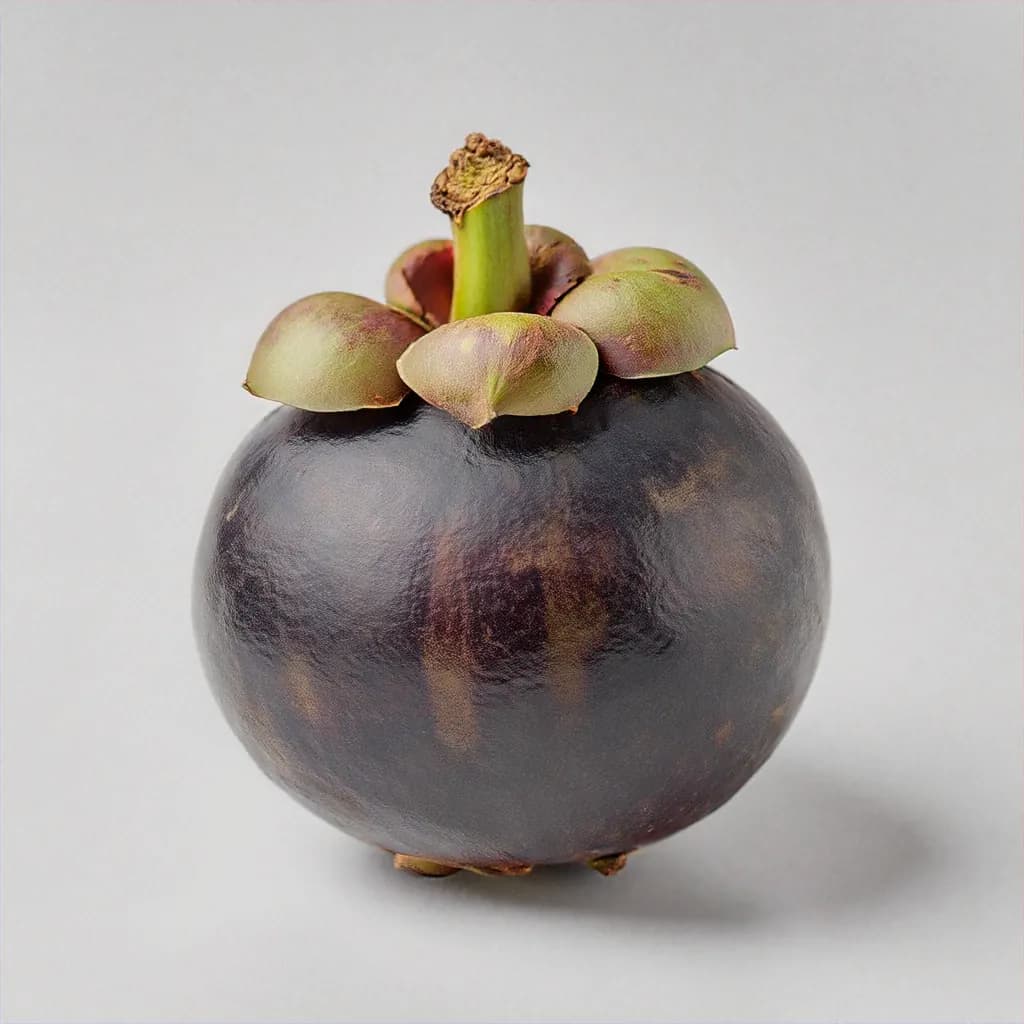
Garcinia mangostana
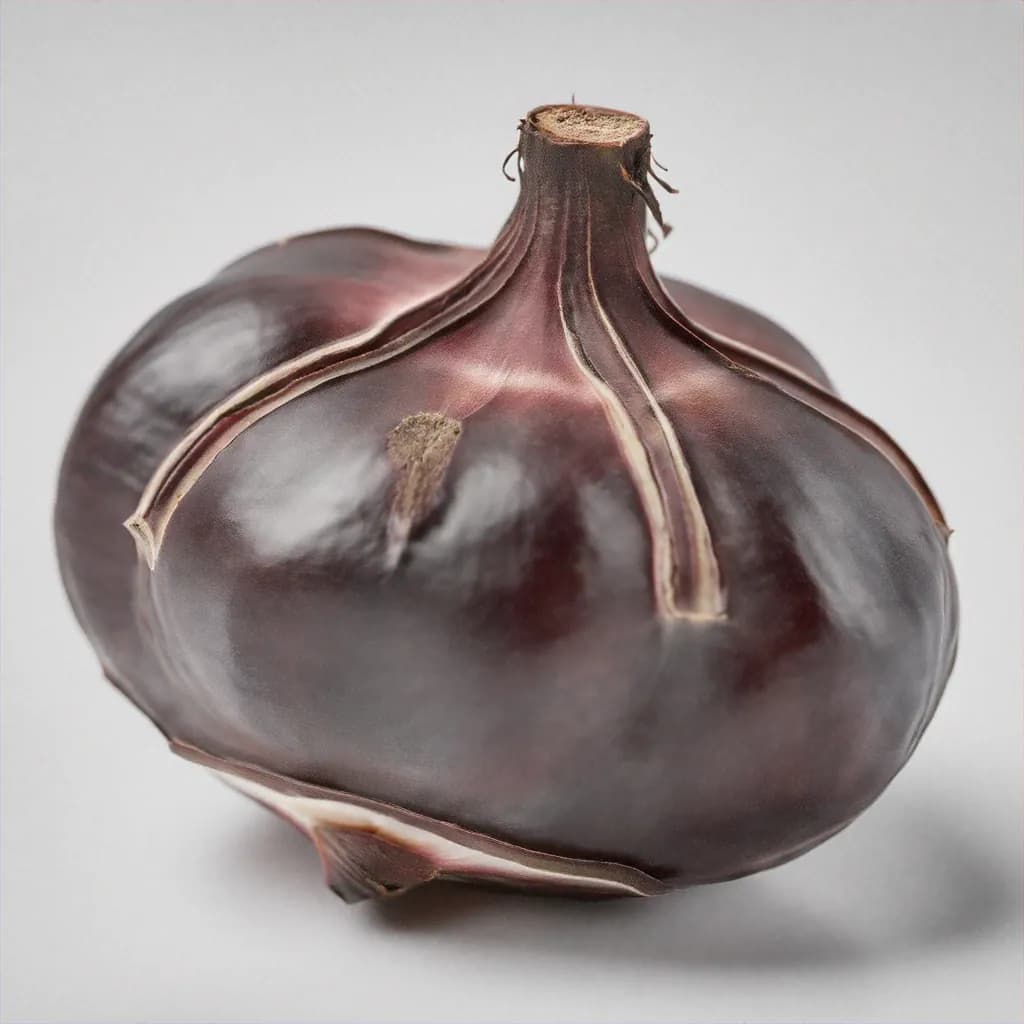
Mangosteens are tropical fruits with distinctive purple-black rind and white segmented flesh featuring subtle sweet and tangy flavor. Rich in xanthones, powerful antioxidants with potential anti-inflammatory and antimicrobial properties. Excellent source of vitamin C (12% DV) for immune support and fiber (8% DV) for digestive health. Native to Southeast Asia, mangosteens thrive in humid tropical climates and provide superfruit benefits with traditional medicinal significance spanning centuries.
Explore Mangosteen in stunning detail
Mangosteen - Main View
Per 100g
Per 100g
Nutrition breakdown for one serving
Southeast Asia, particularly Malaysia and Indonesia
Mangosteens originated in Southeast Asia with cultivation documented for centuries in traditional tropical regions. Called 'queen of fruits' historically reflecting cultural significance and appreciation. Traditional medicine applications documented in Ayurvedic and Southeast Asian practices. Colonial trade expanded knowledge to Western regions. Modern commercial cultivation limited to tropical regions with specific climate requirements.
Peak season May-September in Southeast Asia
Each variety offers unique flavors, textures, and culinary applications
Keep your fruit fresh and delicious for longer
Select deep purple-black rind color indicating ripeness
Fruit should yield slightly to gentle pressure
Avoid hard or overly soft fruits
Check for fresh green stem and healthy appearance
No cracks or blemishes on rind
Heavier fruits indicate better water content
Purchase from markets with fresh supply
Refrigerate 2-3 weeks in plastic bag
Keep in coldest section of refrigerator below 5°C
Do not freeze - damages texture
Ripe fruits best consumed within days
Ripen at room temperature 1-2 days if needed
Store away from strong-smelling foods
Preserve freshness for months
Fresh mangosteen does not freeze well
Freezes flesh texture deteriorates significantly
Best consumed fresh for optimal taste and benefits
Puree can be frozen in ice cube trays for smoothies
Frozen puree keeps 2-3 months
Label frozen items with the date to track freshness. Most fruits maintain quality for 2-3 months when properly frozen. For best results, use airtight containers or freezer bags to prevent freezer burn.
Discover delicious possibilities
Mangosteen allergies uncommon but documented in sensitive individuals. Allergic reactions typically mild - itching or throat irritation. Cross-reactivity with other tropical fruits possible but rare. Severe reactions very rare. Those with fruit allergies should consult allergist.
Mangosteen farming generally uses minimal pesticides. Organic mangosteen products available. Choose fair trade certified products supporting sustainable practices. Conventional mangosteens acceptable with normal rind removal.
Surprising trivia you'll love!
Mangosteens known as 'queen of fruits' historically reflecting cultural significance and appreciation
Xanthones unique antioxidants found concentrated in mangosteen rind and flesh
Vitamin C content (12% DV) supports immune function and antioxidant defense
Traditional medicine applications documented for centuries in Southeast Asia
Mangosteen cultivation limited to specific tropical regions with humidity requirements
Each mangosteen fruit contains 4-8 segments of white flesh
Purple-black rind color indicates ripeness and xanthone concentration
Mangosteens do not ripen significantly after harvest requiring tree-ripened selection
Queen Victoria of England reportedly offered rewards for fresh mangosteens in Victorian era
Southeast Asian harvests celebrate mangosteen season as cultural tradition
Xanthones unique polyphenolic compounds in mangosteens with powerful health-promoting properties. XANTHONE STRUCTURE: Xanthones unique chemical compounds distinct from other antioxidants. Alpha, beta, and gamma mangostin primary xanthone types. Found concentrated in mangosteen rind and flesh. More potent antioxidants than many other plant compounds. ANTIOXIDANT BENEFITS: Xanthones powerful free radical neutralization. Superior to common antioxidants in potency. Protect cells from oxidative damage and aging. Prevent cellular mutations and disease development. Synergistic action with other antioxidants. ANTI-INFLAMMATORY EFFECTS: Xanthones reduce chronic inflammation. Inhibit inflammatory markers and cytokines. Support immune system balance. Reduce joint inflammation and discomfort. Support overall systemic inflammation reduction. ANTIMICROBIAL PROPERTIES: Xanthones demonstrate antibacterial activity. Inhibit pathogenic bacterial growth. Support healthy gut microbiota. Traditional antimicrobial applications documented. Modern research validating traditional uses. CARDIOVASCULAR HEALTH: Xanthones support heart health through multiple mechanisms. Improve arterial function and blood flow. Reduce LDL oxidation preventing plaque formation. Support healthy blood pressure. Enhance cardiovascular tissue health. NEUROPROTECTION: Xanthones support brain health and function. Protect neurons from oxidative damage. Support cognitive function and memory. Reduce neuroinflammation. Potential applications in neurodegenerative disease. SKIN HEALTH: Xanthones support skin health through antioxidant defense. Protect skin from UV damage and aging. Support collagen formation and elasticity. Reduce skin inflammation and irritation. CANCER PREVENTION: Xanthone research shows potential anti-cancer effects. Induce cancer cell apoptosis. Inhibit cancer cell proliferation. Prevent carcinogenic mutations. Research ongoing with promising results. CONSUMPTION APPROACH: Fresh mangosteens provide optimal xanthone benefits. Whole fruit consumption maximizes antioxidant content. Including rind provides additional xanthone compounds. Fresh juice maintains antioxidant properties. Daily consumption recommended for health benefits. BOTTOM LINE: Xanthones powerful phytonutrients in mangosteens providing antioxidant, anti-inflammatory, antimicrobial, cardiovascular, and neuroprotective benefits with emerging research supporting traditional medicinal applications.
Mangosteen selection and storage crucial for maximizing flavor and antioxidant benefits. SELECTION GUIDELINES: Look for deep purple-black rind color indicating full ripeness. Fruit should yield slightly to gentle pressure - not hard or mushy. Check for fresh green stem and healthy appearance. Avoid fruits with cracks, blemishes, or discoloration. Heavier fruits indicate better water content. Purchase from markets with fresh supply and good turnover. RIPENESS ASSESSMENT: Mangosteens do not ripen significantly after harvest. Color indicates ripeness at time of picking. Slight give to pressure indicates optimal ripeness. Hard fruits will remain firm. Overly soft fruits may have internal spoilage. Ripe fruits develop best flavor. STORAGE IN REFRIGERATOR: Refrigerate 2-3 weeks in plastic bag maintaining humidity. Keep in coldest section below 5°C for maximum freshness. Store away from strong-smelling foods - absorbs odors. Check periodically for any mold or deterioration. Remove any damaged fruits immediately. ROOM TEMPERATURE RIPENING: Allow room temperature 1-2 days for color deepening if needed. Room temperature hastens ripening if fruits slightly firm. Monitor closely to avoid overripening. Move to refrigerator when properly colored. FREEZING NOT RECOMMENDED: Fresh mangosteen freezes poorly - damages texture significantly. Flesh becomes mushy after thawing. Fresh consumption provides superior quality. Puree alternative for long-term storage. PUREE FREEZING: Process fresh flesh into smooth puree. Freeze in ice cube trays for portion control. Transfer frozen cubes to freezer bags. Frozen puree keeps 2-3 months. Use in smoothies and desserts. CONSUMPTION TIMELINE: Fresh consumption within 2-3 days provides optimal flavor. Refrigerated storage extends to 2-3 weeks. Quality gradually declines over storage time. Early consumption maximizes health benefits. HANDLING PRECAUTIONS: Handle gently preventing bruising and damage. Avoid stacking heavily crushing delicate fruit. Use clean utensils opening fruit. Discard any moldy or discolored flesh. BOTTOM LINE: Select deep purple firm mangosteens, refrigerate in plastic bag for 2-3 weeks, consume fresh within days for optimal flavor and antioxidant benefits, or freeze puree for extended storage.
Mangosteens safe and nutritious for children supporting growth, immune function, and antioxidant protection. NUTRITIONAL BENEFITS: Vitamin C (12% DV) supports immune system protecting against infections. Fiber (8% DV) supports digestive health and regular bowel function. Copper (8% DV) supports collagen formation essential for tissue development. Manganese (6% DV) supports bone development and metabolism. Natural antioxidants protect growing cells from damage. LOW ALLERGEN: Mangosteen allergies uncommon in children. Rarely allergenic with minimal reactions. Generally well-tolerated when introduced gradually. Severe allergic reactions very rare. INTRODUCTION GUIDELINES: Introduce gradually starting with small quantities. Begin with single small segment observing reactions. Increase quantity as child demonstrates tolerance. Watch for any unusual reactions initially. Supervise first few consumptions. PREPARATION FOR CHILDREN: Fresh mangosteen simple to consume - easy to peel. Segmented flesh convenient for young children. No choking hazard unlike many fruits. Age-appropriate handling for all children. FLAVOR APPEAL: Naturally sweet taste appeals to most children. Unique tropical flavor interesting for palate development. Distinct sweetness and tangy combination. Colorful purple fruit visually engaging. PORTION SIZES: Young children - 3-5 segments daily. Older children - 1 whole fruit daily. Include with balanced diet. Encourage water consumption with snacks. DEVELOPMENT SUPPORT: Vitamin C supports immune development and collagen formation. Copper supports tissue and bone development. Fiber supports healthy digestive development. Antioxidants protect developing cells. Iron absorption supported by vitamin C. IMMUNE SUPPORT: Vitamin C strengthens immune response. Antioxidants support immune cell function. Traditional medicine values mangosteen for immunity. Disease prevention supported by regular consumption. DIGESTIVE HEALTH: Fiber supports healthy digestion and regularity. Smooth digestion prevents constipation. Gut health development important for children. Natural sweetness well-tolerated. PRACTICAL TIPS: Pack in lunch boxes - convenient portable snack. Offer as healthy alternative to processed sweets. Natural sweetness satisfies sweet cravings. Easy to peel and eat. Involves children in selection and preparation. BOTTOM LINE: Mangosteens safe and nutritious for children supporting immune function, growth, digestion, and antioxidant protection through vitamin C, fiber, and xanthones with simple preparation and minimal allergy risk.
Mangosteens exceptional cultural significance in Southeast Asia with centuries-long history as 'queen of fruits' and traditional medicinal applications. ANCIENT HISTORY: Mangosteen originated in Southeast Asia with cultivation documented for centuries. Called 'queen of fruits' reflecting cultural appreciation and prestige. Historical significance in Malaysian and Indonesian cultures. Trade expansion introduced mangosteen to other regions. Ancient texts document medicinal applications. TRADITIONAL MEDICINE APPLICATIONS: Ayurvedic medicine incorporates mangosteen historically. Southeast Asian traditional medicine centerpiece. Rind used for digestive and inflammatory conditions. Anti-inflammatory applications primary historical use. Antimicrobial properties recognized and utilized. CULTURAL SIGNIFICANCE: Valued fruit in Southeast Asian societies. Symbol of tropical abundance and quality. Gifting mangosteens represents respect and value. Harvest celebrations mark seasonal cycles. Family traditions around fruit consumption. CULINARY TRADITIONS: Fresh consumption primary traditional preparation. Added to desserts and special dishes. Juice beverages prepared traditionally. Regional recipes incorporating mangosteen. Feast and celebration inclusion. MEDICINAL PREPARATIONS: Traditional rind decoctions prepared for health. Flesh consumed for nutritional benefits. Water infusions prepared traditionally. Powder preparations made from dried fruit. Modern extraction methods maintaining traditions. COLONIAL EXPANSION: European colonization introduced mangosteen knowledge. Limited cultivation outside tropical regions. Botanical interest in unique properties. Scientific investigation of traditional uses. Modern research validating traditional knowledge. REGIONAL SPECIALTIES: Thailand celebrates mangosteen with seasonal festivals. Malaysia incorporates into cultural celebrations. Indonesia maintains cultivation traditions. Regional cultivation practices developed over generations. MODERN RECOGNITION: Health food movement recognizing superfruit status. Scientific research validating xanthone benefits. Global interest in traditional applications. Sustainable cultivation emerging. CHALLENGES AND OPPORTUNITIES: Limited cultivation outside tropical regions. Climate requirements restrict global expansion. Sustainable farming practices emerging. Fair trade certification developing. BOTTOM LINE: Mangosteens represent centuries-long cultural heritage from Southeast Asian origins through 'queen of fruits' designation, traditional medicinal applications, culinary significance, and modern recognition as superfruit with emerging sustainable practices honoring traditional importance.
Sustainability insights
Mangosteen cultivation represents sustainable agricultural practice when managed responsibly. Benefits include agroforestry integration, minimal pesticide use, and perennial production. Challenges include climate specificity limiting cultivation, deforestation concerns in some regions, and labor-intensive harvesting. Sustainable practices include organic cultivation, intercropping, fair trade certification, and forest conservation.
Mangosteen carbon footprint moderate depending on cultivation and transportation. Limited tropical cultivation regions require long-distance shipping. Fresh fruit minimal processing. Carbon footprint primarily from long-distance air or sea transport. Local sourcing near production regions reduces footprint. Seasonal eating limited by production areas.
Mangosteen requires consistent tropical moisture. Deep root systems access groundwater in native regions. Rainfall primary water source in humid tropics. Irrigation supplementation minimal in established plantations. Water requirements moderate for tropical cultivation.
Supporting sustainable mangosteen producers maximizes environmental benefit. Fair trade certification ensures farmer welfare. Organic cultivation reduces environmental impact. Peak availability limited to May-September. BEST PRACTICES: Choose fair trade certified products, support organic mangosteen farming, source from responsible producers, purchase seasonally when fresh available.
We aim to keep this Mangosteen profile accurate and easy to understand. Nutrition values and % Daily Value figures are based on established reference databases and standard daily value guidance.
Last updated: September 10, 2026
Medical disclaimer
This page is for general educational purposes and does not replace professional medical advice.
Found an issue? Contact us.