Loading Fruit Details...
Please wait while we fetch nutritional information and health benefits
Please wait while we fetch nutritional information and health benefits
Recommended Products

Gaultheria shallon
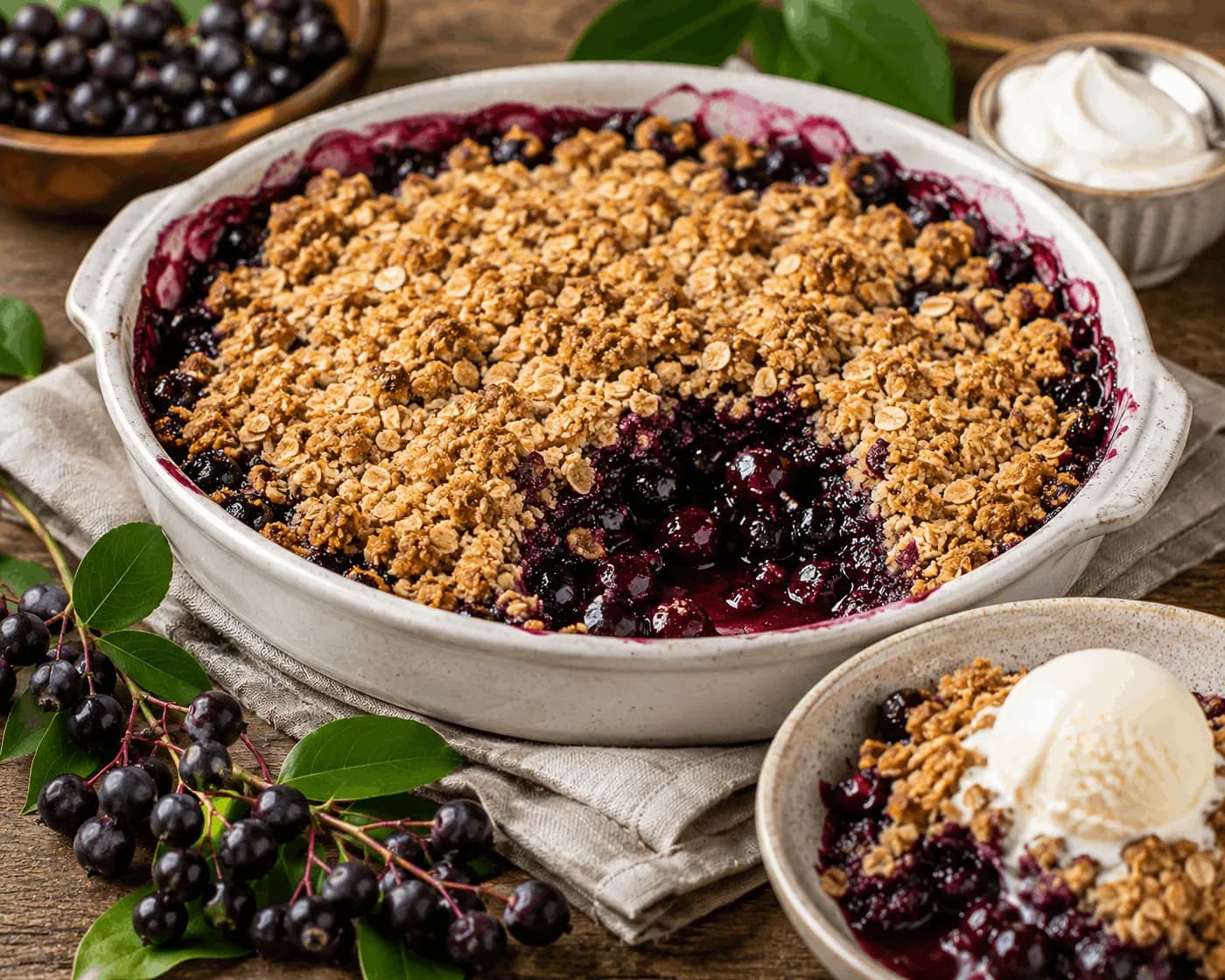
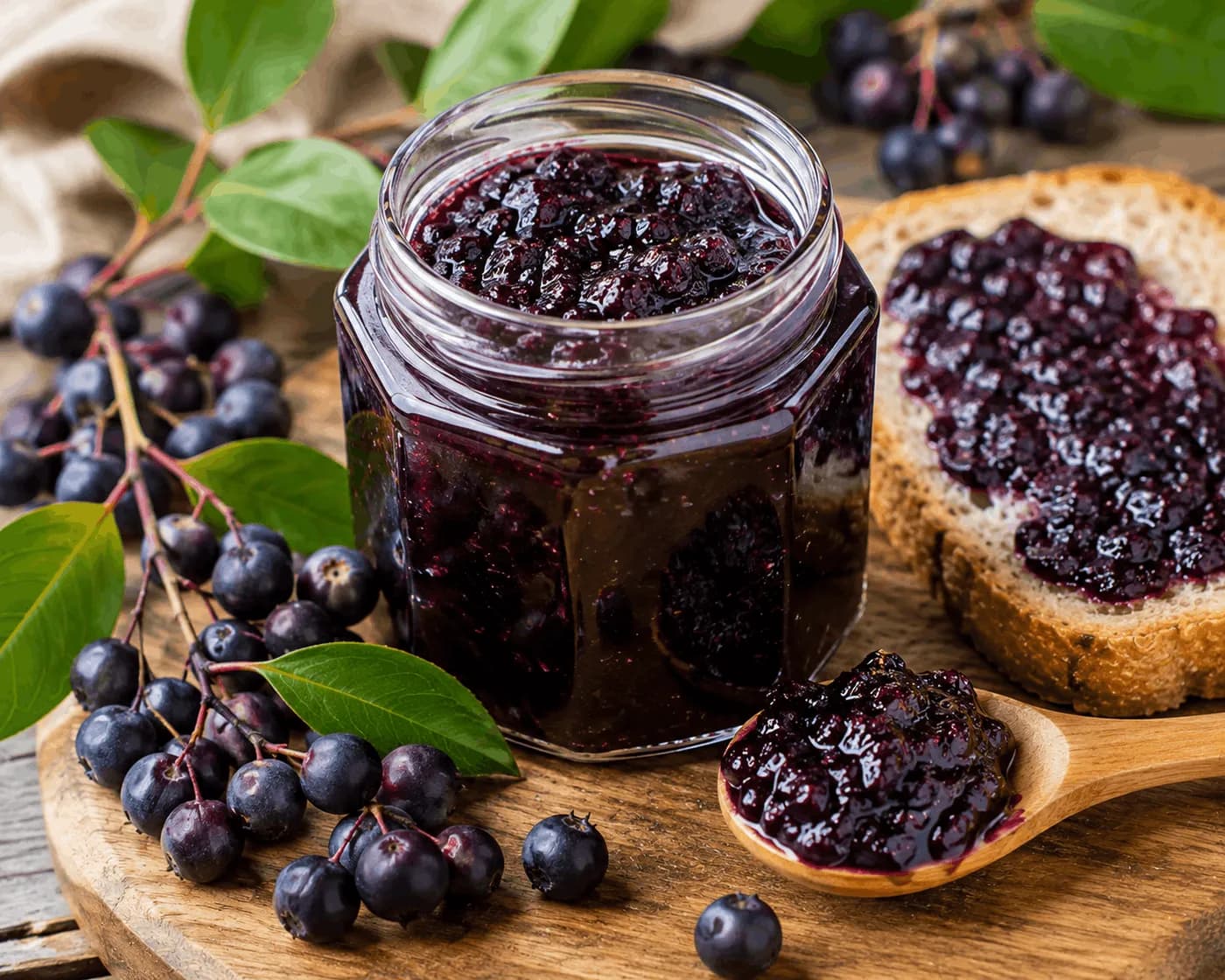
Salal berry is a wild, antioxidant-rich forest fruit native to the Pacific Northwest, valued for its deep purple color, mild sweetness, and exceptional polyphenol content. Traditionally used by Indigenous communities, salal berry delivers notable vitamin C, manganese, and dietary fiber, supporting immune health, digestion, and cellular protection. With approximately 68 calories per 100g, low fat, and a moderate glycemic impact, salal berry is increasingly recognized in modern wellness, functional nutrition, and wild superfood applications. Ideal for fresh eating, preserves, baking, and antioxidant-focused diets.
Explore Salal Berry in stunning detail
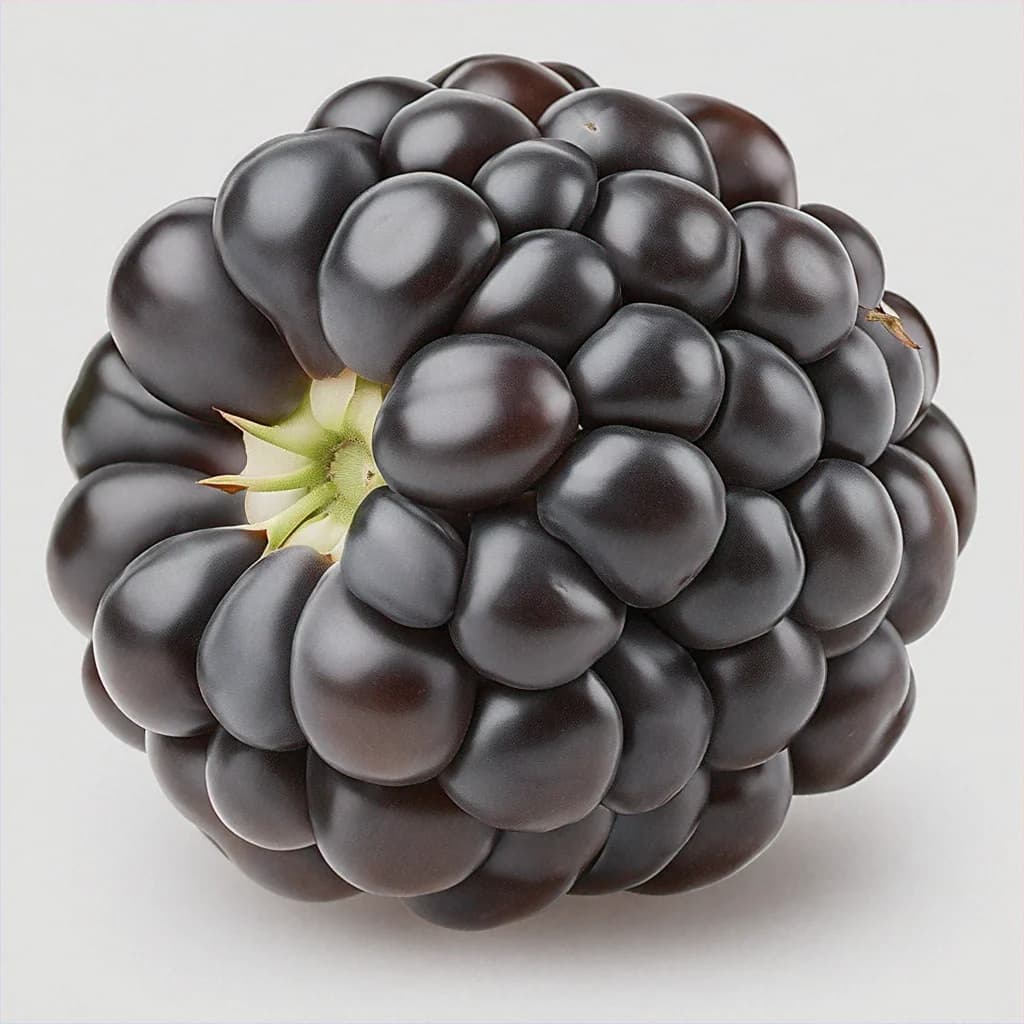
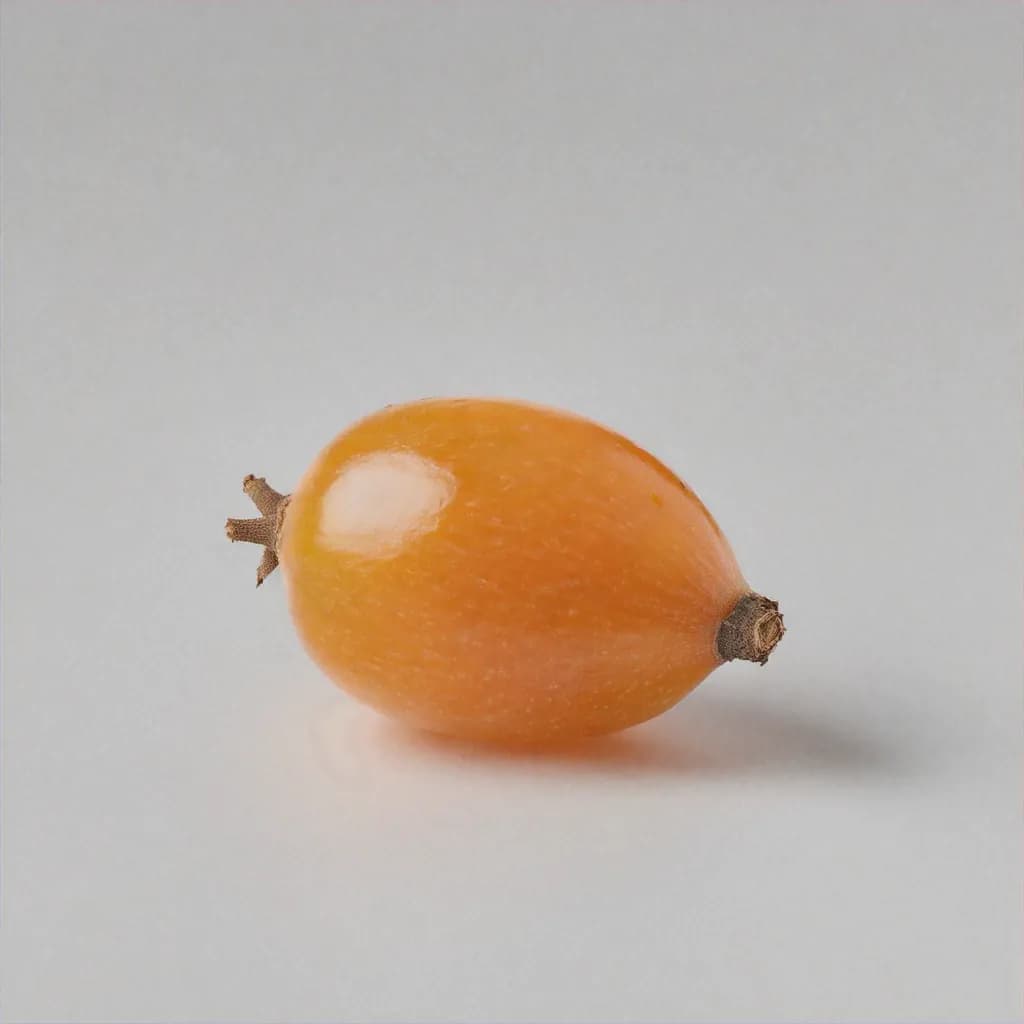
Salal Berry - Main View
Per 100g
Per 100g
Nutrition breakdown for one serving
Pacific Northwest (Western North America)
Salal berry (Gaultheria shallon) has been traditionally harvested and consumed by Indigenous peoples of the Pacific Northwest for centuries. The berries were eaten fresh, dried into cakes, or mixed with fish oil and other foods for preservation. Salal leaves and berries were also valued for medicinal and ceremonial uses. Today, salal remains an important wild food and ecological plant in forest ecosystems.
Late summer to early autumn
Each variety offers unique flavors, textures, and culinary applications
Keep your fruit fresh and delicious for longer
Choose deep purple or blue-black berries for ripeness
Avoid shriveled or moldy berries
Select berries with intact skins and mild aroma
Refrigerate fresh berries and consume within a few days
Store in breathable containers to prevent moisture buildup
Do not wash until ready to use
Preserve freshness for months
Freeze berries in a single layer before storage
Frozen salal berries keep for up to 6 months
Ideal for smoothies and baking after thawing
Label frozen items with the date to track freshness. Most fruits maintain quality for 2-3 months when properly frozen. For best results, use airtight containers or freezer bags to prevent freezer burn.
Discover delicious possibilities
Salal berry allergies are extremely rare.
Wild salal berries are typically pesticide-free, but should be washed thoroughly.
Surprising trivia you'll love!
Salal berries were often dried into cakes for winter storage
The salal plant is evergreen and vital to forest ecosystems
Salal leaves were traditionally used for food wrapping
The berries vary in sweetness depending on growing conditions
Salal is both a food plant and an ornamental species
Salal berry is a wild fruit from the Pacific Northwest, traditionally consumed by Indigenous communities and valued for its antioxidants, fiber, and mild sweetness.
Yes, salal berries are rich in antioxidants, fiber, vitamin C, and manganese, supporting immune, digestive, and cellular health.
Yes, salal berries can be eaten raw when ripe and properly cleaned, though they are also commonly used in cooked preparations.
Salal berries have a moderate glycemic index and are generally suitable for balanced diets when eaten in moderation.
Salal berries grow naturally in coastal forests of the Pacific Northwest, including parts of the United States and Canada.
Yes, salal berries have been traditionally used by Indigenous peoples for food, preservation, and cultural practices.
Salal berries have a mildly sweet, earthy flavor with subtle tannic notes. Their taste can vary depending on ripeness and growing conditions, becoming sweeter when fully ripe.
Yes, salal berries contain dietary fiber and natural tannins that can support digestive health when consumed in moderate amounts.
Yes, salal berries freeze well. Freezing preserves their flavor and nutritional value, making them suitable for smoothies, baking, and preserves for several months.
Yes, salal berries are generally safe for children when properly washed and served in appropriate portions, though seeds and tannins may be better tolerated in moderation.
Sustainability insights
Salal is a resilient native plant that supports biodiversity and forest health.
Wild foraged salal berries have minimal carbon footprint.
Naturally rain-fed with no irrigation requirements.
Local foraging supports sustainability and traditional food systems.
We aim to keep this Salal Berry profile accurate and easy to understand. Nutrition values and % Daily Value figures are based on established reference databases and standard daily value guidance.
Last updated: September 19, 2026
Medical disclaimer
This page is for general educational purposes and does not replace professional medical advice.
Found an issue? Contact us.