Loading Fruit Details...
Please wait while we fetch nutritional information and health benefits
Please wait while we fetch nutritional information and health benefits
Recommended Products
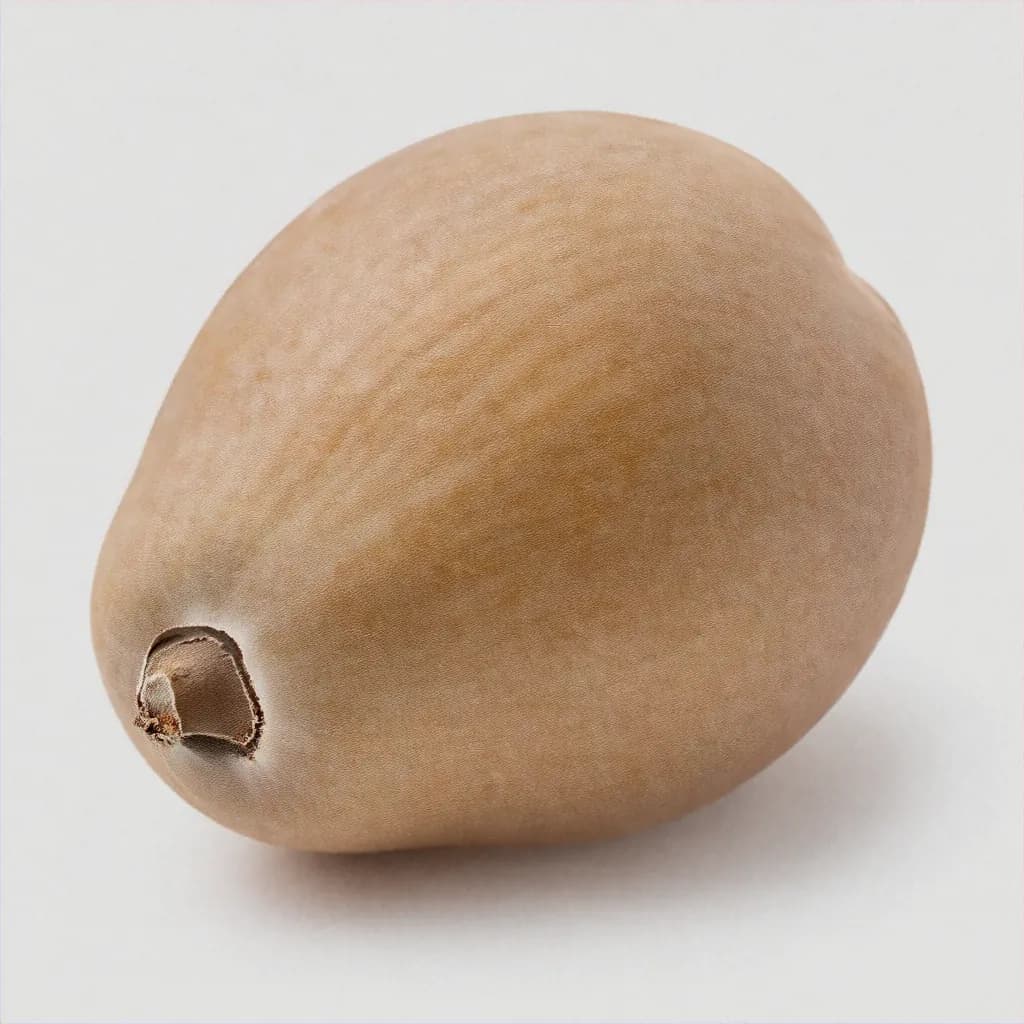
Manilkara zapota
Sapodilla, commonly known as chikoo in India and also called sapodillo or naseberry, is a small oval tropical fruit prized for its rustic brown skin and exceptionally sweet, creamy, custard-like flesh with rich honey-caramel flavor. Native to Central America and Mexico, sapodilla thrives in tropical and subtropical climates with consistent warmth and moisture and is now widely cultivated across South Asia. Along with its indulgent taste, sapodilla offers notable nutritional benefits, providing vitamin C (≈15% DV per 100 g) to support immunity and antioxidant protection, copper (≈10% DV) for collagen formation and immune health, manganese (≈3% DV) for bone strength and metabolism, and beneficial polyphenols, including tannins. Its smooth texture makes chikoo ideal for fresh consumption, smoothies, milkshakes, desserts, and traditional sweets, while its natural sugars deliver quick energy for active lifestyles. Combining concentrated nutrition, tropical adaptability, and culinary versatility, sapodilla (chikoo) stands out as a naturally sweet tropical superfruit gaining popularity worldwide.
Explore Sapodilla in stunning detail
Sapodilla - Main View
Per 100g
Per 100g
Nutrition breakdown for one serving
Central America and Mexico, particularly tropical regions
Sapodillas originated in Central America and Mexico cultivated by Mesoamerican civilizations for thousands of years. Pre-Columbian texts document sapodilla importance in Aztec and Mayan cultures. Tree traditionally used for multiple purposes - fruit, wood, and chicle latex harvesting. Spanish conquistadors encountered sapodillas and distributed globally during colonial expansion. Sapodilla cultivated extensively throughout Caribbean and tropical regions by colonial powers. Portuguese traders brought sapodillas to India and Asia expanding cultivation globally. Modern cultivation maintains traditional methods in primary producing regions with expanding global market development.
Tropical growing season with variations by region
Each variety offers unique flavors, textures, and culinary applications
Keep your fruit fresh and delicious for longer
Select sapodillas with brown rustic skin
Gently squeeze - should yield slightly to pressure when ripe
Avoid hard green sapodillas - will not fully ripen after picking
Skin should be dull not shiny indicating proper ripeness
Sweet aromatic aroma indicates optimal ripeness and quality
Avoid wrinkled, overly soft, or bruised specimens
Purchase from stores with good turnover ensuring freshness
Larger fruits generally superior to very small ones
Store unripe sapodillas at room temperature 2-4 days
Refrigerate ripe sapodillas 2-3 days in crisper drawer
Keep in coolest part of refrigerator below 5°C
Do not wash until ready to consume - promotes mold growth
Store away from ethylene-producing fruits
Place in paper bag for accelerated ripening at room temp
Cooked sapodilla preparations store refrigerated 3-4 days
Preserve freshness for months
Wash, halve, and scoop flesh from skin
Discard seeds completely
Puree or keep as chunks as preferred
Freeze on baking sheet 3-4 hours
Transfer to freezer bags removing excess air
Frozen sapodilla keeps 6-8 months
Use frozen for smoothies, desserts, and sauces
Texture softens after freezing - best for blended preparations
Label frozen items with the date to track freshness. Most fruits maintain quality for 2-3 months when properly frozen. For best results, use airtight containers or freezer bags to prevent freezer burn.
Discover delicious possibilities
Sapodilla allergies uncommon but documented particularly in individuals with tropical fruit sensitivities. Allergic reactions typically mild - itching, tingling, or throat irritation possible. Oral allergy syndrome may occur in certain individuals. Severe reactions rare. Those with fruit allergies should consult allergist about potential cross-reactivity.
Sapodillas grown conventionally may contain pesticide residues. Proper cleaning important for safety. Wash thoroughly under cool running water just before consuming. Organic sapodillas eliminate synthetic pesticide concerns when available.
Surprising trivia you'll love!
Sapodilla tree produces chicle latex historically used for chewing gum production - entire tree valued beyond fruit
Mesoamerican name 'zapotl' documented in ancient Aztec codices showing 3,000+ year cultivation history
Sapodilla flesh creamy custard-like texture unique among tropical fruits requiring spoon consumption
Single sapodilla provides 5.3g fiber supporting digestive health - higher than many common fruits
Sapodilla vitamin C (15% DV) exceeds many common fruits supporting immune function
Copper content (10% DV) higher than most fruits supporting collagen and immune health
Sapodilla must ripen completely before consumption - underripe fruit unpalatable with astringent tannins
Traditional Mesoamerican healers prescribed sapodilla leaves as medicinal tea for various ailments
Sapodilla trees remarkably long-lived producing fruit for 100+ years - perennial crop investment
Spanish conquistadors distributed sapodilla globally during colonial expansion - now grown throughout tropics
Sapodilla exceptional nutritional benefits validated by traditional use and emerging scientific research supporting digestive wellness and overall vitality. DIGESTIVE HEALTH BENEFITS: High fiber (5.3g per 100g) supports digestive health and regular bowel function. Tannins have astringent properties supporting digestive tract health. Polyphenolic compounds promote healthy gut bacteria and microbiome. Anti-inflammatory effects reduce digestive tract inflammation. Natural laxative properties support gentle regularity. ANTIOXIDANT DEFENSE: Vitamin C (15% DV) exceptional levels support antioxidant protection. Tannins powerful polyphenolic antioxidants with cellular protective effects. Catechin polyphenolic antioxidant with disease prevention potential. Multiple antioxidant compounds provide comprehensive defense. TRADITIONAL DIGESTIVE USE: Mesoamerican civilizations used sapodilla for digestive wellness. Traditional medicine prescribed sapodilla for stomach and digestive support. Leaves and seeds traditionally used for medicinal benefits. Entire plant used therapeutically. IMMUNE SUPPORT: Vitamin C (15% DV) supports immune system development and function. Copper (10% DV) supports immune cell production and function. Polyphenols provide immune-modulating benefits. Multiple mechanisms support comprehensive immune protection. ENERGY METABOLISM: Rich carbohydrates (20g) support energy production and sustained fuel. Natural sugars provide quick energy for active lifestyles. B vitamins support energy conversion and metabolism. Minerals support enzymatic processes for optimal energy production. INFLAMMATION REDUCTION: Tannins and polyphenols reduce systemic inflammation. Chronic inflammation linked to multiple diseases - reduction beneficial. Multiple anti-inflammatory mechanisms simultaneously. Natural inflammatory response support. RESEARCH EVIDENCE: Scientific studies confirm digestive benefits of sapodilla. Antioxidant capacity documented extensively. Polyphenol antioxidant effects confirmed. Traditional use validated by modern science. Fiber benefits for digestive health established. CONSUMPTION APPROACH: Fresh sapodilla provides nutrition and antioxidant support. Puree or juice for smoother preparations. Multiple daily servings (1+ fruit) recommended for benefits. Consistency important for sustained support. Traditional preparation varies by region. BOTTOM LINE: Sapodilla exceptional digestive and antioxidant benefits through fiber, tannins, and comprehensive polyphenolic profile with traditional Mesoamerican validation and emerging scientific research supporting comprehensive digestive wellness.
Sapodilla selection, ripening, and preparation crucial for maximizing creamy texture and honey-caramel flavor. SELECTION GUIDELINES: Look for brown dull rustic skin without shine. Gently squeeze - medium firmness with slight give indicates readiness. Sweet aromatic aroma from base confirms optimal ripeness. Avoid hard unripe sapodillas - may not fully ripen after picking. Skip bruised, wrinkled, or overly soft specimens. Medium-to-large fruits generally superior to very small ones. Purchase from markets with good turnover ensuring freshness. RIPENING AT HOME: Room temperature ripening 2-4 days accelerates natural process. Paper bag traps ethylene gas speeding ripening. Check daily for optimal ripeness. Patient ripening yields superior creaminess and sweetness. Never force ripening by artificial heat. RIPENESS INDICATORS: Skin darkens to rich brown as fruit ripens. Fruit yields gently to finger pressure when ready. Sweet honey-caramel aroma intensifies significantly. Dull finish appears on skin indicating maturity. Texture becomes soft and creamy throughout. STORAGE METHOD: Room temperature ripening 2-4 days if unripe. Ripe sapodillas store 2-3 days refrigerated in crisper drawer. Keep in coolest part below 5°C for extended shelf-life. Do not wash until consumption prevents mold growth. Store away from ethylene-producing fruits. PREPARATION TECHNIQUES: Wash gently under cool running water just before consuming. Pat dry completely with soft cloth. Halve lengthwise cutting around pit. Scoop creamy flesh with spoon directly from skin. Discard pit and skin completely. Prevent browning by consuming immediately after cutting. FRESH EATING: Eat ripe sapodilla flesh with spoon directly from halves. Room temperature sapodilla optimal flavor compared to chilled. Creamy texture appeals to many consumers. Minimal preparation needed beyond halving and scooping. Delicate honey-caramel flavor requires minimal processing. SMOOTHIE PREPARATION: Halve, pit, and scoop flesh into blender. Combine with milk, yogurt, or juice base. Add vanilla or cinnamon for enhanced flavor. Blend until smooth creamy consistency. Use immediately or refrigerate 1-2 days. Natural sweetness requires minimal added sugar. ICE CREAM PREPARATION: Puree sapodilla flesh completely. Combine with cream and sweetener as desired. Churn in ice cream maker per instructions. Alternatively freeze puree mixture stirring hourly. Sapodilla ice cream luxurious creamy texture. JUICE PREPARATION: Blend ripe sapodilla flesh with small water amount. Strain through fine mesh if desired. Fresh juice keeps refrigerated 2-3 days. Add lemon for brightness counteracting sweetness. PRESERVATION: Wash thoroughly, pit, and puree sapodilla. Combine with sugar and lemon juice for jam. Simmer 30-40 minutes until setting point reached. Pour into sterilized jars while hot. Store unopened 1+ year in cool dark place. Refrigerate after opening using within 2-3 weeks. SEED REMOVAL: Sapodilla seeds large and must be removed completely. Halve fruit and identify seed location. Scoop around seed carefully. Discard seed completely never consuming. Alternatively purchase seedless processed sapodilla products. BOTTOM LINE: Sapodilla selection, ripening, and preparation techniques maximize creamy texture and honey-caramel flavor - choose medium-firm fruits, ripen at room temperature, and consume fresh or prepare for smoothies, ice cream, or preserves.
Sapodillas excellent fruit for children providing superior nutrition supporting growth, development, and overall wellness. NUTRITIONAL BENEFITS: Vitamin C (15% DV) supports immune system development and wound healing. Copper (10% DV) supports collagen formation essential for bone and tissue development. Fiber (5.3g) supports digestive health critical during growth. Potassium (6% DV) supports muscle function and cardiovascular health. Iron (4% DV) supports oxygen transport essential for active children. Rich carbohydrates provide energy for play and development. LOW ALLERGEN: Sapodillas rarely allergenic with minimal risk of adverse reactions. No major allergens present unlike nuts or shellfish. Well-tolerated by most children when introduced properly. Seed hazard eliminated with proper preparation. INTRODUCTION GUIDELINES: Introduce gradually as with all new foods starting with small amounts. Start with small quantity observing reactions over 3-5 days. Increase quantity as child demonstrates comfort and tolerance. Allergy risk very low but watch for first-time reactions. Supervise young children during eating preventing choking. PREPARATION FOR CHILDREN: Wash thoroughly under cool running water. Halve and completely remove seed preventing choking hazard. Scoop soft flesh into small pieces as needed. Puree for younger children if preferred. Room temperature sapodilla better flavor than cold. Creamy texture appeals to most children. FLAVOR APPEAL: Sweet honey-caramel flavor appeals to most children. Aromatic quality distinctive and pleasant. Ripe sapodilla maximum natural sweetness. Smooth creamy texture preferred by many children. Minimal preparation needed building food appreciation. PORTION SIZES: Young children (2-3 years) - small spoonfuls (30g) appropriate. Toddlers - supervise eating carefully. Older children (4+ years) - one whole fruit (100g) daily beneficial. Include consistently in balanced diet. Encourage water consumption with fruit. DEVELOPMENT SUPPORT: Vitamin C supports immune system protecting against infections. Copper supports bone density and collagen formation. Fiber supports digestive health and regular function. Potassium supports muscle growth and cardiovascular development. Healthy fruit choices establish lifelong nutritional habits. PRACTICAL TIPS: Pack fresh sapodilla halves in school lunches. Offer as healthy snack alternative to processed foods. Combine with yogurt for additional protein and calcium. Teach children to identify ripe fruit. Involve children in selection and preparation. ALLERGY PRECAUTIONS: No major allergens present. Tree fruit family mostly non-allergenic. Cross-reactivity with other tropical fruits minimal. Monitor for rare allergic reactions (skin irritation, throat itching). Consult allergist if concerns arise. CONSTIPATION CONCERNS: High fiber (5.3g) may impact children with digestive sensitivities. Introduce gradually monitoring digestive response. Ensure adequate water intake supporting fiber benefits. Discontinue if digestive upset occurs. BOTTOM LINE: Sapodillas safe and excellent nutritious fruit for children supporting development, immunity, digestion, and growth through comprehensive nutrient profile with minimal allergy risk when properly prepared with seed removed.
Sapodilla exceptional cultural significance in Mesoamerican civilizations with expanding modern culinary applications. MESOAMERICAN HISTORY: Sapodilla cultivated by Aztec and Mayan civilizations for thousands of years. Pre-Columbian texts document sapodilla cultural and nutritional importance. Mesoamerican name 'zapotl' documented in ancient codices. Tree valued for multiple uses - fruit, wood, and chicle latex. Sapodilla wood traditional building material in Central America. TRADITIONAL MEDICINAL USE: Mesoamerican healers prescribed sapodilla for digestive wellness. Leaves used for tea and medicinal preparations. Seeds traditionally used for specific health applications. Bark used for traditional remedies. Entire plant valued therapeutically. CULTURAL SIGNIFICANCE: Sapodilla featured in Mesoamerican art and documentation. Sacred cultural importance in certain traditions. Harvest celebrations and festivals traditionally included sapodilla. Traditional sharing practices built community bonds. Colonial period disrupted traditional cultivation patterns. GLOBAL DISTRIBUTION: Spanish conquistadors encountered sapodilla and distributed globally. Caribbean became secondary cultivation center. Portuguese brought sapodilla to India and Asia. British expanded cultivation in tropical colonies. Modern global production reflects colonial history. MODERN CULINARY APPLICATIONS: Fresh eating represents primary modern use. Smoothies increasingly popular for creamy texture. Ice cream and frozen desserts showcase rich flavor. Desserts and baked goods expand culinary appeal. Preserves and jams capture seasonal abundance. REGIONAL SPECIALTIES: Mexico maintains traditional sapodilla cultivation and consumption. Central America features sapodilla in regional dishes. Caribbean cuisines highlight local sapodilla varieties. Indian cuisine increasingly incorporates sapodilla products. Southeast Asian markets expanding sapodilla availability. FLAVOR PROFILE: Honey-caramel flavor appeals to modern palates. Creamy custard-like texture distinctive feature. Natural sweetness requires minimal added sugar. Subtle aromatic quality complements diverse pairings. Richness compared to common fruits appeals to consumers. DESSERT APPLICATIONS: Sapodilla puddings showcase creamy texture. Ice cream captures luxurious richness. Cakes and pastries benefit from natural sweetness. Custards and cream desserts complement flavor. Jams and preserves create distinctive spreads. BEVERAGE APPLICATIONS: Smoothies highlight creamy texture. Milkshakes create indulgent drinks. Juices provide fresh beverage option. Cocktails incorporate sapodilla purees and syrups. Infused waters add subtle sweetness. MODERN CHALLENGES: Limited global awareness compared to common fruits. Availability constraints in non-tropical regions. Seasonal availability creates supply fluctuations. Price premium reflects limited cultivation. Consumer education needed for selection and preparation. FUTURE TRENDS: Increasing global sapodilla interest documented. Culinary innovation expanding traditional applications. Health food movement highlights nutritional benefits. Tropical fruit renaissance promotes sapodilla popularity. Climate expansion potential in subtropical regions. SUSTAINABILITY: Traditional cultivation practices sustainable and biodiverse. Monoculture concerns in major production regions. Organic certification increasingly available. Fair trade practices supporting farmer welfare. Agroforestry systems enhancing sustainability. BOTTOM LINE: Sapodilla represents Mesoamerican cultural heritage with thousands of years traditional use expanding into modern global culinary applications through smoothies, ice cream, desserts, and traditional preparations honoring cultural significance.
Sustainability insights
Sapodilla cultivation represents sustainable tropical fruit production with minimal environmental impact. Benefits include perennial production with century-long productive lifespan, integration into diverse tropical agroforestry systems, and chitcle latex production providing additional farmer income. Challenges include limited commercial development outside primary regions and potential monoculture concerns in major areas. Sustainable practices include agroforestry integration, organic certification, and fair trade certification supporting farmer welfare.
Sapodilla carbon footprint low due to minimal processing and primarily regional consumption patterns. Fresh fruit requires no processing. Carbon footprint primarily from cultivation and long-distance international transportation when exported. Local tropical cultivation dramatically reduces footprint. Seasonal eating minimizes refrigeration and transport carbon.
Sapodilla cultivation requires moderate water reflecting tropical growing conditions. Rainfall-dependent cultivation in native regions minimizes supplemental irrigation. Water requirements lower than many tropical fruits. Established trees require minimal water input. Sustainable practices include rainwater harvesting and efficient irrigation.
Supporting local sapodilla cultivation when possible maximizes sustainability. Most cultivation concentrated in tropical Central America, Mexico, and expanding Asian regions. Off-season imports increase carbon footprint. BEST PRACTICES: Purchase locally in tropical regions when available, support fair trade certified producers, choose fresh over processed, source from closer tropical suppliers when possible.
We aim to keep this Sapodilla profile accurate and easy to understand. Nutrition values and % Daily Value figures are based on established reference databases and standard daily value guidance.
Last updated: September 2, 2026
Medical disclaimer
This page is for general educational purposes and does not replace professional medical advice.
Found an issue? Contact us.