Loading Fruit Details...
Please wait while we fetch nutritional information and health benefits
Please wait while we fetch nutritional information and health benefits
Recommended Products
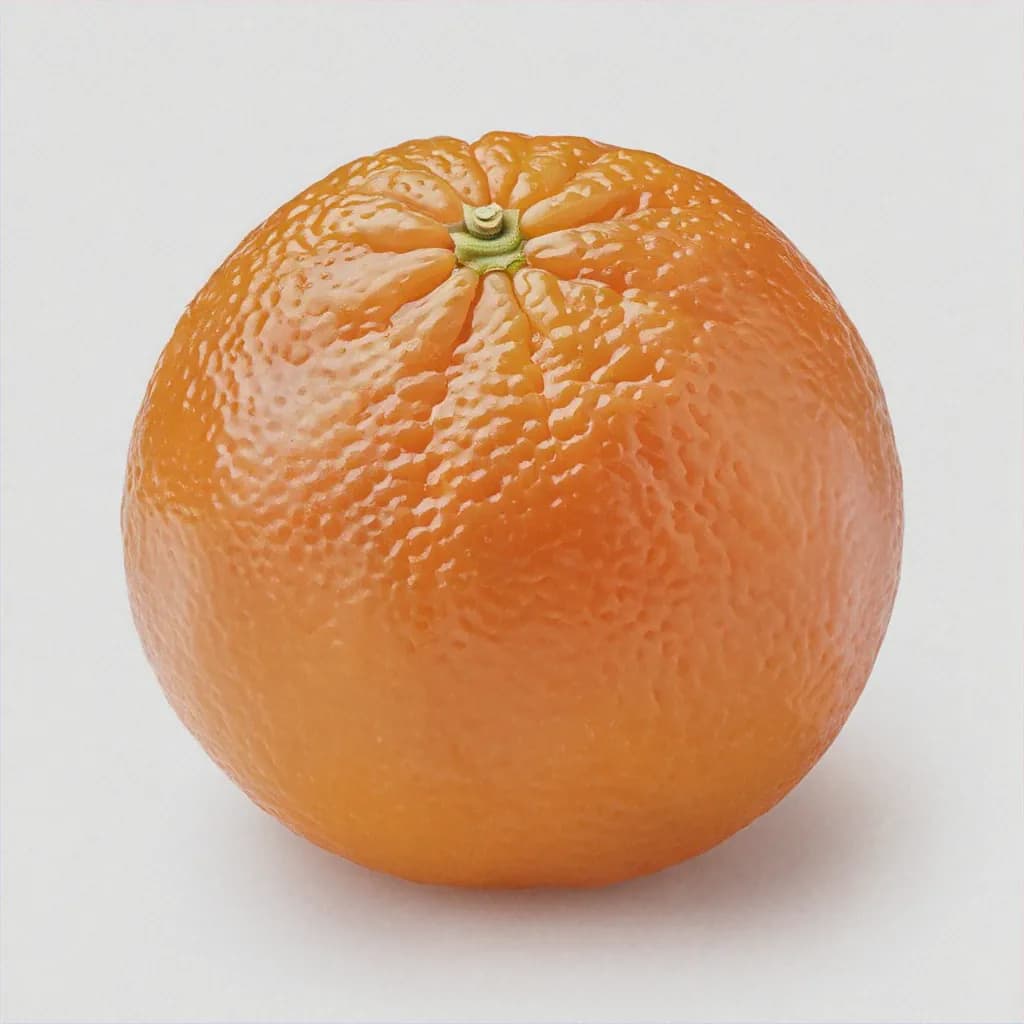
Citrus aurantium
Wild orange is a citrus superfruit with exceptional vitamin C (71% DV per 100g), bright floral character, and traditional medicinal heritage spanning centuries. Also known as bitter orange, Seville orange, or sour orange, wild orange delivers comprehensive nutritional benefits with distinctive aromatic complexity. At 47 calories per 100g with 86% water content and potent polyphenol profile, wild orange is prized in traditional medicine systems, contemporary wellness practices, and culinary applications worldwide. Perfect for fresh consumption, premium juices, gourmet cooking, and comprehensive health optimization.
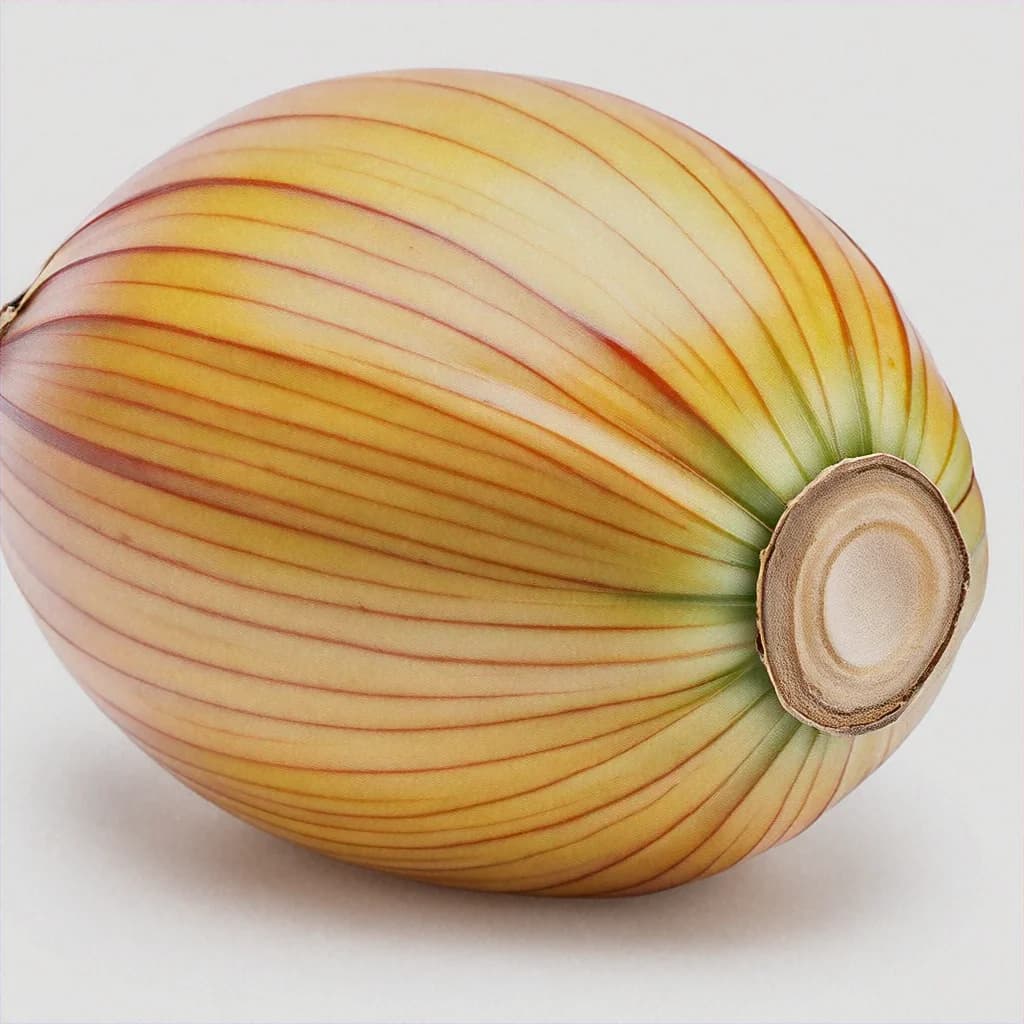
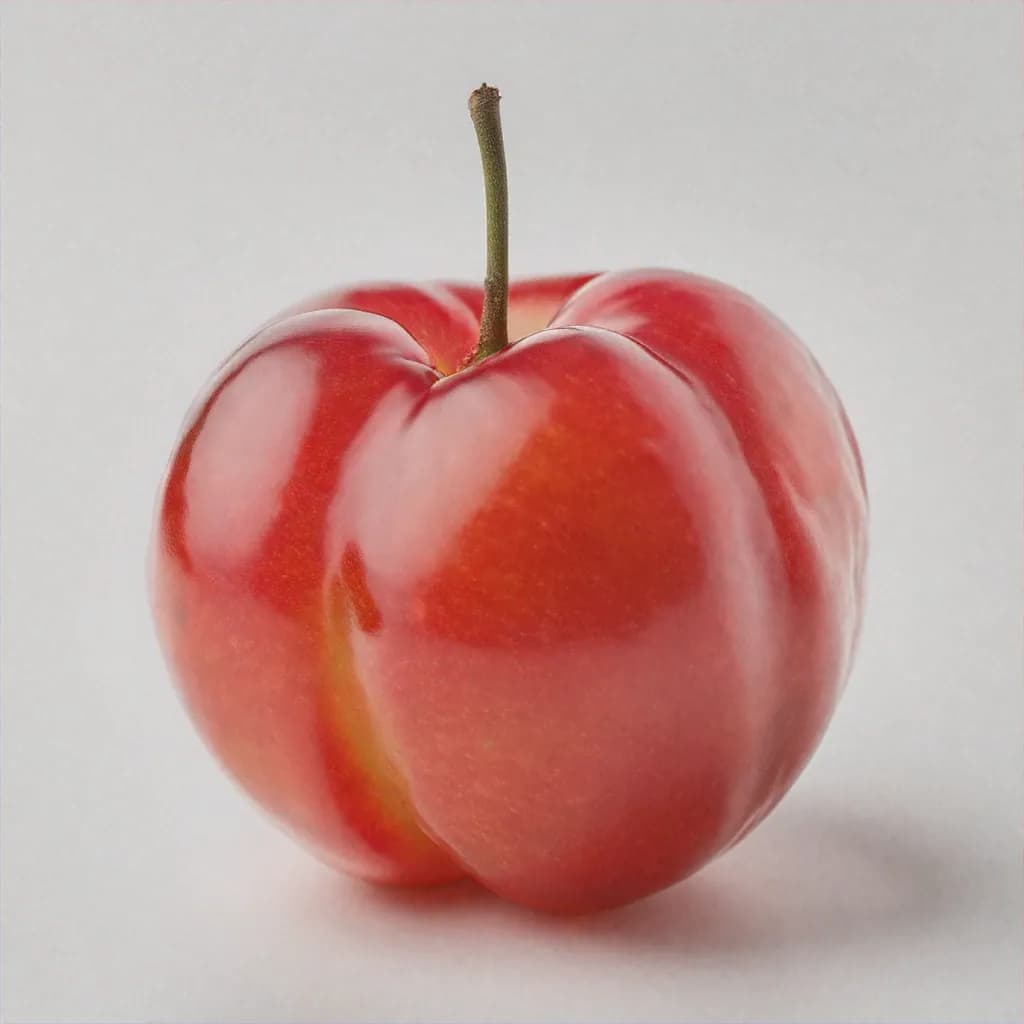
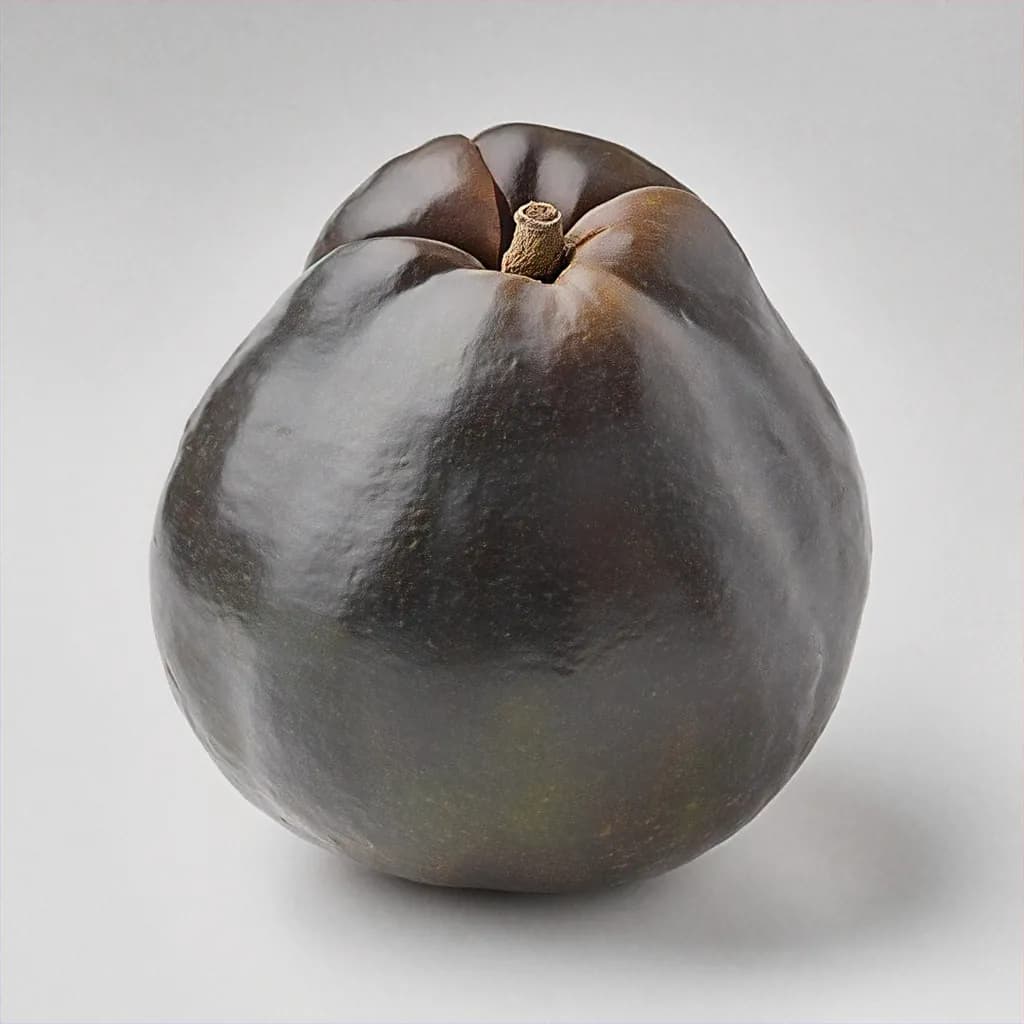
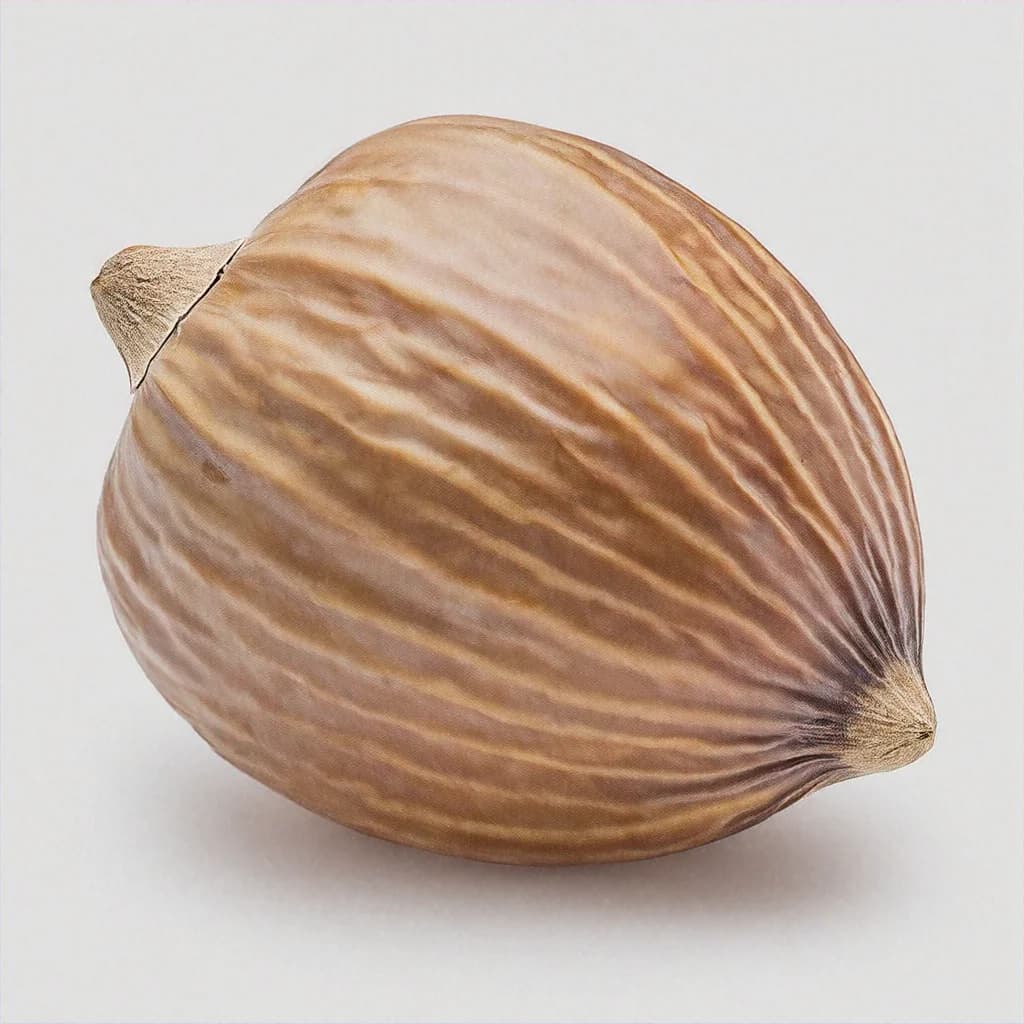
Explore Wild Orange in stunning detail
Wild Orange - Main View
Per 100g
Per 100g
Nutrition breakdown for one serving
Southeast Asia and Mediterranean
Wild orange (Citrus aurantium) originated in Southeast Asia and has been cultivated throughout Mediterranean regions for centuries. Historically called bitter orange or Seville orange, wild orange has been fundamental to traditional medicine systems, culinary traditions, and cultural food practices across Europe, Africa, and Asia. The fruit's aromatic essential oils and distinctive flavor have made it invaluable in perfumery, traditional beverages, and medicinal applications for over 1,500 years. Today, wild orange continues to be prized for its exceptional vitamin C content, potent antioxidant profile, and traditional wellness applications.
Peak season October-March
Each variety offers unique flavors, textures, and culinary applications
Keep your fruit fresh and delicious for longer
Select wild orange fruits that are deep orange to reddish-orange indicating full ripeness
Choose fruits that feel heavy for their size indicating good juice content
Look for firm skin without soft spots, blemishes, or mold
Ripe wild orange should have characteristic bitter-sweet aroma
Select fruits with unblemished, glossy skin indicating quality
Avoid fruits that are too soft or show signs of decay
Store wild orange at room temperature for up to 2 weeks
Refrigerate fruits in produce drawer for up to 4 weeks
Keep in cool, dark location to preserve vitamin C and flavonoids
Avoid storing in plastic bags which can trap excess moisture
Keep away from direct sunlight to maintain nutritional integrity
Store at consistent temperature to prevent premature ripening
Preserve freshness for months
Juice wild orange and freeze in ice cube trays for convenient portions
Freeze whole zest in airtight containers for culinary use
Freeze segments in freezer bags for smoothie ingredients
Frozen wild orange juice maintains quality for 3-4 months
Thaw at room temperature or use directly in cooking applications
Frozen zest can be used directly without thawing for cooking
Label frozen items with the date to track freshness. Most fruits maintain quality for 2-3 months when properly frozen. For best results, use airtight containers or freezer bags to prevent freezer burn.
Discover delicious possibilities
Wild orange allergies are rare. Some individuals may have sensitivity to citrus fruits or specific plant families. Citrus sensitivity affects a small percentage of the population.
Purchase wild orange from certified, organically grown sources when available. Mediterranean producers traditionally use minimal pesticides. Choose fruits from reputable suppliers specializing in quality citrus cultivation.
Surprising trivia you'll love!
Wild orange (Citrus aurantium) is also called Seville orange, bitter orange, and sour orange reflecting its global cultural significance
Wild orange has been used in traditional medicine systems for over 1,500 years across Europe, Africa, and Asia
The essential oils from wild orange are highly valued in perfumery and aromatherapy applications worldwide
Wild orange has exceptional vitamin C content at 71% DV per 100g, higher than many sweet orange varieties
Traditional Spanish marmalade (mermelada) originated from wild orange preserves dating to medieval times
Wild orange essential oil is used in natural energy drinks and contemporary wellness beverages
The fruit's bitter compounds support traditional digestive health applications in Ayurvedic medicine
Modern research continues to investigate wild orange's limonoids for comprehensive health applications
Wild orange is increasingly recognized in contemporary cuisine by gourmet chefs and fine dining establishments
The fruit's aromatic complexity makes it valuable for both traditional and contemporary culinary and wellness applications
Wild orange (Citrus aurantium) is a citrus superfruit with exceptional vitamin C (71% DV per 100g), distinctive bitter-aromatic flavor, and centuries of traditional medicinal use. Also called Seville orange or bitter orange, wild orange delivers potent flavonoids, polyphenols, and limonoids alongside comprehensive nutritional benefits.
Wild orange delivers exceptional vitamin C (71% DV per 100g) for immune support, potent flavonoids and polyphenols for antioxidant protection, folate (8% DV) for metabolism, thiamine (7% DV) for energy, and limonoids for detoxification. At 47 calories per 100g with low glycemic index (42), wild orange provides excellent nutritional benefits.
Wild orange (Citrus aurantium) has distinctive bitter, aromatic flavor compared to sweet orange's mild sweetness. Wild orange contains higher concentrations of flavonoids, polyphenols, and limonoids with stronger traditional medicinal applications. The essential oil profile differs significantly, making wild orange ideal for marmalade, cooking, and medicinal uses.
Wild orange has been used in traditional medicine systems including Ayurvedic and Chinese medicine for digestion support, metabolism enhancement, stress reduction, and respiratory health. The essential oils and flavonoid compounds support these traditional applications, which modern research continues to investigate.
Yes, wild orange is exceptional for immune support with exceptional vitamin C (71% DV per 100g), comprehensive flavonoid content, potent polyphenols, and limonoids. The antioxidant profile makes wild orange highly effective for robust immune wellness and cellular protection.
Wild orange is ideal for making marmalade, glazes, sauces, and reductions due to its aromatic bitterness. Zest adds flavor to fine cuisine. Juice is used in beverages, marinades, and culinary preparations. Essential oils are used in perfumery and specialty applications. The bitter character complements rich dishes like duck.
Fresh wild orange is available at specialty produce markets, farmer's markets during peak season (October-March), Mediterranean food shops, and online retailers specializing in citrus fruits. Processed wild orange products include marmalade, juice, and essential oils from specialty retailers.
Wild orange has distinctive bitter, aromatic flavor with complex floral undertones. Unlike sweet orange, wild orange's bitterness is pronounced and pleasant. The flavor is brighter and more complex than standard citrus, making it ideal for traditional preparations and gourmet cooking applications.
Sustainability insights
Wild orange cultivation supports Mediterranean agricultural traditions and food heritage. Support sustainably harvested wild orange from certified sources honoring traditional cultivation practices and regional food security.
Imported fresh wild orange has moderate carbon footprint. Choose locally available frozen juice or processed products to reduce transportation impact while supporting regional producers.
Mediterranean wild orange cultivation utilizes natural rainfall patterns and sustainable water management. Support rain-fed cultivation to minimize water impact in sustainable practices.
Purchase from Mediterranean and regional producers to support traditional agricultural communities, maintain cultural food practices, preserve traditional knowledge, and minimize global carbon footprint.
We aim to keep this Wild Orange profile accurate and easy to understand. Nutrition values and % Daily Value figures are based on established reference databases and standard daily value guidance.
Last updated: September 15, 2026
Medical disclaimer
This page is for general educational purposes and does not replace professional medical advice.
Found an issue? Contact us.