Loading Fruit Details...
Please wait while we fetch nutritional information and health benefits
Please wait while we fetch nutritional information and health benefits
Recommended Products
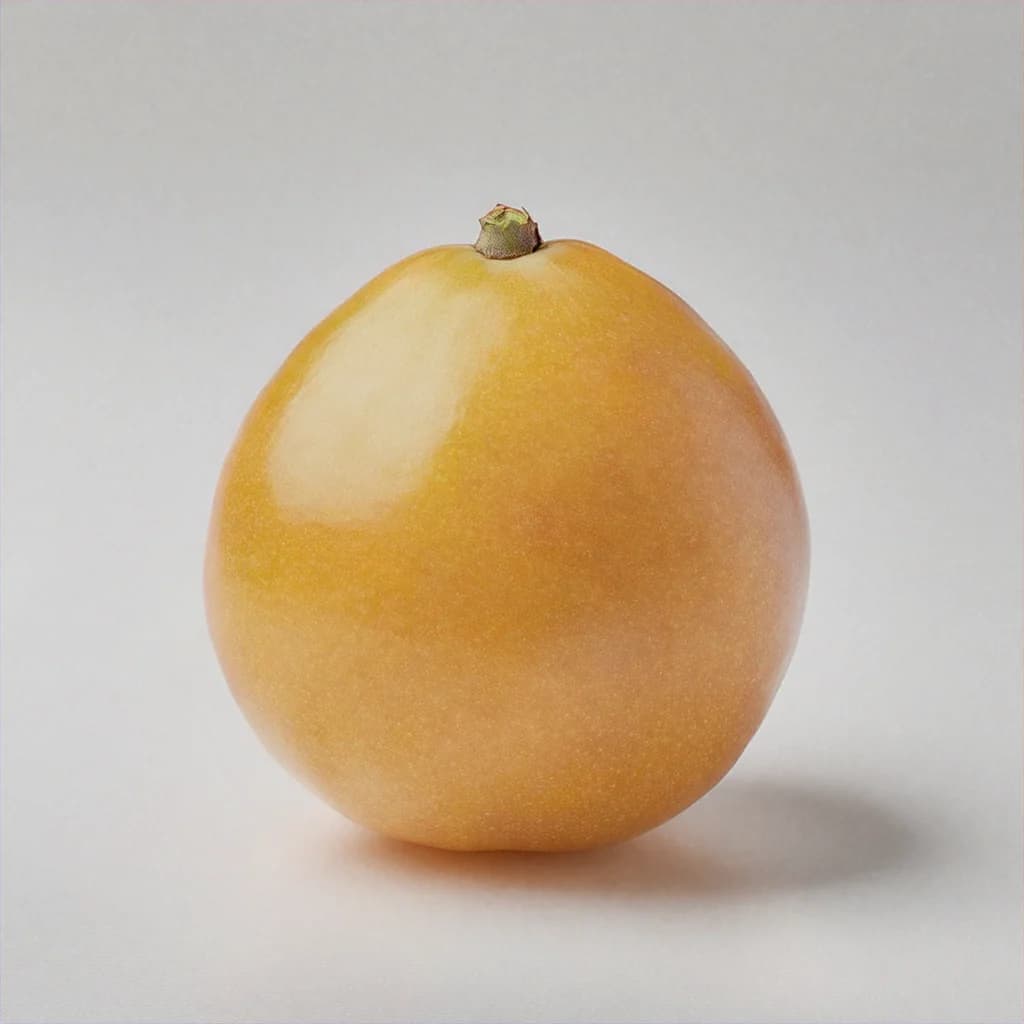
Eugenia brasiliensis
Grumichama, scientifically known as Eugenia brasiliensis, is a tropical fruit native to the coastal regions of Brazil. This small, round berry is often compared to the cherry due to its size and vibrant color, which ranges from deep purple to black when fully ripe. Grumichama boasts a delightful balance of sweet and tart flavors, with a slightly acidic undertone that makes it a favorite in both fresh and cooked applications. Its flesh is soft, juicy, and encases a small seed. Rich in antioxidants, vitamins, and minerals, Grumichama is not only a culinary delight but also a nutritional powerhouse. It thrives in warm, humid climates and is increasingly gaining attention for its health benefits and versatility in both sweet and savory dishes.
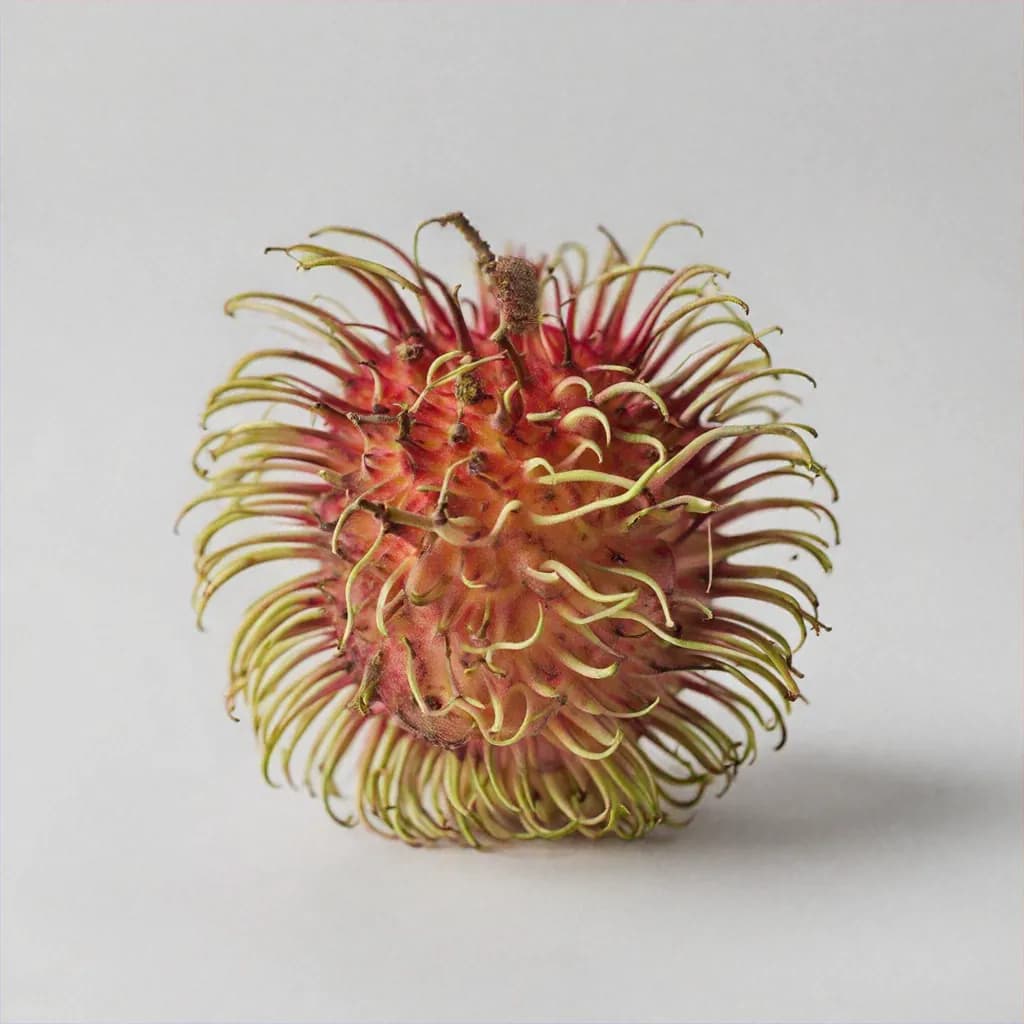
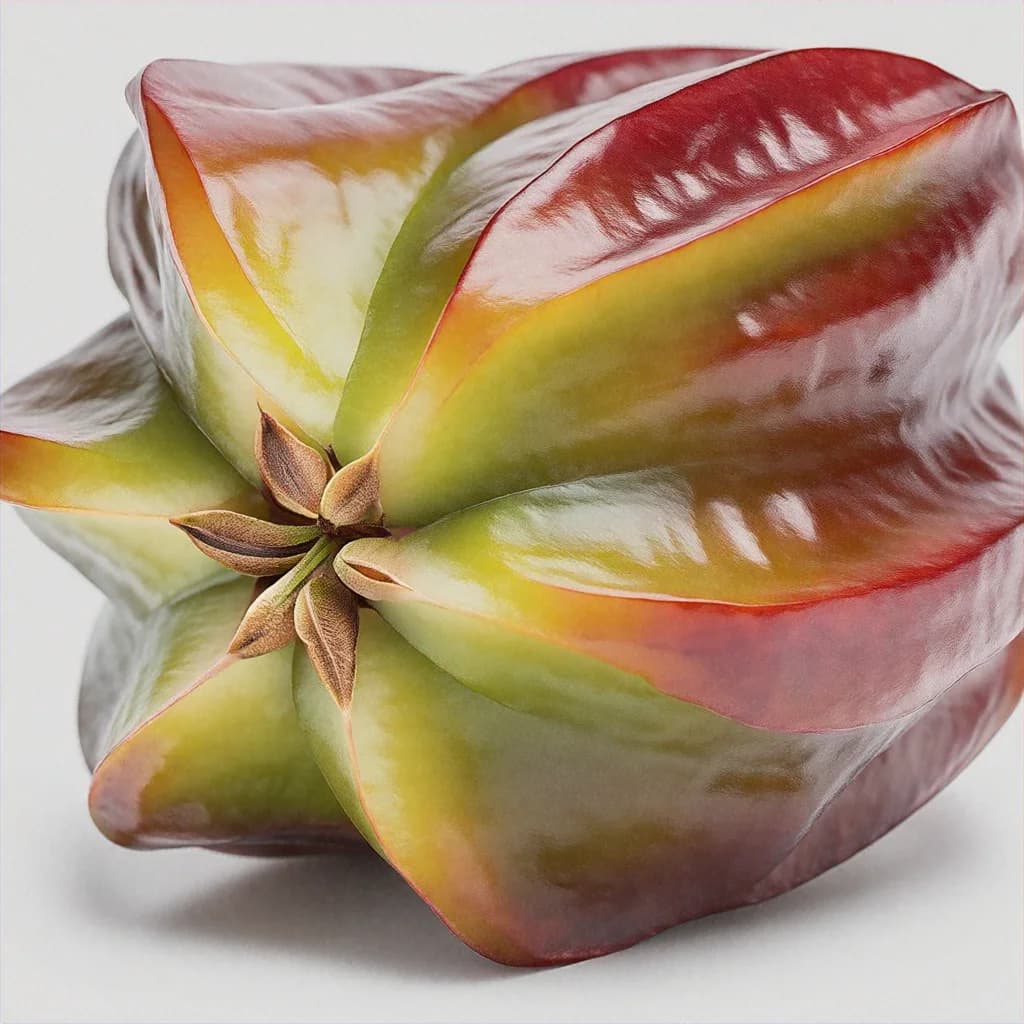
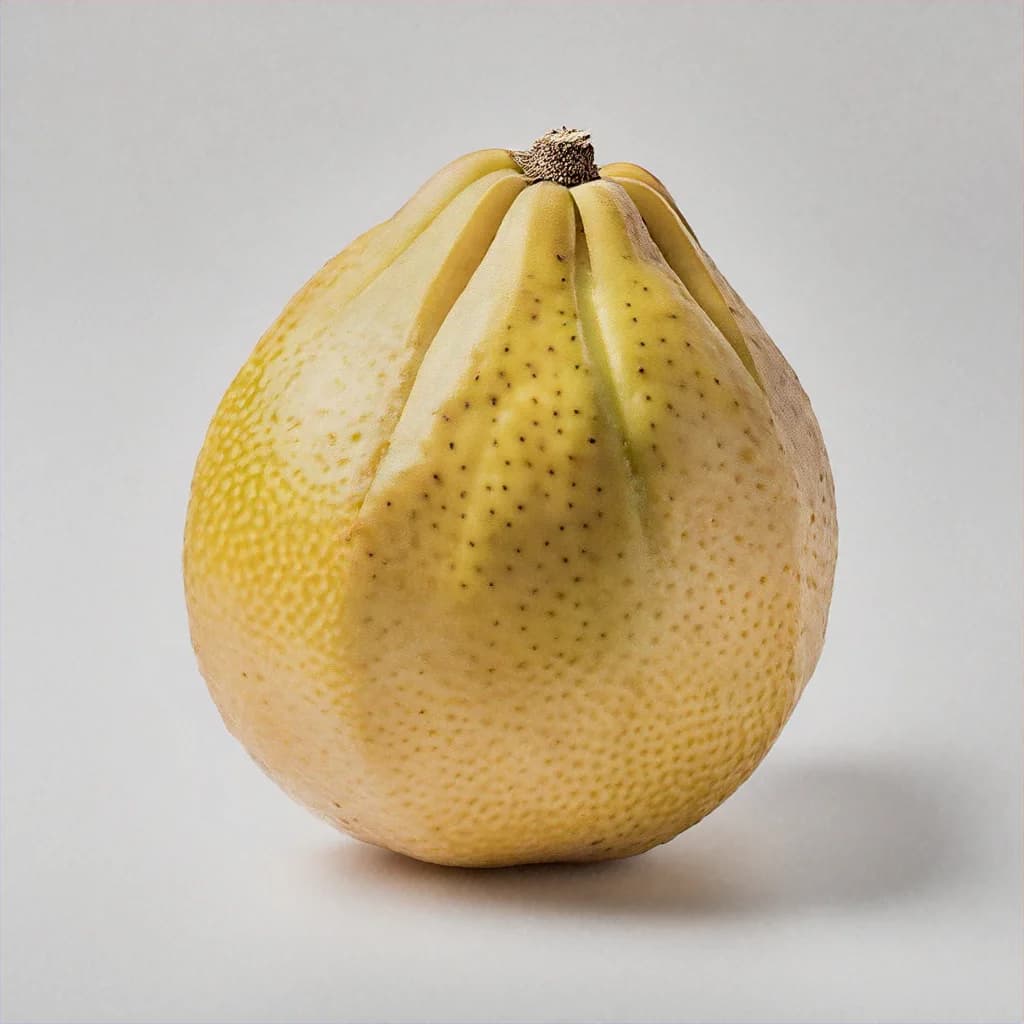
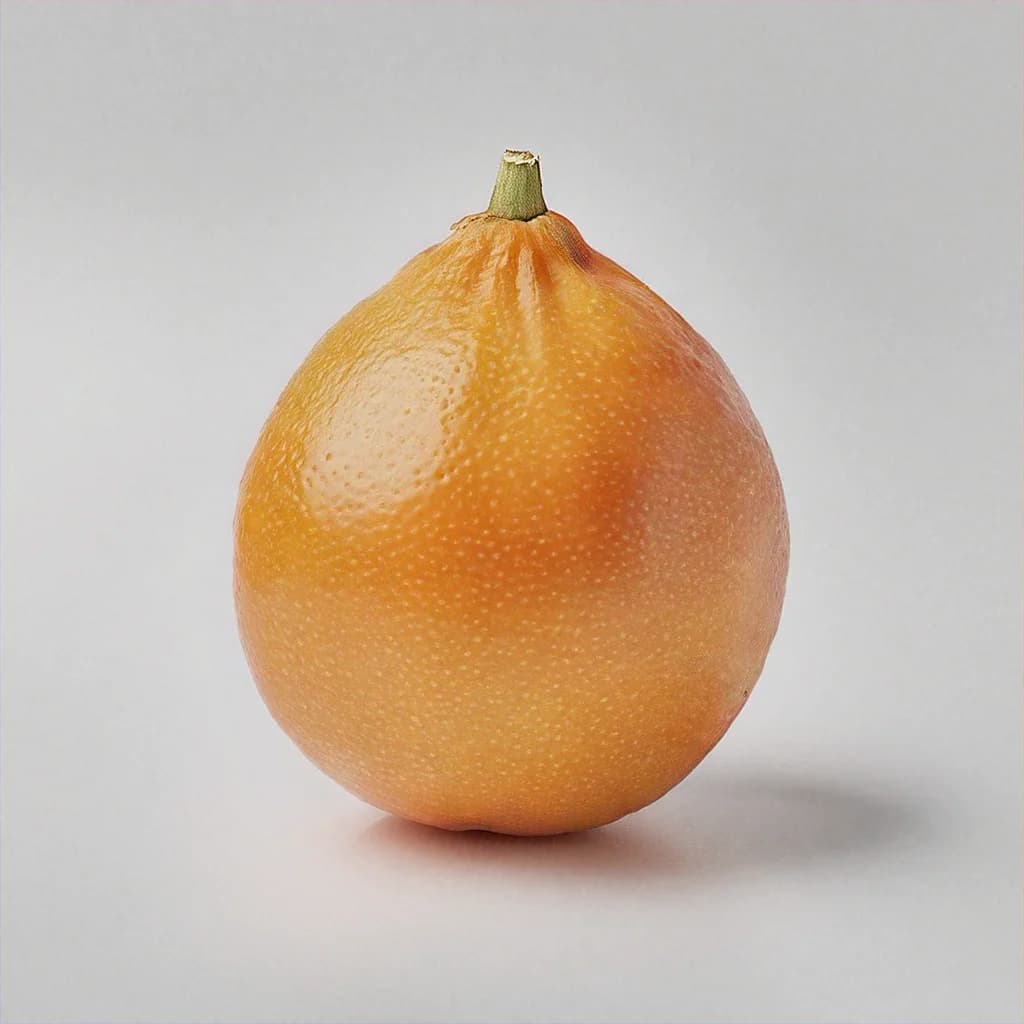
Explore Grumichama in stunning detail
Grumichama - Main View
Per 100g
Per 100g
Nutrition breakdown for one serving
Coastal regions of Brazil
Grumichama has been cultivated for centuries in Brazil, where it is prized for its flavor and medicinal properties. It has recently gained international attention for its nutritional value and culinary versatility.
Late spring to early summer
Each variety offers unique flavors, textures, and culinary applications
Keep your fruit fresh and delicious for longer
Select fruits that are deep purple to black in color, indicating ripeness.
Avoid fruits with bruises, blemishes, or signs of mold.
Store ripe Grumichama in the refrigerator to extend shelf life.
Keep away from direct sunlight and heat sources.
Preserve freshness for months
Freeze whole or sliced Grumichama in an airtight container for up to 6 months.
Use frozen Grumichama in smoothies, jams, or baked goods.
Label frozen items with the date to track freshness. Most fruits maintain quality for 2-3 months when properly frozen. For best results, use airtight containers or freezer bags to prevent freezer burn.
Discover delicious possibilities
Grumichama is generally considered hypoallergenic, but individuals with known allergies to fruits in the Myrtaceae family should exercise caution.
Grumichama is typically cultivated with minimal pesticide use, but it is always best to wash the fruit thoroughly before consumption.
Surprising trivia you'll love!
Grumichama is often called the 'Brazilian cherry' due to its similar appearance and flavor.
The fruit is rich in anthocyanins, which give it its vibrant color and antioxidant properties.
Grumichama has a sweet and tart flavor, reminiscent of a cherry with a slightly acidic twist.
Ripe Grumichama will be deep purple to black in color and slightly soft to the touch.
Yes, Grumichama can be frozen whole or sliced for up to 6 months.
Grumichama is commonly used in jams, baked goods, salads, and beverages.
Grumichama contains about 9 grams of sugar per 100 grams, making it moderately sweet.
Yes, Grumichama is a good source of dietary fiber, which supports digestive health.
Grumichama has a low glycemic index and glycemic load, making it a suitable choice for individuals with diabetes.
Sustainability insights
Grumichama is a sustainable crop, as it requires minimal water and grows well in tropical climates without excessive resource use.
Low, as it is often locally grown and consumed in tropical regions.
Moderate, as the plant is adapted to humid environments but does not require excessive irrigation.
Locally grown Grumichama is more sustainable and fresher than imported varieties.
We aim to keep this Grumichama profile accurate and easy to understand. Nutrition values and % Daily Value figures are based on established reference databases and standard daily value guidance.
Last updated: October 6, 2026
Medical disclaimer
This page is for general educational purposes and does not replace professional medical advice.
Found an issue? Contact us.