Loading Fruit Details...
Please wait while we fetch nutritional information and health benefits
Please wait while we fetch nutritional information and health benefits
Recommended Products
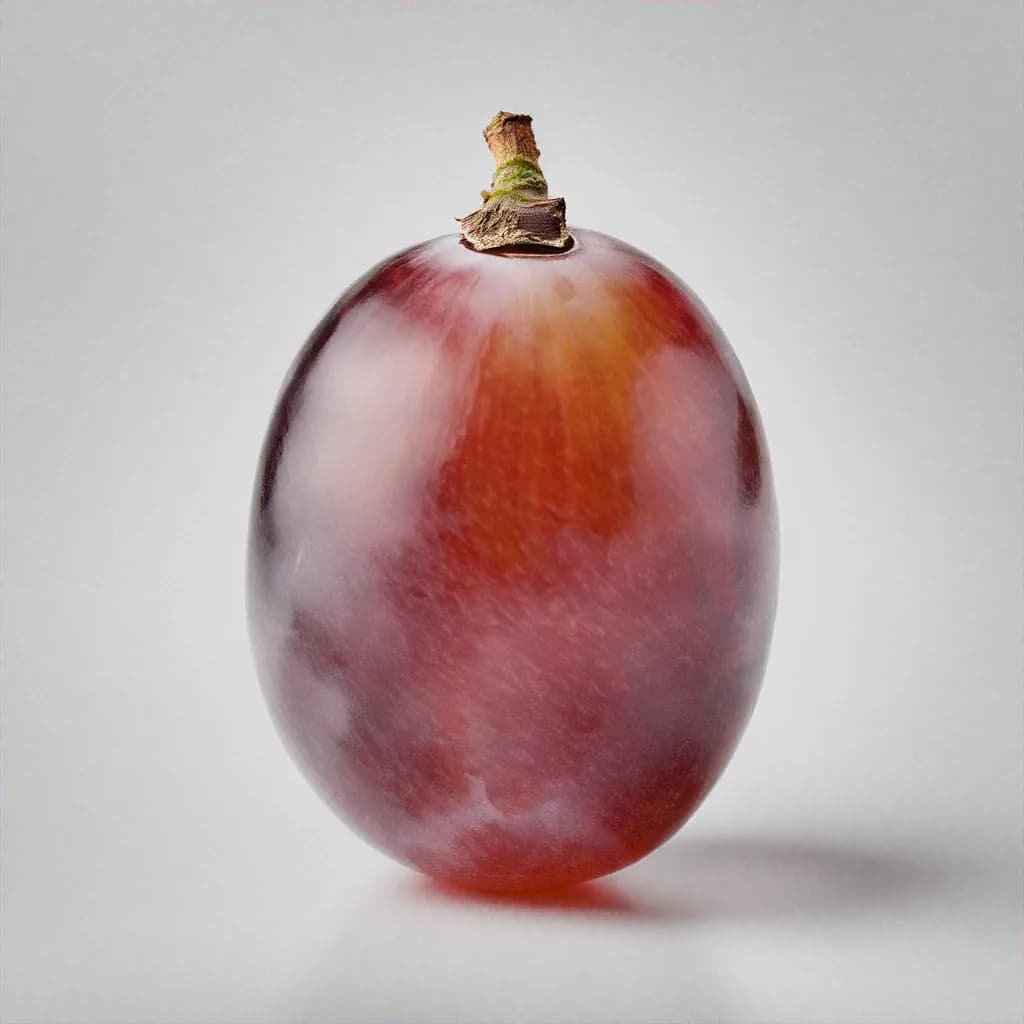
Vitis vinifera
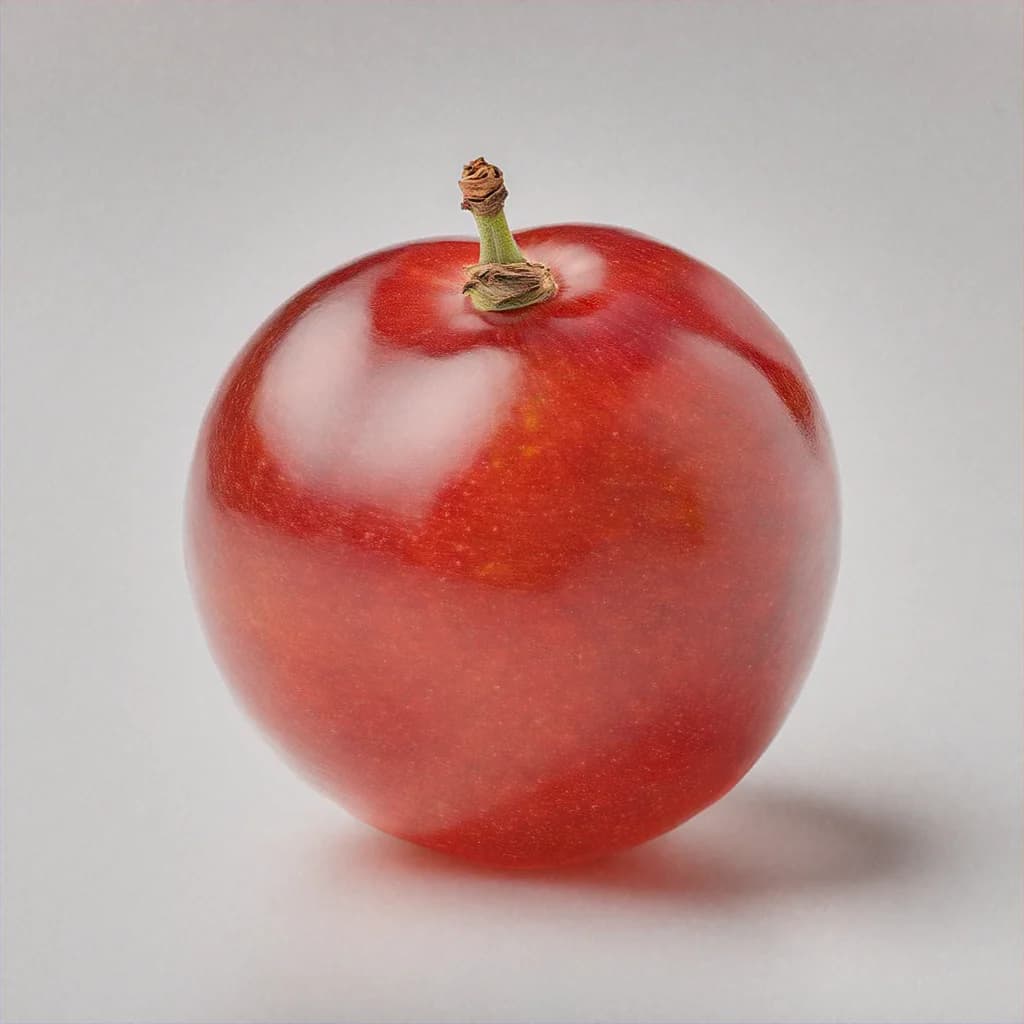
Red grapes are sweet, juicy berries with vibrant red skin and crisp flesh featuring natural sweetness and powerful antioxidants. Rich in resveratrol, quercetin, and anthocyanins supporting cardiovascular health. Excellent source of vitamin K (14% DV) for bone health and vitamin C (5% DV) for immune function. Native to Middle East and Central Asia, red grapes thrive in temperate climates and represent a naturally delicious superfruit combining nutrition with culinary versatility.
Explore Red Grapes in stunning detail
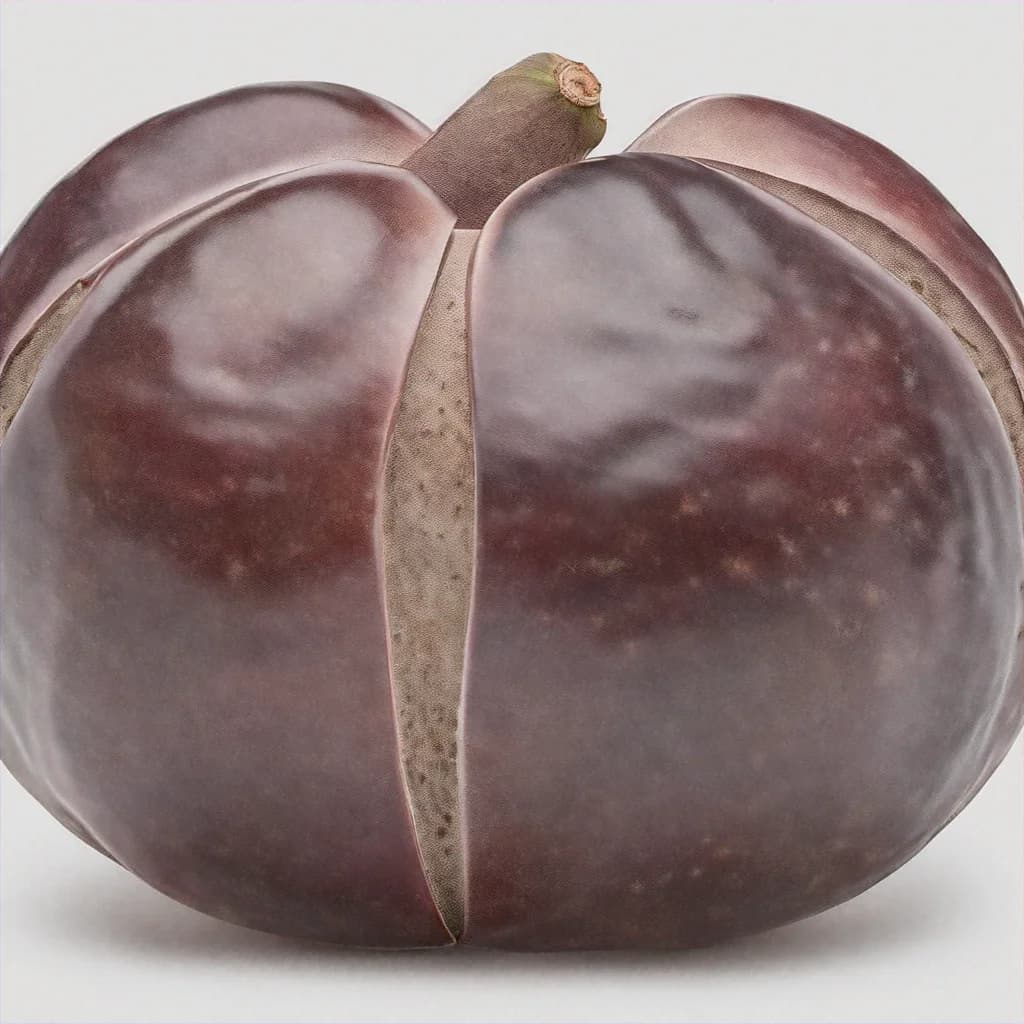
Red Grapes - Main View
Per 100g
Per 100g
Nutrition breakdown for one serving
Middle East and Central Asia
Red grapes cultivated for 5,000+ years with evidence of domestication in Caucasus region around 6,000 BCE. Ancient Mesopotamian, Egyptian, and Roman civilizations documented grape cultivation. Spread globally through trade routes and colonial expansion establishing wine and table grape traditions.
Late summer and fall primary seasons
Each variety offers unique flavors, textures, and culinary applications
Keep your fruit fresh and delicious for longer
Select bright red color indicating ripeness
Berries should be firm without soft spots
Look for bright color without browning
Slight bloom (whitish coating) indicates quality
Avoid shriveled or moldy grapes
Bunches should be intact
Taste test when available ensuring sweetness
Refrigerate unwashed in plastic bag 3-5 days
Keep in coldest part of refrigerator below 5°C
Do not wash until ready to consume
Keep away from strong-smelling foods
Store in high humidity drawer when available
Freeze on stem for extended storage
Preserve freshness for months
Wash and pat dry completely
Freeze on baking sheet 2-3 hours
Transfer to freezer bags
Keep frozen 2-3 months
Use for smoothies and beverages
Label frozen items with the date to track freshness. Most fruits maintain quality for 2-3 months when properly frozen. For best results, use airtight containers or freezer bags to prevent freezer burn.
Discover delicious possibilities
Grape allergies uncommon but documented particularly in individuals with pollen allergies. Allergic reactions typically mild - itching, tingling, or throat irritation possible. Severe reactions very rare. Those with fruit allergies should consult allergist.
Red grapes may contain synthetic pesticide residues - proper cleaning important. Wash thoroughly under cool running water. Soak 15 minutes if desired. Organic grapes eliminate synthetic pesticide concerns.
Surprising trivia you'll love!
Red grapes originated in Middle East 6,000+ years ago
Resveratrol in grape skins associated with cardiovascular health and longevity
Red color indicates high polyphenol antioxidant content
Copper content (14% DV) higher than many common fruits
Vitamin K (14% DV) supports bone and vascular health
Wine production 5,000+ year tradition reflects cultural significance
Seedless grapes result from modern breeding for convenience
Red grapes freeze naturally on vines for ice wine production
Mediterranean diet incorporating grapes associated with documented longevity
Red grapes contain quercetin naturally occurring polyphenol
Red grapes exceptional cardiovascular benefits through resveratrol, anthocyanins, and polyphenolic compounds. RESVERATROL CARDIOVASCULAR BENEFITS: Resveratrol unique stilbene polyphenol improves endothelial function enhancing blood vessel health and flexibility. Reduces LDL oxidation preventing arterial plaque formation. Supports healthy blood pressure through vasodilation. Increases HDL (good cholesterol) improving lipid profiles. VITAMIN K BONE AND VASCULAR HEALTH: Vitamin K (14% DV) essential for vascular calcification regulation preventing arterial hardening. Supports bone mineralization and strength. Required for osteocalcin production critical for bone health. COPPER CARDIOVASCULAR FUNCTION: Copper (14% DV) supports collagen and elastin formation in blood vessels. Vascular elasticity and strength depend on adequate copper. Antioxidant enzyme production requires copper. POLYPHENOL ANTIOXIDANT DEFENSE: Quercetin supports anti-inflammatory cardiovascular effects. Catechin provides antioxidant protection against oxidative stress. Multiple mechanisms work synergistically preventing arterial damage. BLOOD PRESSURE REGULATION: Potassium (5% DV) supports healthy blood pressure through electrolyte balance. Resveratrol improves endothelial function reducing blood pressure. Anthocyanins support vascular relaxation. INFLAMMATION REDUCTION: Chronic cardiovascular inflammation reduced through polyphenolic antioxidants. Quercetin and catechin reduce pro-inflammatory markers. Resveratrol activates anti-inflammatory pathways. RESEARCH EVIDENCE: Scientific studies extensively validate resveratrol cardiovascular benefits. Mediterranean diet cardiovascular benefits well-established. Regular consumption associated with cardiovascular disease reduction. BOTTOM LINE: Red grapes exceptional cardiovascular superfruit through resveratrol, anthocyanins, vitamin K, copper, and polyphenols supporting heart health, blood pressure, cholesterol, and arterial function.
Red grape selection and storage crucial for maximizing flavor and antioxidant content. SELECTION: Look for bright red color indicating full ripeness. Berries should be firm without soft spots. Avoid shriveled, moldy, or crushed grapes. Slight bloom (whitish coating) indicates quality. Purchase from markets with good turnover ensuring freshness. STORAGE: Refrigerate unwashed in plastic bag 3-5 days. Keep in coldest part below 5°C. Do not wash until ready to consume - promotes mold growth. Remove any moldy berries immediately. FREEZING: Wash and pat dry completely before freezing. Flash freeze on baking sheet 2-3 hours. Transfer to freezer bags removing excess air. Frozen grapes keep 2-3 months. Perfect for smoothies and cold beverages. HANDLING: Wash gently under cool running water just before consuming. Pat dry with soft cloth. Prevent bruising through gentle handling. Consume immediately after washing for freshness. BOTTOM LINE: Select deeply colored firm grapes, refrigerate carefully, and freeze for extended storage maintaining flavor and antioxidant benefits.
Red grapes excellent fruit for children providing superior nutrition supporting growth and development. NUTRITIONAL BENEFITS: Vitamin K (14% DV) supports bone health and development. Copper (14% DV) supports collagen formation essential for bone and tissue development. Antioxidants protect growing cells from oxidative damage. Potassium supports muscle function and cardiovascular health. Natural sugars provide quick energy for active children. LOW ALLERGEN: Grape allergies uncommon with minimal allergic reactions. Well-tolerated by most children when introduced properly. Seedless varieties eliminate choking hazard from seeds. INTRODUCTION: Introduce gradually starting with small quantities. Increase quantity as child demonstrates comfort and tolerance. Supervise young children during eating preventing choking. PREPARATION: Wash thoroughly under cool running water. Cut grapes lengthwise or quarters for young children preventing choking hazard. Serve at room temperature for better flavor. CHOKING PRECAUTIONS: Cut whole grapes for children under 4 years into quarters. Supervise all eating preventing choking incidents. Teach children to chew thoroughly before swallowing. PORTIONS: Young children (2-3 years) - small handful (30g) cut into quarters. Older children (4+ years) - one cup (151g) daily beneficial. IMMUNE SUPPORT: Vitamin C supports immune system. Polyphenolic antioxidants support immune function. Natural antioxidant defense supports healthy development. BOTTOM LINE: Red grapes safe and nutritious for children supporting growth, immunity, and bone development with attention to choking prevention for young children.
Red grapes exceptional cultural significance spanning 5,000+ years through wine production and Mediterranean culinary traditions. ANCIENT HISTORY: Grape cultivation documented in ancient Egypt, Greece, and Rome. Archaeological evidence shows domestication in Caucasus region 6,000 BCE. Ancient civilizations valued grapes for wine, fresh eating, and preservation. WINE PRODUCTION: Wine-making represents oldest preserved food production method. Roman Empire expanded wine cultivation establishing traditions. Medieval monasteries preserved wine-making knowledge. European wine regions developed distinctive styles over centuries. Modern wine production reflects thousands of years tradition. Resveratrol benefits recognized in Mediterranean diet longevity research. MEDITERRANEAN CUISINE: Greek, Italian, Spanish, and Turkish cuisines feature grapes traditionally. Mediterranean diet centerpiece with documented health benefits. Grape harvest represents important cultural celebration. Regional recipes passed through generations. MODERN APPLICATIONS: Contemporary chefs experiment with grape applications. Fine dining restaurants showcase grape sophistication. Farm-to-table movements highlight local varieties. Culinary competitions feature creative preparations. SUSTAINABILITY: Vineyard farming practices sustainable and traditional. Organic and biodynamic certifications available. Fair trade practices supporting farmer welfare. Climate considerations affecting traditional regions. BOTTOM LINE: Red grapes represent 5,000+ year cultural heritage from ancient Mediterranean origins through wine traditions to modern global culinary applications honoring traditional significance.
Sustainability insights
Red grape cultivation represents diverse environmental impact from sustainable organic vineyards to conventional production. Benefits include perennial production, agroforestry integration, and wine production extending availability. Challenges include water requirements and pesticide use in conventional cultivation. Sustainable practices include organic cultivation, integrated pest management, and fair trade certification.
Red grape carbon footprint low-to-moderate depending on cultivation and transportation. Fresh grapes require minimal processing. Carbon footprint primarily from cultivation and long-distance transportation. Local cultivation dramatically reduces footprint. Seasonal eating minimizes cold storage and transport carbon.
Red grape cultivation requires moderate water reflecting Mediterranean growing conditions. Rainfall supplements with irrigation in semi-arid regions. Sustainable practices include drip irrigation and rainwater harvesting.
Supporting local grape cultivation when possible maximizes sustainability. Peak season August-November Northern Hemisphere. BEST PRACTICES: Purchase locally in-season when available, support organic and fair trade producers, choose fresh over processed, source from closer suppliers.
We aim to keep this Red Grapes profile accurate and easy to understand. Nutrition values and % Daily Value figures are based on established reference databases and standard daily value guidance.
Last updated: September 9, 2026
Medical disclaimer
This page is for general educational purposes and does not replace professional medical advice.
Found an issue? Contact us.